
Best Time to Visit Kashmir
Best Time to Visit Kashmir: Month-Wise Weather, Snowfall & Travel Guide
Kashmir is one of India’s most iconic travel destinations, known for its breathtaking landscapes, snow-capped mountains, lush valleys, pristine lakes, and rich cultural heritage. Tourists visit the region throughout the year, but choosing the best time to visit Kashmir plays a crucial role in shaping the overall travel experience. Weather conditions, accessibility, activities, crowd levels, and budget all vary significantly from season to season.
Travellers often wonder which is the best time to visit Kashmir for sightseeing, snowfall, family vacations, or adventure activities. While some prefer the pleasant climate of summer for relaxed holidays and city tours, others plan their trip specifically during winter to witness snowfall and enjoy snow sports. Understanding seasonal differences helps travellers avoid inconveniences such as road closures, extreme cold, or overcrowded tourist spots.
For those planning a vacation with loved ones, the best time to visit Kashmir with family is usually during months with mild weather and easy mobility. Families often prioritise comfortable sightseeing, safe travel conditions, and kid-friendly experiences like shikara rides, garden visits, and scenic drives. On the other hand, adventure enthusiasts and snow lovers consider winter the best time to visit Kashmir for snowfall, when destinations like Gulmarg and Sonmarg are covered in thick snow.
When planning a trip to the region, many travellers also search for the best time to visit Jammu and Kashmir as a whole, which includes both the scenic valley and surrounding hill destinations. Each season offers a distinct charm, from blooming spring gardens and vibrant summer landscapes to golden autumn hues and magical winter snowfields.
Since every season in Kashmir comes with its own advantages and limitations, the ideal time to visit depends on personal preferences, travel goals, and weather tolerance. Factors such as temperature range, tourist rush, availability of activities, and accommodation prices should all be considered before finalising travel dates.
In this blog, a detailed breakdown of Kashmir’s seasons has been provided, including month-wise weather conditions, best activities to enjoy, travel tips, and recommendations for different types of travellers. By reading through this guide, you will be able to decide the best time for a Kashmir tour based on your expectations and plan a smooth, memorable journey to the valley.
Explore Kashmir in October for colorful autumn landscapes.
Popular Kashmir Tours


7D/ 6N
6D/ 5N
5D/ 4N

7D/ 6N
Best Seasons to Visit Kashmir
01. Kashmir in Summer (June to September)
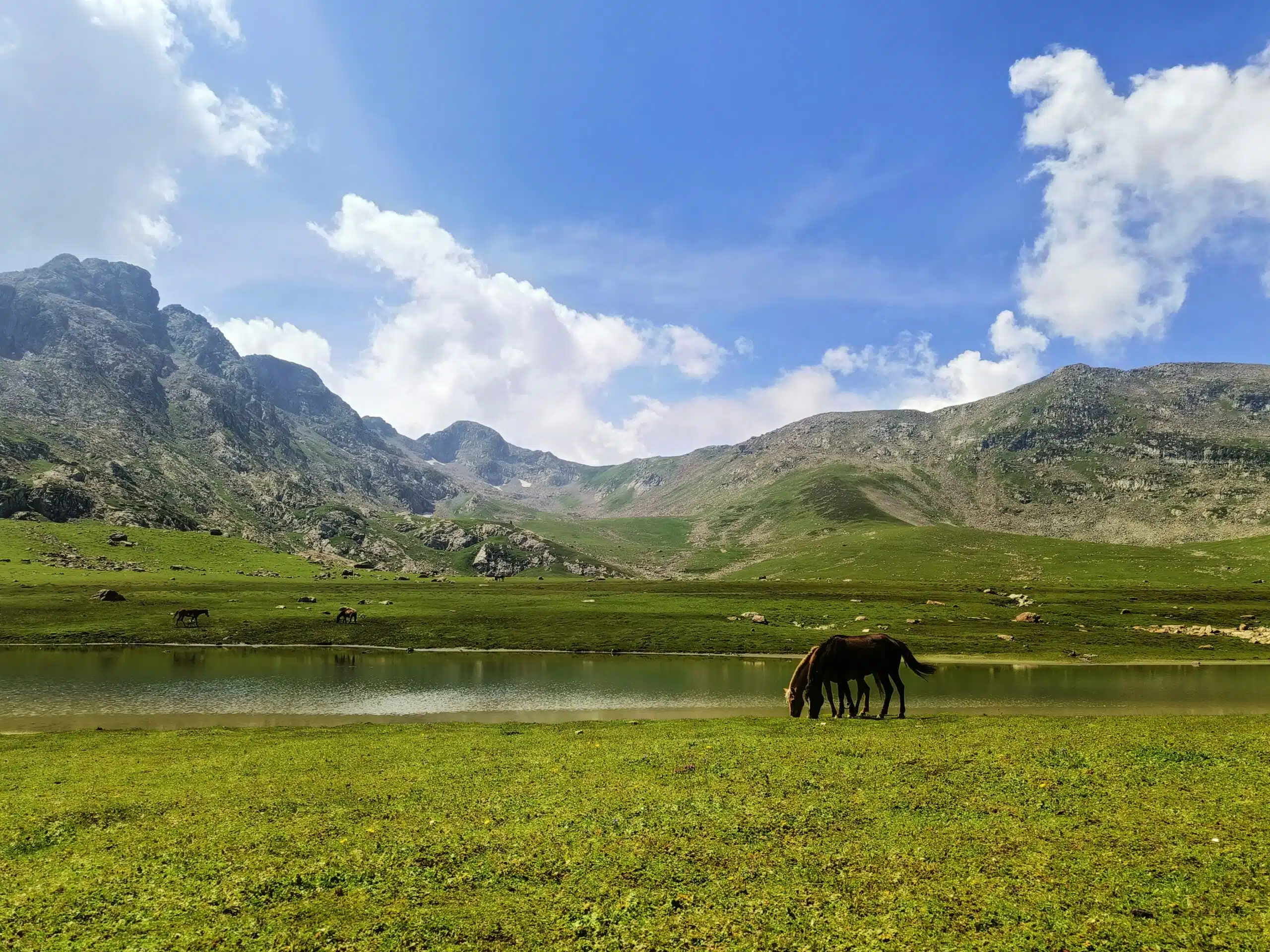
Summer is undoubtedly one of the most preferred seasons and is widely considered the best time to visit Kashmir with family. The pleasant summer season begins in June and continues till September, offering comfortable weather and easy access to most tourist attractions across the valley.
During summer, the meadows of Kashmir undergo a beautiful transformation, turning lush green and blooming with colourful wildflowers. The lakes appear crystal clear, reflecting the surrounding mountains and gardens. Snowfall completely stops, even in higher alpine regions, making roads, trekking routes, and sightseeing spots fully accessible.
This season witnesses a high influx of tourists as people prefer exploring Kashmir when all destinations are open and travel conditions are smooth. July stands out as an ideal month for a Kashmir trip, offering pleasant temperatures with occasional light rainfall. These conditions make it perfect for sightseeing, outdoor adventures, and family-friendly experiences.
Weather and Temperature:
Kashmir in summer experiences daytime temperatures ranging between 15°C and 30°C. Nights are relatively cooler, with temperatures dropping to around 10°C. The overall climate remains comfortable, with warm days, cool evenings, and bright sunshine under mostly clear skies.
Activities to Do:
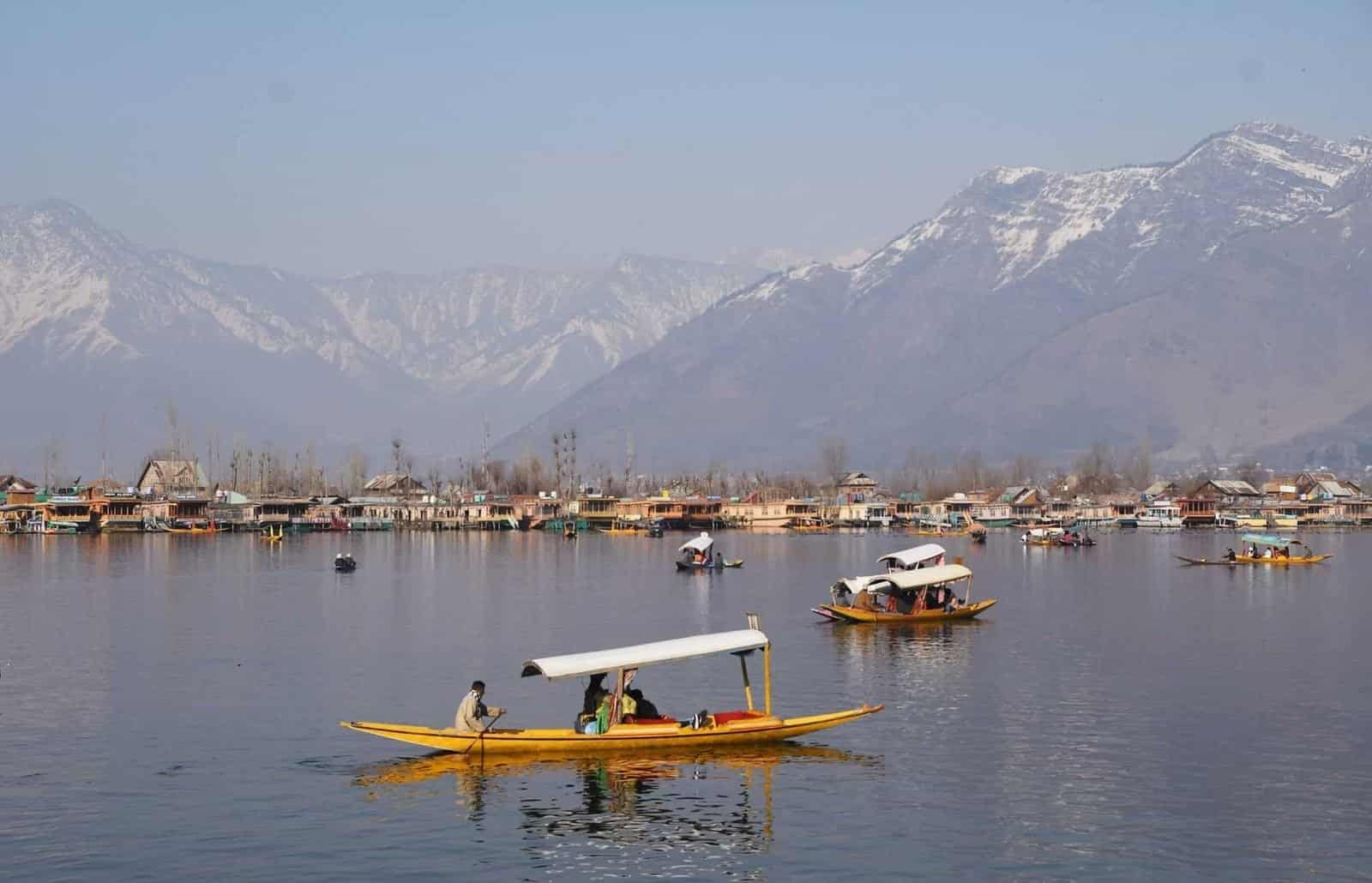
Summer offers a wide range of activities across the valley. In Srinagar, begin with a relaxing Shikara ride on Dal Lake or Nigeen Lake. Dal Lake is surrounded by popular attractions such as Char Chinar, Mughal Gardens, Pari Mahal, and the floating vegetable market, making it a complete sightseeing experience.
During a summer Kashmir trip, explore nearby towns and valleys. Pahalgam is known for its scenic landscapes and peaceful environment, while Aru Valley serves as the base camp for the famous Tarsar Marsar trek. Adventure seekers can enjoy river rafting, pony rides, and nature walks in this region.
Strawberry Valley is another must-visit spot during summer. Sonmarg attracts trekkers, as the starting point of the iconic Kashmir Great Lakes trek is located at Shitkadi. Camping near serene alpine lakes and meadows offers unforgettable experiences amid nature.
Shopping is another highlight of a summer visit. Explore local markets in Srinagar, Gulmarg, and Sonmarg to purchase authentic Pashmina shawls, handwoven carpets, aromatic spices, and premium dry fruits.
Travel Tips:
Summer marks the peak tourist season in Kashmir, so advance booking of hotels, transport, and activities is highly recommended to avoid last-minute inconvenience. Due to varying temperatures throughout the day, carry clothing suitable for both warm and cool conditions. Pack cotton T-shirts, light sweaters, comfortable footwear, and a light jacket. As occasional rainfall occurs, carrying an umbrella or a full-body raincoat is advisable.
02. Kashmir in Autumn (October to November)
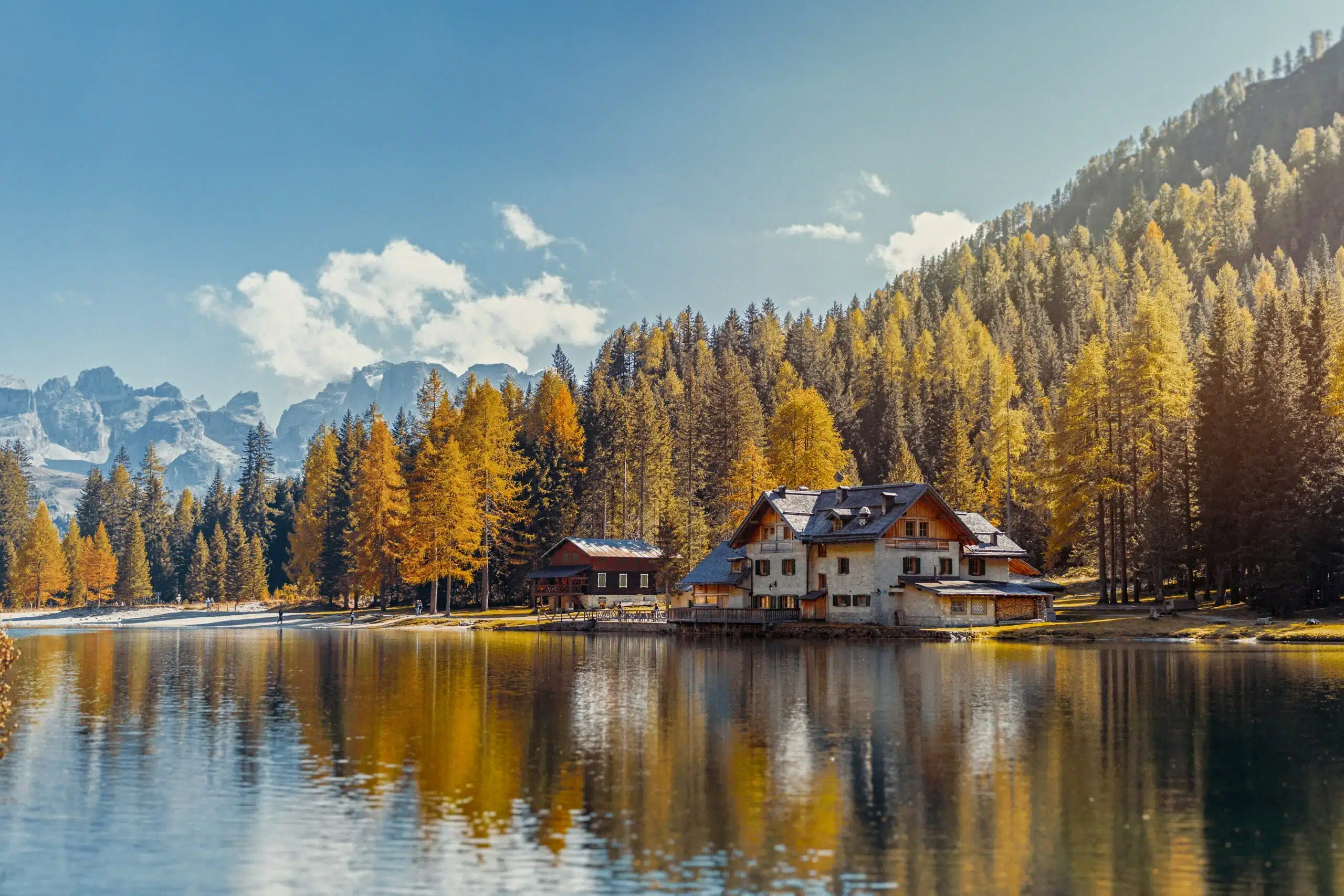
Autumn marks a beautiful transitional phase from summer to winter and is often considered the best time to visit Kashmir for a peaceful and crowd-free trip. Though short-lived, this golden season offers a unique charm that many travellers prefer over peak summer months.
The autumn season in Kashmir spans from October to November. During this time, the weather gradually turns crisp and cool, and the landscape undergoes a striking transformation. The valley gets covered with shades of gold and brown as chinar leaves fall, creating a magical atmosphere. Autumn in Kashmir looks exceptionally scenic, with tree-lined roads and gardens glowing in warm golden hues.
Occasional showers are experienced towards the end of August, but as autumn progresses, rainfall significantly reduces. By late November, snowfall begins in higher-altitude regions, mountain passes, and glaciers, signalling the arrival of winter.
Autumn is also the harvest season in Kashmir. Locally cultivated crops reach maturity, and orchards are filled with fresh produce. Fruits such as apples and walnuts are hand-picked during this period. Visitors can explore orchards, taste freshly harvested fruits, and take authentic Kashmiri produce back home.
As the peak tourist season comes to an end, Kashmir in autumn attracts nature lovers, photographers, and travellers seeking tranquillity. Popular tourist attractions remain largely uncrowded, allowing relaxed sightseeing. The off-season advantage also brings attractive discounts on hotels and transportation, making it a budget-friendly time to visit.
Weather and Temperature:
Autumn temperatures in Kashmir generally range between 10°C and 25°C during the day. Nights tend to be colder, but the weather remains comfortable and tolerable. Bright sunshine dominates most days, creating pleasant conditions for outdoor exploration and sightseeing.
Activities to Do:
One of the most memorable experiences in autumn is visiting Kashmir’s orchards. Enjoy apple picking and tasting fresh produce in orchards near Sopore and Pulwama. Pampore’s saffron fields glow in rich golden tones, offering a visual treat and insight into one of Kashmir’s most prized harvests.
Autumn also brings cultural vibrancy to the valley. Travellers can attend local fairs and festivals, experiencing a blend of traditions through celebrations like Eid and the Kashmiri Pandit festival of Navreh. This season offers a perfect balance of natural beauty, cultural richness, and peaceful travel.
Plan the perfect Kashmir itinerary with the right number of days.
03. Kashmir in Winter (December to February)
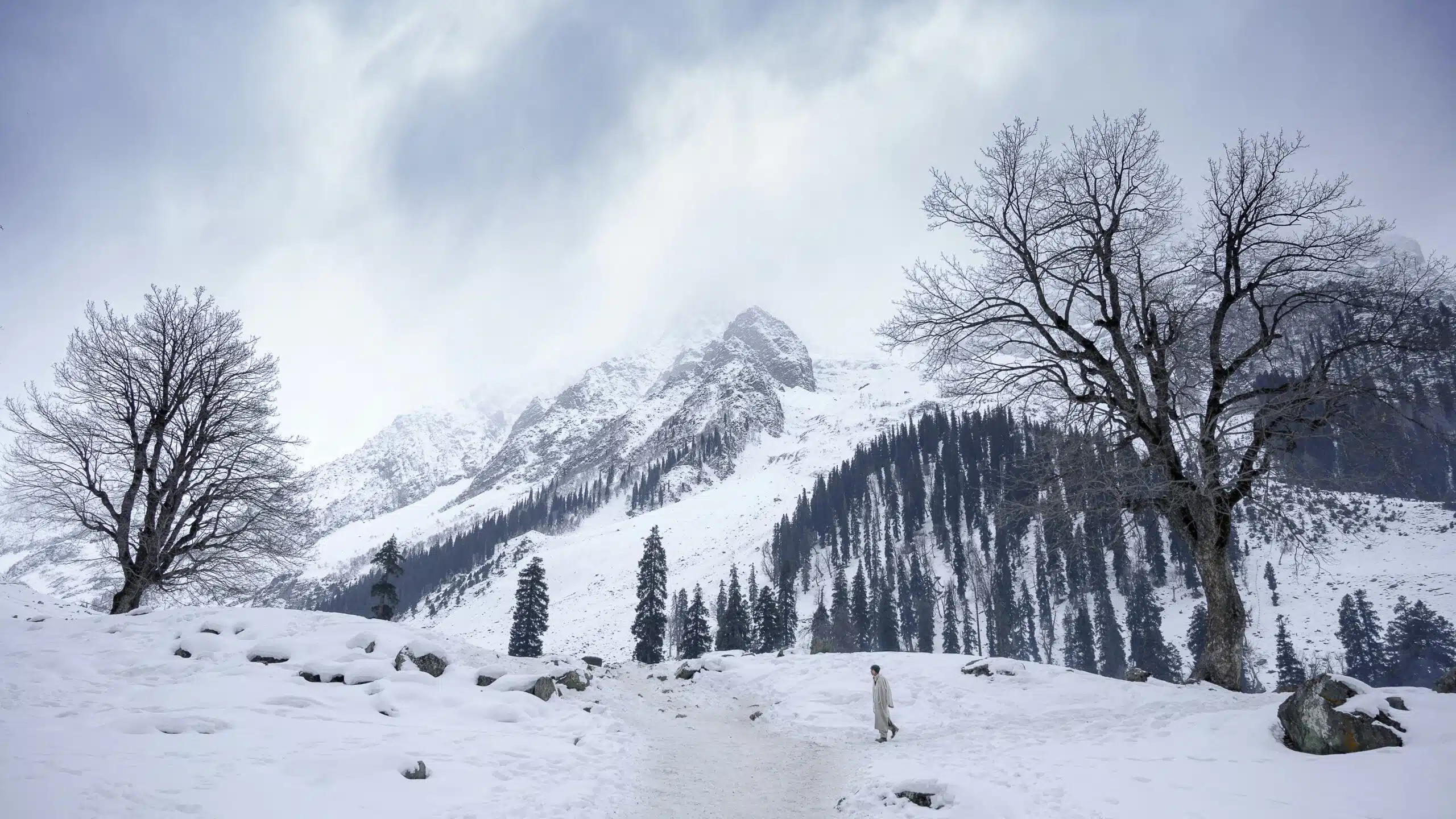
Winter in Kashmir begins in December and lasts till February, transforming the entire valley into a breathtaking snow-covered landscape. During this time, almost every corner of Kashmir, including major towns, receives heavy snowfall. Alpine lakes freeze completely, and several high-altitude trails and mountain passes remain closed due to snow accumulation.
Despite subzero temperatures, winter continues to attract a large number of tourists. Travellers walk through what feels like a real-life winter wonderland, exploring snow-laden streets, frozen lakes, and scenic viewpoints. For many, this season is the best time to visit Kashmir for snowfall and snow-based experiences.
While most tourist attractions remain accessible, Gulmarg should be the top priority on your winter itinerary. Known as the “Heartland of Winter Sports,” Gulmarg offers world-class opportunities for skiing and snowboarding. The famous Gulmarg Gondola, the highest cable car ride in Asia, takes visitors to some of the highest ski slopes in the region. Popular slopes include Apharwat, Kongdoori, and Mary’s Shoulder, suitable for both beginners and experienced skiers.
Weather and Temperature:
Temperatures in Kashmir during winter typically range from 10°C during the day to around -2°C. January is the coldest month, with night temperatures dropping as low as -15°C. Days remain cold and frosty, accompanied by chilly winds and frequent live snowfall, adding to the magical winter atmosphere.
Activities to Do:
Winter is undoubtedly the best time to visit Kashmir for snow adventures. Popular activities include skiing, snowboarding, sledging, snowmobiling, and snow trekking. Skiing destinations like Gulmarg and Sonmarg offer affordable equipment rentals and week-long training courses for beginners. Experienced skiers can explore advanced options such as heli-skiing and backcountry skiing.
During peak winter, when Dal Lake freezes, visitors may even witness the rare and unique sight of winter Shikara rides on partially frozen waters, an unforgettable experience found only in Kashmir.
Food plays a major role in enhancing the winter experience. Indulge in traditional Kashmiri cuisine such as Wazwan, a rich multi-course feast, Gushtaba (meatballs in yoghurt gravy), and hot Kahwa tea. These warm delicacies are perfect for starting cold winter mornings in Kashmir.
Tips:
Winter is the peak season in Gulmarg, so hotel and transportation bookings should be done well in advance. Always confirm heating arrangements at your accommodation, as heaters are essential during extreme cold. Pack thick thermals, windproof jackets, gloves, beanies, warm socks, and insulated boots. Staying hydrated by drinking warm water is equally important.
It is advisable to hire a local driver experienced in driving on icy and snow-covered roads. Ensure that vehicles are equipped with snow chains for safe travel during winter conditions.
Explore Kashmir in July for pleasant summer weather.
04. Kashmir in Spring (March to May)
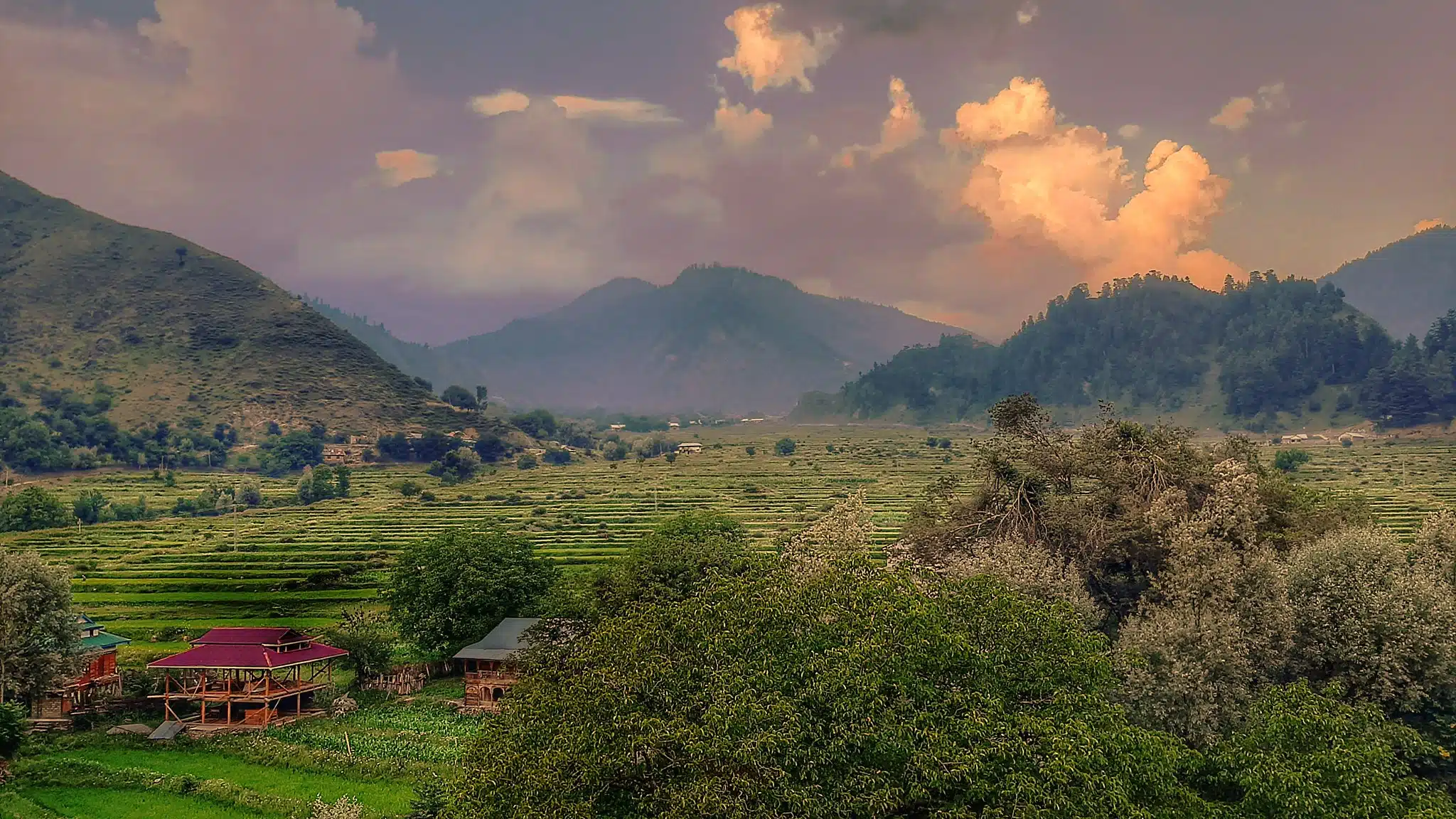
As winter comes to an end, Kashmir slowly transitions into its most refreshing and colourful season, spring. Beginning in March and lasting until the first week of May, spring marks the revival of the valley after months of snow and extreme cold.
Following the harsh weather of January and February, spring brings a gentle and pleasant climate. While higher-altitude regions may still receive light snowfall, its intensity reduces significantly, making travel easier and more comfortable. The melting snow feeds rivers and lakes, adding to the scenic charm of the region.
During this time, the valley bursts into life with vibrant flowers blooming across gardens, orchards, and meadows. Apple and cherry blossoms fill the orchards with soft hues, while the famous Mughal Gardens regain their timeless beauty with lush greenery and colourful flower beds. The panoramic landscapes during spring are truly a visual delight.
Several popular tourist attractions such as Shalimar Garden, Betaab Valley, and Thajiwas Glacier reopen for visitors. Frozen lakes begin to melt, allowing water-based activities to resume. This season is considered one of the best times to visit Kashmir for sightseeing and nature lovers.
A spring trip to Kashmir remains incomplete without visiting the Indira Gandhi Memorial Tulip Garden in Srinagar. The Tulip Festival is celebrated during this season, showcasing millions of tulips in a wide range of colours. Other beautiful gardens to explore include Badamwari Garden, Nishat Bagh, and Shalimar Bagh.
Spring is truly one of the best times to visit Kashmir, as the valley regains its charm and energy after winter, offering pleasant weather, fewer crowds, and breathtaking natural beauty.
Weather and Temperature:
During spring, temperatures in Kashmir generally range between 9°C and 15°C in the evenings and may go up to 20°C during the daytime. Although days are mostly clear and comfortable, nights remain chilly, making light woollens essential.
Activities to Do:
Enjoy a peaceful Shikara ride on the iconic Dal Lake, surrounded by Chinar trees and mountain views. Spending a night on a traditional houseboat offers a unique and memorable experience. Visitors can also take a serene ferry ride on Nigeen Lake. Other popular activities include photography, bird watching, garden walks, and relaxed sightseeing across the valley.
Tips:
Spring weather can still be unpredictable, so pack adequate layers including thermals, jackets, and gloves. Booking accommodation and transport in advance can help secure better prices, especially during the Tulip Festival period.
Best Time to Attend Special Events
01. Best Time to Visit Kashmir for Snowfall

If the breathtaking visuals of Kashmir shown in movies inspire you to visit this heavenly destination, winter is the ideal season to plan your trip. During winters, Kashmir turns into an ethereal paradise as the entire valley gets covered in pristine white snow. The winter season in Kashmir usually begins in November and lasts till mid-March. In some higher-altitude regions, snowfall may extend till the end of March or even early April.
During winter, the temperature in Kashmir drops below zero degrees Celsius, leading to freezing conditions across the region. Lakes freeze completely, mountain peaks are layered with thick snow, and the surroundings appear calm, peaceful, and surreal. Despite the extreme cold, a vibrant atmosphere can be witnessed in places popular for winter sports. Destinations such as Gulmarg, Pahalgam, and Sonmarg remain lively as tourists flock here to experience heavy snowfall and indulge in winter adventures. This makes winter the best time to visit Kashmir for snowfall.
For couples on a romantic vacation, witnessing snowfall in Kashmir can be a magical experience. Playing in the snow, making snowmen, enjoying snowball fights, and walking through snow-covered landscapes bring out the inner child and help create unforgettable memories together.
Apart from snowfall and winter sports, Kashmir’s winter cuisine is another highlight of the season. Relishing traditional delicacies and warming up with local dishes and hot beverages adds comfort and richness to the overall winter travel experience in the valley.
Overview: Visiting Kashmir in Winter
- Best months for snowfall: December to February
- Ideal for: Snow lovers, honeymooners, adventure seekers
- Top winter destinations: Gulmarg, Pahalgam, Sonmarg, Srinagar
- Popular experiences: Skiing, snowboarding, sledging, winter photography, tasting traditional Kashmiri winter cuisine
02. Best Time to Visit Kashmir for Honeymoon
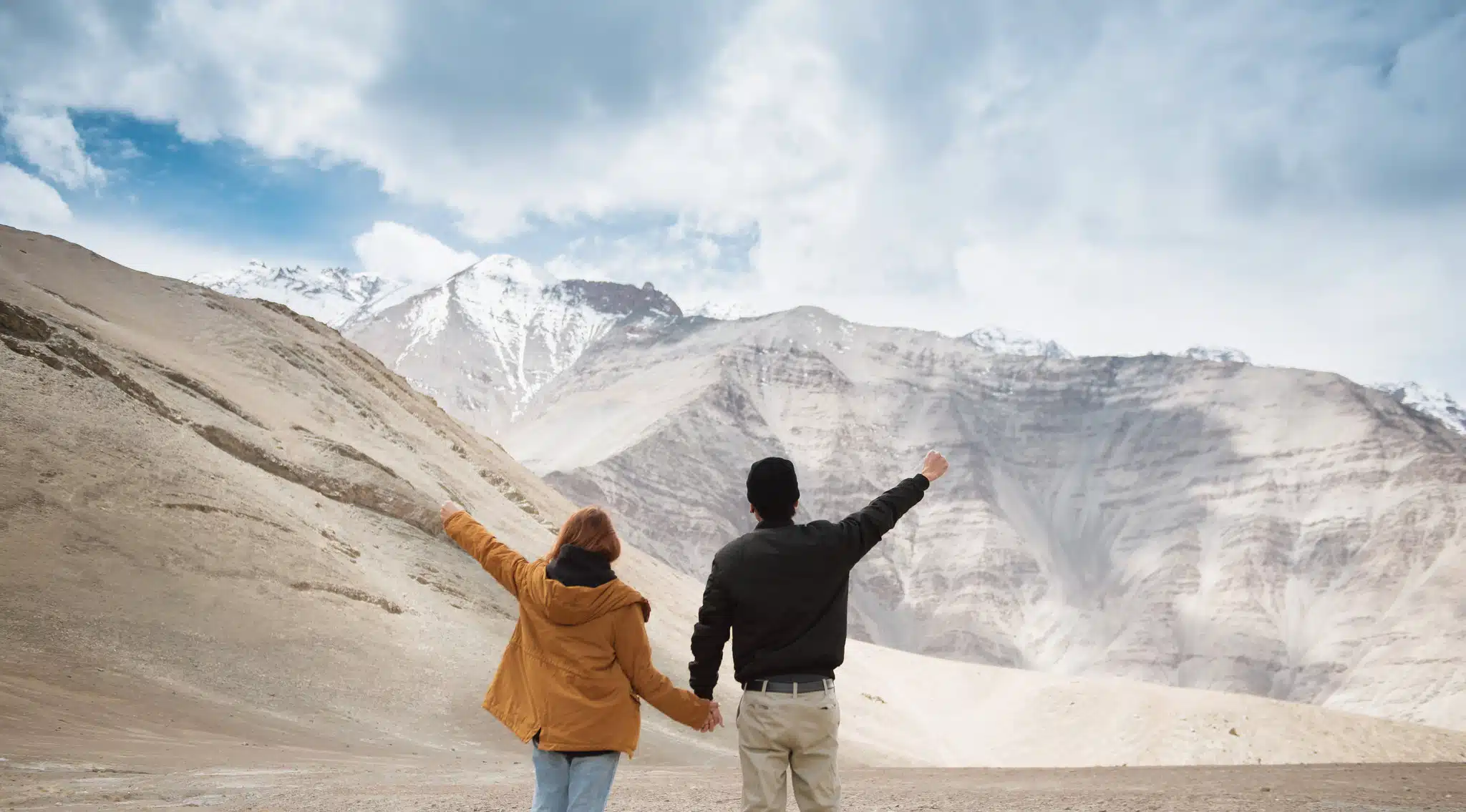
Kashmir has carved a special place for itself as one of the most romantic destinations in India. Newlywed couples often prefer mountainous regions for their honeymoon, and among all such destinations, a Kashmir honeymoon package remains a top choice. The best season to visit Kashmir for a honeymoon is generally the summer season, when the valley is at its most vibrant and accessible.
During summer, Kashmir’s eternal beauty is at its peak. Blooming flowers, lush green meadows, and clear skies create the perfect romantic setting for couples. The valley is adorned with exquisite Mughal gardens such as Nishat Bagh, Shalimar Bagh, and the Indira Gandhi Memorial Tulip Garden. An evening walk through these gardens, surrounded by colorful blossoms and mountain views, adds a magical charm to your honeymoon experience.
A Shikara ride on Dal Lake or a peaceful houseboat stay is another intimate way for couples to spend quality time together. Waking up to serene lake views, floating gardens, and distant snow-clad peaks makes these experiences truly unforgettable. These activities are best enjoyed during summer, as the lakes remain frozen during peak winter months.
For couples who enjoy adventure and fitness, trekking in Kashmir offers a unique way to bond. Trekking trails lead through quiet valleys, alpine meadows, and panoramic viewpoints, allowing couples to enjoy privacy while soaking in the natural beauty of the region.
While summer is ideal for classic honeymoon experiences, winter also holds a special charm. The snow-covered landscapes, cozy stays, and peaceful surroundings during winter create a dreamy and intimate atmosphere for couples seeking a quiet and romantic escape.
Overview: Best Time to Visit Kashmir for Honeymoon
- Best season: Summer (May to September)
- Best months for romance: May, June, July
- Ideal for: Newlyweds, couples seeking nature and serenity
- Top honeymoon experiences: Shikara rides, houseboat stays, Mughal gardens, trekking, scenic walks
03. Best Time to Visit Kashmir with Family

A family vacation becomes memorable regardless of the season, but choosing the right time is important so that the weather suits everyone in the group. Considering comfort, accessibility, and activities for all age groups, summer is the best time to visit Kashmir with family.
During the summer season, schools and colleges are on vacation, making it an ideal period to plan a family trip to Kashmir. The weather remains pleasant, neither too cold nor too hot, allowing families to explore the valley comfortably without facing extreme climatic conditions.
Summer in Kashmir is the peak tourist season, with families flocking to the region to explore popular destinations such as Srinagar, Gulmarg, Sonmarg, and Yusmarg. These places offer a mix of sightseeing and leisure activities suitable for children, adults, and senior citizens alike. Families can enjoy Gondola cable car rides in Gulmarg, river rafting, photography, riverside walks, outdoor camping, fishing, and nature strolls, all of which add fun and togetherness to the trip.
Another important highlight of visiting Kashmir with family during summer is the opening of the Amarnath Yatra route, which usually takes place between May and August. Families seeking a spiritual experience can plan their trip around this time and combine sightseeing with pilgrimage.
While summer remains the most preferred season, other seasons also have their own charm. Spring (March and April) brings blooming flowers and fresh landscapes, autumn offers a peaceful atmosphere with golden hues, and winter presents majestic snow-covered views for families looking for a unique experience.
Overview: Best Time to Visit Kashmir with Family
- Best season: Summer (May to August)
- Ideal weather: Pleasant and comfortable for all age groups
- Best places to visit: Srinagar, Gulmarg, Sonmarg, Yusmarg
Family-friendly activities: Gondola rides, sightseeing, river rafting, camping, photography, spiritual tours
Explore adventure activities in Gulmarg in summer.
04. Best Time to Visit for Tulip Season in Kashmir
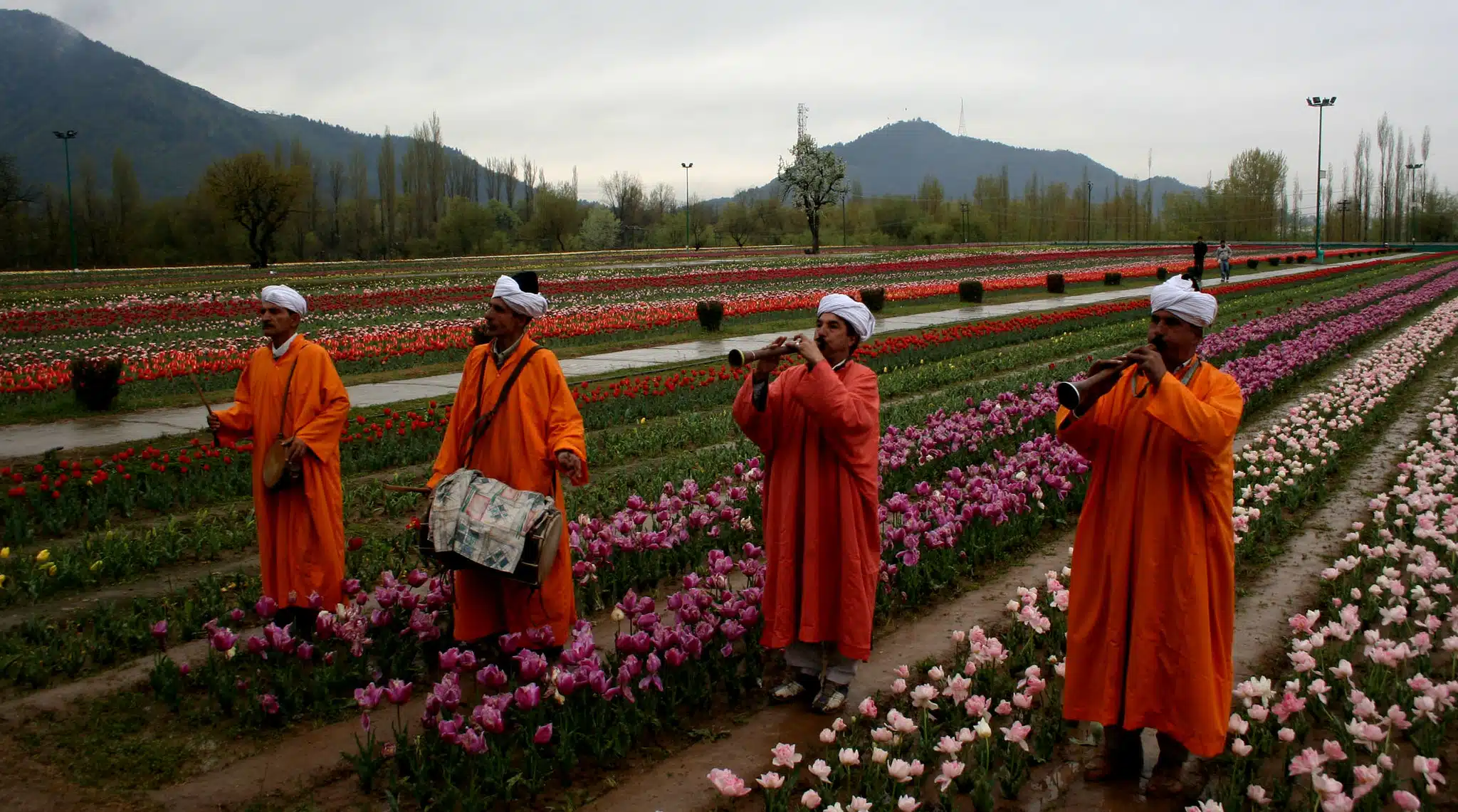
Who doesn’t love the sight of blooming flowers? Vibrant and colourful blossoms have a soothing effect on the mind and soul, and spring in Kashmir is the most visually enchanting season. The months of March and April transform the valley into a floral paradise, with gardens and landscapes coming alive after winter.
The biggest highlight of spring is the Indira Gandhi Memorial Tulip Garden in Srinagar, the summer capital of Jammu and Kashmir. This iconic garden is the largest tulip garden in Asia and becomes the centre of attraction during the tulip season. Spread across the foothills of the Zabarwan Range, it offers a breathtaking view of Dal Lake in the backdrop, enhancing the overall charm of the region.
The garden is home to over 1.5 million tulips of numerous varieties and colours, including red, yellow, pink, white, purple, and striped blooms. The tulips begin to bloom in late March, but they reach their full glory from the first week of April to the third week of April, making this period the absolute best time to witness the tulip season in Kashmir.
Tourists from across India and abroad visit Srinagar specifically during this time to experience the beauty of the tulips. The garden remains open only during March and April and is closed for the rest of the year to preserve the floral beds.
Adding to the experience is the annual Tulip Festival, organised every year in April. The festival celebrates Kashmir’s floriculture and tourism, showcasing cultural performances, local handicrafts, and traditional Kashmiri cuisine. With blooming tulips, pleasant spring weather, and scenic surroundings, the tulip season elevates the beauty of Kashmir to an unmatched level.
Overview: Best Time to Visit Kashmir for Tulip Season
- Best months: Late March to April
- Peak bloom period: First to third week of April
- Main attraction: Indira Gandhi Memorial Tulip Garden, Srinagar
- Highlight event: Annual Tulip Festival
- Best experience: Tulips in full bloom with Dal Lake and Zabarwan Range views
05. Best Time To Visit Kashmir For Specific Interests

Kashmir is blessed with rich Himalayan flora and fauna, making it a paradise for nature lovers. From dense forests and alpine meadows to serene lakes and wetlands, the valley offers diverse ecosystems throughout the year. While nature enthusiasts visit Kashmir in all seasons, summer is the best time to visit Kashmir for nature walks and wildlife exploration.
During summer, the forests are lush, trails are accessible, and migratory birds can be spotted across different regions. Dachigam National Park is the best place in Kashmir for nature enthusiasts. Located near Srinagar, it is home to Hangul deer, Himalayan black bears, leopards, and a wide variety of bird species. Visitors can enjoy peaceful walks, birdwatching, and scenic views surrounded by untouched natural beauty.
Adventure Seekers
The best time to visit Kashmir for adventure activities depends entirely on the kind of adventure you are looking for.
For snow-based adventures like skiing in Gulmarg, snowboarding, ice skating, snowmobiling, and sledging, the ideal time is from December to February, when the valley receives heavy snowfall. Gulmarg is one of Asia’s top skiing destinations and offers world-class slopes for both beginners and professionals.
For trekking, mountaineering, river rafting, camping, and other water sports, summer is the best season to visit Kashmir. From June to September, trails are open, rivers flow steadily, and alpine regions like Sonmarg and Pahalgam become accessible. Summer allows adventure seekers to experience the raw and rugged landscapes of Kashmir safely.
Cultural Enthusiasts
Kashmir is an ancient land with a deep-rooted cultural heritage reflected in its architecture, crafts, cuisine, and traditions. It attracts travelers interested in history, art, and local lifestyles. The best time to visit Kashmir for cultural exploration is during summer and autumn, when weather conditions are ideal for walking tours and sightseeing.
One of the best ways to experience Kashmiri culture is by going on a Srinagar Heritage Walk. This walk takes you through the old city of Srinagar, ancient bazaars, historic mosques, wooden houses with traditional architecture, and vibrant local markets. Cultural enthusiasts can also explore the Wazwan cuisine, which showcases Kashmir’s rich culinary legacy passed down through generations.
Best Time To Visit Kashmir for Specific Interests
Tips for Skiing in Gulmarg
If skiing is the primary reason for visiting Kashmir, Gulmarg is the top destination. The best time for skiing in Gulmarg is from late December to early March, when the region receives heavy snowfall. January and February are ideal months as snow quality is at its best and ski lifts operate regularly, subject to weather conditions. Beginners can opt for ski lessons available on-site, while advanced skiers can explore off-piste terrain.
Nature Enthusiasts
Kashmir is blessed with rich Himalayan flora and fauna, making it a paradise for nature lovers. While Kashmir can be visited throughout the year, summer (May to September) is the best time for nature walks, birdwatching, and wildlife sightings. Dachigam National Park is one of the best places for spotting native and migratory species. The pleasant weather and lush greenery make summer perfect for exploring meadows, valleys, and forests.
Srinagar in May offers pleasant weather and scenic beauty.
Adventure Seekers
The best time to visit Kashmir for adventure activities depends on the type of adventure you are interested in.
- Winter Adventures (December to February): Ideal for snowboarding, skiing in Gulmarg, snowmobiling, and ice skating.
- Summer Adventures (May to September): Best for trekking, mountaineering, camping, river rafting, and other outdoor adventure activities, as mountain passes and remote regions remain accessible.
Cultural Enthusiasts
Kashmir has a deep-rooted cultural heritage reflected in its architecture, handicrafts, and cuisine. The best way to experience this is through the Srinagar Heritage Walk, which takes you through the old city, traditional markets, historic mosques, and ancient buildings. Visitors can also explore local bazaars and enjoy authentic Wazwan cuisine. Spring and autumn are the best seasons for cultural exploration due to comfortable weather and fewer travel disruptions.
Get in touch
Considerations for Choosing the Right Time to Visit Kashmir
Weather Preferences
Kashmir experiences four distinct seasons, and choosing the right time depends on personal weather preferences.
- Winter (December to February): Extremely cold with temperatures dropping to -10°C or lower, ideal for snow lovers.
- Spring (March to April): Pleasant weather with blooming flowers and mild temperatures.
- Summer (May to September): Warm days with temperatures reaching up to 32°C, perfect for sightseeing and outdoor activities.
- Autumn (October to November): Known for golden landscapes and crisp air, ideal for photography and peaceful travel.
Activities & Interests
- Choose winter for snow-based activities like skiing and snowboarding.
- Choose summer for trekking, mountaineering, and water sports.
- Spring is ideal for sightseeing, gardens, and festivals.
Crowd Levels
Peak tourist season in Kashmir is from March to May and October to November. During these months, hotel prices are higher and advance bookings are necessary. Gulmarg experiences heavy crowds during Christmas and New Year. Travelers seeking peace should consider offbeat destinations or shoulder months.
Budget Considerations
Budget-conscious travelers should avoid peak seasons. Staying in Srinagar instead of Gulmarg during winter and opting for homestays or budget hotels can significantly reduce costs. Shared local cabs are also an economical option for travel within Kashmir.
Special Events & Festivals
- Tulip Festival (March–April): Held at Asia’s largest tulip garden in Srinagar, attracting maximum tourists.
- Christmas & New Year: Peak tourist influx in Gulmarg due to snowfall and winter festivities.
Things to Know Before You Go to Kashmir
- Carry Cash: Internet connectivity may be limited in remote areas, making cash essential.
- Warm Clothes: Even during summer, nights can be cold. Carry jackets, shawls, socks, and mufflers.
- Comfortable Shoes: Essential for walking, sightseeing, and exploring hilly terrain.
- Power Bank: Power cuts are common in remote regions.
- Necessary Documents: Carry valid ID proof such as Aadhaar card or driving license at all times.
Quick Overview: Best Time to Visit Kashmir
- Best time for snowfall & skiing: December to February
- Best time for tulip season: Late March to mid-April
- Best time for sightseeing & gardens: April to June
- Best time for trekking & adventure: May to September
- Best time for autumn colours & photography: October to November
- Best time for budget travel & fewer crowds: Late September and early Marc
Best Time to Visit Kashmir for Adventure Sports
Kashmir is one of India’s top adventure destinations, offering a wide range of activities across different seasons. The best time to visit Kashmir for adventure sports depends on the type of adventure you want to experience.
For snow-based adventures like skiing, snowboarding, snowmobiling, and ice skating, the ideal time is from December to February. During these months, destinations such as Gulmarg and Sonmarg receive heavy snowfall, creating perfect conditions for winter sports. Gulmarg, in particular, is known for its world-class ski slopes and the iconic Gulmarg Gondola.
For summer adventure activities like trekking, camping, river rafting, mountain biking, and mountaineering, the best time to visit Kashmir is from May to September. During this period, the snow melts, trekking trails open up, and rivers flow with ideal intensity for rafting. Popular treks like the Great Lakes Trek, Tarsar Marsar, and Kolahoi Glacier Trek are best attempted in these months.
Overall, adventure seekers should plan their Kashmir trip between May to September for land and water adventures and December to February for snow sports.
Best Time to Visit Kashmir for Nature Photography
Kashmir is a paradise for nature photographers, offering diverse landscapes throughout the year. The best time to visit Kashmir for nature photography depends on the kind of visuals you wish to capture.
- Spring (March to April) is ideal for photographing blooming flowers, tulip fields, orchards, and fresh greenery. This season is particularly famous for floral photography in Srinagar and nearby gardens.
- Summer (May to June) offers clear skies, lush meadows, alpine lakes, and snow-capped peaks in the background. This is the best time to capture Kashmir’s classic landscapes, including Dal Lake, Betaab Valley, and Sonmarg.
- Autumn (October to November) is considered the most visually dramatic season. The Chinar trees turn shades of gold, orange, and red, creating stunning compositions. This is the best time for landscape and foliage photography.
- Winter (December to February) is perfect for capturing snow-covered valleys, frozen lakes, and winter life in Kashmir. Photographers interested in minimalistic, monochrome landscapes will find winter especially rewarding.
Best Time to Visit Kashmir for Cultural Tours
Kashmir has a rich cultural heritage influenced by Persian, Central Asian, and Indian traditions. The best time to visit Kashmir for cultural tours is during seasons when movement is easy and cultural sites are fully accessible.
The ideal period for cultural exploration is April to October, when the weather is pleasant and historical sites remain open. During this time, visitors can explore old Srinagar, Mughal gardens, ancient shrines, wooden mosques, and bustling local markets.
Spring and summer are especially suitable for heritage walks, visiting handicraft markets, and interacting with local artisans involved in carpet weaving, papier-mâché, and walnut wood carving.
Cultural travellers can also plan their visit around local festivals such as the Tulip Festival in April and traditional celebrations in autumn, which offer deeper insights into Kashmiri lifestyle, food, and customs.
Kashmir Offbeat Tours

14D/ 13N
6D/ 5N

16D/ 15N
12D/ 11N
Month-Wise Best Time to Visit Kashmir for Activities
| Month | Best Activities |
|---|---|
|
January |
Skiing, snowboarding, snow photography
|
|
February
|
Snow adventures, winter sightseeing |
|
March |
Spring photography, sightseeing |
|
April |
Tulip Festival, garden visits, cultural tours
|
|
June |
Trekking, camping, photography
|
|
July |
River rafting, nature walks
|
|
August |
Budget travel, lush landscapes
|
|
September |
Photography, relaxed sightseeing
|
|
October
|
Autumn photography, cultural tours
|
|
November |
Quiet travel, early snowfall views
|
|
December |
Snowfall, winter sports, honeymoon trips
|
FAQ's
Which month is best for Kashmir visit?
Kashmir has something unique to offer in every season. While the spring season is all about blooming, the summer season is all about greenery. On the other hand, the autumn season is about pink hues and the winter season is about heavenly views. If there is one season for a recommendation then, it would be the summer season. The summer season is the best season to go to Kashmir as the weather is warm and pleasant during this time.
What is the best time to visit Kashmir for snowfall?
The winter season (December to February) is the best time to visit Kashmir for snowfall. During these months, temperatures drop below zero, and the valley receives heavy snowfall. Popular destinations like Gulmarg, Pahalgam, and Sonmarg become winter wonderlands, attracting tourists for snow views and winter sports such as skiing and snowboarding.
What is the best time to visit Gulmarg?
Gulmarg is a year-round destination, but the best time depends on your interest.
- December to February is ideal for skiing, snowboarding, and snowfall.
- May to June is perfect for sightseeing, meadow walks, and cable car rides amid blooming flowers.
Winter is especially popular due to Gulmarg being India’s premier ski destination.
Which Is the Best Time to Visit Kashmir Overall?
The summer season (May to August) is considered the best overall time to visit Kashmir. With temperatures hovering around 25–28°C, the weather is comfortable, greenery is at its peak, and most tourist attractions are fully accessible. This season is ideal for families, first-time visitors, and sightseeing tours.
Is It Safe to Go to Kashmir Now?
Yes, Kashmir is generally safe for tourists. Tourist areas are well-secured, and crime rates against visitors are low. Thousands of travellers visit Kashmir every year without issues. Staying updated with local advisories and travelling with registered operators ensures a smooth and safe experience.
Is October a Good Time to Visit Kashmir?
Yes, October is a peaceful and scenic time to visit Kashmir. The weather is cool, with temperatures around 15–16°C. Autumn colours begin to dominate the landscape, crowds reduce significantly, and the valley offers excellent opportunities for photography and relaxed sightseeing.
Is There Snow in Kashmir in August?
No, August does not receive snowfall in Kashmir. It is a summer month with lush green meadows, flowing rivers, and blooming landscapes. While snow is absent, August is still a good time for nature lovers and budget travellers.
How Many Days Are Required to Visit Kashmir?
A 7-day Kashmir trip is ideal for exploring major destinations like Srinagar, Gulmarg, Pahalgam, and Sonmarg. Travellers interested in offbeat locations or trekking may require additional days.
Which Is the Off-Season in Kashmir?
July and August are considered shoulder to off-season months due to occasional rainfall. Tourist footfall reduces, prices drop, and the valley becomes quieter. These months suit budget travellers and those seeking fewer crowds.
Is December a Good Time to Visit Kashmir?
Yes, December is a great time for travellers seeking snowfall and winter charm. While temperatures are very cold, destinations like Gulmarg and Pahalgam offer breathtaking snow views and winter sports. Proper winter clothing is essential.
What Is the Best Time for Tulip Season in Kashmir?
The best time to see tulips in Kashmir is from mid-March to mid-April. The Indira Gandhi Memorial Tulip Garden in Srinagar hosts the annual Tulip Festival during this period, making it one of the most beautiful times to visit.
What Is the Best Time to Visit Kashmir with Family?
The summer season (April to June) is ideal for a family trip to Kashmir. The weather is pleasant, travel conditions are comfortable, and attractions are suitable for all age groups.
What Is the Ideal Time to Visit Kashmir for a Honeymoon?
Autumn (September to November) is considered the best time for a honeymoon in Kashmir. The romantic landscape, fewer crowds, and golden hues of the valley create a perfect setting for couples.
Which Month Is Best for a Kashmir Trip?
The best months for a Kashmir trip are April to June. These months offer mild weather, blooming gardens, green valleys, and a wide range of outdoor activities.
Is Kashmir Worth Visiting in April?
Yes, April is one of the best months to visit Kashmir. Spring is at its peak, tulips are in full bloom, and destinations like Srinagar, Gulmarg, and Pahalgam look exceptionally beautiful.
Which Month Is Not Good to Visit Kashmir?
July and August may not be ideal for travellers who dislike rain, as these months experience occasional showers. However, many still prefer this time due to fewer crowds and lush greenery.
Which Is the Golden Season of Kashmir?
Autumn (September to November) is known as the golden season of Kashmir. The Chinar trees turn vibrant shades of orange and gold, making it perfect for sightseeing and photography.
Is December a Good Time to Visit Kashmir?
Yes, December offers a magical winter experience with early snowfall, especially in Gulmarg and Pahalgam. It is ideal for snow lovers before the extreme cold of January begins.
 Call Now
 Chat With Us