
Gurez Valley Tour Packages
Gurez Valley Tour Packages 2026 – Complete Guide to Kashmir’s Best Kept Secret
You have probably seen enough of Dal Lake and Gulmarg. They are beautiful, yes. But if you are the kind of traveler who wants to go somewhere that most people skip, where the air is clean, the villages are quiet, and the views stop you mid-sentence that is Gurez Valley.
Located in the northernmost reaches of Jammu and Kashmir, right along the Line of Control, Gurez Valley is one of the most untouched places left in India. Tourist access was restricted here for decades due to its proximity to the border. It only opened to Indian visitors in 2017. That is not very long ago. And it shows in the cleanest air, the quietest roads, and the most genuine hospitality you will find anywhere in Kashmir.
The valley sits at roughly 8,000 feet above sea level. Gurez is considered the last latitude of India, you cannot travel any further north. The topography changes completely even though it is only six hours from Srinagar. You notice it in the trees especially. Trekkers who know the valley well say it reminds them less of Kashmir and more of Kyrgyzstan or Georgia, so different is the landscape once you cross the Razdan Pass.
At Cliffhangers India, we have been running Gurez Valley tour packages for years. This guide pulls together everything you need to know before you go, including the things most travel articles miss.
Quick Facts Detail Info Distance from Srinagar 120 to 150 km Drive time 4 to 6 hours Best season May to November Package starts at INR 13,000 Altitude Around 8,000 feet Permit needed Only for border villages Opened to tourists 2017 Local tribe Dard-Shina (Shins) Most offbeat Kashmir destinations still see decent foot traffic. Gurez genuinely does not. The valley is only reachable through the Razdan Pass, a high mountain road that closes completely for around six months every winter. That natural barrier keeps Gurez exactly as it should be, untouched, uncrowded, and real. The people here are not Kashmiri in the conventional sense. They belong to the Dard-Shina tribe, one of the oldest ethnic communities in the region, with roots stretching back to ancient Dardistan. The Dard-Shin people are different from Kashmiri-speaking people. They speak Shina, a language that is slowly vanishing. Their styles of dress, traditions, customs, and cultural identity are similar to their kinsmen in Pakistan’s Gilgit-Baltistan region, a testament to historical connections that were severed by the Line of Control. Today, the last major remnants of this unique ethnic group can be found only in Gurez, Tulail and Bagtore areas, coexisting peacefully with the Indian Army stationed here. This is one rare corner of Kashmir where the Indian Army is on genuinely good terms with the local population, always providing assistance with medical and other emergencies, especially in the harsh winter months The Kishanganga river – known as the Neelum River on the Pakistani side, runs through the entire valley along the LOC, dividing India and Pakistan with a ribbon of turquoise water. On a clear day you can see the villages on the other side. In 2024, around 50,000 tourists visited Gurez, driven by the Indian Army, local administration, and J&K Tourism working together to promote the valley. That number sounds large until you realise that Gulmarg gets that many in a single week. It is a place with a story. The best time to visit Gurez Valley depends entirely on what kind of experience you are after. This is the peak season and the most popular time for a Gurez Valley trip. Temperatures stay between 15 and 25 degrees Celsius, days are long and bright, and the meadows fill with wildflowers from late June onward. All Gurez Valley treks operate during this window. River rafting, camping, fishing, and village exploration are all at their best. Light rain in July and August comes and goes quickly. Pack light cottons with a fleece for evenings, the altitude means nights cool down even in peak summer. One thing most travellers do not know: if you are visiting in late May or early June, the Razdan Pass section of the road still has walls of snow on both sides, sometimes up to 15 feet high. The road is open, but the views of driving through that snow corridor are genuinely spectacular. Autumn is honestly the season that most experienced Kashmir travellers choose for Gurez. The crowds thin out completely, the light turns golden, and the leaves across the valley shift through every shade of orange and brown. Temperatures during the day sit between 8 and 20 degrees, comfortable for walking and sightseeing. It is also the off-season, meaning better rates on accommodation. By late November the temperature drops sharply and suddenly. Pack proper warm layers and keep a close eye on forecasts as you approach the end of October. Gurez Valley in winter is a completely different world. The valley goes completely white with fresh sheets of snow during the winter season when the lush green meadows turn into a dazzling winter landscape. The snowy scenery of villages, frozen rivers, and pine forests is an inspiring backdrop. The Razdan Pass closes entirely and the only way in is by helicopter. For those who make the effort, the rewards are real. Winter sports in Gurez Valley including skiing, sledding, snowboarding, and ice fishing are available. Nights can drop to minus fifteen degrees. Pack thermals, heavy woollens, and sleeping gear rated for serious cold. Flowers return and greenery comes back after winter. However, the Razdan Pass usually remains closed through most of March and April. If you are planning a spring visit, always check current road conditions before booking. The valley has far more to explore than most travel articles give it credit for. Most tourists arrive in Dawar and leave from Dawar. The real depth of Gurez lies beyond. The pyramid-shaped peak named after Kashmir’s beloved 16th-century poetess is the iconic image of the entire valley. A natural spring sits at its base, feeding down into the Kishanganga below. The trail to the base passes through open meadows with views back across the valley floor. Even non-trekkers can walk comfortably toward the spring and spend time by the water. It is the kind of place where you sit down for five minutes and look up two hours later. The Kishanganga is the soul of Gurez. Flowing alongside the LOC, it is the venue for white water rafting in Gurez Valley, fishing and angling, riverside walks, and some of the most memorable sunrises you will ever see from the dam built across it. On the Pakistani side it is called the Neelum River and it forms the beautiful Neelum Valley. The fact that you are looking at the same river from two countries, with completely different political realities on either bank, is something that stays with you long after you return home. At 11,670 feet, the Razdan Pass is the only road connecting Gurez to the rest of Kashmir. Driving through it is an experience in itself. Steep hairpin bends, sheer drops, and on a clear day a direct view of Mount Harmukh, also called the Kailash of Kashmir – at 16,870 feet. Razdan Pass was once a crucial segment of the ancient Silk Route and is now the sole road link between Gurez and mainland Kashmir. The pass operates only during summer and early autumn. Most travel articles skip this, but every experienced traveller who has been to Gurez mentions it. Four kilometres short of the Razdan Pass, there is a shrine dedicated to Peer Baba, a revered local saint who came from Pakistan in 1933 and breathed his last near the pass. The shrine is maintained by the Indian Army. Almost all travellers stop here on the way up. The army personnel at the shrine offer tea to visitors. It is a brief stop that most people describe as the most unexpectedly moving part of the entire journey. Khandyal Top is a rewarding hike with the best views in Gurez. It is a flat-topped raised landscape at 6.1 kilometres from Dawar, surrounded by deep gorges and steep pine slopes. From the top you get a panoramic view across the entire valley floor, the river, the villages, the peaks, and on clear days the LOC itself. There is also a mountain lake nearby called Kisar Sar that makes a good extension of the hike for those with the legs for it. This is one of the most underrated stops in the entire valley. The Shina Cultural Centre in Dawar is a museum managed by the Indian Army. It contains artefacts and a film about the history of the Shina and Dard communities of the erstwhile Silk Route. Spending an hour here before heading out to the villages gives everything else you see a completely different level of meaning. The Saturday cultural show is particularly worth timing your visit around. The Cafe Log Hut is run by the Indian Army and serves a variety of meals including Indian, Chinese, and Continental food. It is a popular lunch stop for travellers and has a genuinely good ambiance given its location. Army cafes near military posts across the valley also serve chai, snacks, and simple meals. These are not tourist traps, they are functional rest stops that happen to have extraordinary views from their windows. Dawar is the capital and main base of Gurez Valley. The local market is genuine and small, traditional Gurez handicrafts, fresh produce, and locals going about their daily lives. On the mountain side of Dawar there is a grazing land called Gow Chari where you can see a lush green carpet of pine trees. In the lap of Dawar sits the Shrine of Baba Abdur Razaq, one of the most sacred shrines in the valley. The slow evening walk through Dawar with the peaks lit behind is something most visitors say they did not expect to be so affecting. Sheikh Pora is described as a fairy tale village settled on the banks of a river stream with mountains and forest in the background. It is a model village with traditional Shina architecture, friendly locals, and a setting that genuinely looks like it belongs in a film. A slow walk through the village streets is one of the most pleasant hours you can spend in Gurez. Even within an already offbeat destination, Tulail valley is a step further off the map. This sub-valley has sprawling wild meadows, traditional villages, and a landscape that blends the stark beauty of Ladakh with Kashmir’s lush greenery. It is about 40 kilometres from Dawar and home to excellent trout fisheries. One of the venues for the Gurez Valley Festival biking event. Most visitors wish they had spent more time here. Chakwali Gurez is the last Indian village before the border. This is where the road currently ends and Pakistan-occupied Kashmir begins to your left. The homes here are built from mud and wood in styles that go back centuries. The ancient Silk Route to China once passed directly through here. A permit from local authorities is required to visit. It is worth every bit of effort to arrange it. Dissan is a popular hiking destination nestled above Gow Chari Dawar at an altitude of 700 feet above the valley floor. It is known for its grasslands, wildflowers, snow-clad mountains, and pine forests, and is a good location for a day hike or overnight camping. It is roughly a one-hour trek from Dawar town on the way to Patalwan Medicinal herbs including Gow Zaban and Koh-Momia grow here and are harvested by locals. It is one of the most accessible and undervisited spots in the valley. The trek to Tragbal Lake rewards the effort, still water surrounded by meadows and peaks. Wular Lake, a short distance outside the valley near Bandipora, is one of the largest freshwater lakes in Asia and an excellent birdwatching destination. Both are natural stops on the drive back toward Srinagar. The Gurez Valley trek to the twin Patalwan Lakes is the signature multi-day route. Seven days of moderate to difficult terrain reaching roughly 13,188 feet. The Patalwansar Lakes are glacier-fed and perennial. They are twin lakes but very different from each other in shape and formation, and they remain covered in snow for around eight months of the year. Shorter routes that most travellers do not know about include: All main treks operate during the summer season when routes are clear. Come with proper trekking gear, do not improvise equipment on this one. River rafting in Gurez Valley on the Kishanganga is suitable for beginners with a guide and experienced rafters alike. The white water section offers genuine challenge. Boating is available on calmer stretches. Fishing and angling are popular along the pebbled banks, with brown trout being the primary catch. You need a fishing permit from the J&K Fisheries Department, Cliffhangers India arranges this as part of our packages. Pitching a tent beside the Kishanganga, near Patalwan Lake, or in the meadows around Dissan is one of the defining experiences of any Gurez trip. The skies at night are extraordinary here. Zero light pollution, complete silence, and a canopy of stars that most city dwellers have simply never seen. Pack a sleeping bag rated for cold even in summer, nights at this altitude drop fast after sunset. The Srinagar to Gurez Valley bike trip takes five to seven days with overnight stops at Wular Lake, Athwatoo, and Bandipora. The Razdan Pass section is steep, rough, and one of the most exhilarating stretches of mountain road in northern India. Bikes are available to rent in Srinagar at reasonable daily rates. Always check road conditions and weather before setting off, the pass can be tricky even in good weather. Summer is the perfect time for birdwatching as many migratory birds flock to the valley. The clear blue skies offer stunning views of the surrounding snow-capped mountains. The Himalayan Monal, the state bird of Himachal Pradesh, is frequently spotted here, as are snowcocks, various species of eagles, and rare Himalayan migratory birds that pass through during spring and autumn. In spring and summer the valley wakes up with birdsong. For wildlife photographers, the combination of untouched habitat and low human footfall makes Gurez one of the best spots in northern India. Gurez has diverse fauna and wildlife including the Himalayan brown bear and the snow leopard. Sightings are rare but not unheard of, particularly in the higher meadows above the main valley. The valley is also home to various deer species. Because tourist numbers remain low and the ecosystem is genuinely intact, any wildlife encounter here feels entirely different from a managed reserve. The Gurez Valley Festival, also known as Jashn-e-Gurez, has grown significantly in recent years. The J&K Tourism Department has conducted festivals named Jashn-e-Gurez and Grand Gurez in 2024. A 20-day festival was organised by the Indian Army in collaboration with the District Administration Bandipora, introducing adventure activities for the first time including water sports, zorbing, and ATV riding. Folk songs, traditional dances by school children, river rafting competitions on the Kishanganga, biking events through Tulail Valley, and local craft stalls with authentic handmade goods. The main festival typically falls in July. If your travel dates can align with it, go out of your way to be there. The captivating rhythm of Kashmiri folk music and dance forms like Rouff and Hafiza are part of the living culture of Gurez. These are not staged performances for tourists, they are genuine community celebrations. Ask at your homestay or at the Shina Cultural Centre about any local events happening during your visit. Catching even a small village gathering where these traditions are performed is one of the most memorable things you can do in the valley. Food in Gurez is deeply local and genuinely good. Do not expect restaurant menus full of options. Expect home-cooked meals made from ingredients that were grown or caught nearby. This is our most popular Gurez Valley itinerary and covers the full valley experience at a comfortable pace. Day 1: Srinagar to Dawar Early morning departure from Srinagar no later than 9 AM. The drive covers 120 to 150 kilometres and takes four to six hours. Stop at Wular Lake on the way for a short break. Stop at Peer Baba Shrine before the Razdan Pass and spend fifteen minutes there. Cross the pass and descend into the valley. Check into your hotel or homestay in Dawar. Evening walk through the local market. Dinner and rest. Day 2: Habba Khatoon Peak, Shina Cultural Centre, and Kishanganga Morning visit to the Shina Cultural Centre – spend an hour here before anything else. Trek toward the base of Habba Khatoon Peak and the natural spring. Lunch at Log Hut Cafe. Afternoon walk along the Kishanganga riverbank. Sunset from the dam. Bonfire at camp in the evening. Day 3: Tulail Valley and village exploration Full day in Tulail Valley. Drive through meadows and stop at traditional villages. Visit Sheikh Pora for a village walk. Photography stops throughout. This is the best day for connecting with local families and for wildlife watching in the upper meadows. Day 4: River rafting, Khandyal Top, and Chakwali (permit required) Morning white water rafting on the Kishanganga. Late morning hike to Khandyal Top for panoramic valley views. Afternoon visit to Chakwali Village with the required border area permit, the closest a civilian gets to the LOC. Evening bonfire. Day 5: Dissan hike and return to Srinagar Early morning one-hour hike to Dissan above Dawar, wildflowers, pine forest, and valley views. Return to Dawar for breakfast. Depart for Srinagar. Optional stop at Wular Lake on the way back. Arrive Srinagar by afternoon. We offer two core Gurez Valley tour packages. Both include accommodation, breakfast and dinner, all transfers between Srinagar and Gurez Valley, driver expenses, road tolls, and travel insurance. Package Duration Price Per Person Best For Weekend Escape 3 days / 2 nights INR 13,000 First-time visitors, short trips Complete Gurez 5 days / 4 nights From INR 21,000 Trekking, full valley exploration Lunch, snacks, park entry fees, camera fees, permits for border villages, and GST are not included. Customised Gurez Valley itineraries are available on request for groups, families, honeymooners, and solo travellers. There is no direct public bus service between Srinagar and Gurez Valley. Shared SUVs run from Bandipora to Dawar, but for a comfortable trip with stops at Wular Lake and Peer Baba Shrine, a private cab is the right call. Our rates cover the full day. Vehicle Rate Per Day Sedan INR 10,000 Innova INR 13,000 Innova Crysta INR 17,000 Tempo Traveller (12-seater) INR 20,000 Tempo Traveller (17-seater) INR 22,000 Tempo Traveller (20-seater) INR 23,000 For the stretch from Dawar toward Chakwali and the Tulail Valley, the road beyond Dawar is unpaved and rough. An SUV is recommended for this stretch. You do not need a 4×4, but you do need more ground clearance than a standard sedan. All our vehicles for Gurez packages are selected accordingly. Accommodation in Gurez is simple, comfortable, and characterful. There are no luxury hotels and no international brands. What you have is a small selection of guesthouses and hotels in Dawar, plus the option of staying with a local Dard-Shina family in a genuine homestay. Our honest recommendation is to choose a homestay in Gurez Valley for at least one night. Homestays in Dawar and Shangus villages offer traditional wooden homes, home-cooked Shina meals, and warm hospitality. They often include cultural activities like handloom weaving and folk music sessions. The conversations you have with your hosts are often the part of the trip that stays with you longest. For guests who prefer a private room, hotels in Gurez Valley including Wood Vibes, Sukoon Hotel, D Sheikh, Gurez Nights, and the long-established Kaka Palace Guest House all provide solid, comfortable stays. The original J&K Tourism Dak Bungalow in Dawar is also still operational and worth considering for those who appreciate older character. Cliffhangers India also arranges riverside camping near the Kishanganga for guests who want the full outdoor experience. It is a genuinely excellent location. There is no direct public bus from Srinagar to Gurez. Shared taxis from Bandipora to Dawar are available but stop running after 2 PM, so time your connections carefully if using public transport. Gurez Valley sits in a restricted area near the Line of Control. Here is exactly what you need to know. These are practical things that catch people off guard in Gurez. The local markets in Dawar are small but worth exploring. Everything you find here is locally made. Buying directly from local artisans here directly supports the families and craft traditions that make Gurez the place it is. Unlike in Srinagar’s tourist markets, the person selling you something in Dawar almost certainly made it. Yes, without reservation. Gurez Valley safety is not a concern for visiting tourists. The Indian Army has a strong and visible presence throughout the valley and is actively helpful to visitors. The Dard-Shina community is peaceful and genuinely welcoming. Travellers consistently report it as one of the safest places they have visited in northern India. The practical things to prepare for are logistical rather than safety-related: basic medical facilities, no ATMs, limited mobile connectivity, and road conditions that require a reliable vehicle and driver. Plan for these and the trip itself is straightforward. Get the complete details on: Is Gurez valley safe to visit? Because this valley sees relatively few tourists, it has stayed genuinely pristine. That is exactly why responsible travel matters more here than almost anywhere else in Kashmir. Carry reusable water bottles. Take all your waste back out with you, do not leave anything in the meadows or at campsites. Ask before photographing people, especially in traditional villages. Dress modestly and respect local customs. Support local homestays and artisans over outside operators. Do not disturb wildlife or damage the wildflower meadows that make the valley what it is. There are already early signs of littering in some parts of the valley as tourist numbers slowly grow. The valley’s beauty is not a given, it requires travellers who care enough to protect it. We ask all our guests to travel accordingly.
What Makes Gurez Valley Different from Every Other Kashmir Destination
The History and Legend of Gurez Valley
Best Time to Visit Gurez Valley
Summer – May to September
Autumn – October to November
Winter – December to March
Spring – April
Places to Visit in Gurez Valley
Habba Khatoon Peak and Spring
Kishanganga River
Razdan Pass
Peer Baba Shrine
Khandyal Top
The Shina Cultural Centre, Dawar
Log Hut Cafe (Army Cafe)
Dawar Town
Sheikh Pora Village
Tulail Valley
Chakwali Village
Dissan
Tragbal Lake and Wular Lake
Things to Do in Gurez Valley
Trekking in Gurez Valley
River Rafting and Water Sports
Camping in Gurez Valley
Biking from Srinagar to Gurez Valley
Birdwatching
Wildlife Spotting
Attending the Gurez Valley Festival
Traditional Folk Music and Dance
What to Eat in Gurez Valley
Sample 5-Day Gurez Valley Itinerary
Gurez Valley Tour Package Cost
Srinagar to Gurez Valley Taxi Fare
Where to Stay in Gurez Valleyy
How to Reach Gurez Valley
Permits and Restricted Area Rules
Mobile Connectivity, Electricity, and Medical Facilities
What to Shop for in Gurez Valley
Is Gurez Valley Safe to Visit?
Responsible Travel in Gurez Valley
Read more
Popular Gurez Valley Tours
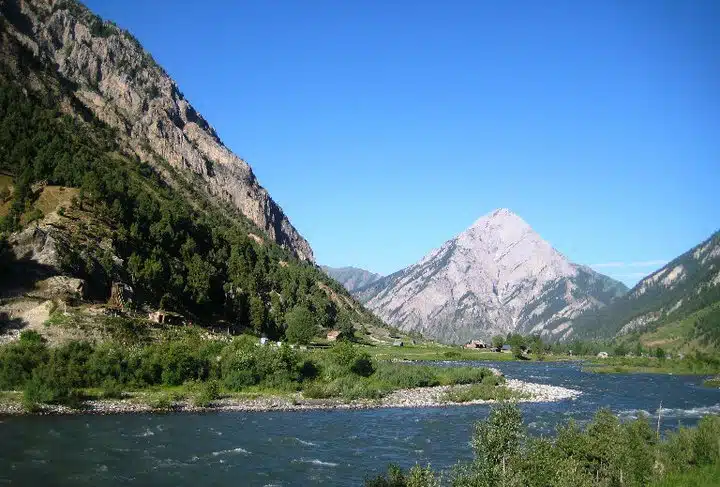

3D/ 2N
All Nights Gurez
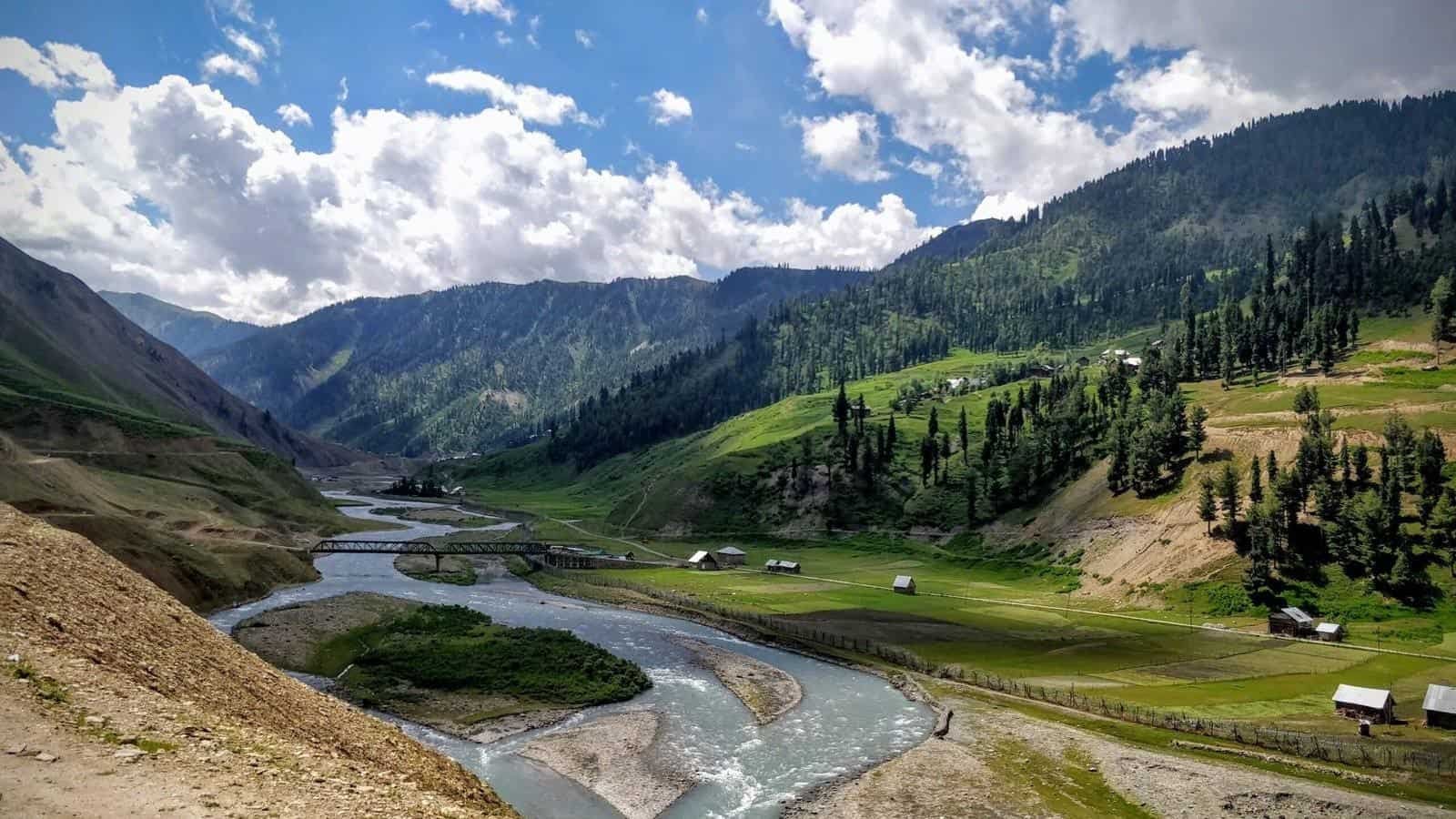
6D/ 5N
2N Srinagar, 2N Gurez, 1N Srinagar

10D/ 9N
2N Srinagar, 2N Gurez, 2N Pahalgam, 1N Gulmarg…
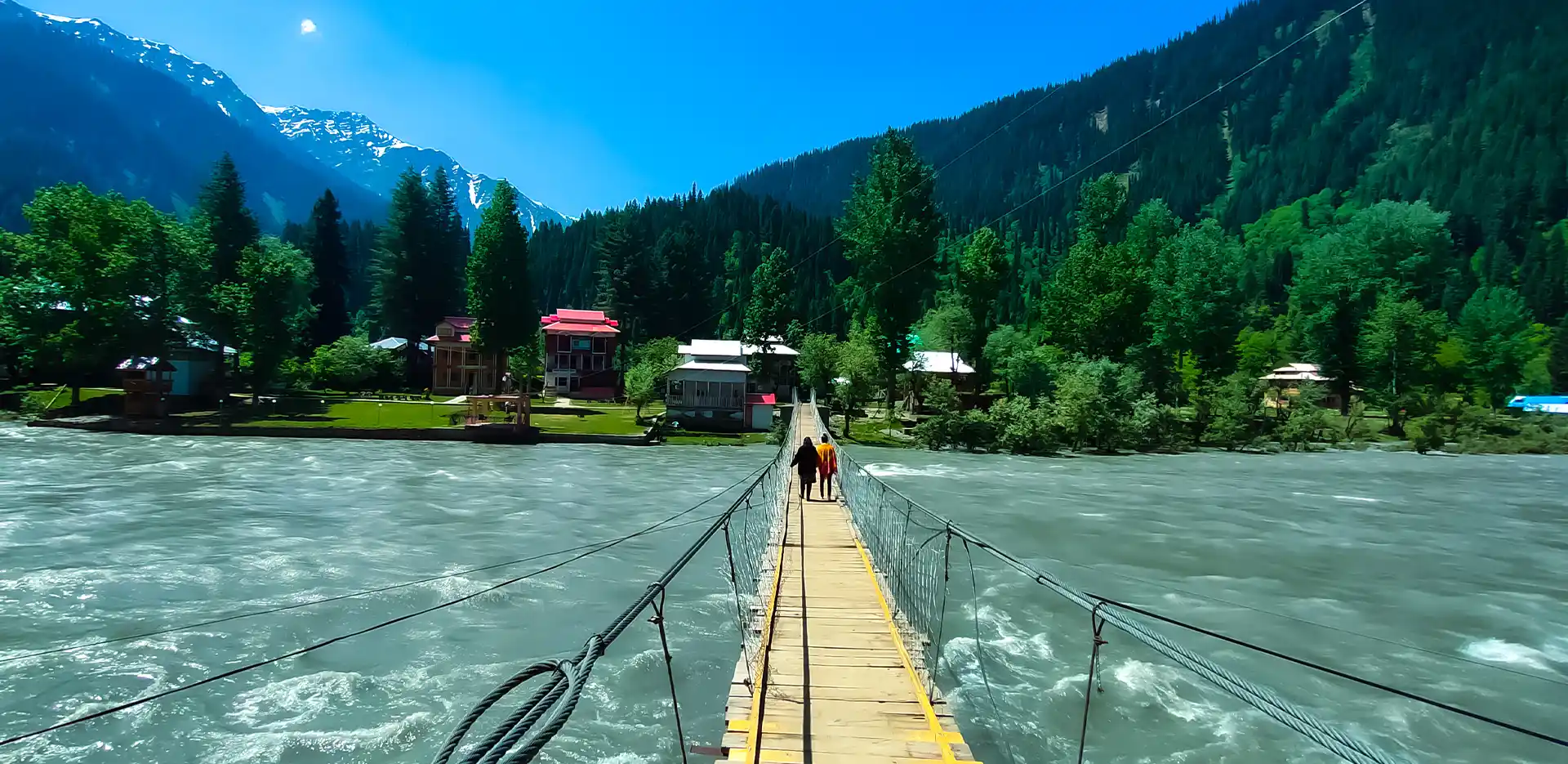
5D/ 4N
2N Gurez, 1N Athwatoo, 1N Wular
Why Book Your Gurez Valley Tour Package with Cliffhangers India
We are a local Kashmir agency with years of on-the-ground experience specifically in Gurez Valley. We know which roads close first in bad weather. We know which homestay families go the extra mile. We know how to handle permit logistics without it eating into your holiday time. We update clients in real time on road conditions, snow forecasts, and permit rule changes.
Every Gurez Valley tour package we offer includes 24/7 on-trip support, a guide with genuine local knowledge, vehicles suited to the terrain, and real-time updates on anything that might affect your journey. We offer everything from sedans to 4x4s to tempo travellers for larger groups, and our customised Kashmir tour packages are built around what you actually want rather than a fixed template.
Gurez Valley rewards people who plan well. We are here to make that planning the easiest part of your trip.
Get in touch with the Cliffhangers India team for current availability, personalised itineraries, and the latest road and permit information for your travel dates.
Kashmir Offbeat Tours

14D/ 13N
2N Warwan, 1N Daksum, 1N Gurez
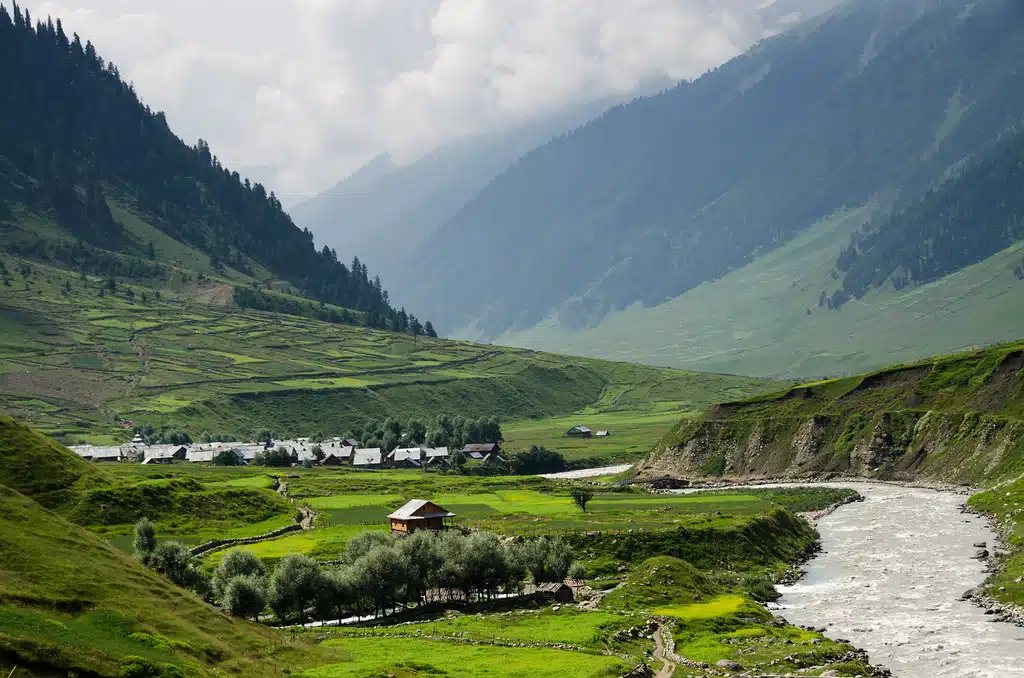
6D/ 5N
2N Daksum, 2N Warwan, 1N Srinagar

16D/ 15N
covers all offbeat places
12D/ 11N
1N Srinagar, 1N Daksum, 1N Yusmarg, 1N Doodhpathri, 1N Bangus, 3N Lolab, 2N Gurez, 1N Srinagar
 Call Now
 Chat With Us
FAQ's
How many days are enough for a Gurez Valley trip?
Three days covers the highlights including Habba Khatoon Peak, Kishanganga, and a village walk in Dawar. Five days is the sweet spot if you want to trek, do river activities, visit Tulail Valley, and explore border villages at a relaxed pace.
Is a permit required to visit Gurez Valley?
Indian nationals do not need a permit for most of the valley. Permits are required only for border villages like Chakwali and Chorwan. These can be obtained from authorities in Bandipora or Srinagar. Cliffhangers India handles this for guests.
Can foreigners visit Gurez Valley?
Foreign tourists are currently not permitted to visit Gurez Valley due to its proximity to the Line of Control. Check the latest government guidelines before planning.
What is the Srinagar to Gurez road condition like?
The Srinagar to Bandipora stretch is flat and well-maintained. Bandipora to Dawar through Razdan Pass is steep, narrow, and winding, but in good condition during summer and autumn. The road beyond Dawar toward Tulail and Chakwali is unpaved and rough – an SUV is recommended for that section specifically.
What language do people speak in Gurez Valley?
The Dard-Shina community speaks Shina as their first language. Kashmiri, Urdu, and some Hindi are also understood in Dawar town. English is limited in villages. Cliffhangers India guides bridge the communication gap throughout your trip.
Is Gurez Valley better than Pahalgam or Sonmarg?
They serve completely different kinds of travellers. Pahalgam and Sonmarg are polished, tourist-friendly, and well-connected. Gurez is raw, remote, and far less crowded. If you want a genuine offbeat Kashmir experience with real local culture and no tourist infrastructure at every corner, Gurez is in a different category entirely.
What should I pack for a Gurez Valley trip?
Light cottons for daytime, a fleece and waterproof jacket for evenings and trekking, sturdy walking shoes, a fully charged power bank, reusable water bottle, personal medication and basic first aid, and cash for the entire stay. Thermals are mandatory in autumn and essential in winter.
Can I do the Srinagar to Gurez drive in a normal car?
Yes, for reaching Dawar. A sedan handles the Srinagar to Dawar route comfortably during summer and autumn. For exploring beyond Dawar toward Chakwali and Tulail, switch to an SUV or hire a local vehicle in Dawar.
What is the Shina Cultural Centre and is it worth visiting?
Yes, absolutely. The Shina Cultural Centre in Dawar is managed by the Indian Army and contains artefacts, photographs, and a documentary film about the Dard-Shina people and the Silk Route heritage of the valley. It takes about an hour and gives every other site in the valley far more meaning. The Saturday cultural show is particularly worth timing your visit around.