
Best Time to Visit Gurez Valley
When to Visit Gurez Valley?
The best time to visit Gurez Valley is between April and June, and then again in September. During these months, you will experience pleasant weather ranging from 10°C to 20°C, with open roads and manageable crowds. The valley remains accessible from May through October, but you should avoid November to March when Razdan Pass closes completely due to heavy snowfall, making the valley inaccessible by road.
Understanding Gurez Valley's Seasons
| Season Type | Months | Weather | Road Status | Why Visit |
|---|---|---|---|---|
| Peak Season | April – June | 10°C to 25°C | Open | Best weather, all activities possible |
| Good Season | September – October | 5°C to 20°C | Open (closes late Oct) | Post-monsoon greenery, autumn colors |
| Monsoon | July – August | 15°C to 30°C | Open but risky | Lush landscapes, fewer crowds, rain |
| Winter Closure | November – March | -20°C to 5°C | Closed | Helicopter access only, deep snow |
Month-by-Month Weather Breakdown: Best Time For Gurez Valley
| Month | Day Temp | Night Temp | Road Status | Weather Condition | Best For |
|---|---|---|---|---|---|
| January | 0°C to 5°C | -10°C to -5°C | Closed | Heavy snow, extreme cold | Helicopter access only |
| February | 0°C to 5°C | -10°C to -5°C | Closed | Deep snow (up to 15 feet) | Winter sports via helicopter |
| March | 5°C to 10°C | -5°C to 0°C | Closed | Snow melting begins | Not recommended |
| April | 10°C to 15°C | 0°C to 5°C | Opening | Road opens late April | Avoiding crowds, spring bloom |
| May | 15°C to 25°C | 5°C to 10°C | Open | Clear skies, pleasant | All outdoor activities |
| June | 20°C to 30°C | 10°C to 15°C | Open | Hot sun, clear weather | Trekking, sightseeing (mornings) |
| July | 20°C to 30°C | 10°C to 15°C | Open | Monsoon begins, rain | Lush greenery, Gurez Festival |
| August | 15°C to 25°C | 10°C to 15°C | Open | Heavy monsoon, landslide risk | Photography (risky) |
| September | 10°C to 20°C | 5°C to 10°C | Open | Post-monsoon, ideal weather | Best overall month |
| October | 5°C to 15°C | 0°C to 5°C | Closing soon | Autumn colors, snowfall risk | Autumn photography |
| November | 0°C to 10°C | -5°C to 0°C | Closed | Razdan Pass snows out | Not accessible |
| December | -5°C to 5°C | -10°C to -5°C | Closed | Valley buried in snow | Not accessible |
Gurez Valley Tours

3D/ 2N
6D/ 5N

10D/ 9N
5D/ 4N
Spring in Gurez Valley (April - May)
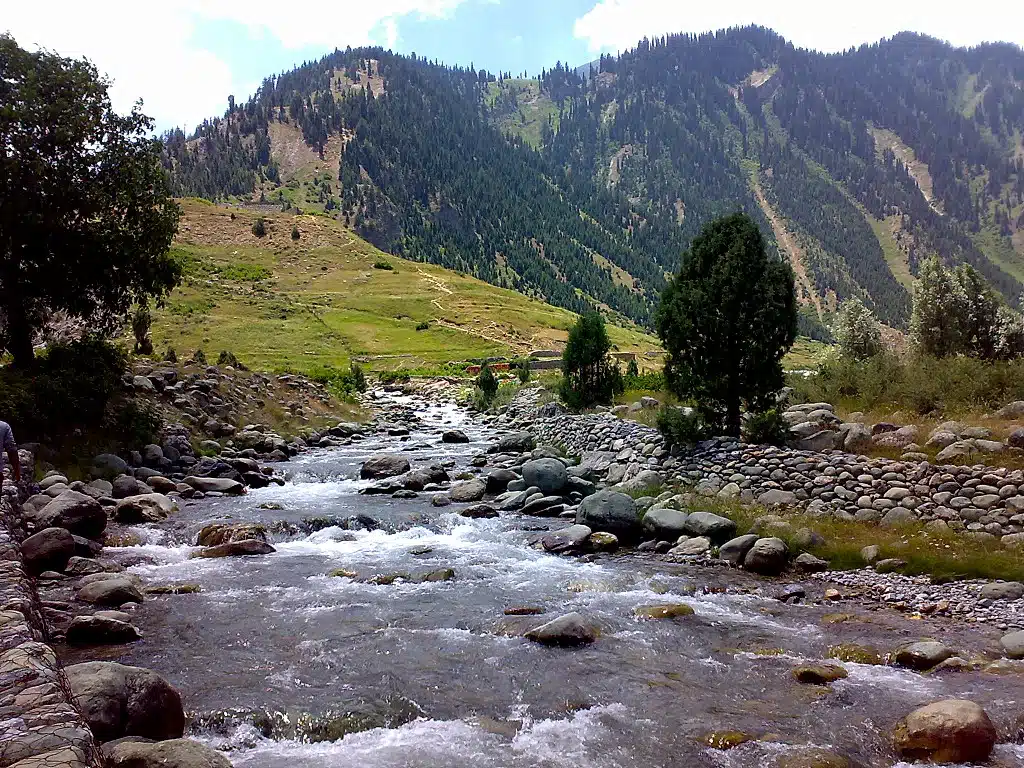
Spring marks the awakening of Gurez Valley after a long, harsh winter. If you’re a first-time visitor wondering when to visit Gurez Valley, spring offers an excellent introduction to this hidden gem.
The Gurez Valley weather in April ranges from 10°C to 15°C as the snow begins to melt and wildflowers start blooming across the meadows. The road through Razdan Pass typically opens in late April, though the exact date varies each year depending on snow clearance operations. This is when you’ll find the valley at its most peaceful, with fewer tourists and a serene atmosphere that lets you truly connect with the landscape.
By May, the Gurez Valley temperature rises to a comfortable 15°C to 25°C, making it the peak of spring season. The meadows turn brilliantly green, and the melting snow from higher altitudes feeds the rushing Kishanganga River. This is perfect weather for sightseeing and trekking, with clear mountain views and fresh, crisp air.
During spring, hotels and homestays reopen for the season after their winter closure. You’ll experience limited crowds compared to the summer rush, giving you more authentic interactions with the local Dard Shina community. The fresh mountain air and unobstructed views of the surrounding peaks make spring one of the best times to visit Gurez Valley for photography enthusiasts.
Pack light woolens, a warm jacket for chilly evenings, and sunglasses for the bright mountain sun. Mornings can be quite cold, but afternoons are pleasantly warm.
Summer in Gurez Valley (June)

When planning when to visit Gurez Valley for adventure activities, June emerges as the ideal month despite some challenges. The Gurez Valley weather in June brings surprisingly warm temperatures ranging from 20°C to 30°C, with the midday sun becoming quite harsh between 11 AM and 4 PM.
This is when all trekking routes become fully accessible, and the Gurez Valley trek season hits full swing. The Kishanganga River flows at ideal levels for rafting, and the long daylight hours give you extended time for exploration. The clear blue skies and excellent visibility make this month perfect for high-altitude adventures and mountain photography.
However, the harsh sun can make daytime sightseeing uncomfortable. Many experienced travelers recommend starting your day early, exploring between 6 AM and 10 AM, then resting during the hot afternoon hours, and resuming activities from 4 PM onwards. This approach lets you enjoy the best of June while avoiding the scorching midday heat.
June also sees an increase in tourist numbers as it’s peak travel season across Kashmir. You’ll need to book accommodation well in advance and expect slightly higher prices than shoulder months. Despite the heat and crowds, June remains one of the best times to visit Gurez Valley if your focus is trekking, adventure sports, and active outdoor exploration.
Pack sunscreen, a wide-brimmed hat, light cotton clothes for daytime, and woolens for cool nights. Sunglasses are essential given the intense mountain sun.
Monsoon in Gurez Valley (July - August)
The monsoon season presents a complex answer to the question of when to visit Gurez Valley. While it’s not the most recommended period for most travelers, it offers unique experiences for those willing to embrace the challenges.
The Gurez Valley weather in July sees temperatures between 20°C and 30°C as the monsoon arrives with moderate to heavy rainfall. Roads turn muddy, and the entire landscape transforms into a lush green paradise. This is when the Gurez Festival typically takes place, showcasing the rich Dard Shina culture through traditional dance, music, and handicraft exhibitions.
By August, the Gurez Valley temperature ranges from 15°C to 25°C, and rainfall reaches its peak. The valley becomes incredibly photogenic with dramatic cloudy landscapes, mist-covered mountains, and vibrant greenery everywhere you look. However, landslide risks increase significantly, and road conditions can deteriorate rapidly after heavy rainfall.
The monsoon brings both beauty and risk. Roads may close temporarily due to landslides, and travel plans can become unpredictable. Helicopter services also operate on a limited schedule due to weather conditions. Despite these challenges, you’ll encounter fewer tourists, and the valley reveals a different character that many photographers find irresistible.
If you decide to visit during monsoon, carry a good quality raincoat, waterproof bags for your electronics, and trekking shoes with excellent grip. Always check weather forecasts before starting your journey and have flexible travel plans that can accommodate unexpected delays.
Autumn in Gurez Valley (September - October)
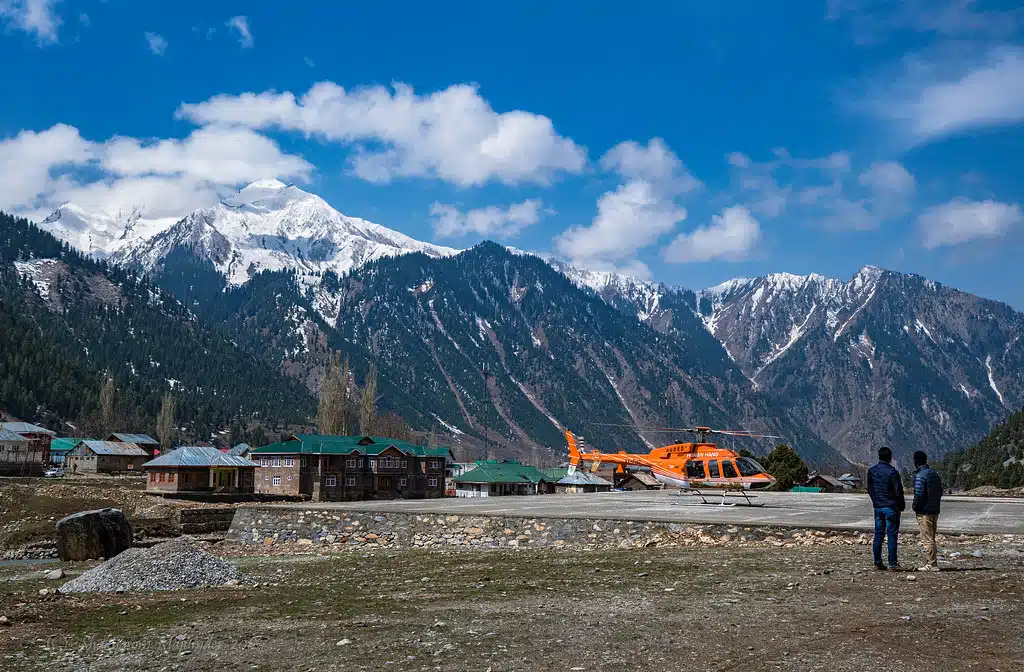
September stands out as the single best time to visit Gurez Valley for most travelers. The Gurez Valley weather in September offers the perfect sweet spot with temperatures ranging from 10°C to 20°C, creating ideal conditions for every type of activity.
The monsoon has departed, leaving behind lush greenery and crystal-clear skies. You’ll experience excellent visibility for mountain views, comfortable temperatures for all-day exploration, and significantly fewer crowds than the summer months. The post-monsoon clarity makes this the best month for photography, with the landscape still retaining its vibrant green color while the air becomes crisp and clean.
September represents the peak of the Gurez Valley trekking season for those who prefer cooler temperatures and stable weather. The Kishanganga River flows gently, perfect for leisurely walks along its banks. Local life returns to normal after the monsoon, and you’ll find all services operating smoothly.
As October arrives, the Gurez Valley temperature drops to 5°C to 15°C, and the valley transforms into a golden wonderland. Autumn colors paint the landscape in shades of orange and gold, creating breathtaking scenery that rivals any mountain destination. However, October comes with a significant caveat: Razdan Pass can receive early snowfall, potentially closing the road without much warning.
If you’re planning to visit in October, aim for the first two weeks of the month. After mid-October, the risk of sudden road closure increases dramatically. Always check the latest weather forecasts, have backup travel plans, and be prepared for the possibility of getting stuck in the valley if unexpected snowfall occurs.
Pack warm layers for September, and add heavier woolens, a good jacket, and gloves if you’re visiting in October. The temperature difference between day and night becomes significant during autumn.
Winter in Gurez Valley (November - March)
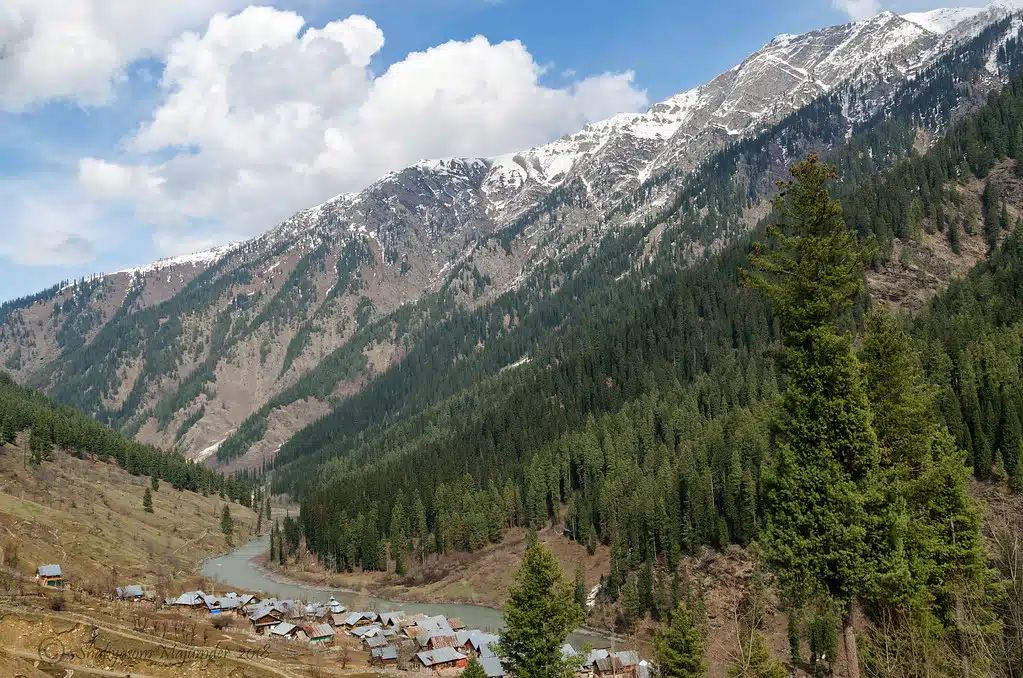
Winter completely transforms access to Gurez Valley. From November through March, Razdan Pass receives heavy snowfall, often accumulating 10 to 15 feet of snow. The pass becomes impassable, and the valley is cut off from road access entirely.
The Gurez Valley temperature in winter plunges dramatically, with daytime temperatures ranging from -5°C to 5°C and nighttime temperatures dropping to -20°C. The entire valley lies buried under a thick blanket of snow, frozen rivers create surreal landscapes, and traditional wooden houses appear as if from a fairytale.
The only way to reach Gurez Valley in winter is by helicopter from Srinagar or Bandipora. These services operate on a limited, weather-dependent schedule and require advance booking through TRC Srinagar or the DC Office in Bandipora. The helicopter journey offers spectacular aerial views of the snow-covered Himalayas, though flights can be cancelled at short notice due to weather conditions.
Most local residents migrate to Srinagar during winter to escape the harsh conditions and find work. This means accommodation options become extremely limited, and many services shut down completely. Only the most adventurous travelers attempt winter visits, typically snow enthusiasts and photographers seeking the unique beauty of a Himalayan winter.
If you’re determined to experience Gurez Valley in winter, understand that you’re choosing an extreme adventure. Carry heavy winter gear, be prepared for basic amenities, and accept that your visit may be cut short if weather conditions deteriorate.
Get in touch
When NOT to Visit Gurez Valley
Understanding the worst times to visit Gurez Valley is as important as knowing the best times. Certain periods present challenges that can significantly diminish your experience or even pose safety risks.
- Late June (last week): Temperatures can reach around 30°C. Midday heat becomes intense, making sightseeing uncomfortable and potentially unsafe. Outdoor plans should be limited to early mornings or late afternoons.
- July to August (monsoon season): High risk of landslides, frequent road closures, and unpredictable travel conditions. Not suitable for families or first-time visitors. Travel can become stressful due to muddy roads and delays.
- Mid-October onwards: Risk of sudden road closures due to early snowfall at Razdan Pass. Possibility of getting stranded. Hotels and services begin shutting down for winter.
November to March (winter): Roads remain closed, temperatures drop extremely low, and tourist services are minimal. Not a practical time to visit unless special arrangements like helicopter access are in place.
Best Time by Traveler Type
- Families with children: April, May, and September offer stable weather, open roads, and comfortable temperatures. Travel remains predictable and stress-free during these months.
- Photographers: September provides clear skies, lush landscapes, and fewer crowds. Early October is suitable for autumn colors but comes with some weather uncertainty.
- Trekkers and adventure seekers: May, June, and July are ideal as trails remain accessible, rivers are suitable for rafting, and longer daylight hours allow more exploration.
- Snow lovers: January and February offer peak winter conditions. Travel requires advance helicopter arrangements and is suitable only for planned expeditions.
- Budget travelers: April, early May, and late September offer lower accommodation costs and fewer tourists, with weather conditions similar to peak season.
- Peace seekers (less crowd): April and late September provide quieter experiences with fewer tourists, better access to trails, and more interaction with locals.
The Gurez Festival
The Gurez Festival typically takes place in July and offers a unique cultural experience despite the monsoon weather. This three-day celebration showcases the rich heritage of the Dard Shina people through traditional dance performances, folk music concerts, local handicraft exhibitions, and adventure sports competitions.
During the festival, the Gurez Valley weather usually ranges from 20°C to 25°C, though you should expect possible rain given the monsoon timing. The festival organizers plan for both indoor and outdoor events to accommodate the unpredictable weather.
Attending the Gurez Festival gives you direct access to authentic Dard Shina culture, opportunities to meet local artisans, chances to witness traditional sports, and meaningful cultural exchange.
Razdan Pass: The Gateway's Opening and Closing
Razdan Pass controls all road access to Gurez Valley, and understanding its schedule is crucial for planning your visit. The pass sits at 3,300 meters elevation and serves as the highest point on the journey from Bandipora to Gurez.
The Razdan Pass opening typically happens in late April or early May, depending on winter snowfall levels and clearance operations conducted by authorities. The exact date varies each year, and you should verify the current status before finalizing travel plans. The J&K administration announces the official opening once the road is deemed safe for civilian traffic.
Similarly, the pass closes in late October or early November when winter snowfall begins. Civilian traffic stops first, followed by complete closure within days or weeks. In years with early snowfall, the pass can close in mid-October, catching unprepared travelers by surprise.
Before planning your trip, check the current road status with the District Commissioner Office in Bandipora, the J&K Tourism Department, or reliable local travel agencies in Srinagar. These sources provide accurate, up-to-date information about Razdan Pass conditions and accessibility.
Essential Travel Information
Gurez Valley Permit Requirements
Indian citizens don’t need a special permit but must carry an original Aadhaar Card. There are multiple Army checkpoints between Srinagar and Gurez where quick registration is required. The process usually takes a few minutes and is often handled by the driver.
Army personnel conduct routine checks due to the valley’s proximity to the Line of Control. Cooperate with the process and avoid photographing checkpoints or military areas.
Foreign nationals currently face restrictions and are generally not allowed beyond Bandipora. It’s best to check the latest regulations before planning.
How to Reach Gurez Valley
Gurez Valley is 123 km from Srinagar and takes around 6 to 8 hours by road. The route goes via Ganderbal, Bandipora, and Razdan Pass. During summer, you can hire a private taxi, take a shared taxi from Bandipora, or drive yourself. An SUV is recommended due to narrow and rough roads.
In winter, road access is closed, and helicopters from Srinagar or Bandipora are the only option. These require advance booking and depend on weather conditions. Road conditions vary through the season, with better conditions in peak summer and deterioration toward early winter.
Get the complete details on: How to Reach Gurez Valley.
Weather-Related Travel Tips
At 2,400 meters, weather can change quickly, and nights remain cold even in summer. Carry woolens regardless of the season. Pack light woolens for spring, cottons with a light jacket for June, rain gear for July and August, and heavier layers from September onward. Due to altitude, stay hydrated, take it easy on the first day, and avoid alcohol initially. Carry medication if prone to altitude sickness.
Practical Considerations
Mobile connectivity is very limited. BSNL works in some areas like Dawar, but coverage is unreliable. Download offline maps and inform someone before traveling.
There are no ATMs in Gurez. The nearest one is in Bandipora, so carry enough cash. Stay options are limited to Dawar, including basic hotels, homestays, and camps. Book in advance during peak months.
Food options are minimal, with a few small restaurants and most meals provided by stays. Carry snacks for the journey. Medical facilities are basic, with a small clinic in Dawar. For serious issues, evacuation to Bandipora or Srinagar is required. Carry essential medicines.
Kashmir Offbeat Tours

14D/ 13N
6D/ 5N

16D/ 15N
12D/ 11N
Frequently Asked Questions
When is the best time to visit Gurez Valley?
The best time to visit Gurez Valley is from April to June and in September. These months offer pleasant weather between 10°C and 20°C, open roads, and the best combination of accessibility and comfortable conditions.
What is the best single month to visit Gurez Valley?
September is the best single month to visit Gurez Valley. You’ll experience post-monsoon clarity, ideal temperatures, lush greenery from recent rains, fewer crowds than summer, and excellent conditions for all activities.
When does Razdan Pass open for the season?
Razdan Pass typically opens in late April or early May each year. The exact date depends on winter snowfall levels and clearance operations, so check with local authorities before planning your trip.
Can I visit Gurez Valley during winter?
Yes, but only by helicopter. Roads close completely from November through March due to heavy snowfall at Razdan Pass. Helicopter service from Srinagar or Bandipora operates when weather permits, but services are limited and unreliable.
Is July a good time to visit Gurez Valley?
July is monsoon season with regular rain, landslide risks, and challenging road conditions. However, the valley is extremely green, the Gurez Festival happens this month, and you’ll encounter fewer tourists. It’s suitable for experienced travelers but not ideal for families or first-timers.
What is the temperature in Gurez Valley during summer?
Summer temperatures from May through June range from 15°C to 30°C during the day. Surprisingly, midday heat can be intense, reaching 30°C in late June. Nights remain cool at 10°C to 15°C even during peak summer.
When does the road to Gurez close?
The road typically closes in late October or early November when Razdan Pass receives significant snowfall. In some years with early winter weather, closure can happen as early as mid-October.
Do I need a special permit for Gurez Valley?
Indian citizens don’t need a special permit but must carry their Aadhaar Card for Army checkpoint registration. Foreign nationals currently face entry restrictions, and most cannot travel beyond Bandipora.
How many days should I spend in Gurez Valley?
Plan for a minimum of two days, though three to four days is ideal. This gives you time to explore Dawar, visit Tulail Valley, see Habba Khatoon Peak, and experience the local culture without rushing.
Is it safe to visit Gurez Valley?
Yes, Gurez Valley is safe for tourists. The heavy Army presence is due to the proximity to the Line of Control, but this actually enhances security. Follow checkpoint instructions, don’t wander into restricted areas, and respect military installations.
What is the worst time to visit Gurez Valley?
November through March is the worst time as roads are completely closed. Late June can be uncomfortably hot, and August brings peak monsoon with significant landslide risks.
Can I visit Gurez in October?
Early October is fine, but after mid-October becomes risky. Snowfall can begin at Razdan Pass without much warning, potentially stranding you in the valley. If you visit in October, go in the first two weeks and have flexible return plans.
What should I pack for a trip to Gurez Valley?
Pack woolens even for summer visits, rain gear regardless of season, sunscreen and sun protection, your Aadhaar Card, sufficient cash, personal medications, a power bank for limited electricity, and sturdy trekking shoes.
Does Gurez Valley get snow in September?
No, September has pleasant autumn weather without snow. Snowfall typically begins in late October at Razdan Pass and reaches the valley floor by December.
How is the weather in Gurez Valley in April?
April marks spring with temperatures from 10°C to 15°C. The road usually opens in late April, wildflowers bloom across meadows, snow melts from lower areas, and you’ll encounter fewer tourists than summer months.