
Best Treks in Kashmir: Short Treks, Alpine Lakes & Great Lakes Trek Guide
Kashmir has remained a go-to destination for trekkers for centuries. From the British era to the present day, trekkers from across the world continue to explore the best treks in Kashmir for their unmatched beauty and diversity. The trekking trails of Kashmir offer a unique experience with alpine lakes, vast rolling meadows, snow-capped peaks, and pleasant mountain weather. Because of this rich landscape and variety, Kashmir is widely regarded as the best trekking destination in India.
What sets trekking in Kashmir apart is the sheer range of experiences available. From beginner-friendly short treks in Kashmir to challenging multi-day expeditions, the valley caters to trekkers of all experience levels. The region is home to over 200 alpine lakes, dramatic mountain passes, and long meadow walks that make every trek visually rewarding. The diversity of terrain found here is unmatched in other parts of Jammu and Kashmir.
Cliffhangers India operates and offers a wide range of treks in Kashmir, with more than 30 trekking routes currently operational. With over a decade of experience in trekking and mountaineering, all major trekking products in the region are covered, including alpine lake treks, glacier traverses, and snow treks. As one of the pioneers in promoting trekking in Jammu and Kashmir, the focus has always been on safety, local expertise, and authentic mountain experiences.
Whether you are looking for short treks, often referred to as day hikes, or longer multi-day adventures, Kashmir offers something for every trekking enthusiast. Popular long treks like the Kashmir Great Lakes Trek attract trekkers during peak months such as August and October, when the alpine lakes are accessible and the landscape changes dramatically with seasonal colors. August offers lush green meadows and clear trails, while the Kashmir Great Lakes Trek in October showcases autumn hues and fewer crowds.
In winter, snow treks dominate the region, drawing adventure seekers who want to experience Kashmir under a thick blanket of snow. Among the winter routes, the Marchoi Trek is considered one of the best snow treks in Kashmir. For trekkers interested in glacier traversal, the Kolahoi Glacier Trek stands out, offering a raw and thrilling experience of walking on ice fields and glacial terrain.
What makes the best treks in Jammu and Kashmir so alluring is the natural setting. The valley is surrounded by towering mountain ranges, remote trails, and untouched landscapes that still retain their raw charm. The combination of scenic beauty, varied difficulty levels, and seasonal trekking options makes Kashmir a true paradise for trekkers.
The trek experts at Cliffhangers India help you choose the best trek in Kashmir based on your fitness level, experience, and preferred season. From short treks and beginner-friendly hikes to iconic alpine lake routes like the Kashmir Great Lakes Trek, guidance is provided at every step to ensure a safe and memorable trekking experience. Get in touch to explore the wide variety of trekking options that suit your preferences and trekking goals.
Popular Treks in Kashmir

Gurez Valley Trek
The Gurez Valley Trek is one of the newest additions to the list of best treks in Kashmir, having opened to trekkers only a few years ago. Located in the remote and offbeat Gurez Valley, this trek is ideal for those looking to explore untouched landscapes away from crowds. It is primarily a lake trek, taking you to the stunning twin alpine lakes Patalwan Sar 1 and Patalwan Sar 2. One of the highlights of this trek is lakeside camping in a high-altitude setting, combined with the experience of trekking along the India–Pakistan border. Due to its unique location, trekkers can even spot villages across the border, making it one of the most distinctive border treks in Jammu and Kashmir.
- Location: Kashmir
- Duration: 6 Days
- Difficulty Level: Easy to Moderate
Best Season: July to September

Tulian Lake Trek
The Tulian Lake Trek is a short yet rewarding trek known for its breathtaking alpine lake, Tulian Lake. Starting from Pahalgam, one of Kashmir’s most popular tourist towns, the trail passes through Baisaran Valley, often referred to as the mini-Switzerland of Kashmir. Despite its shorter duration, the trek offers a rich variety of landscapes including dense forest sections, open meadows, and panoramic views of snow-covered peaks surrounding the lake. This trek is a popular choice among those looking for short treks in Kashmir that still deliver a true high-altitude trekking experience.
- Location: Kashmir
- Duration: 3 Days
- Difficulty Level: Moderate
- Best Season: July to September

Nafran Valley Trek
The Nafran Valley Trek is considered one of the most offbeat treks in Kashmir, perfect for trekkers seeking solitude and pristine natural beauty. This trail remains largely untouched by mass tourism, preserving the cleanliness of its rivers, meadows, and alpine landscapes. Long stretches of green meadows, grazing shepherd flocks, and minimal human interference define this trek. A major highlight is Harnag Lake, an alpine lake nestled deep within the valley. Although the route approaches the Kolahoi Glacier at its far end, the trek itself does not traverse the glacier, keeping the experience adventurous yet balanced.
- Location: Kashmir
- Duration: 7 Days
- Difficulty Level: Moderate to Difficult
- Best Season: July to September

Gangabal Lake Trek
The Gangabal Lake Trek takes trekkers to the sacred Gangabal Lake and its sister lake Nundkol, both located at the base of Mount Harmukh. In addition to these two prominent lakes, the trail offers access to several smaller alpine lakes for those who wish to explore further. Typically completed in four days, this trek provides a perfect balance between adventure and accessibility. One of the most scenic sections of the route passes through the famous Trunkhol Meadows, known for their expansive grasslands and mountain views, making this one of the most scenic moderate treks in Kashmir.
- Location: Kashmir
- Duration: 4 Days
- Difficulty Level: Moderate to Difficult
- Best Season: June to October

Kolahoi Glacier Trek
The Kolahoi Glacier Trek is the most prominent glacier trek in Kashmir, leading to the largest glacier in the valley, Kolahoi Glacier. Situated beneath Kolahoi Peak, the highest peak in Kashmir, this trek offers dramatic mountain scenery throughout. The trail begins from Aru Valley and passes through the picturesque meadows of Lidderwath and Satlanjan. Trekkers walk alongside the Lidder River, which draws part of its flow directly from the Kolahoi Glacier. This trek offers a rare opportunity to experience glacial terrain while still being accessible to trekkers with moderate experience.
- Location: Kashmir
- Duration: 7 Days
- Difficulty Level: Easy to Moderate
- Best Season: July to September

Naranag Mahlish Top Trek
The Naranag Mahlish Top Trek is one of the most scenic high-altitude treks in Kashmir, offering panoramic views of the Harmukh massif and surrounding valleys. Starting from the historic village of Naranag, the trail gradually ascends through dense pine forests and wide alpine meadows. The trek is known for its relatively steady gradient, making it suitable for trekkers who want to experience high-altitude views without extreme technical difficulty. From the Mahlish Top, trekkers are rewarded with sweeping views of snow-covered peaks and deep valleys, making it one of the underrated treks in Kashmir.
- Location: Kashmir
- Duration: 5 Days
- Difficulty Level: Moderate
- Best Season: June to September

Doodhpathri to Tosamaidan Trek
The Doodhpathri to Tosamaidan Trek is a classic meadow trek in the Pir Panjal range of Kashmir, connecting two of the most scenic grasslands in the valley. The trail is dominated by rolling meadows, pine forests, and small alpine streams, making it ideal for trekkers who enjoy long scenic walks rather than steep climbs. This trek is relatively less crowded and offers a peaceful trekking experience with frequent campsite options. Due to its moderate difficulty, it is suitable for trekkers with basic fitness levels and is often preferred by those looking for relaxed treks in Jammu and Kashmir.
- Location: Kashmir
- Duration: 4 Days
- Difficulty Level: Easy to Moderate
- Best Season: June to September

Vishansar–Kishansar Lakes Trek
The Vishansar–Kishansar Lakes Trek is a shorter alpine lake trek and a popular alternative for those who cannot commit to the full Kashmir Great Lakes Trek. Starting from Sonamarg, the trek takes you to the twin alpine lakes Vishansar and Kishansar, known for their crystal-clear waters and surrounding snow-clad peaks. Despite its shorter duration, the trek offers dramatic landscapes, high-altitude camping, and vibrant meadows. This trek is ideal for trekkers looking for short treks in Kashmir that still provide a complete alpine experience.
- Location: Kashmir
- Duration: 4 Days
- Difficulty Level: Moderate
- Best Season: July to September

Bangus Valley Trek
The Bangus Valley Trek is one of the most beautiful and lesser-explored treks in northern Kashmir. Located near the Kupwara region, this trek leads to the vast grasslands of Bangus Valley, surrounded by forested hills and distant mountain ranges. The trek is relatively gentle, with gradual ascents and wide open landscapes, making it suitable for beginners and nature lovers. Due to its remoteness and limited tourist activity, Bangus Valley retains a raw and untouched charm, making it a great option for those seeking offbeat trekking experiences in Kashmir.
- Location: Kashmir
- Duration: 3 Days
- Difficulty Level: Easy to Moderate
- Best Season: June to September
Reasons To Do Kashmir Treks
Long Lush Meadows
One of the strongest reasons to do treks in Kashmir is the presence of long, lush green meadows that stretch endlessly across the valley. The trekking trails here move through vast alpine grasslands that feel untouched and surreal. These meadows often begin just a few kilometers away from the main towns, making them easily accessible yet remarkably pristine. Famous meadows like Tosamaidan are among the largest in Asia, where the landscape opens up as far as the eyes can see. Crystal-clear river streams flow through these rolling meadows, adding to the scenic beauty and making Kashmir one of the best trekking destinations in India.
Alpine Lakes
Trekking in Kashmir feels incomplete without witnessing its legendary alpine lakes. The region is home to more than 100 documented alpine lakes, many of which are connected through well-established trekking routes. What makes Kashmir unique is that alpine lakes are not restricted to only long treks. Even short treks in Kashmir, such as the Margan Valley Trek, offer stunning lake views.
Glacier Walks
Kashmir’s trekking ecosystem is heavily supported by its massive glacier systems, which feed countless rivers and streams. The most prominent among them is the Kolahoi Glacier, the largest glacier in Kashmir. Reaching this glacier requires undertaking the Kolahoi Glacier Trek, which starts from Aru Valley. Cliffhangers India organizes annual trekking batches to this glacier, where trekkers not only reach the glacier point but also experience walking over glacier surfaces.
Other notable glaciers include Thajwas Glacier, accessed through the Bear Valley Trek, and glacier routes connected to Barafsar Lake Trek, offering thrilling high-altitude trekking experiences.
Jungle Walks
Almost all treks in Kashmir involve mesmerizing jungle trails, making forest walks an integral part of the trekking experience. Whether it is the Kashmir Great Lakes Trek, Nafran Valley Trek, or Tarsar Marsar Trek, the trail often passes through dense pine, fir, and birch forests. These shaded jungle sections provide relief during ascents and add a mystical charm to the overall trekking journey.
Wildlife
Kashmir’s forests and high-altitude zones are rich in Himalayan wildlife. While trekking through jungle trails and remote meadows, trekkers may spot rare animals and birds native to the region. Common sightings include Himalayan marmots, golden eagles, and various mountain birds. In deeper forest regions, sightings of leopards, brown bears, and Kashmir stag (Hangul) have also been reported, making trekking in Kashmir a true wilderness experience.
River Streams
One of the most consistent companions on Kashmir treks is the presence of river streams. Many famous trekking routes in Pahalgam and Sonamarg follow the courses of iconic rivers such as the Lidder River and Sindh River. These rivers flow alongside trekking trails, through meadows and valleys, providing scenic resting points and natural water sources. It is rare to trek in Kashmir without a river or stream enhancing the beauty of the trail.
Winter & Summer Kashmir Treks
Kashmir stands out as a trekking destination because it offers year-round trekking opportunities. During winters, snow treks like the Marchoi Valley Trek transform the landscape into a white wonderland, featuring snow trails, frozen gullies, and summit-like experiences. In contrast, summers open up a wide range of iconic treks such as Tarsar Marsar Trek, Kashmir Great Lakes Trek, Warwan Valley Trek, and many more.
Sonamarg and Pahalgam act as major trekking hubs in Kashmir, serving as base camps for several of the best treks in Jammu and Kashmir across different seasons.
Types of Treks in Kashmir (By Experience Level)
Kashmir offers trekking routes for every kind of trekker, from complete beginners to seasoned mountaineers. Understanding the difficulty level before choosing a trek helps travellers plan better, stay safe, and enjoy the experience fully.
Treks for Beginners in Kashmir
Beginners can start trekking in Kashmir without prior high-altitude experience, provided basic fitness is maintained. These treks usually have well-defined trails, moderate altitude gain, and shorter walking hours per day. They pass through scenic meadows, pine forests, and gentle mountain slopes, making them ideal for first-time trekkers.
Popular beginner-friendly treks include Tulian Lake Trek, Marchoi Valley Trek (summer routes), and select short treks around Pahalgam and Sonamarg. These treks allow travellers to experience alpine lakes and mountain views without technical challenges, making them suitable for first-time Himalayan trekkers.
Moderate Treks for First-Time High-Altitude Trekkers
Moderate treks in Kashmir are ideal for trekkers who have basic fitness and want to experience higher altitudes and longer trekking days. These treks involve crossing mountain passes, walking for 5–7 hours daily, and camping in remote valleys.
Treks like Tarsar Marsar, Gangabal Lake Trek, and Nafran Valley Trek fall into this category. These routes are perfect for trekkers attempting their first serious Himalayan trek and looking to explore alpine lakes, glacier-fed rivers, and expansive meadows.
Difficult Treks for Experienced Trekkers
Difficult treks in Kashmir are designed for experienced trekkers who are comfortable with long walking days, steep ascents, high-altitude passes, and unpredictable weather. These treks often cross remote regions and require strong endurance, mental resilience, and prior trekking experience.
Treks such as Warwan Valley Trek, Bodpathri Lakes Trek, and Kashmir Himalayan Traverse are considered among the most challenging in the region. These routes reward trekkers with raw landscapes, minimal human interference, and some of the most dramatic mountain scenery in the Indian Himalayas.
Short Treks / Day Hikes in Kashmir
Short treks in Kashmir are perfect for travellers who want a taste of trekking without committing to multi-day expeditions. These treks usually last from a few hours to a full day and do not require camping.
Day hikes around Srinagar, Pahalgam, and Sonamarg offer forest walks, meadow trails, and lake viewpoints. These are ideal for families, solo travellers, photographers, and those short on time who still want to experience Kashmir’s natural beauty on foot.
Short Treks in Kashmir
Not everyone visiting Kashmir is looking for a long expedition. Short treks in Kashmir are increasingly popular among travellers who prefer flexibility, comfort, and minimal physical strain while still exploring the mountains.
1-Day Treks Near Srinagar
Several short treks can be done as day trips from Srinagar, making them convenient for travellers staying in the city. These treks take you through alpine meadows, dense forests, and gentle mountain trails, offering panoramic views without overnight stays.
Popular 1-day treks near Srinagar are ideal for beginners, families, and travellers with limited time.
2–3 Day Treks from Pahalgam and Sonamarg
Pahalgam and Sonamarg serve as major trekking hubs in Kashmir and offer multiple short treks that can be completed in 2 to 3 days. These treks usually involve camping for one or two nights and allow trekkers to explore alpine lakes, high meadows, and river valleys.
Short treks from these regions are perfect for first-time trekkers who want a slightly immersive experience without committing to longer routes like the Kashmir Great Lakes Trek.
Best Short Treks Without Camping
For travellers who prefer not to camp, Kashmir offers several treks that can be completed in a single day and return to comfortable accommodations by evening. These treks are well-suited for families, older travellers, and those visiting Kashmir primarily for leisure.
Such treks focus on scenic viewpoints, meadow walks, and forest trails rather than altitude gain or endurance challenges.
Treks Suitable for Families or First-Timers
Family-friendly treks in Kashmir are generally short, safe, and accessible. These routes avoid steep climbs and long walking hours, making them suitable for children and elderly travellers as well.
Short treks around tourist hubs like Pahalgam, Gulmarg, and Srinagar are ideal for families who want to add a light adventure element to their Kashmir trip without safety concerns.
Month-wise Trekking Guide in Kashmir
Most trekkers plan their trips based on months, not seasons. Weather, trail accessibility, snow conditions, and crowd levels change drastically month by month in Kashmir. Choosing the right trek for the right month ensures safety, better views, and a smoother trekking experience.
Treks in Kashmir in June
June marks the opening of the trekking season in Kashmir. Snow begins to melt at higher altitudes, alpine meadows turn lush green, and trails slowly become accessible.
Treks in June are ideal for those who want fresh landscapes, fewer crowds, and pleasant daytime temperatures. However, some high passes may still have snow patches.
Best treks in June:
- Gangabal Lake Trek
- Tarsar Marsar Trek (early routes)
- Nafran Valley Trek
- Short treks around Pahalgam and Sonamarg
June is suitable for moderate trekkers and fit beginners.
Treks in Kashmir in July
July is one of the best months for trekking in Kashmir. Most trails are fully open, rivers are flowing, and meadows are at their greenest.
This is when long crossover treks and lake treks are in full operation. Weather remains stable, though occasional rainfall may occur.
Best treks in July:
- Warwan Valley Trek
- Kashmir Great Lakes Trek
- Tarsar Marsar Trek
- Bodpathri Lakes Trek
July is perfect for moderate to experienced trekkers and first-time high-altitude trekkers with good fitness.
Treks in Kashmir in August
August continues to be a peak trekking month, especially for alpine lake treks. Meadows remain vibrant, flowers are in bloom, and visibility is excellent on clear days.
While monsoon affects other parts of India, Kashmir receives relatively less rainfall, making it safe for trekking with proper planning.
Best treks in August:
- Kashmir Great Lakes Trek
- Warwan Valley Trek
- Nafran Valley Trek
- Gurez Valley Trek
August is ideal for trekkers looking for best treks in Kashmir with full landscape variety.
Kashmir Great Lakes Trek in August
August is considered one of the best months to do the Kashmir Great Lakes Trek. All alpine lakes are fully thawed, meadows are at peak greenery, and trail conditions are stable.
Water crossings are manageable, campsites are scenic, and weather windows are generally favourable. This month offers the most complete version of the trek in terms of scenery.
Ideal for trekkers with good fitness and prior trekking experience, though fit beginners can also attempt it under expert guidance.
Kashmir Great Lakes Trek in October
October is not the ideal month for the Kashmir Great Lakes Trek. Early snowfall, closed passes, and sub-zero night temperatures make the trek risky.
Most trekking operators do not operate KGL in October due to safety concerns. Sudden weather changes, frozen trails, and lack of rescue accessibility increase risk significantly.
For October, it is safer to choose lower-altitude autumn treks like the Marchoi Valley Trek instead.
Best Offbeat Treks with Less Crowd
For trekkers looking to avoid crowds and explore raw landscapes, Kashmir offers several offbeat trekking routes.
Treks like Nafran Valley, Gurez Valley, and Sinthan–Margan routes remain less crowded even during peak months. These treks offer solitude, untouched meadows, and minimal human interference, making them ideal for those seeking a quieter trekking experience.
Trek Difficulty, Altitude & Fitness Requirement
One of the biggest concerns for trekkers is altitude sickness and physical readiness. Understanding trek difficulty, altitude, and daily effort helps travellers prepare better and trek safely.
Maximum Altitude
Most treks in Kashmir range between 3,500 meters to 4,200 meters.
- Moderate treks usually stay below 4,000 meters
- Difficult treks may cross high-altitude passes above 4,100 meters
Proper acclimatization days are included in well-planned itineraries to reduce altitude-related risks.
Daily Walking Hours
On average:
- Short treks: 3–5 hours per day
- Moderate treks: 5–7 hours per day
- Difficult treks: 7–9 hours per day
Walking duration depends on terrain, altitude gain, and weather conditions.
Required Fitness Level
A basic level of cardiovascular fitness is essential for all treks. Regular walking, jogging, cycling, or stair climbing for at least 3–4 weeks prior to the trek is recommended.
Moderate and difficult treks require stronger endurance, leg strength, and mental stamina.
Is Prior Trekking Experience Needed?
- Short treks and beginner treks: No prior experience required
- Moderate treks: Prior trekking experience is recommended but not mandatory
- Difficult treks: Prior high-altitude trekking experience is strongly advised
Choosing the right trek according to experience level significantly reduces risk and enhances enjoyment.
Safety, Permits & Local Regulations for Treks in Kashmir
Safety is the first concern for anyone planning treks in Kashmir, especially after 2020. The ground reality today is that trekking routes in Kashmir are safe, regulated, and actively supported by local authorities and tourism departments.
Are Treks in Kashmir Safe Now?
Yes, trekking in Kashmir is safe when done through registered operators and approved routes. Trekking zones such as Pahalgam, Sonamarg, Naranag, Gurez, and Warwan Valley are regularly monitored. Trekking operations are allowed only after clearance from local authorities, ensuring security and route safety.
Most treks are conducted in remote mountain areas, far from urban centers, and incidents affecting trekkers are extremely rare. Trekking groups are registered, routes are shared with authorities, and daily movement is tracked in sensitive regions.
Do Foreigners Need Permits for Kashmir Treks?
Foreign nationals do not require special permits for most treks in Kashmir. Popular treks like Kashmir Great Lakes, Tarsar Marsar, Gangabal, and Warwan Valley are open to foreign trekkers.
However, for border areas like Gurez Valley or certain offbeat routes, additional documentation may be required. Registered trekking companies usually arrange this in advance.
Army Permissions & Restricted Zones
Some trekking routes pass close to army-controlled or sensitive regions. In such cases:
- Permissions are taken by the trekking operator
- Entry points are registered
- Movement timings are regulated
Trekkers are not allowed to deviate from marked trails. Photography restrictions may apply in certain zones.
Weather & Emergency Evacuation
Weather in the mountains can change rapidly. Reputed operators monitor forecasts daily and modify itineraries if required.
Emergency evacuation is possible in most trekking zones using:
- Road evacuation from nearby villages
- Local porters and ponies
- Helicopter evacuation (in extreme cases, weather permitting)
Choosing a locally experienced operator is crucial for safety and that’s where you need Cliffhangers India.
Best Base Camps for Treks in Kashmir
Choosing the right base camp helps streamline travel, acclimatization, and logistics.
Pahalgam – The Trekking Hub of South Kashmir
Pahalgam serves as the base camp for treks like:
- Tarsar Marsar
- Kolahoi Glacier
- Nafran Valley
Tulian Lake
It is well connected by road from Srinagar and has ample hotels, guesthouses, and supply stores.
Sonamarg – Gateway to Alpine Lake Treks
Sonamarg is the starting point for:
- Kashmir Great Lakes Trek
- Gangabal Lake Trek
- Nichnai Pass routes
Located around 80 km from Srinagar, Sonamarg offers easy access to high-altitude trails and spectacular landscapes.
Naranag – Base for Great Lakes & Marchoi
Naranag is a quiet village near Srinagar and acts as a base for:
- Kashmir Great Lakes Trek (exit/entry)
- Marchoi Valley Trek
- Gangabal extensions
It is ideal for trekkers seeking less crowd and direct trail access.
What Makes Kashmir Treks Different from Himachal & Uttarakhand
Comparison-based content helps users decide faster. Kashmir treks are known for:
- Wide alpine meadows
- High-density alpine lakes
- Glacier-fed rivers
Himachal has rocky terrain and pine forests, while Uttarakhand offers steeper ascents and denser pilgrim routes.
- Crowd Density: Kashmir treks are significantly less crowded compared to Himachal and Uttarakhand, even during peak season. This results in a more peaceful and immersive trekking experience.
- Cultural Experience: Kashmir offers a unique cultural interaction with Gujjar and Bakarwal communities, traditional food, and pastoral life, which is distinct from other Himalayan regions.
- Cost Comparison: Trekking in Kashmir is often more cost-effective for similar altitude and scenery when compared to Himachal or Uttarakhand, especially for long treks.
What to Pack for Kashmir Treks
Packing correctly ensures comfort and safety.
- Summer Trek Packing List (June–September): Carry layered clothing, lightweight trekking pants, full-sleeve shirts, a fleece jacket, waterproof outerwear, trekking shoes with good grip, sunglasses, sunscreen, and a hat.
- Winter Trek Packing List (November–March): Winter treks require insulated jackets, thermal layers, waterproof gloves, snow gaiters, woollen socks, and proper snow trekking shoes.
- Gear Availability Locally: Basic gear like trekking poles, sleeping bags, and backpacks can be rented in Srinagar or through trekking operators. However, personal footwear and clothing should always be carried.
- Safety Equipment: A personal first-aid kit, altitude sickness medication, headlamp, reusable water bottles, and energy snacks are essential. Operators usually carry group safety equipment, oxygen cylinders, and communication devices.
Popular Treks In Kashmir
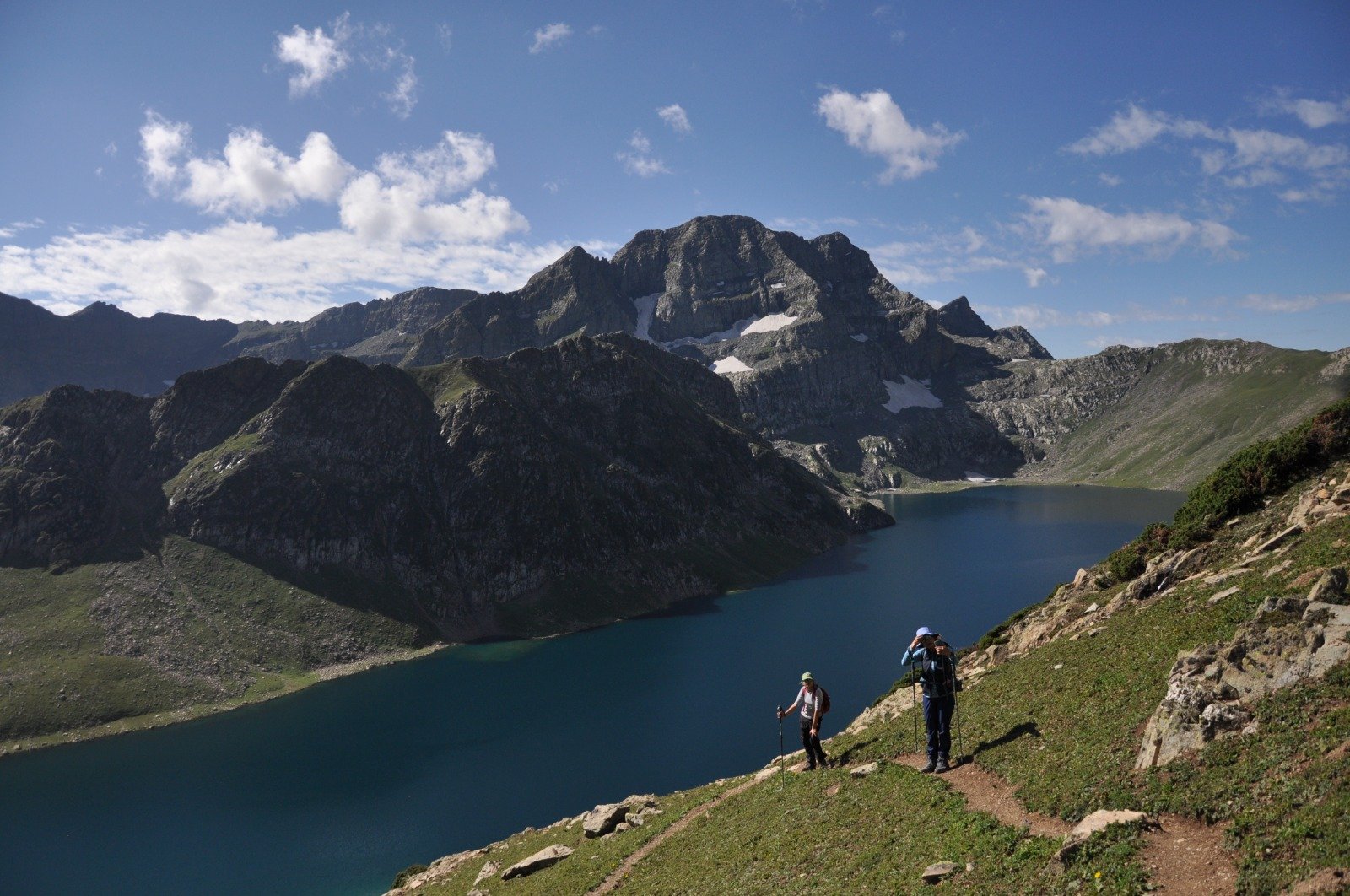

7 Days / 6 Nights
Diff: Easy-Difficult, Altitude: 13,779 ft
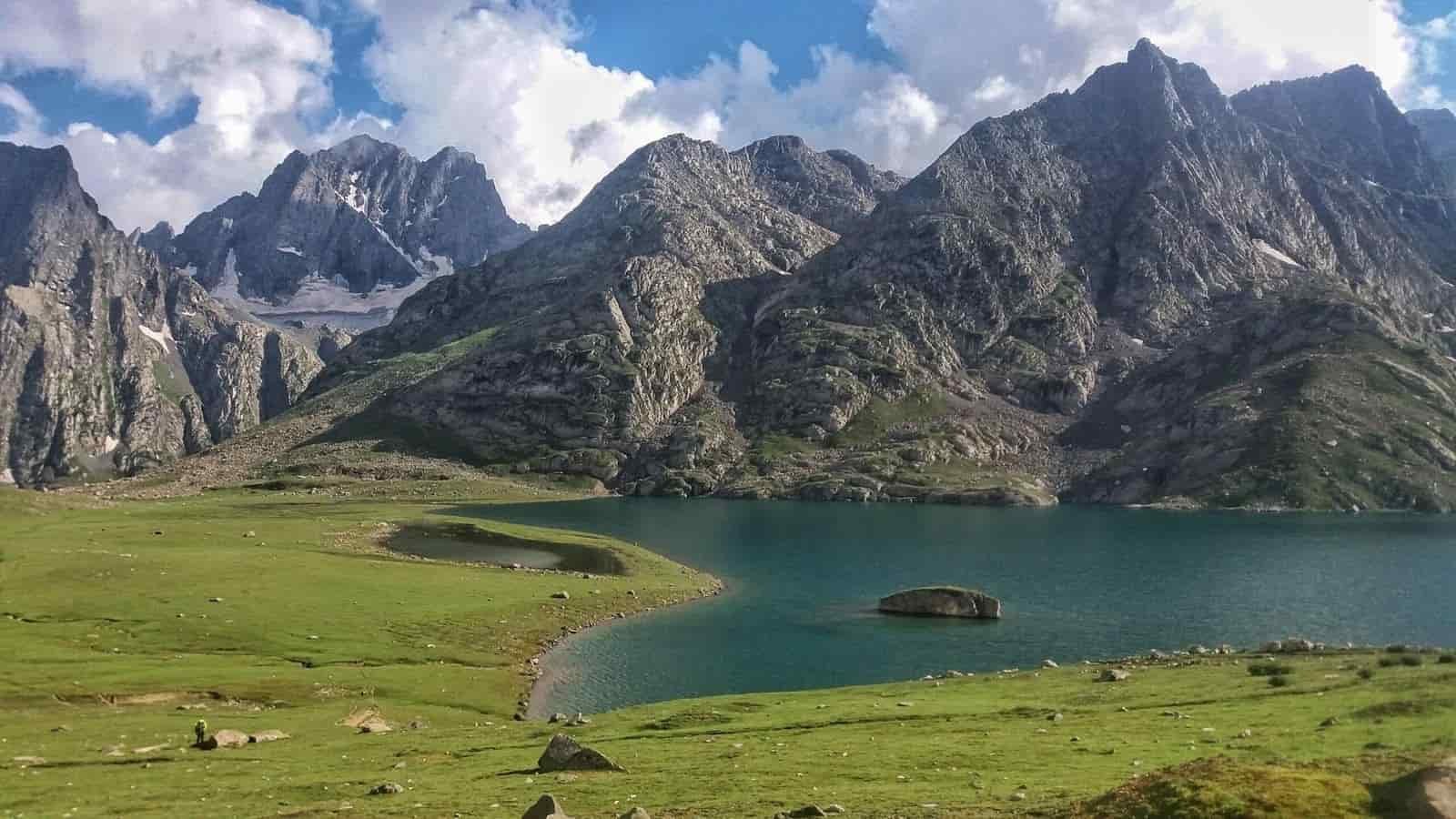
7 Days / 6 Nights
Diff: Moderate – Difficult, Altitude 13,799 ft.
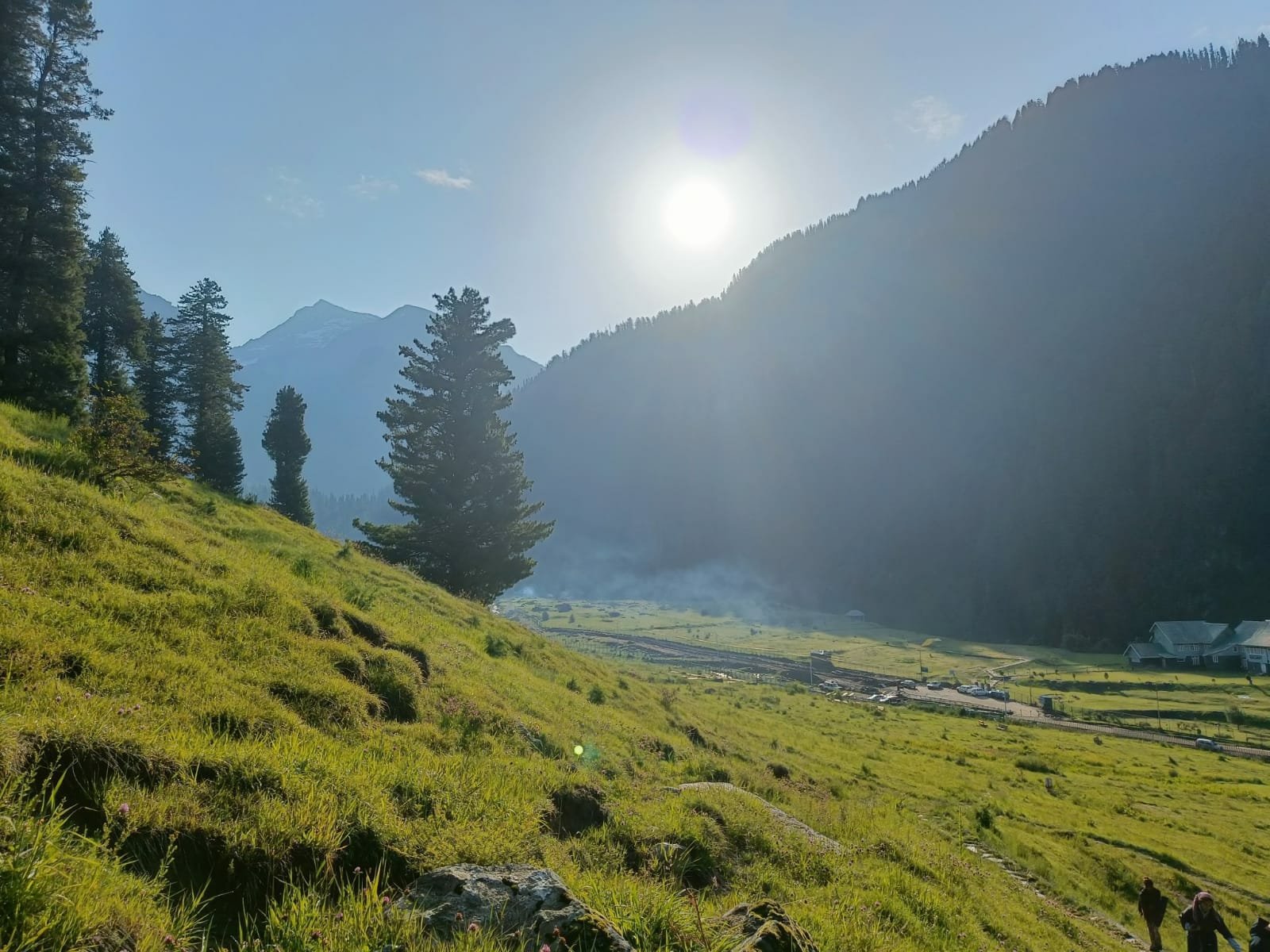
7 days
Diff: Moderate – Difficult, Altitude 12,000 ft.
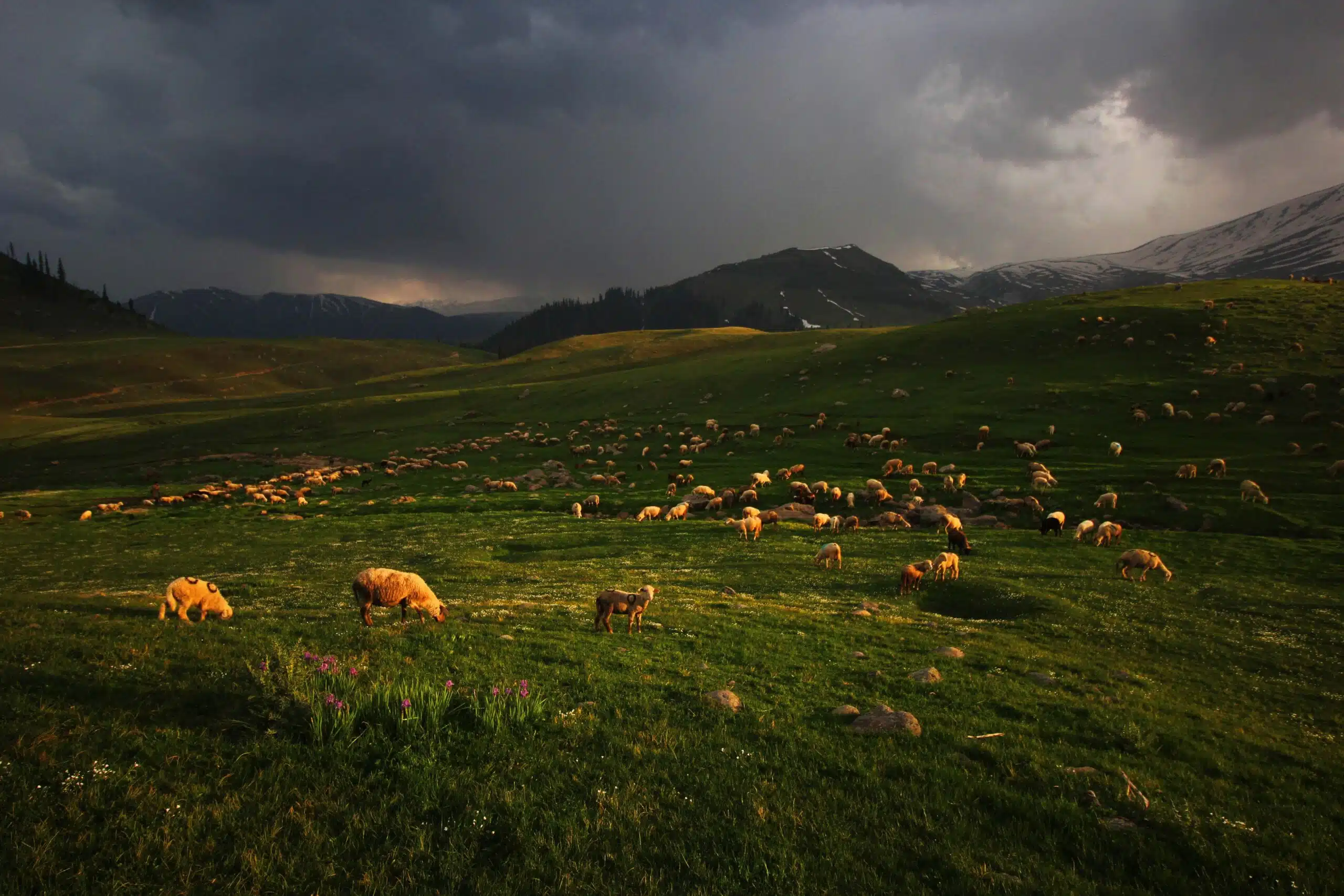
6 Days / 5 Nights
Diff: Moderate – Difficult, Altitude 11,768 ft.
FAQ's
Which Place is Best for Trekking in Kashmir?
There is no single best place for trekking in Kashmir because the entire region offers exceptional trekking landscapes. From alpine lakes and vast meadows to glaciers and high mountain passes, every trekking zone in Kashmir has something unique. Popular trekking regions include Pahalgam, Sonamarg, Naranag, Gurez Valley, and Warwan Valley, each known for different types of treks and scenery.
Is Trekking Allowed in Kashmir?
Yes, trekking is allowed across Kashmir. However, trekking is regulated to ensure safety and environmental protection. Before starting any trek, permissions are taken through the local tourism department, and trekking insurance is mandatory. When you trek with a registered trekking operator, all permissions and formalities are handled in advance.
What is the Most Difficult Trek in Kashmir?
The Barafsar Lake Trek is considered one of the most difficult treks in Kashmir. The trail involves steep ascents, high-altitude terrain, and demanding walking hours. The trek leads to Barafsar Lake, the highest-altitude alpine lake in Kashmir, and usually takes around 4 days to complete.
Is the Kashmir Great Lakes Trek Difficult?
Yes, the Kashmir Great Lakes Trek is classified as moderate to difficult. It includes multiple high-altitude passes, long walking hours, and sharp ascents and descents. Prior trekking experience is recommended, although fit beginners with good endurance can also complete the trek with proper preparation.
Which Month is Best for Trekking in Kashmir?
The best months for trekking in Kashmir are July, August, and September. During this period, all major trekking routes are accessible, weather conditions are stable, and alpine meadows and lakes are at their best. This is the peak trekking season in Kashmir.
Which Part of Kashmir is Most Beautiful?
Every part of Kashmir is visually stunning. Whether it is the green meadows of Pahalgam, the alpine lakes of Sonamarg, the untouched valleys of Gurez, or the dramatic landscapes of Warwan, Kashmir offers unmatched natural beauty throughout the region.
Which is the Best Trek in Kashmir?
The Warwan Valley Trek is widely regarded as the best trek in Kashmir. It is a crossover trek that offers a rare transition from the barren landscapes of Ladakh to the lush meadows of Kashmir. The trek includes glacier traverses, river crossings, alpine lakes, and diverse terrain, making it one of the most rewarding treks in India.
Is it Safe to Trek in Kashmir?
Yes, trekking in Kashmir is safe when done through authorized routes and registered trekking operators. Trekking areas are regularly monitored, and local authorities ensure route safety. Both group trekkers and solo trekkers complete treks in Kashmir safely every season.
Is There Any Trek in Gulmarg?
Yes, the Alpather Lake Trek is the most popular trek in Gulmarg. The trek takes you to Alpather Lake, also known as the Frozen Lake, which remains frozen for most of the year. The best time to do this trek is during summer when the trail is accessible.
How to Reach Kashmir?
Kashmir can be reached by air, road, and rail.
- By Air: Srinagar Airport is well connected to major Indian cities.
- By Train: The nearest railway station is Jammu, from where shared cabs and buses are available to Srinagar.
- By Road: Kashmir is connected to the rest of India via the national highway, making road travel possible throughout most of the year.
What is the best time for Kashmir treks?
July to September offers optimal weather with clear trails and wildflowers. Snow-free passes ensure safe crossings. Winter treks risk avalanches; monsoons bring rain.
Which Kashmir trek suits beginners?
Khilanmarg from Gulmarg: 5km easy meadow walk at 3,000m. Aru Valley near Pahalgam: gentle paths with valley views. Perfect for first-timers to test stamina.
How difficult is Kashmir Great Lakes Trek?
Moderate-difficult: 72km over 8 days, crossing 13,750ft passes. Steep ascents and stream crossings challenge endurance. Train with weighted hikes prior.
Do I need permits or guides for Kashmir Treks?
Permits mandatory for restricted zones near borders; operators handle paperwork. Guides provide route expertise and emergency support. Solo without one risks fines or danger.
What to pack for a trek in Kashmir?
Waterproof boots, thermals, fleece, rain jacket, 4-season sleeping bag. Trekking poles, gloves, cap, medicines, and hydration pack essential. Tents/meals usually included.