
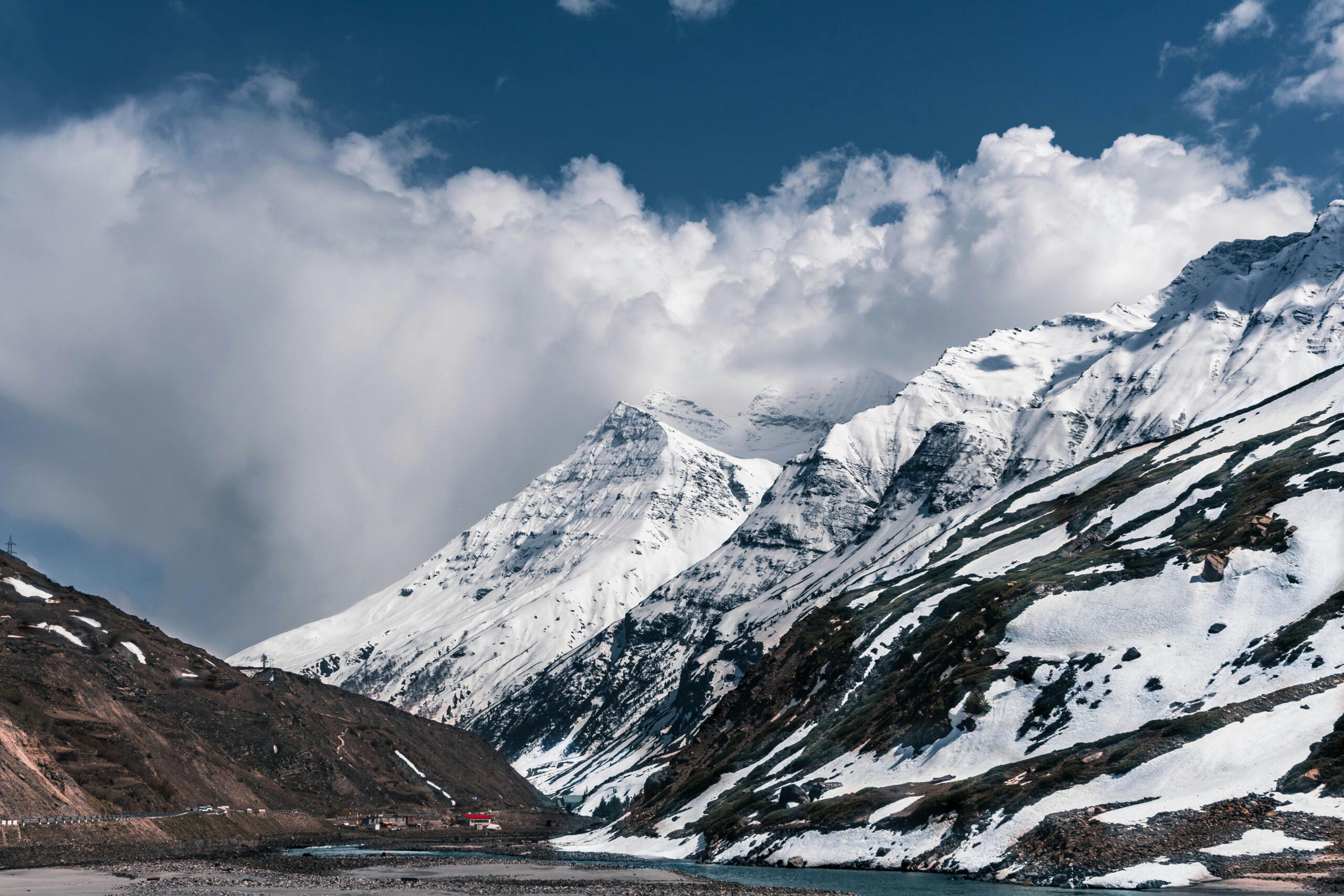
Winter Travel in Kashmir: Safety Tips, Scenic Routes, and Experiences
Winter transforms Kashmir into a breathtaking wonderland of snow-covered mountains, frozen lakes, and pine forests dusted in white. The valleys feel quieter, the air crisper, and the landscapes take on a magical stillness. However, the season’s beauty comes with challenges requiring awareness and careful planning.
Sudden snowfall, subzero temperatures, and limited daylight can affect safety. From navigating icy roads and rapidly changing weather to understanding local conditions, winter travel in Kashmir requires preparation. With the right preparation and guidance, travelers can enjoy Kashmir’s winter charm.
In this guide, we will explore essential safety tips, scenic journeys, and unforgettable experiences to enjoy Kashmir’s winter magic confidently.
Understanding Winter Weather Conditions in Kashmir
Despite harsh winter conditions, tourist interest in Kashmir remains strong. The Kashmir Monitor reported that the Union Territory recorded 19,570 foreign tourist visits between January and June 2025. This data highlights growing confidence among travelers while underscoring the importance of understanding winter weather patterns for safe and informed travel planning.
Winter weather in Kashmir features heavy snowfall, subzero temperatures, and rapidly shifting conditions from December to February. Srinagar often records –4°C to 7°C, while Gulmarg and Sonamarg drop below –10°C. The 40-day Chillai Kalan period brings intense cold and frequent snowfall. Fog, icy roads, and avalanche risks demand constant weather monitoring.
Choosing Safe Transportation in Winter Conditions
Icy roads and invisible black ice can quickly turn scenic drives into serious hazards. Heavy snowfall blocks highways, triggers landslides, and dense fog sharply reduces visibility during the winter months. While app-based cab services are convenient in urban centers, they face steep limitations in snowbound or remote regions. GPS often falters in deep valleys, and algorithms may not account for sudden road closures.
Moreover, a lack of corporate accountability in specialized terrains remains a global concern. Recurring Uber lawsuit cases involving passenger safety and driver vetting highlight these risks. Such examples show the dangers of relying solely on automated platforms in high-stakes environments.
TorHoerman Law notes that the Uber sexual assault lawsuit alleges failures in protecting passengers from driver misconduct. Survivors of these incidents seek justice, accountability, and financial compensation for the trauma they suffered.
For safer winter travel, locally verified drivers remain the gold standard. Trained for subzero conditions, they use snow chains and 4×4 vehicles effectively. Unlike app-based drivers, they understand shifting mountain terrain and offer direct accountability that technology-driven platforms often lack.
Scenic Winter Routes You Shouldn’t Miss
Kashmir’s winter routes reveal some of the Himalayas’ most striking snow landscapes. The Srinagar–Gulmarg road winds through pine forests and alpine meadows blanketed in snow. Srinagar–Sonamarg features frozen rivers and towering mountains, while the Srinagar–Pahalgam drive offers serene valleys for relaxed winter travel.
Scenic winter routes in Kashmir continue to attract heavy tourist interest. The Sunday Guardian reported that Gulmarg’s world-renowned Gondola ride, among the highest in the world, witnesses long daily queues during winter. Tourists are drawn to its breathtaking ascent through snow-covered pine forests and sweeping views of the Pir Panjal range.
Essential Safety Tips for Winter Travel in Kashmir
Staying safe during winter travel in Kashmir requires preparation, awareness, and flexibility. Travelers should check weather forecasts, carry thermal clothing, waterproof footwear, and emergency supplies, and avoid night travel. Vehicles need snow chains, winter tires, and full fuel tanks. Coordinating with local authorities and following avalanche advisories helps reduce risks.
Recent reports from Travel And Tour World underscore the volatility of winter travel. Hundreds of tourists were recently stranded after heavy snowfall closed the Srinagar-Jammu National Highway for consecutive days. While flight operations often resume quickly, this highway blockage serves as a vital reminder to maintain a flexible itinerary and budget.
Unique Winter Experiences in Kashmir
Winter unlocks experiences in Kashmir unavailable during other seasons. Skiing and snowboarding in Gulmarg draw global enthusiasts, while frozen Dal Lake and Sonamarg create postcard-perfect scenes. Shikara rides through icy waters and enjoys traditional Kashmiri Wazwan, adding cultural richness to the winter journey.
Kashmir’s winter experiences continue to attract global attention. Kashmir Observer reported that skiers and snow sports enthusiasts from Europe, Central Asia, and the Middle East are drawn to its slopes. Many visit specifically for early snowfall and the rare opportunity to experience a true Himalayan winter adventure. These distinctive experiences make winter travel both memorable and deeply immersive.
Why Guided Winter Tours Are the Smart Choice
Guided winter tours offer structure, safety, and local expertise essential for Kashmir’s harsh winter conditions. Professional operators plan routes using real-time weather updates and arrange reliable transport. They also manage permits and sudden itinerary changes. Trained guides identify early signs of altitude stress, frostbite, and weather-related risks.
Additionally, guided tours provide access to verified accommodations and experienced local drivers familiar with winter conditions. This support reduces travel uncertainties and logistical stress. With safety and planning handled professionally, visitors can focus on enjoying Kashmir’s winter scenery, local culture, and unique seasonal experiences with confidence and peace of mind.
Frequently Asked Questions
Is winter a good time for first-time visitors to Kashmir?
Winter can be a good time for first-time visitors to Kashmir if they are well-prepared and flexible. The season offers breathtaking snow scenery and unique experiences, but weather-related disruptions are common. Choosing guided tours, planning buffer days, and prioritizing safety make winter travel enjoyable and manageable for newcomers.
What is the average budget for a winter trip to Kashmir?
The average budget for a winter trip to Kashmir typically ranges between ₹20,000 and ₹40,000 per person for 5–7 days. Costs vary based on accommodation type, transportation, guided tours, and activities like skiing. Budget travelers can spend less, while premium experiences increase overall expenses.
How many days are ideal for a winter Kashmir itinerary?
A 5 to 7-day itinerary is ideal for a winter trip to Kashmir. This duration allows time to explore Srinagar, Gulmarg, and Pahalgam while accounting for possible weather delays. It also provides flexibility to enjoy winter activities, scenic routes, and cultural experiences without rushing.
Embracing Kashmir’s Winter Magic with Confidence
Winter travel in Kashmir offers unmatched beauty and serene, snow-covered landscapes. The season creates peaceful surroundings and memorable experiences for well-prepared travelers. Understanding weather conditions helps visitors anticipate challenges.
Choosing safe transportation and experienced local guidance reduces travel risks. With thoughtful planning, travelers can fully embrace Kashmir’s scenic routes, winter charm, and rich cultural warmth.