
Dawar Gurez Valley
Dawar Gurez Valley: Complete Guide to Kashmir's Most Enchanting Hidden Gem
Dawar is the largest town in Gurez Valley, a breathtaking highland located in the Bandipora District of Jammu and Kashmir, approximately 137 km from Srinagar. Sitting at roughly 2,400 metres above sea level, Dawar serves as the administrative, commercial, and cultural centre of the entire Gurez region, the first real stop after the dramatic crossing of Razdan Pass.
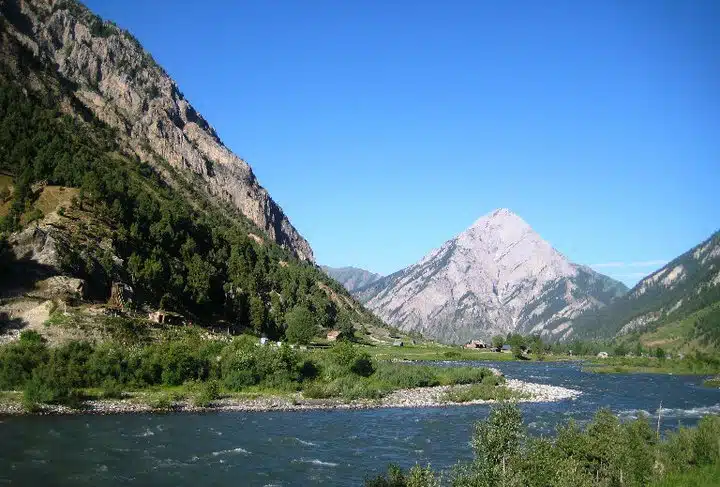
While Gurez Valley as a whole draws visitors, Dawar Gurez is where travelers base themselves. It offers the valley’s primary accommodation options, local markets, and the warmth of the indigenous Dard Shina community, whose unique language, customs, and crafts trace back thousands of years. The iconic Habba Khatoon Peak, named after the legendary Kashmiri poetess, rises directly above the town, creating a backdrop unlike anywhere else in India.
For those seeking a genuine offbeat Kashmir experience, pristine landscapes, an unhurried pace, rich mountain culture, and adventures that venture far from tourist crowds, Dawar Gurez delivers on every level.
Gurez Valley Tours

3D/ 2N
6D/ 5N

10D/ 9N
5D/ 4N
Dawar Gurez: Quick Facts at a Glance
Detail | Information |
Location | Bandipora District, Jammu & Kashmir, India |
Distance from Srinagar | ~137 km (6–8 hours by road) |
Altitude | ~2,400 metres above sea level |
River | Kishanganga (Krishna Ganga) |
Language | Dard Shina (local), Kashmiri, Urdu, Hindi understood |
Best Time to Visit | May–June and September |
Open Season | April to October (road access) |
Winter Access | Helicopter only (November–March) |
Nearest Town for ATM | Bandipora |
Mobile Network | BSNL only (limited coverage in Dawar) |
Permit Required | No special permit for Indian citizens; Aadhaar mandatory |
Foreign Nationals | Currently restricted beyond Bandipora |
Why Visit Dawar Gurez? 7 Compelling Reasons
1. A Living Dard Shina Culture
Dawar is home to the Dard Shina people, one of the oldest indigenous communities of the Himalayas. Their folk music, embroidered textiles, wooden architecture, and oral traditions remain remarkably intact, a rarity in an era of rapid modernisation. A visit to Dawar puts you in direct contact with this heritage through conversations, homestays, and the local market.
2. The Kishanganga River – A Valley’s Lifeblood
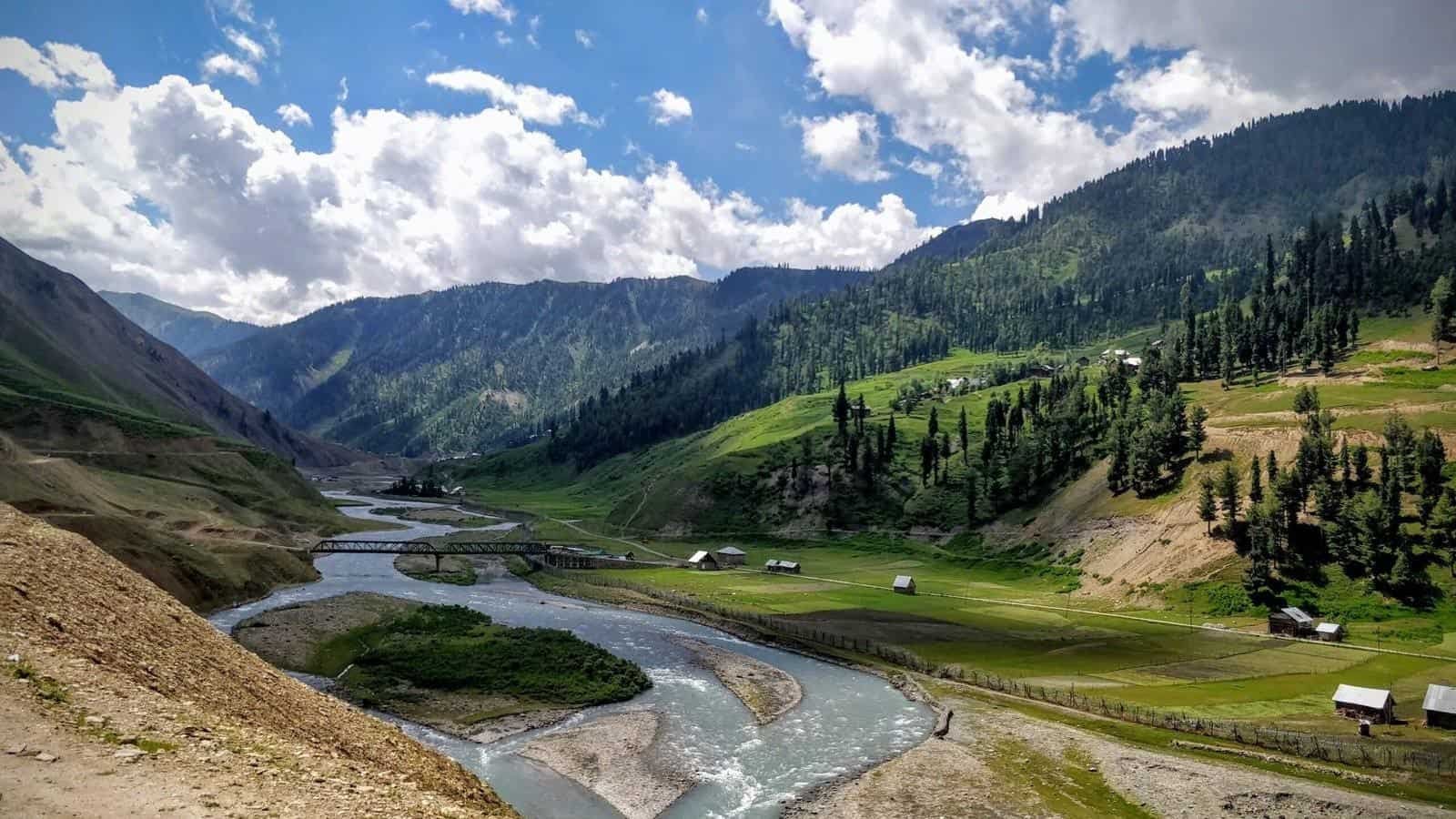
The Kishanganga River (also called Krishna Ganga) runs through the heart of Dawar and the broader valley, offering outstanding angling for trout, scenic riverside walks, and some of the most photogenic landscapes in Kashmir. Picnics along its banks are a highlight for families and nature lovers alike.
3. Gateway to Spectacular Trekking Trails
Dawar sits at the gateway to some of Kashmir’s finest and least-crowded trekking routes. From multi-day expeditions into Tulail Valley to shorter day hikes across wildflower meadows, the terrain around Dawar rewards trekkers with dramatic mountain scenery, alpine streams, and complete solitude.
4. Habba Khatoon Peak – A Landmark Above the Town
Few Himalayan towns have a mountain as iconic and visually striking as Habba Khatoon Peak rising above them. The peak is named after the 16th-century Kashmiri poetess whose story is woven into the valley’s identity. It forms the unforgettable backdrop in virtually every photograph taken from Dawar.
5. Authentic Shopping – Beyond Tourist Bazaars
Dawar’s local market carries traditional Dard Shina handicrafts that you will not find in Srinagar’s tourist bazaars. Gurezi chadars (distinctive handwoven blankets), walnut wood carvings, hand-knitted rugs, and embroidered shawls are the highlight purchases for visitors.
6. Exceptional Birdwatching
The dense forests, river corridors, and high-altitude meadows surrounding Dawar form a rich habitat for Himalayan bird species. Birdwatchers visiting between May and July can spot species ranging from Himalayan Snowcock and Koklass Pheasant to various raptors and warblers, with minimal competition from other birders.
7. A Truly Offbeat Experience – Without the Crowds
Gurez Valley sees only a fraction of the visitors that Gulmarg or Pahalgam attract. This means you experience Dawar as it actually is real, unhurried, and deeply connected to its landscape. Even at the height of summer, the town retains a quietude that is increasingly rare in popular Himalayan destinations.
Best Time to Visit Dawar Gurez
The best time to visit Dawar Gurez is between May and June, and again in September. These months offer the most comfortable weather, fully open roads, and ideal conditions for all activities. The valley is accessible by road from approximately late April to late October, but each period has its own distinct character.
- Peak Season (May–June): Pleasant temperatures of 15°C to 25°C, clear skies, all trails open, and the full range of activities available. June can see temperatures rise to 30°C midday, so plan outdoor activities in the early morning.
- Sweet Spot (September): Widely considered the single best month for Dawar Gurez. Post-monsoon clarity brings crisp air, vibrant green landscapes, and ideal temperatures of 10°C to 20°C, all with fewer crowds than summer.
- Shoulder (April and October): April offers spring blooms and complete solitude as the road reopens. October brings spectacular autumn colours, but Razdan Pass can close with snowfall from mid-October onwards, always have a flexible return plan.
- Monsoon (July–August): The Gurez Festival typically takes place in July, and the valley becomes lush and dramatic. However, landslide risks and road closures increase. Suitable for experienced travelers with flexible itineraries.
- Winter (November–March): Road access is completely closed. Helicopter services from Srinagar or Bandipora are the only option, weather permitting. Most services and accommodation in Dawar shut down for the season.
Suggested read: Best time to visit Gurez Valley
Best Time to Visit Dawar Gurez - By Traveler Type
| Traveler Type | Best Month(s) | Why |
|---|---|---|
| Families with children | May and September | Stable weather, predictable roads, comfortable temps for all ages |
| Photographers | September (primary), early October | Post-monsoon clarity, lush green, autumn gold, best light conditions |
| Trekkers & adventure seekers | May, June, July | Full trail access, high river levels for fishing, long daylight hours |
| Culture enthusiasts | July (Gurez Festival) | Experience Dard Shina dance, music, handicrafts live |
| Budget travelers | April and late September | Lower accommodation rates, fewer tourists, shoulder season pricing |
| Solo travelers / peace seekers | April and late September | Quietest periods; more authentic interaction with locals |
| Snow lovers | January–February (helicopter only) | Deep snow, frozen rivers, surreal winter landscapes |
Things to Do in Dawar Gurez
| Activity | Best Season | Notes |
|---|---|---|
| Trekking | May – September | Multiple trails through meadows, passes, and Tulail Valley |
| River Fishing / Angling | May – September | Kishanganga River; trout fishing is a highlight |
| Birdwatching | May – July | Dense forests around Dawar; excellent for Himalayan species |
| River Picnics | May – October | Scenic banks of the Kishanganga near Dawar |
| Cultural Exploration | Year-round (limited winter) | Dard Shina villages, traditional crafts, local food |
| Photography | April – October (peak September) | Meadows, mountains, Habba Khatoon Peak, river landscapes |
| Shopping (Handicrafts) | May – October | Walnut wood items, hand-knitted rugs, embroidered shawls, spices |
| Skiing / Snow Activities | January – February (helicopter) | Winter snowfall makes Dawar a base for snow enthusiasts |
Trekking in and Around Dawar
Dawar is the base for some of Gurez Valley’s finest trekking routes. Trails fan out into Tulail Valley to the north, up towards Razdan Pass to the south, and across high-altitude meadows that most trekkers in India have never heard of. The Gurez Valley Trek is the most popular structured route and typically runs over 4–6 days from Dawar, covering alpine passes, glacial streams, and remote shepherd villages. Trek season runs from May through September, with May–June and September offering the most stable weather.
Fishing (Angling) on the Kishanganga
The Kishanganga River offers some of the finest trout fishing in Jammu and Kashmir. The river runs along the valley floor and through Dawar, and its turquoise waters are remarkably clear outside monsoon season. Fishing permits are available through the Fisheries Department; the season runs from March to September. Bring your own gear or enquire locally about rod hire.
The Gurez Festival
Held annually in July, the Gurez Festival showcases the living culture of the Dard Shina people through traditional dance performances, folk music concerts, local handicraft exhibitions, and adventure sports competitions. The festival runs for three days and draws cultural enthusiasts and photographers from across India. Despite the monsoon timing, the event is one of the most rewarding experiences the valley offers.
Visiting Tulail Valley
From Dawar, a further drive northward takes you into Tulail Valley, an even more remote and less-visited sub-valley of Gurez. The landscape shifts dramatically, with broader meadows, smaller villages, and views towards the Line of Control. A day trip from Dawar to Tulail and back is possible, though an overnight stay in Tulail rewards you with a quieter setting and remarkable stargazing.
How to Reach Dawar Gurez
Dawar Gurez is approximately 137–142 km from Srinagar. The road journey takes 6–8 hours depending on road conditions, speed, and the number of stops. The route follows National Highway 1 to Bandipora, then climbs through the Razdan Pass (3,300 m) before descending into Gurez Valley and arriving at Dawar.
Also read here: How to Reach Gurez Valley.
| Mode | Route | Distance / Time | Notes |
|---|---|---|---|
| By Road (Taxi / SUV) | Srinagar → Bandipora → Razdan Pass → Kanzalwan → Dawar | ~137–142 km; 6–8 hours | SUV strongly recommended; open April–October only |
| By Shared Taxi | Bandipora to Dawar (shared taxis available from Bandipora bus stand) | ~80 km from Bandipora; 3–4 hours | Budget option; fills up quickly in summer |
| By Helicopter | Srinagar or Bandipora → Gurez (Dawar) | ~30 minutes | Thu/Fri/Sat schedule; advance booking via TRC Srinagar or DC Bandipora |
| By Train + Road | Train to Banihal → cab to Srinagar → road to Dawar | Varies; full journey 10–12 hours | Good option for travelers from outside J&K |
Bandipora to Dawar Gurez - Route Breakdown
The most commonly used approach begins in Bandipora. From there, the road climbs 50 km to Razdan Pass, the highest point of the journey and the official entry point to Gurez Valley. After the pass, the road descends into Kanzalwan, continues through the valley floor, and reaches Dawar after a further 30+ km. Total distance from Bandipora is approximately 80 km, taking 3-4 hours. The road is generally good but narrow in sections, particularly near the pass.
Tip: An SUV or 4×4 vehicle is strongly recommended for the entire Srinagar–Dawar route. Standard sedans and hatchbacks struggle on the steeper and rougher sections near Razdan Pass.
Dawar Gurez Permit Requirements
Indian Citizens
No special permit is required for Indian nationals to visit Dawar Gurez. However, you must carry your original Aadhaar Card at all times. There are several Army checkpoints along the route from Srinagar to Dawar where registration is mandatory. The process takes a few minutes at each checkpoint and is usually assisted by your driver if you are in a taxi.
Cooperate fully with Army personnel at all checkpoints. Do not photograph checkpoints, military installations, or sensitive areas near the Line of Control.
Foreign Nationals
Foreign nationals currently face entry restrictions and are generally not permitted beyond Bandipora. Regulations change periodically, always verify the latest requirements with the J&K Tourism Department or the Deputy Commissioner’s office in Bandipora before finalising travel plans.
Get the complete detaisl on: Bandipora to Gurez
Accommodation in Dawar Gurez
Dawar offers basic but comfortable accommodation options. Given the remote location, choices are limited compared to mainstream Kashmir destinations. The primary options are:
- Government Guest Houses and Tourist Bungalows, advance booking through J&K Tourism is recommended
- Homestays, the most authentic option; staying with a local Dard Shina family offers genuine cultural immersion, home-cooked food, and warm hospitality
- Budget Hotels, a handful of small hotels in Dawar town with basic facilities
- Camps, seasonal camps set up during peak months (May–September) for trekkers
Safety Tips for Visiting Dawar Gurez
Gurez Valley is safe for tourists. The strong Army presence exists due to proximity to the Line of Control and actually enhances civilian security in the region. That said, the remote setting requires careful preparation.
- Carry your Aadhaar Card at all times, it is required at every Army checkpoint.
- Download offline maps before leaving Srinagar. Mobile connectivity in Dawar is limited to BSNL with unreliable coverage; most other networks have no signal.
- Inform someone of your travel plans and expected return date before departing for Dawar.
- Stay strictly on designated routes and respect all military zones. Wandering near the Line of Control is strictly prohibited.
- Visit between May and September for the safest road conditions and most reliable weather.
- Check Razdan Pass status before travel, the pass can close without much warning due to sudden snowfall, particularly in April and October.
- Carry enough cash. The nearest ATM is in Bandipora; there are none in Dawar or the broader Gurez Valley.
- Carry essential medications. Medical facilities in Dawar consist of a basic clinic; serious conditions require evacuation to Bandipora or Srinagar.
- Pack layered clothing regardless of season, temperatures can swing by 15°C between midday and evening even in summer.
- Carry a power bank. Electricity supply in Dawar can be intermittent.
- Travel in groups when venturing on remote trails, and hire a local guide if you are unfamiliar with the terrain.
- Altitude awareness: Dawar sits at ~2,400 m and Razdan Pass at ~3,300 m. Take the first day easy, stay hydrated, and avoid strenuous activity immediately after arrival.
Kashmir Offbeat Tours

14D/ 13N
6D/ 5N

16D/ 15N
12D/ 11N
Frequently Asked Questions About Dawar Gurez
What is Dawar Gurez famous for?
Dawar Gurez is famous for its pristine natural beauty, the Kishanganga River, iconic Habba Khatoon Peak, authentic Dard Shina culture, and exceptional trekking routes. It is one of the few places in Jammu and Kashmir that remains largely off the beaten path while still being accessible to independent travelers.
Is Dawar Gurez safe to visit?
Yes, Dawar Gurez is safe for tourists. The heavy Army presence in the region provides a high level of security. Visitors should cooperate with checkpoint protocols, stay on designated routes, and avoid areas near the Line of Control. Follow standard safety practices for remote mountain destinations and you will have a comfortable experience.
How far is Dawar from Srinagar?
Dawar is approximately 137–142 km from Srinagar by road, taking 6–8 hours to cover. The route passes through Bandipora and over Razdan Pass before descending into Gurez Valley and reaching Dawar.
Do I need a permit for Dawar Gurez?
Indian citizens do not need a special permit but must carry their original Aadhaar Card for Army checkpoint registration. Foreign nationals are currently restricted and generally cannot travel beyond Bandipora, confirm current regulations before planning
What language do people speak in Dawar Gurez?
The local population speaks Dard Shina, an ancient Indo-Aryan language unique to the Gurez and wider Dard communities. Kashmiri, Urdu, and Hindi are also understood by most residents, and basic English is spoken in hotels and guesthouses.
Is there ATM or mobile network in Dawar Gurez?
There are no ATMs in Dawar or anywhere in Gurez Valley. Carry adequate cash from Bandipora, which has the nearest ATM. Mobile network in Dawar is limited to BSNL with unreliable coverage. Download offline maps before leaving Srinagar and inform your contacts of your plans in advance.
What is the best single month to visit Dawar Gurez?
September is the best single month to visit Dawar Gurez. Post-monsoon clarity produces crisp air, excellent visibility, lush green landscapes, and comfortable temperatures of 10°C to 20°C, with fewer crowds than June. It combines the best elements of the entire season.
How many days should I spend in Dawar Gurez?
A minimum of two days is recommended, with three to four days being ideal. This gives you time to explore the town, trek into the surrounding meadows, visit Tulail Valley, fish on the Kishanganga, and genuinely immerse in the local atmosphere without rushing.
 Call Now
 Chat With Us