
Starting at INR 22,000 INR 28,000
Kashmir Offbeat Tour Package
Most people go to Kashmir for Gulmarg’s gondola and Dal Lake’s shikaras. The places you are about to read about because the tourists haven’t found them yet. Kashmir offbeat tour packages take you to valleys that opened to civilians only in 2007. Villages where the Dard-Shin tribe still speaks Shina instead of Kashmiri. Meadows so large the army kept them restricted for decades. Rivers that mark the Line of Control, where you can see Pakistani villages across the water on clear mornings.
This is not the Kashmir of houseboats and saffron fields, though you will pass through those too. This is the Kashmir of border tourism and alpine passes, of rice terraces worked by hands that have never left the valley, of log houses built the way they were two hundred years ago.
The standard Kashmir offbeat tour runs 10 days. That’s enough time to cover Gurez Valley, Bangus Valley, Lolab, Daksum, Sinthan Top, Yusmarg, Doodhpathri, and Razdan Pass. You can shorten it to 5-7 days if your schedule is tight, or extend it if you want to go slower. Most people who do this trip say 10 days feels right.
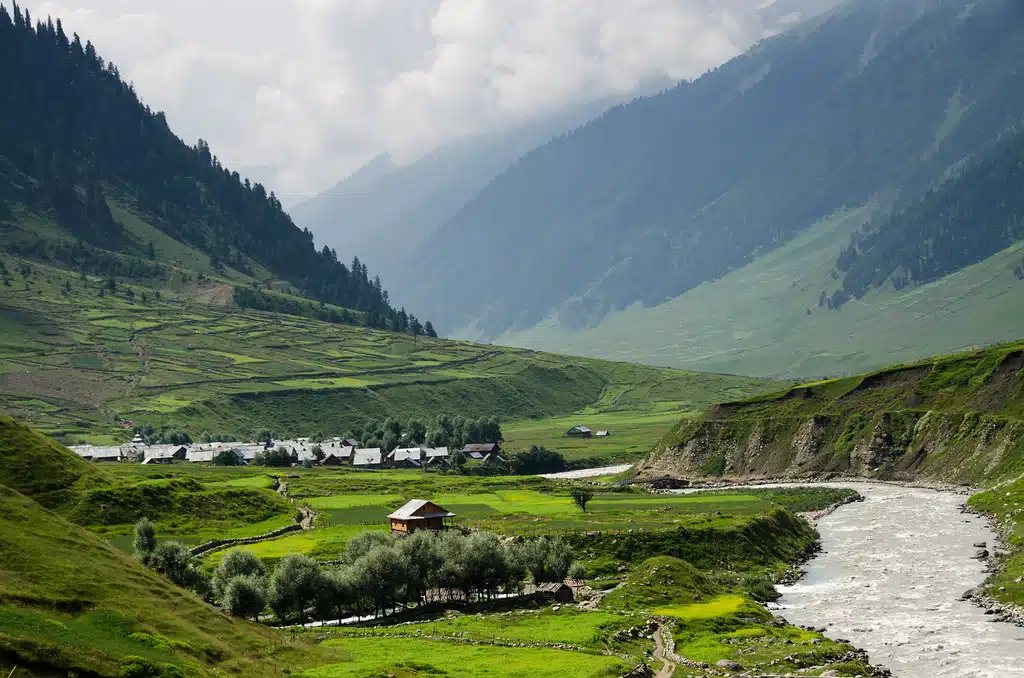
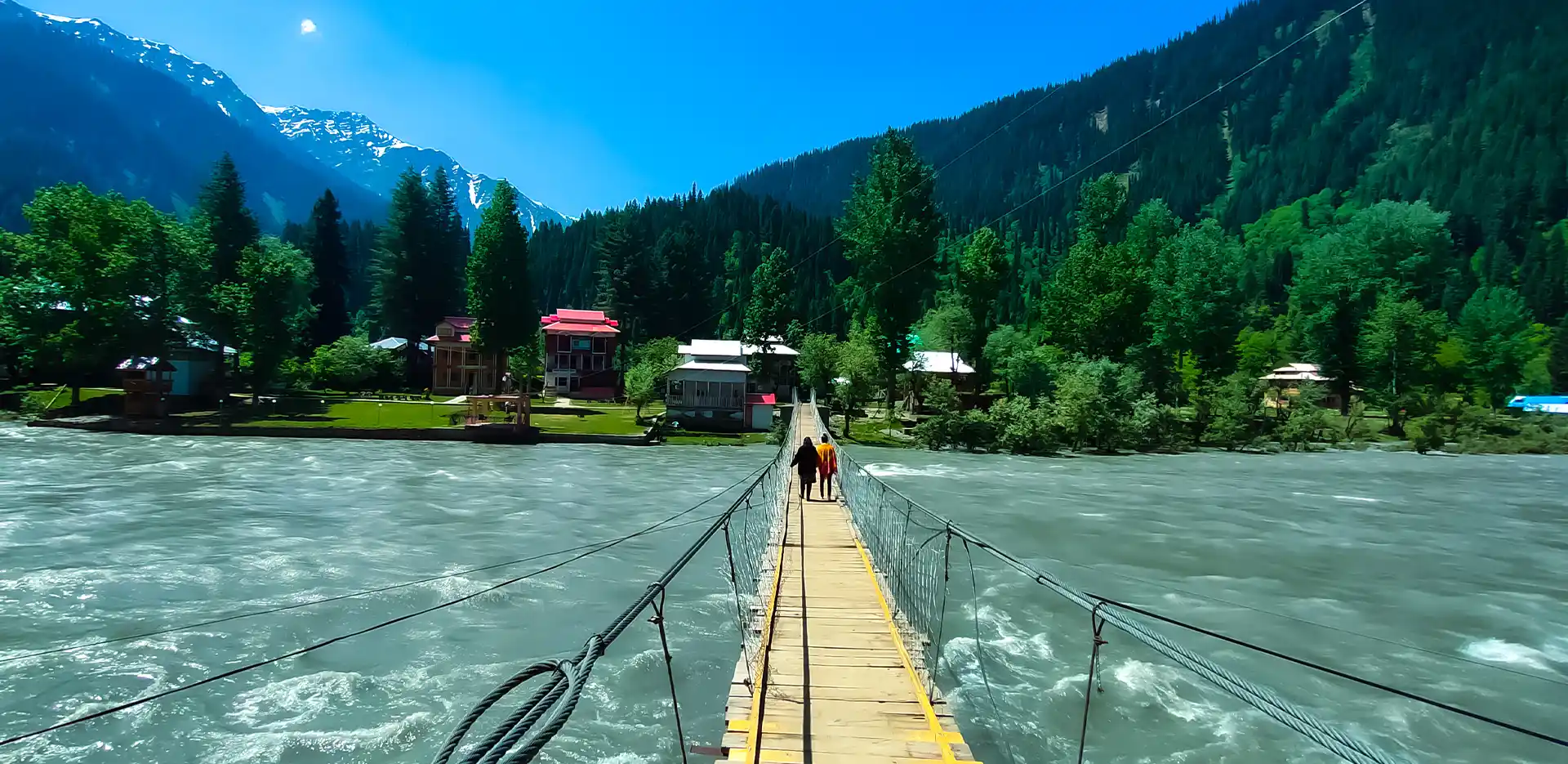
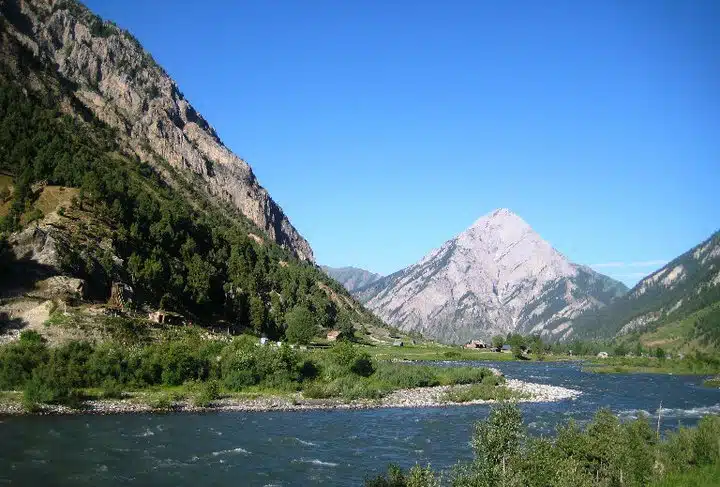
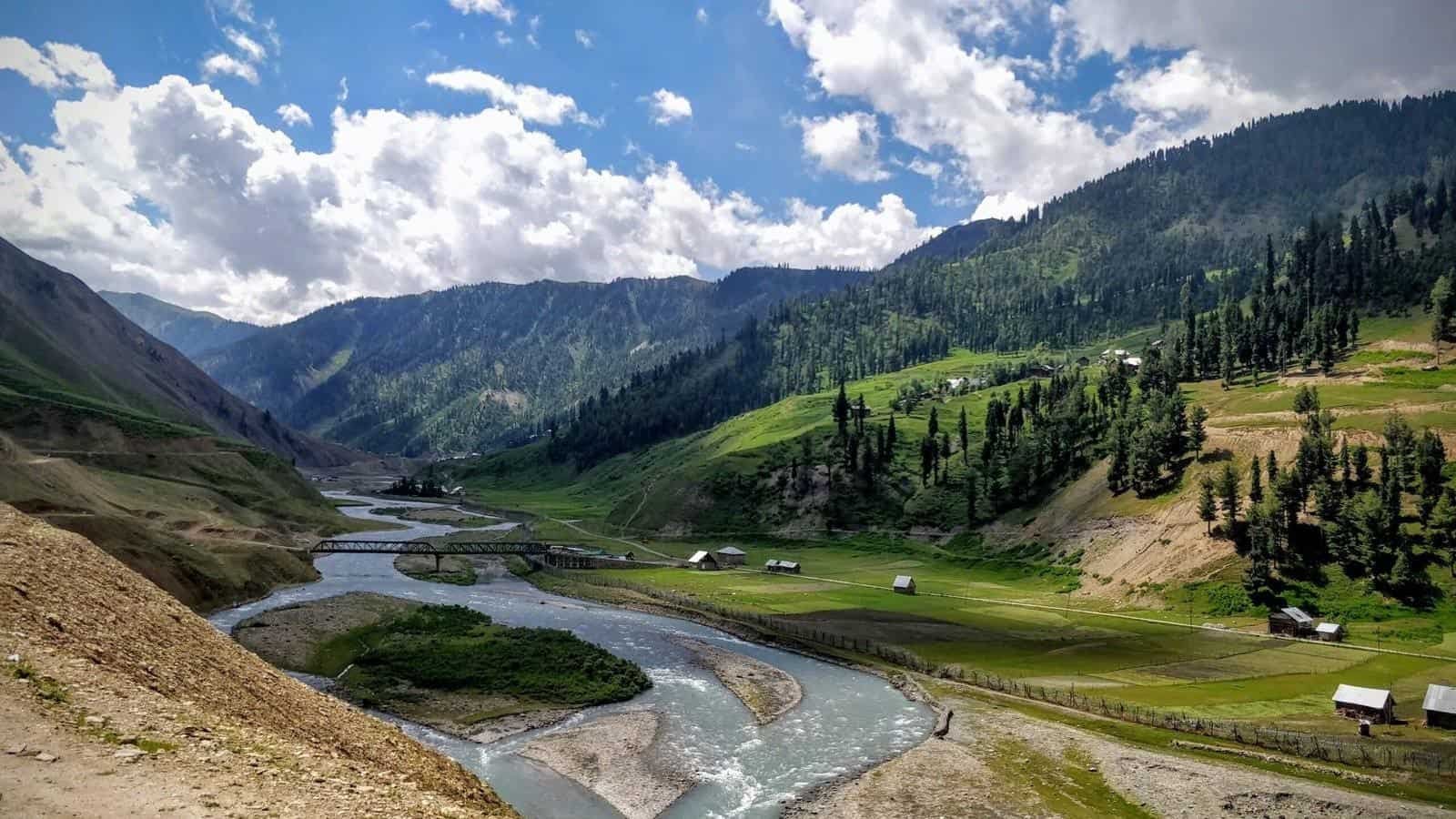
Kashmir offbeat places spread across North Kashmir and South Kashmir. Each valley runs on its own clock. The Dard-Shin in Gurez live differently from the Gujjar shepherds in Bangus. The rice farmers in Lolab work different land than the apple growers in Daksum. Same state, different worlds. In 2022, Outlook Traveler named Gurez the best offbeat destination in India. That’s not promotional language. It actually won. Gurez sits 127 kilometers north of Srinagar, across Razdan Pass at 11,672 feet. The pass is the gateway. On one side, you’re in Kashmir proper. On the other, the landscape shifts completely. The trees change. The architecture changes. Even the people are different. The locals are Dard-Shin, not Kashmiri. They speak Shina, a language that’s dying. Their villages were cut off from the outside world until 2007 because of the proximity to the Line of Control. Sixty years after partition, Gurez finally opened to civilians. The Kishanganga River runs through the valley in a shade of blue that doesn’t photograph well. Not because cameras can’t capture it, but because the color looks fake in pictures and people assume it’s edited. It’s not. The river is turquoise from glacier melt, and it cuts through the valley floor between mountains that go straight up. Habba Khatoon Peak dominates the skyline. It’s named after a 16th-century poetess called the Nightingale of Kashmir, who lived near its base. The peak is sharp, dark, and completely unmissable from anywhere in Gurez. You can fish for trout in the Kishanganga. You can walk to Tulail Valley, which locals call “Mini Ladakh” because the terrain looks more like Leh than Srinagar. You can drive to Chakwali, the last Indian village before Pakistan, though you’ll need a permit from the J&K police station in Dawar. Dawar is the main settlement. It has a small museum run by Bashir Ahmed, who’s preserved Dard-Shin culture through clothes, jewelry, and artifacts over 270 years old. Over 400 items. If you want to understand what life here was like before the road came, start there. The drive to Gurez from Srinagar takes 6-7 hours. Past Bandipora, you climb through coniferous forests and meadows to Razdan Pass. The pass itself gives you panoramic views of valleys you didn’t know existed. Then you descend into Gurez, and it feels like crossing into another country. For decades, the army kept Bangus Valley off-limits. It sits too close to the Line of Control in Kupwara district, and until recently, only soldiers and locals could enter. Now it’s open. And it turns out the army was guarding the largest meadow in Kashmir. Bangus spans 300 square kilometers at 10,000 feet. It’s divided into Bod Bangus (Big Bangus) and Lokut Bangus (Small Bangus). Both are rolling grasslands that stretch so far you lose depth perception. Green in summer, golden in autumn, white in winter. The Mawar River cuts through the middle. The meadows are surrounded by dense coniferous forests and peaks on all sides. Rajwar and Mawar mountains to the east. Shamsbery and Dajlungun to the west. The valley floor itself is flat enough that cattle and horses graze freely, and you can walk for hours without hitting an incline. This is where Gujjar and Bakarwal shepherds bring their herds in summer. You’ll see their temporary settlements scattered across the meadows. Log huts. Smoke rising from cooking fires. Horses tied near the treeline. Bangus has started appearing on offbeat Kashmir itineraries only in the last few years. Most visitors still don’t know it exists. That won’t last, but for now, you can spend an entire day here and see maybe five other people. From Srinagar, Bangus is about 130 kilometers via Kupwara. The last stretch requires crossing Sadhna Pass, which connects Chowkibal to the border areas. The road is rough but manageable. Lolab sits in North Kashmir between Gurez and Bangus. If those two are dramatic, Lolab is quiet. The valley is wide and agricultural. Rice paddies. Orchards. Small villages with mud and wood houses. The Mawar River flows through it before heading into Bangus. The mountains rise on both sides, but they’re farther back here, giving the valley a more open feel than Gurez. What makes Lolab worth the visit is Kalaroos Cave. It’s not a cave in the spelunking sense. It’s a natural rock formation with a spring that local legend says has healing properties. The climb to reach it is about a kilometer of moderate uphill walking through forest. At the top, you get views of the entire Lolab Valley stretched out below. The other reason to come to Lolab is the village homestays. This is where you eat actual Kashmiri home cooking, not restaurant versions. Rajma and potatoes that taste different here because the soil is different. Fresh bread baked in tandoors built into the ground. Tea brewed with local milk. Lolab doesn’t have “attractions” in the tourist sense. It has normal life happening at a pace that disappeared from most of India decades ago. You either like that or you don’t. Doodhpathri translates to “Valley of Milk” because the Doodhganga River supposedly looks milky white from the foam created by its speed over rocks. It doesn’t always look milky, but the name stuck. What Doodhpathri does have is grassland. Acres of it, surrounded by pine forests so thick they block out the sky in places. The meadow itself is flat and open, the kind of place where you can see weather coming from miles away. The drive into Doodhpathri is the part people remember. You enter through a natural corridor of trees that forms a canopy overhead. The road curves and winds through this green tunnel for several kilometers before opening suddenly onto the meadow. The first time you see it, the scale throws you off. You’re not expecting that much open space after all that forest. Doodhpathri is 42 kilometers from Srinagar. It’s accessible as a day trip if you’re short on time, but staying overnight means you get the meadow in early morning light, which is when it looks best. Sinthan Top is a mountain pass at 12,500 feet that connects Kashmir Valley to Kishtwar. The pass stays snow-covered most of the year. Even in summer, you’ll see snow on the peaks around it. There’s a small alpine lake near the pass. It sits in a depression surrounded by rock, and most of the year it’s partially frozen. The water is that particular shade of green-blue that only happens at high altitude. The drive to Sinthan Top from Daksum takes about an hour. The road switchbacks up through forest, then breaks treeline, and suddenly you’re on top of the world with valleys spreading out below you on both sides. Daksum itself is a village at the base of the pass. Rice fields and apple orchards. Stone and wood houses. A stream running through the middle. The village still works the land the way it has for generations, and you can walk through the terraces in the evening when people are finishing the day’s work. Local families will invite you for tea if you’re walking through. The conversation might be limited if you don’t speak Kashmiri, but tea doesn’t need translation. Yusmarg is 47 kilometers southwest of Srinagar. It’s been around longer than most of the other offbeat spots on this list, but it’s still relatively unknown outside Kashmir. The meadow here is smaller than Bangus or Doodhpathri, maybe 5 kilometers across. What makes Yusmarg different is the tree cover. The meadow is ringed by dense pine and fir forests, and the contrast between the open grass and the dark treeline is sharp. A stream runs through the meadow. You can follow it upstream into the forest, and if you walk far enough, you’ll reach Nilnag Lake. It’s about 3 kilometers from the main meadow, an easy walk on relatively flat terrain. Ponies are available for hire if you want to ride across the meadow instead of walking. The horses here are used to the terrain and won’t spook at uneven ground or sudden drops. A typical 10-day Kashmir offbeat tour covers the major valleys and passes with enough time at each place to actually experience it rather than just photograph it. Here’s how the days break down: Day 1 Srinagar Arrival: Land in Srinagar, transfer to houseboat or hotel. Evening shikara ride on Dal Lake. Overnight in Srinagar. Day 2 Srinagar to Gurez Valley via Razdan Pass: Drive to Gurez (6-7 hours). Cross Razdan Pass at 11,672 feet. Reach Dawar by evening. Overnight in Gurez. Day 3 Gurez Valley Exploration: Visit Habba Khatoon Peak viewpoint, Kishanganga River, Dard-Shin museum. Optional drive to Tulail Valley or Chakwali (with permit). Overnight in Gurez. Day 4 Gurez to Kupwara: Drive back via Razdan Pass to Kupwara region. Overnight in guesthouse near Kupwara. Day 5 Bangus Valley: Full day in Bangus Valley. Explore Bod Bangus and Lokut Bangus meadows. Walk or pony ride across grasslands. Overnight in Kupwara. Day 6 Lolab Valley and Kalaroos: Drive to Lolab Valley. Trek to Kalaroos Cave (1 km uphill). Village homestay experience. Overnight in Lolab. Day 7 Lolab to Srinagar via Doodhpathri: Morning in Lolab, then drive to Doodhpathri (42 km from Srinagar). Explore meadows. Continue to Srinagar. Overnight in Srinagar. Day 8 Srinagar to Daksum: Drive to Daksum village. Village walks, rice terraces, orchards. Overnight in Daksum. Day 9 Sinthan Top and return to Srinagar: Morning drive to Sinthan Top. Alpine lake visit. Return to Srinagar via Yusmarg. Stop at Yusmarg meadows. Overnight in Srinagar. Day 10 Departure: Morning free for last-minute shopping or Mughal Gardens visit. Transfer to airport. The season determines what’s accessible. Razdan Pass closes in winter, cutting off Gurez. Sinthan Top becomes impassable. Bangus gets buried in snow. If you’re planning an offbeat Kashmir tour, summer is when all roads are open. Temperature: 15°C to 30°C This is when Kashmir offbeat tour packages run. All passes are open. Roads to Gurez, Bangus, Sinthan Top are accessible. Weather is pleasant. Meadows are green. Rivers are full from snowmelt. This is peak season for offbeat tourism. Temperature: 10°C to 20°C Doodhpathri and Yusmarg are accessible. Gurez might still have snow on Razdan Pass in early March. Bangus and Sinthan Top are still closed. Good for places near Srinagar, not for high-altitude valleys. Temperature: 5°C to 15°C Early October works. By late October, snowfall starts closing passes. Gurez becomes inaccessible once Razdan Pass gets snow. Bangus closes. Only Doodhpathri, Yusmarg, and Daksum remain accessible. Temperature: -5°C to 10°C Razdan Pass is closed. Gurez is cut off. Bangus is under snow. Sinthan Top is impassable. Only valleys near Srinagar (Doodhpathri, Yusmarg) are accessible, and even those require snow chains on vehicles. Kashmir offbeat tour packages from Cliffhangers are priced based on duration, group size, and accommodation type. Here’s the breakdown: Cost varies based on: Solo travelers and couples pay higher per-person rates due to vehicle and room costs. Groups of 6+ get the best rates. Kashmir offbeat isn’t trekking-heavy like Himachal or Uttarakhand. The valleys are accessible by road. But there are things to do beyond sightseeing. Gurez Valley, Bangus Valley, and Lolab Valley require permits and ID verification at multiple army checkpoints. Cliffhangers handles the permit process, but here’s what you need to know: Documents Required: Permit Process: Permits are applied for at District Magistrate offices in Bandipora (for Gurez) and Kupwara (for Bangus/Lolab). Processing takes 2-4 hours. Cliffhangers submits applications, you wait at a nearby location. Army Checkpoints: Multiple checkpoints on routes to Gurez and Bangus. You’ll stop, show ID, get registered. Some checkpoints take 10 minutes, others take 30 if there’s a queue. Photography is not allowed at checkpoints. Foreign Nationals: Foreign tourists need Protected Area Permits (PAP) for Gurez and Bangus. These take 4-6 weeks to process through the Ministry of Home Affairs. Apply well in advance. Not all foreigners get approval, especially for border areas. Yes. Gurez, Bangus, Lolab, and other offbeat valleys are safe for tourists. These areas have heavy army presence due to border proximity, which actually makes them secure. The last major security issue was years ago. That said, always follow local advisories, carry ID at all times, and don’t photograph restricted areas. Cliffhangers monitors the situation daily and will inform you if any area becomes inaccessible. 2. Can families with children or elderly people do Kashmir offbeat tours? Yes, but with considerations. The tours involve long drives (6-7 hours on some days) on mountain roads. High-altitude passes like Razdan (11,672 ft) and Sinthan Top (12,500 ft) can cause altitude sickness in some people. If elderly members have mobility issues or heart conditions, consult a doctor before booking. Children generally handle it well. Cliffhangers can customize the itinerary to reduce driving time or skip high-altitude sections. 3. What is the difference between regular Kashmir tour and offbeat Kashmir tour? Regular Kashmir tours cover Srinagar, Gulmarg, Pahalgam, Sonmarg, the mainstream spots with hotels, gondolas, shopping. Offbeat Kashmir tours go to Gurez, Bangus, Lolab, Daksum, places with basic infrastructure, no tourist crowds, and authentic village life. Regular tours are comfortable and convenient. Offbeat tours are raw and real. You won’t find luxury hotels or fancy restaurants in offbeat valleys. You get guesthouses, homestays, and local food. 4. Do I need permits for all offbeat places in Kashmir? Gurez Valley and Bangus Valley require permits because they’re close to the Line of Control. Lolab also requires clearance in some sections. Doodhpathri, Yusmarg, and Daksum don’t need special permits. Cliffhangers handles all permit applications and army checkpoint registrations. You just need to carry your original ID and passport photos. 5. Is mobile network available in offbeat Kashmir valleys? Spotty. Srinagar has 4G on all networks. Gurez has BSNL network in Dawar, but it’s 2G. Bangus has no mobile network. Lolab has limited BSNL coverage. Doodhpathri and Yusmarg have intermittent signals. Don’t expect to be connected 24/7. Download offline maps and inform family you’ll be unreachable for stretches. Satellite phones are illegal without government permission. 6. What type of food is available in offbeat Kashmir? In Srinagar, you get everything. In offbeat valleys, food is simple: rice, rajma, local vegetables, Kashmiri bread (roti or lavasa), sometimes chicken or mutton. No continental, Chinese, or South Indian food. Homestays serve home-cooked meals. Government guesthouses have basic kitchens. If you have dietary restrictions (vegan, allergies), inform Cliffhangers in advance so they can arrange accordingly. 7. Can I trek to higher altitudes from these offbeat places? Yes, but these aren’t on the standard itinerary. From Gurez, you can trek to Patalwan Lakes or Gangabal Lake (both require 2-3 days extra). From Yusmarg, Nilnag Lake is an easy 3 km walk. From Sinthan Top, alpine lakes are nearby. If you want to add trekking, tell Cliffhangers while booking. They’ll extend the itinerary and add camping equipment and guides. 8. Is photography allowed everywhere in offbeat Kashmir? Yes, except near army posts, checkpoints, and border areas. Habba Khatoon Peak, Kishanganga River, Bangus meadows, Doodhpathri—all fine for photography. At army checkpoints, keep your camera in the bag. If you’re not sure whether an area is restricted, ask the driver or guide. Locals are generally okay with photos, but ask permission before photographing people. 9. What happens if weather or road conditions close a route? Cliffhangers reroutes. If Razdan Pass is closed due to snow or landslide, Gurez is skipped and more time is added to other valleys. If Sinthan Top is inaccessible, the itinerary adjusts to cover Yusmarg and Doodhpathri more thoroughly. You’re not charged for places you don’t visit. Mountain weather is unpredictable. Flexibility is built into offbeat tours. 10. How physically fit do I need to be for Kashmir offbeat tour? You don’t need to be an athlete. The tours are mostly road-based with short walks. Kalaroos Cave trek is 1 km uphill. Nilnag Lake walk is 3 km flat. Bangus and Doodhpathri are meadows—no steep climbs. If you can walk comfortably for 30-40 minutes and handle long car rides, you’re fit enough. High altitude at passes (11,000-12,500 ft) might cause mild breathlessness. If you have serious health conditions, consult a doctor first. Book now and see Kashmir before everyone else does.
6 Best Offbeat Places in Kashmir in 2026
1. Gurez Valley
2. Bangus Valley
3. Lolab Valley
4. Doodhpathri
5. Sinthan Top and Daksum
6. Yusmarg
Kashmir Offbeat Tour Itinerary
Best Time to Visit Kashmir Offbeat Places
Summer (May to September): Best for Offbeat Tours
Spring (March to April): Good for Lower Valleys
Autumn (October to November): Hit or Miss
Winter (December to February): Not Recommended
Kashmir Offbeat Tour Package Cost
5-7 Days Kashmir Offbeat Tour
10 Days Complete Kashmir Offbeat Tour
12-14 Days Extended Kashmir Offbeat Tour
What’s Included in Cliffhangers Kashmir Offbeat Tour Packages
Activities in Kashmir Offbeat Places
Permits and Checkpoints for Kashmir Offbeat Tour
How to Reach Kashmir for Offbeat Tour
Why Book Kashmir Offbeat Tour with Cliffhangers
Frequently Asked Questions (FAQs)
1. Is Kashmir offbeat tour safe?
Read more
Kashmir Offbeat Traverse


14D/ 13N
2N Warwan, 1N Daksum, 1N Gurez
6D/ 5N
2N Daksum, 2N Warwan, 1N Srinagar

16D/ 15N
covers all offbeat places
12D/ 11N
1N Srinagar, 1N Daksum, 1N Yusmarg, 1N Doodhpathri, 1N Bangus, 3N Lolab, 2N Gurez, 1N Srinagar
Gurez Valley Tours
3D/ 2N
All Nights Gurez
6D/ 5N
2N Srinagar, 2N Gurez, 1N Srinagar

10D/ 9N
2N Srinagar, 2N Gurez, 2N Pahalgam, 1N Gulmarg…
5D/ 4N
2N Gurez, 1N Athwatoo, 1N Wular
 Call Now
 Chat With Us