
Ladakh Trip Cost
Ladakh Trip Cost: Leh Ladakh Tour, Bike Trip & Budget Guide
How Much Does a Ladakh Trip Cost? That’s a common question that we get and here your question is getting all the answers. Leh Ladakh, with its towering mountain passes, dramatic landscapes, and ancient monasteries, remains one of the most sought-after travel destinations in India. Often referred to as Little Tibet or The Land of Lamas, Ladakh offers a rare blend of adventure, spirituality, and raw Himalayan beauty. From high-altitude lakes and remote villages to thrilling road journeys and cultural experiences, a trip to Ladakh promises something for every kind of traveller.
The cost of a Ladakh trip depends on several factors such as trip duration, mode of travel, accommodation type, season, and the level of comfort you prefer. Whether you are planning a budget-friendly backpacking trip or a more comfortable private tour, Ladakh can be explored at different price points.
Leh Ladakh Trip Cost: Budget Overview
A 5 to 7-day Leh Ladakh trip cost generally ranges between ₹15,000 to ₹25,000 per person for budget travellers. This cost typically includes shared transportation, budget hotels or guesthouses, and basic meals. This option is suitable for backpackers, students, and travellers who are comfortable with simple stays and local food.
For travellers looking for better comfort, a mid-range Ladakh trip cost falls between ₹30,000 to ₹45,000 per person. This includes private transportation, well-rated hotels, experienced tour guides, and meals at good restaurants. This category is ideal for families, couples, and first-time visitors who want a smooth and well-organized travel experience.
Luxury Ladakh tours, with premium hotels, customized itineraries, and exclusive experiences, can go beyond this range depending on preferences.
Ladakh Bike Trip Cost
A Ladakh bike trip cost varies based on whether you bring your own bike or rent one in Leh. On average, a Leh Ladakh bike trip cost ranges between ₹28,000 and ₹45,000 per person for a 7–9 day journey. This usually includes bike rental, fuel, accommodation, backup vehicle, mechanic support, permits, and meals.
Bike trips are popular among adventure seekers as they allow you to experience Ladakh’s rugged terrain, high mountain passes, and remote regions like Nubra Valley, Pangong Lake, and Zanskar at your own pace.
The Sham Valley Trek is perfect for families, beginners, and anyone wanting a taste of Himalayan trekking.
Popular Ladakh Tours


7D/6N
8D/7N

6D/ 5N
10D/9N
Factors Affecting Ladakh Trip Cost
Peak Season in Ladakh (June to September)
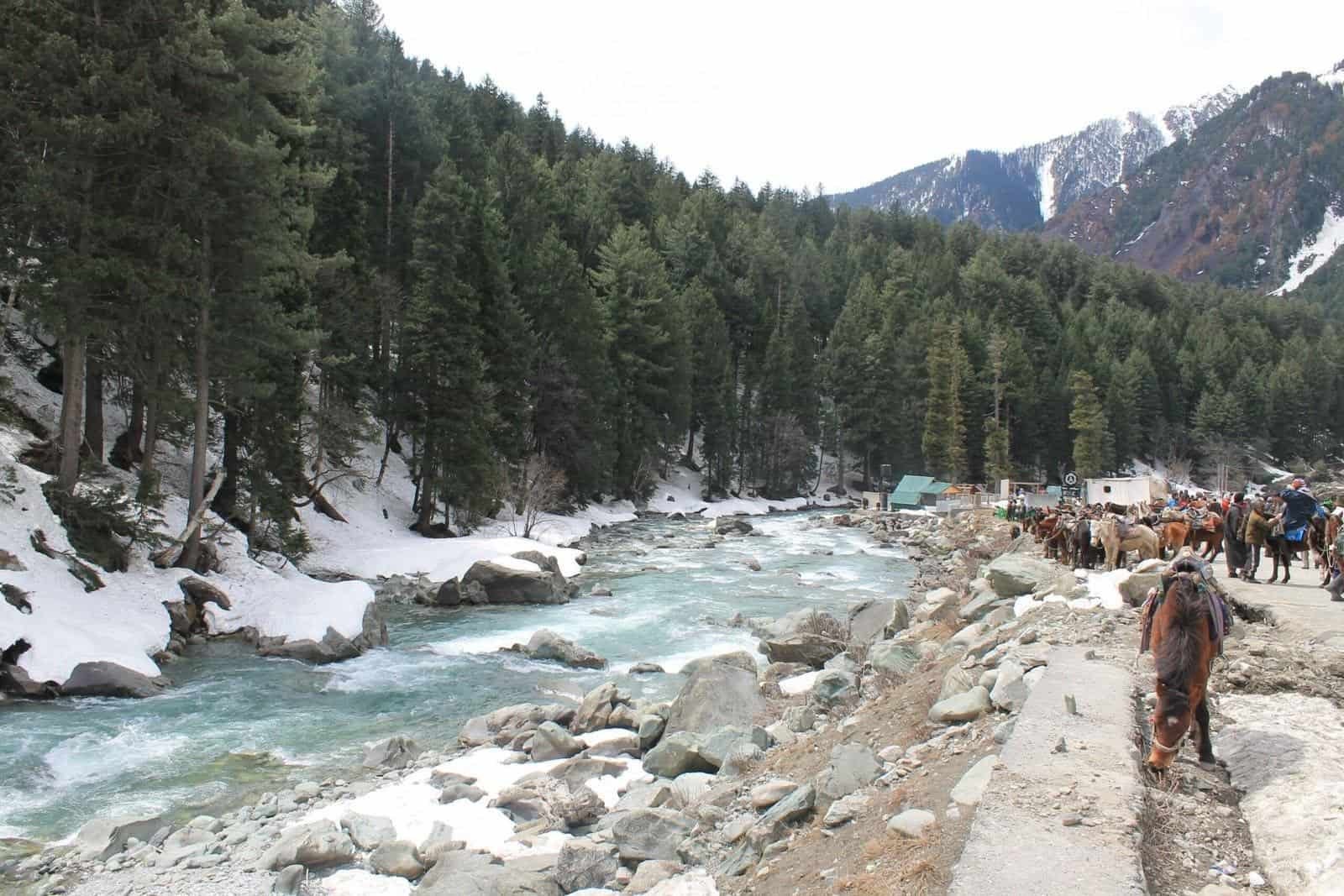
The peak season in Ladakh falls between June and September, when the weather is pleasant and all major routes, including Manali–Leh and Srinagar–Leh highways, remain open. This is the most preferred time for tourists from across India and abroad, as sightseeing, bike trips, and outdoor activities are fully accessible.
Due to high tourist inflow during these months, hotel prices, transportation costs, and activity charges increase significantly. Flight fares to Leh are also higher, and accommodation options tend to sell out quickly. Local services such as taxis, bike rentals, and guided tours are in high demand, which further pushes up prices.
During peak season, the Ladakh trip cost usually ranges between ₹15,000 and ₹25,000 per person for budget packages, and can go higher depending on comfort level, duration, and inclusions. Advance booking is strongly recommended to secure better rates and availability.
If you are planning a Ladakh trip during peak months, booking your accommodation, transport, and permits well in advance helps manage costs and avoid last-minute price surges.
Book Zanskar tour today—because some places still exist where time stands still.
Off-Season in Ladakh (October to May)
The off-season in Ladakh extends from October to May, offering a more budget-friendly way to experience the region. During this period, hotel tariffs drop, airfare becomes cheaper, and transportation costs are comparatively lower, making it ideal for travellers looking to reduce their Ladakh trip cost.
However, winter months bring extreme cold, heavy snowfall, and road closures. Many high-altitude passes and remote areas become inaccessible, and travel is largely limited to Leh and nearby regions. Facilities and tourist services are also limited during deep winter.
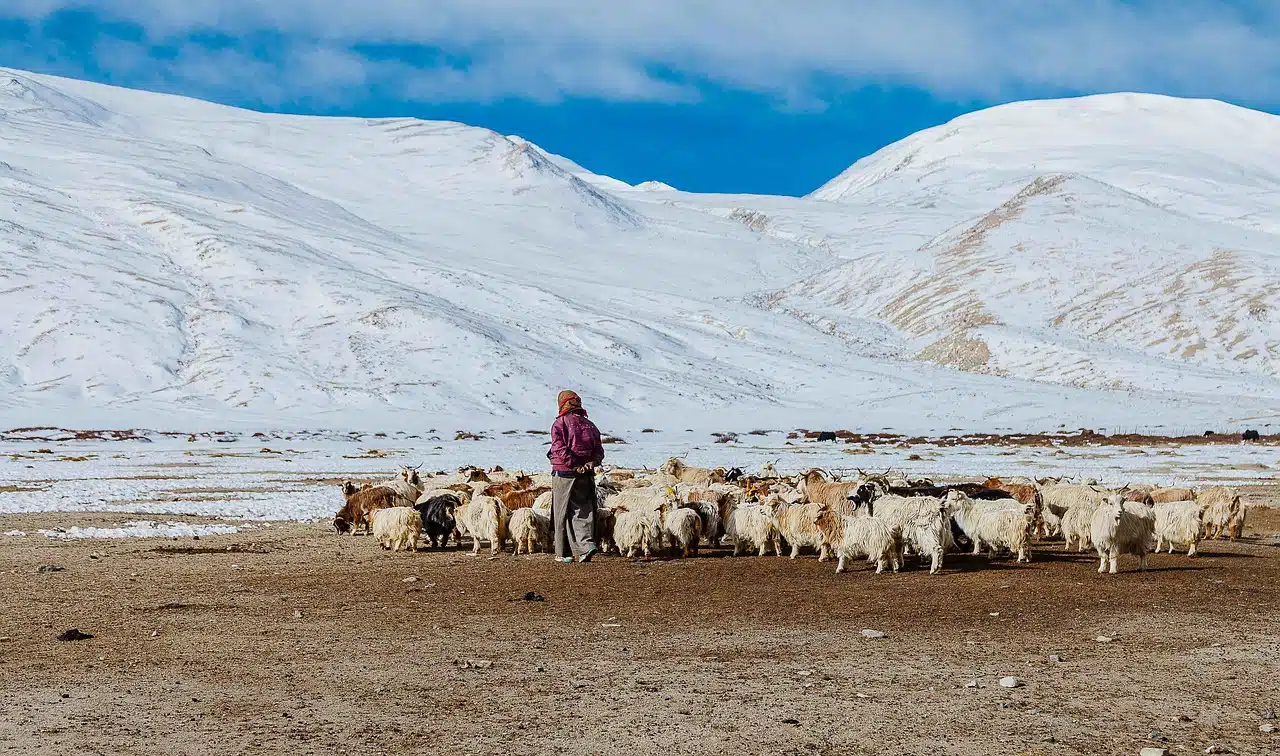
Despite these challenges, off-season travel appeals to those who enjoy solitude and dramatic winter landscapes. Snow-covered monasteries, frozen rivers, and peaceful surroundings offer a completely different experience of Ladakh.
For travellers seeking fewer crowds, lower expenses, and a quieter journey, the off-season can be rewarding, provided weather conditions and accessibility are carefully considered.
Duration of Stay
The duration of your stay plays a major role in determining the total Ladakh trip cost. Longer trips naturally increase expenses related to accommodation, meals, and local transportation. However, certain costs such as permits and entry fees remain the same regardless of how many days you spend in Ladakh.
Shorter trips are generally more budget-friendly but may limit your ability to explore Ladakh properly. With fewer days, travellers often rush through destinations and may miss out on key experiences like Pangong Lake, Nubra Valley, or monastery visits.
Longer stays allow for better acclimatisation, relaxed sightseeing, and access to remote regions. While this enhances the overall experience, it also increases daily expenses, which raises the overall cost of the Ladakh vacation. Planning the right duration helps balance both experience and budget.
Travel Style in Ladakh
Your travel style significantly impacts the cost of a Ladakh trip. Budget travellers who opt for shared taxis, public transport, hostels, or homestays, and eat at local dhabas can explore Ladakh at a much lower cost while still enjoying an authentic experience.
On the other hand, choosing premium hotels, private taxis, fine-dining restaurants, and guided tours increases expenses considerably. Adventure activities, customised itineraries, and visits to offbeat or remote locations also add to the total cost.
The final budget depends on personal preferences and the type of travel. Costs vary if you are travelling solo, with friends, as a couple, or with family. Understanding your travel style in advance helps in planning a Ladakh trip that fits both expectations and budget.
Essential Information For Ladakh Trip Cost
Planning a Ladakh trip requires a clear understanding of costs, as expenses vary based on travel style, season, duration, and the type of experience you choose. Below is a detailed breakdown to help you estimate your budget accurately.
Ladakh Trip Cost Per Person
The Ladakh trip cost per person depends on factors such as season, length of stay, accommodation type, and transportation preferences.
For a 5–7 day budget trip, expenses typically range between ₹15,000 and ₹25,000 per person, excluding flight tickets. This includes basic accommodation such as homestays or guesthouses, shared transportation, and meals at local dhabas or small restaurants.
A mid-range Ladakh trip generally costs between ₹30,000 and ₹45,000 per person. This allows stays in standard hotels, private taxi services for sightseeing, and meals at decent restaurants offering better comfort and convenience.
For those opting for a luxury Ladakh experience, the cost can go beyond ₹50,000 per person. This includes accommodation in 3-star or 4-star hotels, premium dining options, private tours, and personalised services.
Flight costs are not included in the above estimates and usually range from ₹6,000 to ₹15,000, depending on the season and departure city. Additional activities such as river rafting, ATV rides, or visiting offbeat destinations can further increase the total Ladakh trip cost. Planning a well-balanced itinerary helps control expenses while ensuring a memorable experience.
Ladakh Trip Cost for Couple
A Ladakh trip for couples can be planned across different budgets depending on comfort and experiences. For a 5–7 day trip, the cost usually ranges between ₹35,000 and ₹55,000 per couple for a budget experience. This includes guesthouse stays, shared transportation, local meals, and basic sightseeing.
A mid-range couple trip costs around ₹60,000 to ₹90,000, offering private taxis, comfortable hotels, better dining options, and a relaxed itinerary covering Leh, Nubra Valley, and Pangong Lake.
For couples seeking privacy and premium comfort, a luxury Ladakh trip can exceed ₹1,20,000, covering high-end hotels, private guides, curated experiences, and exclusive sightseeing. Flight costs are additional and depend on travel season and city of departure.

Ladakh solo trip cost
A Ladakh solo trip is ideal for backpackers and adventure seekers looking for flexibility. A 7-day budget solo trip usually costs between ₹20,000 and ₹30,000, excluding flights. This budget includes hostels or homestays, shared taxis or buses, and meals at local dhabas.
If you prefer more privacy and comfort, staying in standard hotels and using private taxis can increase the cost to ₹40,000–₹50,000. Solo travelers often save money by joining shared tours and transport, making Ladakh one of the best destinations for budget-friendly solo travel in India.
Ladakh Group Trip Cost
Group travel significantly reduces the overall Ladakh trip cost per person. For groups of 4–8 people, a 6–7 day Ladakh trip can cost around ₹18,000 to ₹30,000 per person without flights.
The shared cost of transportation, accommodation, and guides makes group trips economical while allowing better coverage of destinations like Nubra Valley, Pangong Lake, and Khardung La. Larger groups can also negotiate better hotel and vehicle prices, making this an ideal option for friends or corporate trips.

Family Trip Cost to Ladakh
A family trip to Ladakh requires additional planning for comfort, safety, and acclimatization. For a family of four, the total cost for a 5–7 day trip generally ranges between ₹70,000 and ₹1,10,000, depending on accommodation and transport choices.
This includes private taxis, family-friendly hotels, comfortable meals, and relaxed sightseeing. Families often avoid aggressive itineraries, which slightly increases daily costs but ensures a safe and enjoyable experience. Flight costs are extra and vary based on season and booking time.
Ladakh Bike Trip Cost
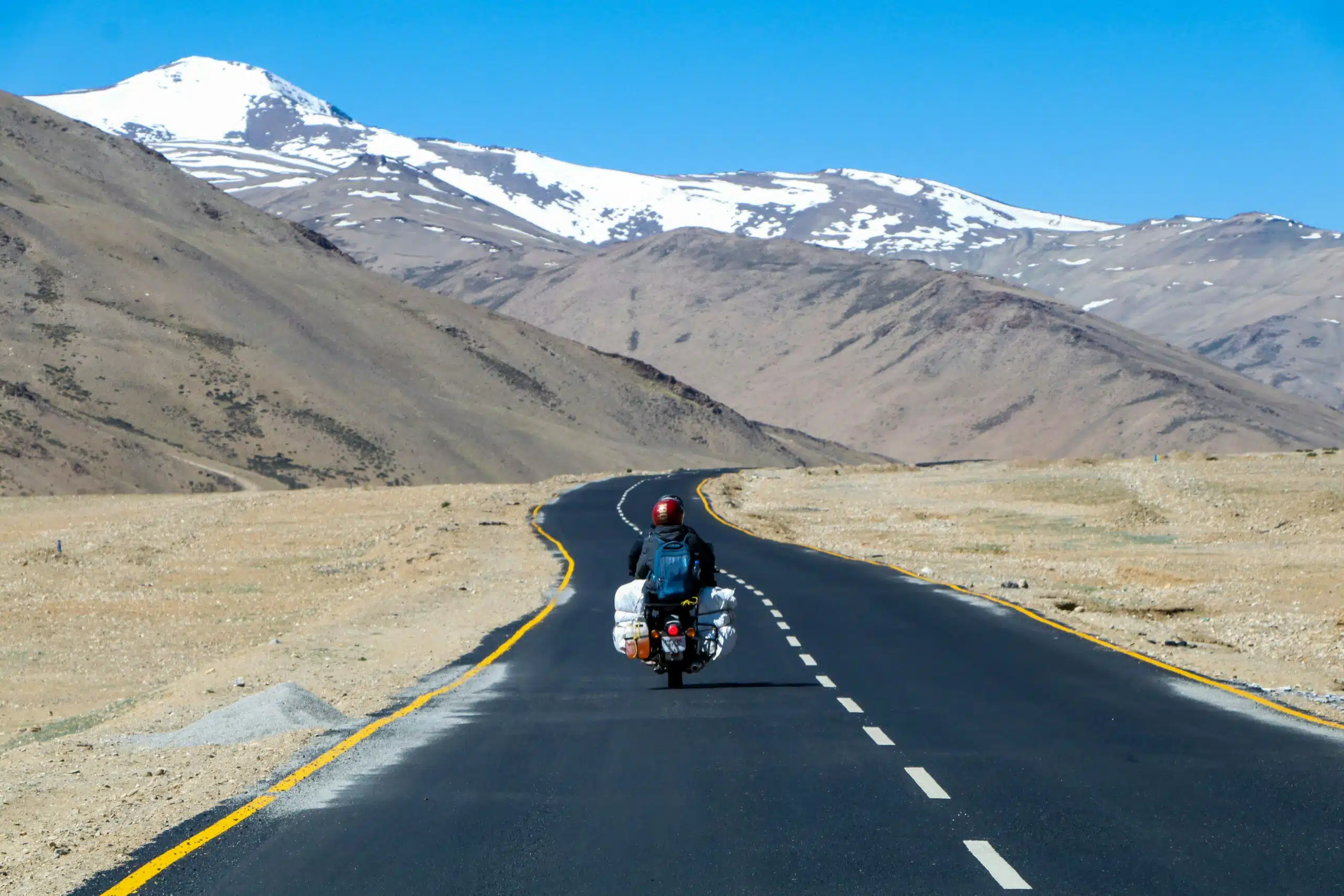
A Ladakh bike trip is one of the most popular ways to explore the region. A 7–10 day Ladakh bike trip costs between ₹25,000 and ₹40,000 per person, excluding flights. This includes bike rentals, fuel, basic accommodations, meals, permits, and mechanical support.
If you bring your own bike, the cost may reduce slightly, but transportation of the bike adds additional expenses. Guided bike tours with backup vehicles and mechanics can increase the cost to ₹45,000–₹60,000, offering safety and convenience for long-distance riders.
Season-Wise Cost Comparison for Ladakh Trip
Understanding how seasons impact the Ladakh trip cost helps travelers plan better, avoid surprises, and choose the right time based on budget, comfort, and accessibility.
Peak Season Ladakh Trip Cost (June–September)
The peak season in Ladakh runs from June to September, when all major roads, passes, and tourist attractions are accessible. This is also the most expensive time to visit.
During peak months, a 5–7 day Ladakh trip cost ranges between ₹30,000 and ₹45,000 per person, excluding flights. Accommodation prices are higher due to demand, bike rentals cost more, and private taxis charge premium rates.
Flights to Leh during peak season are also expensive and can cost ₹12,000–₹20,000 round trip if not booked early. Despite higher costs, this season is ideal for sightseeing, bike trips, trekking, and first-time visitors.
Off-Season Ladakh Trip Cost (October–May)
The off-season in Ladakh extends from October to May, when tourist footfall drops significantly. Travel during this period is more affordable but comes with weather-related limitations.
A Ladakh trip during the off-season usually costs between ₹18,000 and ₹30,000 per person for a 5–7 day itinerary. Hotel prices drop by 30–50 percent, and flights are considerably cheaper.
However, many high-altitude routes, including Pangong Lake and Nubra Valley, may be inaccessible during heavy snowfall, especially from December to February.
Ladakh Trip Cost in Winter (December–February)
Winter is the coldest and least crowded season in Ladakh. Temperatures can drop to -20°C, and only limited areas around Leh remain accessible.
A winter Ladakh trip cost ranges between ₹15,000 and ₹25,000 per person, excluding flights. Accommodation and local transport are cheaper, and flights are often available at discounted rates.
Winter trips are suitable for travelers seeking solitude, photography, snow landscapes, and cultural experiences. However, adventure activities and long road trips are limited, making winter ideal for short, slow-paced itineraries.
Cheapest Month to Visit Ladakh
The cheapest months to visit Ladakh are January, February, and early March. During this time, accommodation prices are at their lowest, flight fares are minimal, and tourist crowds are almost non-existent.
A budget traveler can plan a short Ladakh trip for ₹15,000–₹20,000 per person, excluding flights. However, travelers must be prepared for extreme cold, limited mobility, and minimal tourist facilities.
For those balancing cost and accessibility, late April and early October are also great shoulder-season options, offering moderate prices with fewer crowds.
Miscellaneous Expenses On Your Ladakh Trip
While planning your Ladakh trip cost, many travellers focus only on accommodation and transport. However, several additional expenses play a crucial role in shaping your overall budget. Accounting for these beforehand helps avoid surprises during the journey.
Opting for travel insurance is strongly recommended when visiting Leh Ladakh due to its remote terrain and high-altitude conditions. Travel insurance usually costs between ₹500 and ₹2,000, depending on coverage.
A good policy covers:
- Medical emergencies and hospitalization
- High-altitude sickness treatment
- Trip delays or cancellations
- Loss of luggage or personal belongings
Since Ladakh has limited medical facilities outside Leh, insurance adds a layer of financial and mental security. Planning in advance also helps avoid unnecessary expenses. Referring to a proper Leh Ladakh packing checklist can prevent last-minute shopping, which often increases trip costs.
To visit certain areas in Ladakh, an Inner Line Permit (ILP) is mandatory.
- Indian nationals require ILP for regions like Nubra Valley, Pangong Lake, Tso Moriri, and Hanle
- Foreign nationals need a Protected Area Permit (PAP), which can only be obtained through registered travel agencies
Permits can be applied for online or collected from designated offices in Leh. The permit cost is nominal, usually ranging between ₹300 and ₹600 per person, including environmental and wildlife fees.
It is advisable to carry multiple photocopies of the permit, as they are checked at several army and check-post locations.
Health-related expenses are a crucial part of the Leh Ladakh trip cost, especially due to high altitude and low oxygen levels.
You should budget ₹500 to ₹2,000 for:
- Medicines for altitude sickness (AMS)
- Cold, cough, fever, acidity, and indigestion
- Motion sickness tablets
- ORS packets and hydration salts
- A basic first-aid kit with bandages, antiseptic, and pain relief sprays
Some travellers also opt for portable oxygen cans, which cost around ₹500 to ₹1,000 and can be useful during the initial acclimatisation days. Being medically prepared ensures a safer and more enjoyable experience, especially in remote regions where pharmacies are scarce.
Communication can be challenging in Ladakh due to limited and unreliable network coverage, especially in remote regions like Nubra Valley, Pangong Lake, and Tso Moriri. Prepaid SIM cards do not work in Ladakh, so travellers should carry a postpaid SIM, preferably from BSNL or Airtel, as these offer the widest coverage in the region.
Purchasing or upgrading to a postpaid connection, along with occasional data usage, can increase your Leh Ladakh trip cost by around ₹500 to ₹1,000. Internet connectivity is slow and inconsistent, so it is advisable to download maps, travel details, and emergency contacts in advance. Staying prepared helps avoid inconvenience during long drives and high-altitude stays.
Shopping is an essential part of the Ladakh experience, especially for travellers who wish to take back meaningful souvenirs. Adding shopping expenses to your Leh Ladakh trip cost depends entirely on personal interest and budget, generally ranging between ₹1,000 and ₹5,000.
Popular items to buy include Pashmina shawls, traditional Ladakhi jewellery, handicrafts, prayer flags, apricot products, and local artefacts. Purchasing from local markets not only gives you authentic souvenirs but also supports local artisans and small communities. It is recommended to shop from government-authorised stores or trusted local sellers to ensure quality and fair pricing.
Popular Places In Ladakh
Nubra Valley
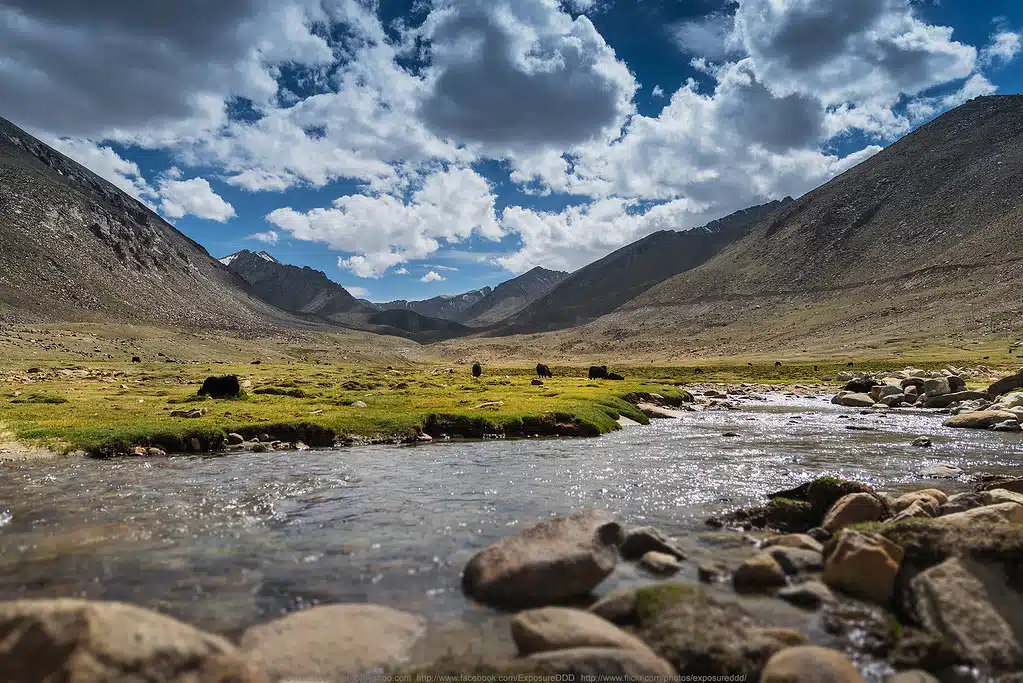
Nubra Valley is one of the most scenic and culturally rich regions of Ladakh, located around 120 km from Leh and accessible via the famous Khardung La Pass, one of the world’s highest motorable roads. The valley lies at the confluence of the Shyok and Nubra rivers and is known for its dramatic landscapes, cold desert terrain, and lush green pockets.
Despite being close to sensitive border regions, Nubra Valley is open to tourists with the required permits. Fewer crowds, peaceful surroundings, and unique attractions like sand dunes, double-humped Bactrian camels, monasteries, and riverside campsites make it a must-visit destination. Staying in Nubra also adds a unique experience to your Leh Ladakh trip without significantly increasing the overall trip cost.
Pangong Lake
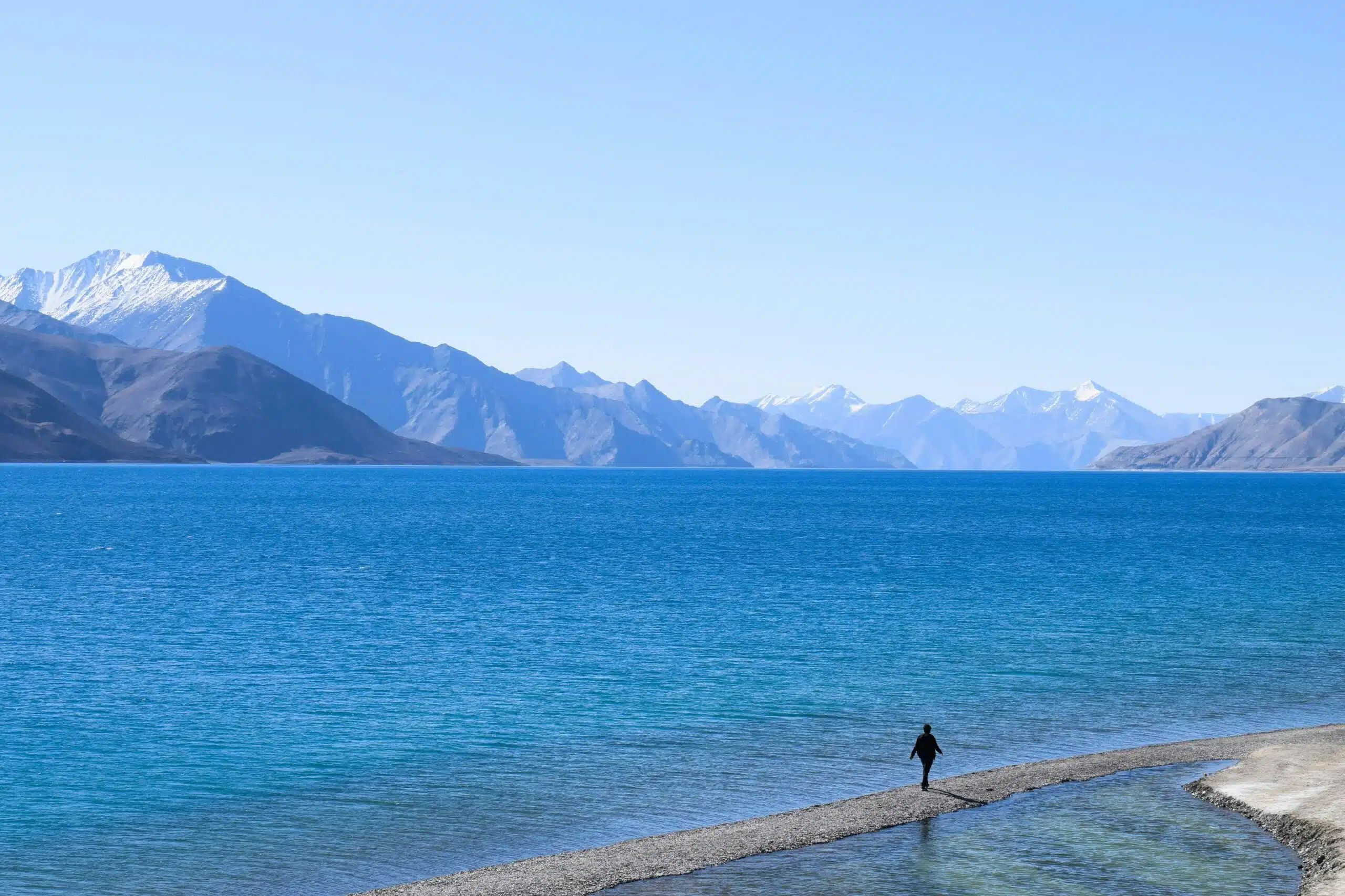
Pangong Lake is one of the most iconic and photographed places in Ladakh, located at an altitude of approximately 14,270 feet above sea level. Surrounded by rugged mountains, the lake stretches across India and China, with nearly 60 percent of it lying across the international border.
What makes Pangong Lake truly special is its ever-changing shades of blue, green, and grey, depending on sunlight and weather conditions. Every year, thousands of travellers visit Pangong for its serene beauty, photography opportunities, birdwatching, and peaceful atmosphere. While accommodation options are limited and basic, a visit to Pangong Lake is often the highlight of a Leh Ladakh tour and is well worth the cost involved.
Tso Moriri Lake
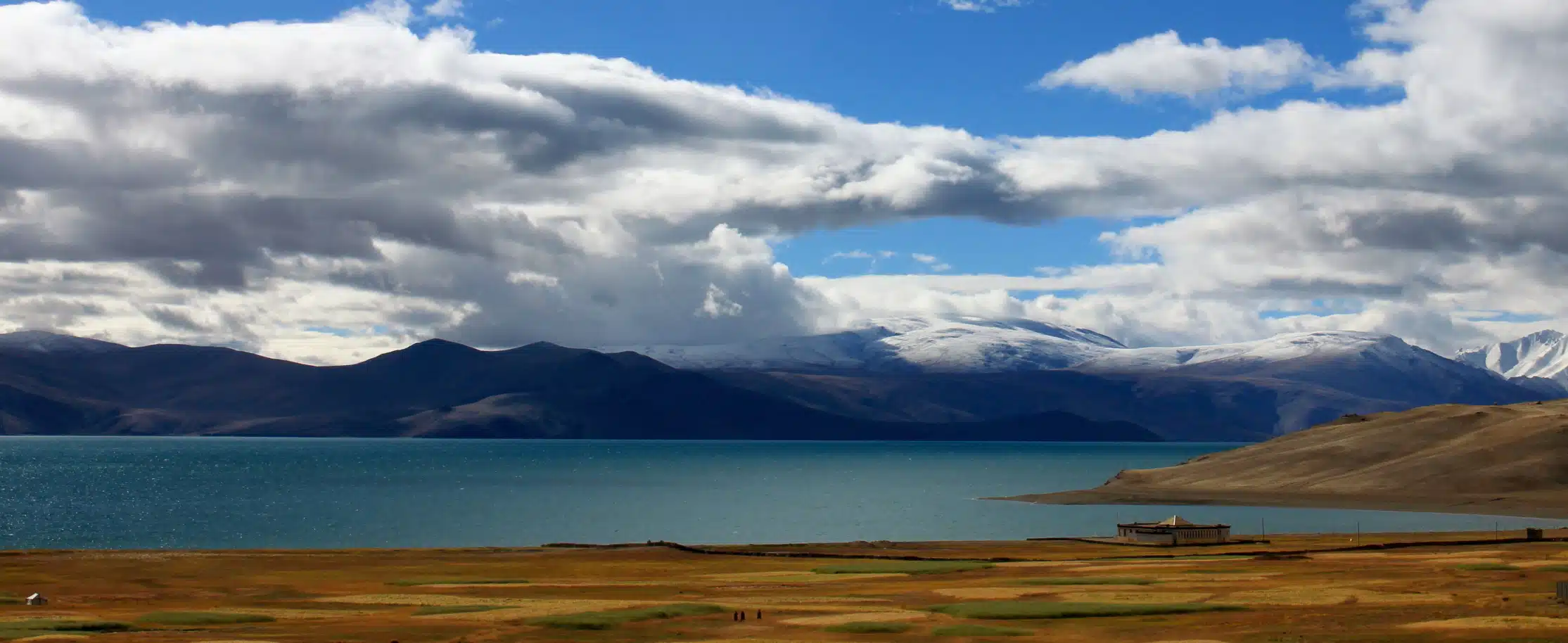
Tso Moriri is among the most pristine and least crowded high-altitude lakes in Ladakh, offering unmatched tranquillity and natural beauty. Located in the Changthang region, it sits at an altitude of around 15,000 feet, making it one of the highest lakes in India.
Spreading across nearly 28 km, Tso Moriri is also a Ramsar-listed wetland, home to rare migratory birds like Brahminy ducks, bar-headed geese, and seagulls. The calm environment, crystal-clear waters, and vast open landscapes make it ideal for travellers seeking solitude and raw Himalayan beauty. Though reaching Tso Moriri may slightly increase your Ladakh trip cost due to distance and permits, the experience is deeply rewarding.
Leh City
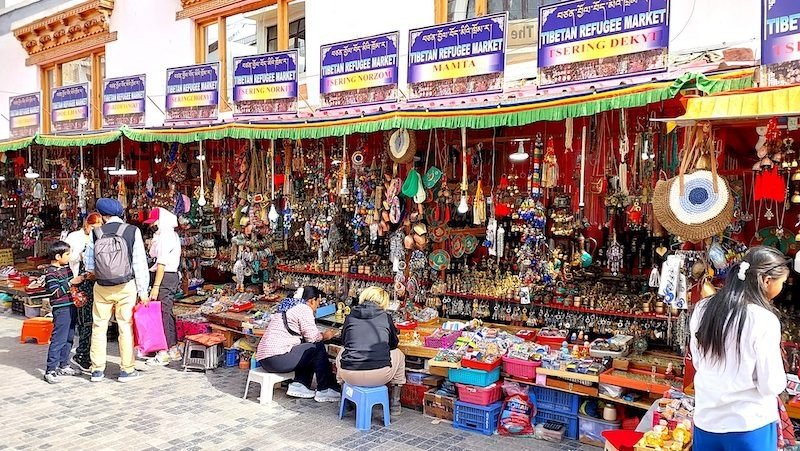
Leh City, the capital of Ladakh, is the heart of the region and the first stop for most travellers. Nestled between the Great Himalayas and the Karakoram Range, Leh attracts visitors from across the world for its dramatic landscapes, high mountain passes, and rich cultural heritage.
Leh and Ladakh together symbolise untouched natural beauty, known for their rugged mountains, peaceful monasteries, charming villages, and vast open spaces. The city serves as the cultural and administrative centre of Ladakh and plays a key role in acclimatisation for travellers exploring higher altitudes.
As the hub of Tibeto-Buddhist culture, Leh is home to several ancient monasteries, colourful prayer flags, and traditional markets. The surrounding snow-clad mountains and barren landscapes offer travellers a chance to explore raw Himalayan beauty while experiencing Ladakh’s spiritual and cultural essence.
Diskit Monastery
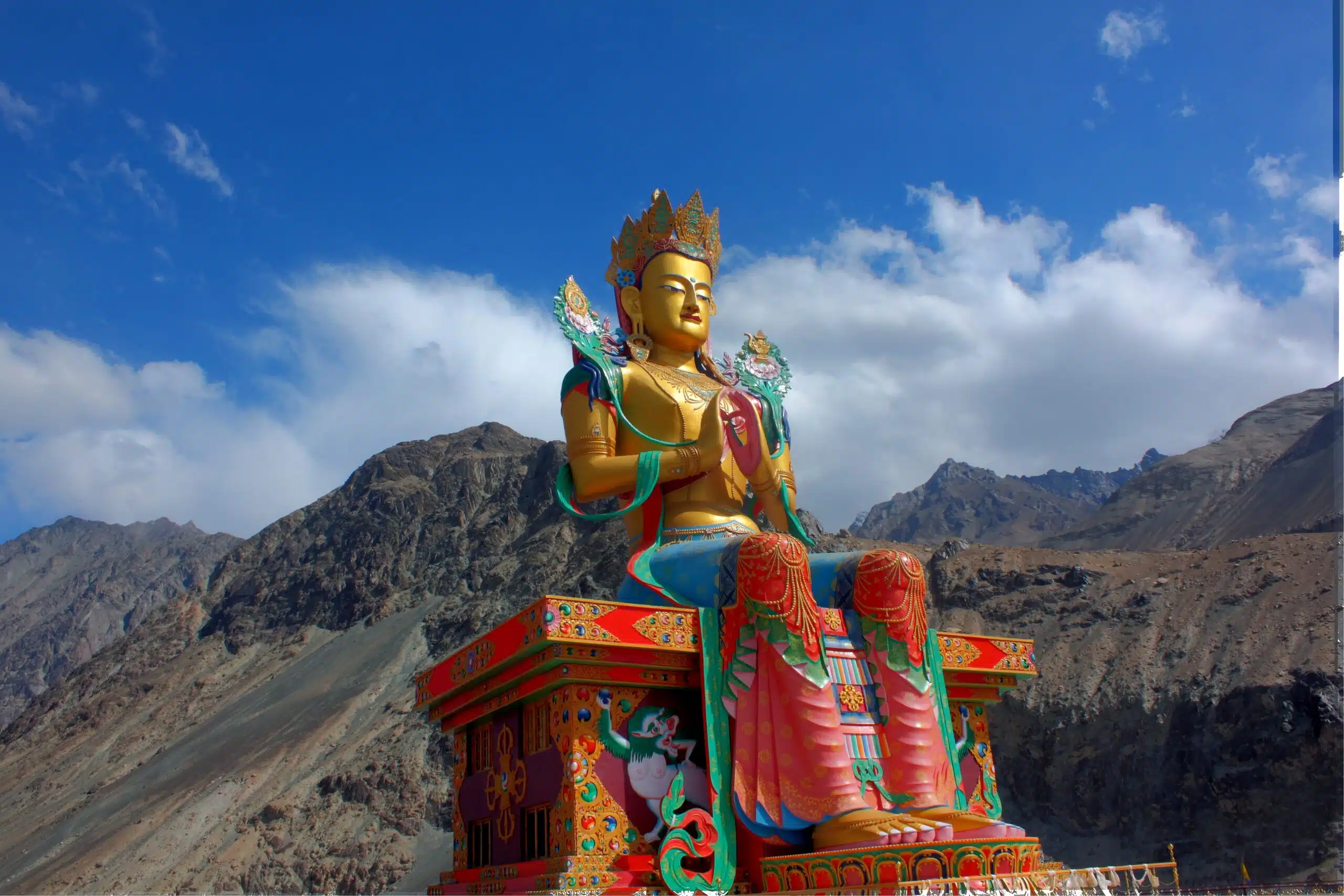
Diskit Monastery, also known as Diskit Gompa, is the oldest and largest monastery in the Nubra Valley. Founded in the 14th century by Changzem Tserab Zangpo, a disciple of Tsongkhapa and founder of the Gelugpa sect of Tibetan Buddhism, the monastery holds immense religious significance.
Perched atop a hill overlooking the Shyok River, Diskit Monastery offers panoramic views of the Nubra Valley. It is also known for its connection to the Thiksey Monastery and serves as an important centre of Buddhist learning in the region.
One of the major highlights of Diskit Monastery is the Dosmoche Festival (also spelled Desmochhey), which translates to the “Festival of the Scapegoat.” During this annual event, large gatherings from Nubra Valley villages come together to witness rituals, masked dances, and traditional ceremonies.
Lamayuru Monastery
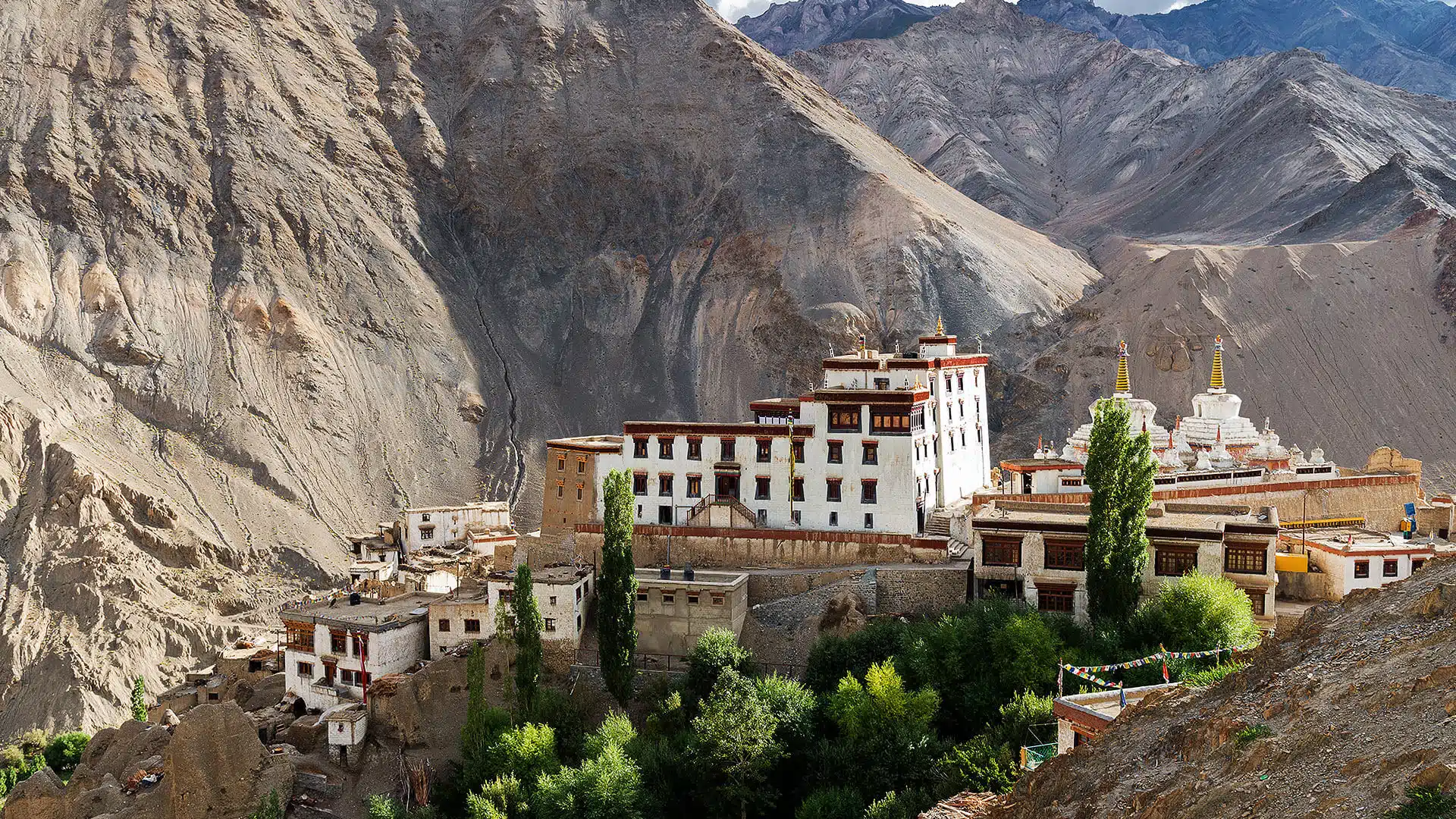
Lamayuru Monastery, famously known as the “Moonscape of Ladakh,” is one of the most visually striking monasteries in the region. Located around 15 km off the Srinagar–Leh Highway, it is easily accessible and makes for an ideal one-day trip from Leh.
Once home to nearly 400 monks, the monastery now houses around 30–50 lamas, maintaining its spiritual atmosphere. The surrounding terrain resembles a lunar surface due to its unique geological formations, making Lamayuru a favourite among photographers and nature lovers.
The monastery is best known for the Yuru Kabgyat Festival, held annually in the Tibetan months corresponding to March and July. The festival’s highlight is the vibrant masked dance performed by lamas, symbolising the victory of good over evil. Burning of effigies is also an important ritual during the celebration.

Khardung la pass
Khardung La Pass, popularly referred to as the highest motorable pass in the world by the Border Roads Organisation (BRO), is a must-visit highlight of any Leh Ladakh trip. Located at a distance of about 40 km from Leh, this high-altitude mountain pass serves as the gateway to the Nubra Valley and Shyok Valley.
The pass is adorned with colourful Tibetan prayer flags fluttering against dramatic Himalayan backdrops, offering a surreal experience. Khardung La remains accessible between May and October, depending on weather conditions, and plays a crucial role as part of the ancient caravan trade route connecting Leh to Kashgar.
Driving through this iconic pass is an adventure in itself and offers breathtaking views, thin mountain air, and a true sense of Ladakh’s rugged charm. Missing Khardung La means missing one of the most thrilling experiences of the region.
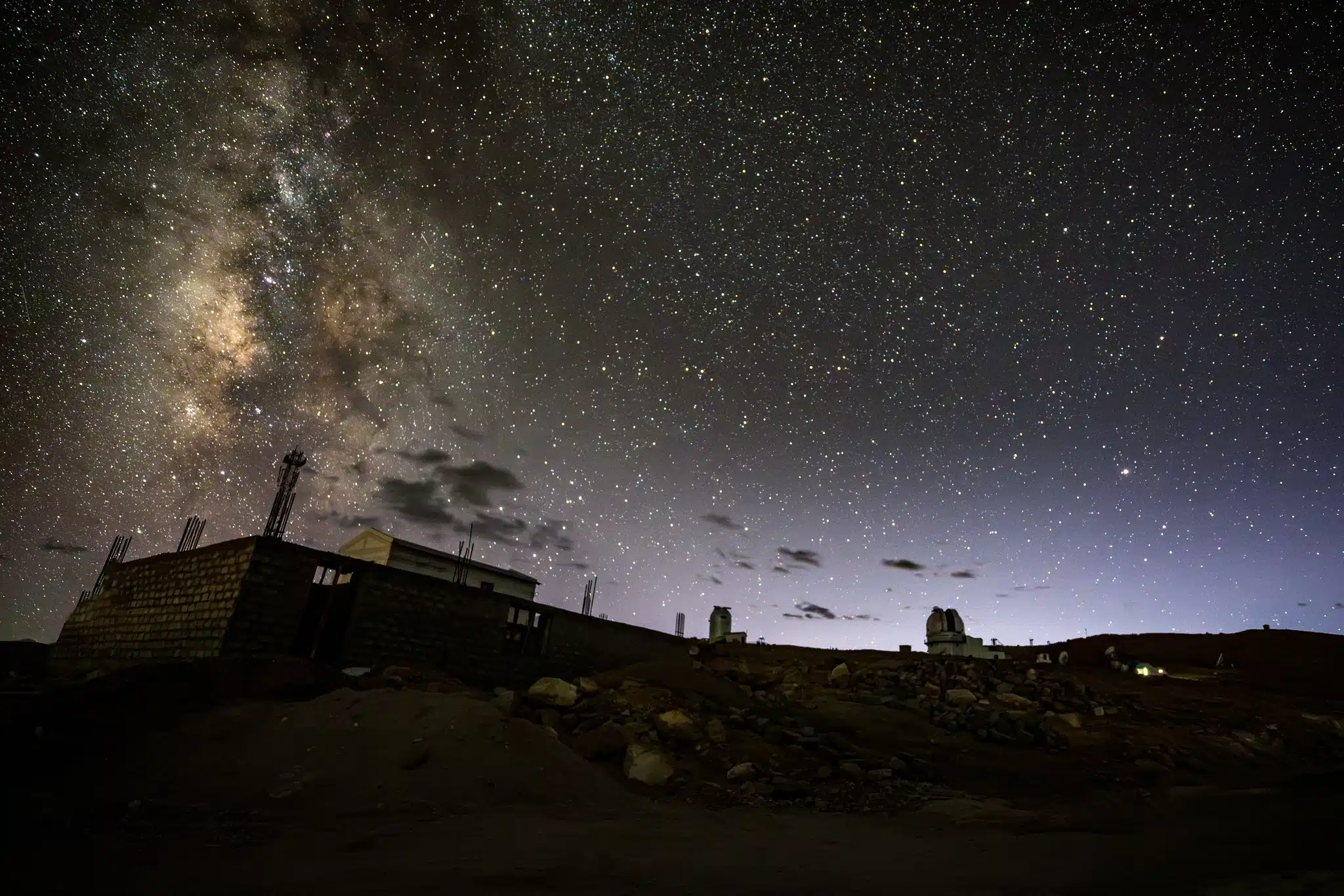
Hanle Dark Sky Reserve
Hanle is one of the most extraordinary destinations in Ladakh, renowned for its exceptionally clear skies and arid climate. It is home to the Indian Astronomical Observatory (IAO), operated by the Indian Institute of Astrophysics, and houses some of the most advanced telescopes in the country.
Due to negligible light pollution, Hanle offers some of the darkest night skies in India, making it a paradise for astronomers and astrophotography enthusiasts. Over the years, amateur and professional astronomers from across the country have travelled here to observe and photograph distant celestial objects invisible from urban regions.
Recognising its astronomical significance, the Union Territory of Ladakh has officially designated a 22-kilometre radius around Hanle as the Hanle Dark Sky Reserve (HDSR). This makes it one of the best stargazing destinations in India and a unique addition to any Ladakh itinerary.
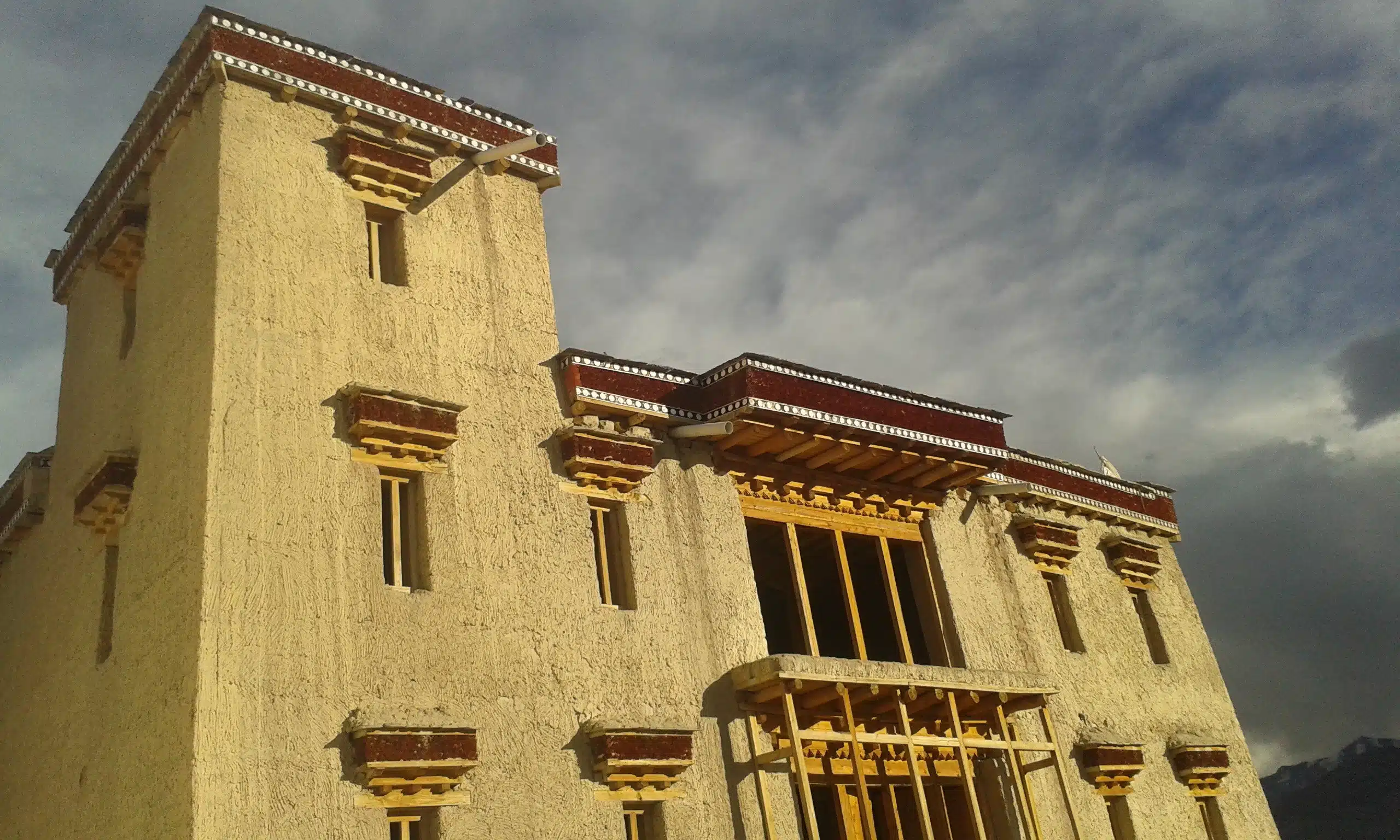
Shey palace
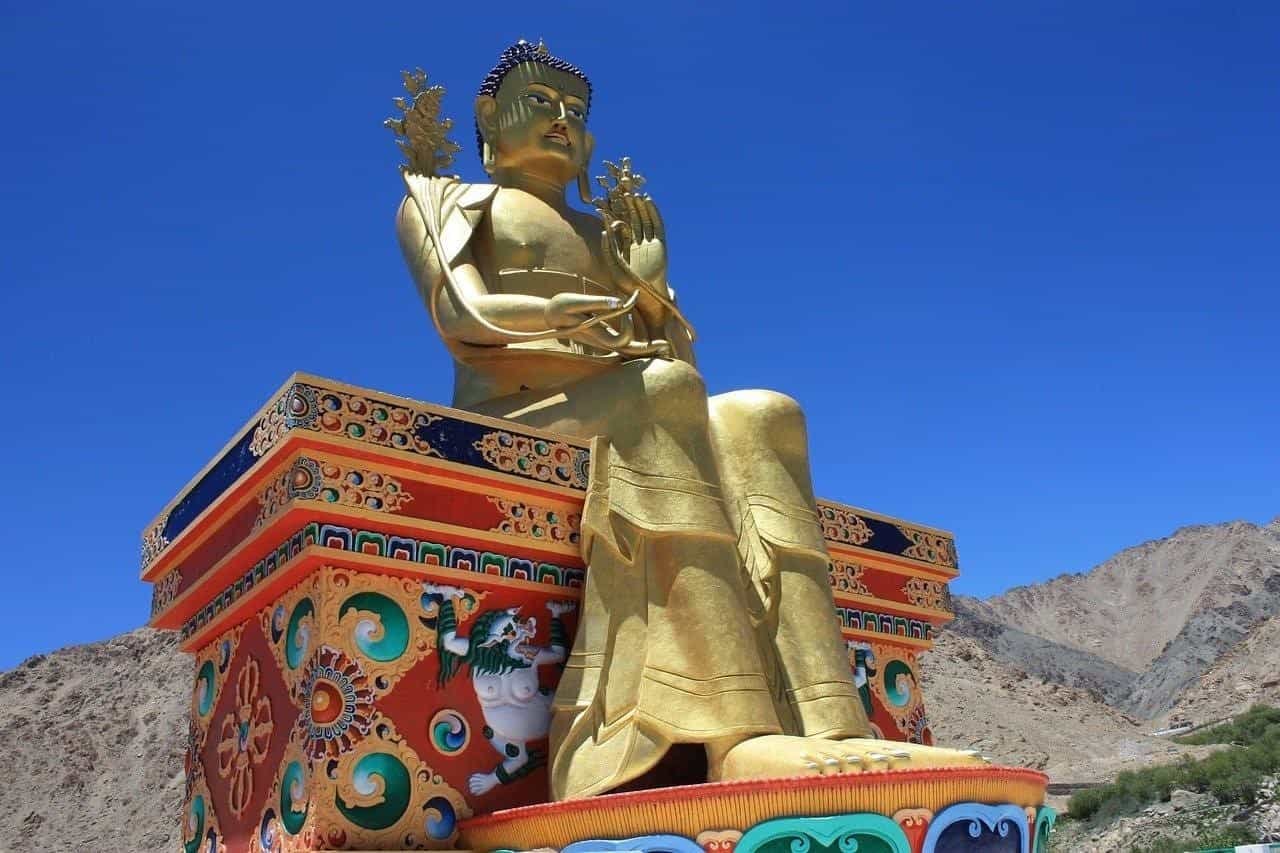
Shey Palace, also known as Shey Gompa, is a historic and spiritual landmark located close to Leh. It is best known for housing a three-storey-tall, gold-covered copper statue of Shakyamuni Buddha, believed to be the second-largest Buddha statue in Ladakh.
Perched in a scenic location, the palace offers panoramic views of the surrounding valleys and neighbouring monasteries such as Matho, Thiksey, Stok, Stakna, and Leh. Once the summer capital of Ladakh, Shey Palace holds immense historical importance.
Inside the partially ruined palace, visitors can witness butter lamps with a continuously burning flame that is maintained throughout the year. These lamps are refilled annually to ensure the flame never extinguishes, symbolising eternal faith and devotion.
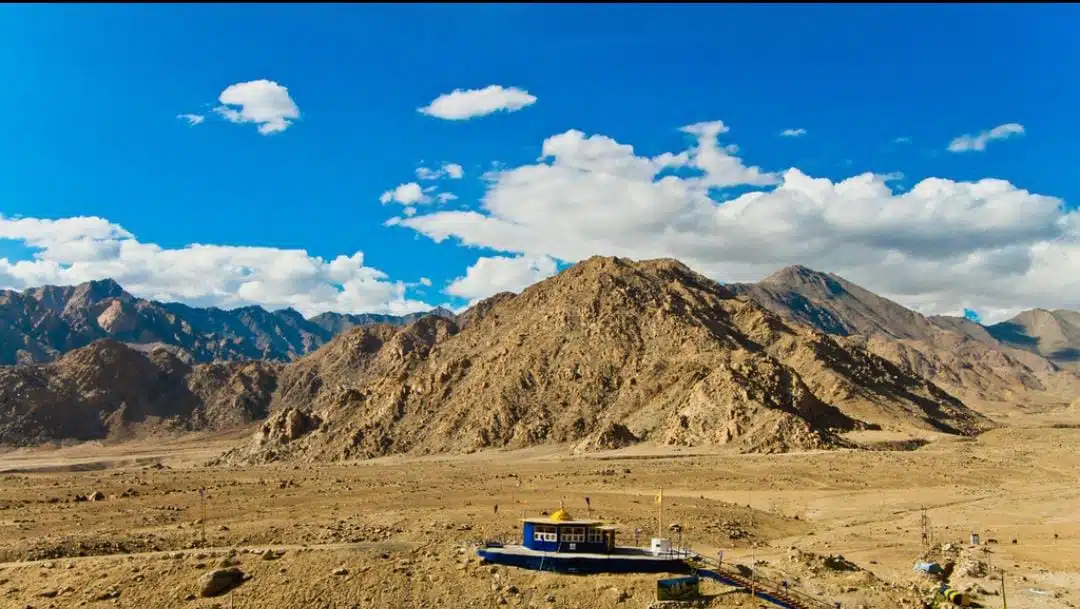
Gurudwara pathar sahib
Gurudwara Pathar Sahib is one of the most sacred religious sites in Ladakh and holds deep spiritual significance for the Sikh community. Located around 25 km from Leh on the Leh–Kargil road, this revered gurudwara is closely associated with Guru Nanak Dev Ji, the founder of Sikhism.
According to legend, during his third Udasi (religious pilgrimage) in the late 15th century, Guru Nanak visited this region and meditated here. It is believed that an evil demon attempted to harm the Guru by rolling a massive boulder down from a nearby hill. Miraculously, as the rock touched Guru Nanak, it softened, leaving an imprint of his body and sparing him from harm.
This sacred rock is preserved inside the gurudwara and is the reason the site is named Pathar Sahib, which translates to “the revered stone.” The gurudwara was later constructed by the Indian Army in 1970 and is maintained jointly by the army and local Sikh communities.
Surrounded by rugged mountains and serene landscapes, Gurudwara Pathar Sahib offers a peaceful atmosphere where visitors can experience spirituality, history, and calmness. It is a must-visit stop on any Leh Ladakh sightseeing itinerary, especially for those interested in religious tourism and cultural heritage.
Ladakh Itinerary
Day 1 Arrival in Leh | Acclimatization & Local Exploration
Day 1 marks your arrival in Leh. Upon landing, you can either book a taxi to your hotel or, if traveling with Cliffhangers India, our team will be waiting at the airport to welcome you and assist with the transfer to your stay.
It is advisable to book a morning flight so that you have the rest of the day for acclimatization and light exploration. After breakfast, take sufficient time to rest and allow your body to adjust to the high altitude.
In the evening, step out for gentle local sightseeing. Avoid long-distance travel or physically demanding activities on the first day, as acclimatization is crucial in Leh.
You can explore nearby markets, go café hopping to try authentic Ladakhi cuisine, or shop for Tibetan handicrafts and souvenirs. After a relaxed evening, return to your hotel for dinner and a comfortable overnight stay, preparing for the days ahead.
Day 2 Leh Sightseeing
Begin your day with a visit to Leh Palace, a historic nine-story structure that offers panoramic views and insights into Ladakh’s royal past. Continue to Thiksey Monastery, one of the largest and most architecturally striking monasteries in Ladakh, known for its spiritual significance.
Next, visit the iconic Shanti Stupa, built to commemorate 2,500 years of Buddhism and offering stunning views of Leh town.
After enjoying a simple lunch at a local café, head to Shey Palace and Monastery, which provides breathtaking views of the Indus Valley. End the day with a visit to the Hall of Fame, a museum dedicated to the Indian Army.
To keep costs low, shared taxis or public transport can be used for sightseeing. Return to your hotel for dinner and rest.
Day 3 Nubra Valley Sightseeing
Day 3 takes you through some of Ladakh’s highest mountain passes and dramatic landscapes. Drive to Khardung La Pass, one of the world’s highest motorable roads, where you can stop briefly to enjoy refreshments and scenic views.
As you descend, the landscape transforms into the cold desert terrain of Nubra Valley, marked by white sand dunes and rugged mountains. Visit Diskit Monastery, the largest monastery in Nubra Valley, home to one of the tallest Buddha statues overlooking the valley.
Continue to Turtuk Village, a culturally rich village offering insight into Balti traditions and stunning scenery. Do not miss views of the Shyok River, flowing gracefully through the valley.
Budget travelers can opt for guesthouses or camps for an authentic and economical stay. Enjoy local hospitality and dinner before retiring for the night.
Day 4 Explore Pangong Lake
Start early for Pangong Lake, one of the most famous attractions in Ladakh. The journey from Nubra to Pangong via the Shyok route offers dramatic landscapes and thrilling river crossings.
Upon arrival, the striking blue hues of Pangong Lake set against barren mountains create a surreal experience. Spend the day walking along the lakeshore, clicking photographs, and soaking in the serene atmosphere.
You may also visit nearby filming locations, including the popular Three Idiots shooting point. Overnight stays are available in budget camps or homestays near the lake, offering basic yet comfortable accommodations.
Day 5 Pangong Lake to Leh
Begin your return journey to Leh, crossing Chang La Pass, another of the world’s highest motorable roads. The drive typically takes five to six hours and offers constantly changing landscapes, from rocky terrain to snow-covered peaks.
En route, stop at Tangtse Village for refreshments. Upon reaching Leh, spend time exploring Leh Market, where you can shop for Pashmina shawls, traditional jewelry, and handicrafts.
If time permits, revisit Shanti Stupa at sunset for panoramic views of Leh. Return to your hotel for a relaxed evening and overnight stay.
Day 6 Departure from Leh
On the final day, check out from your hotel as per schedule and transfer to Kushok Bakula Rimpochee Airport. It is recommended to arrive at the airport at least two hours before departure. As your flight takes off, enjoy the final aerial views of Ladakh’s majestic mountains, bringing your unforgettable journey to a close.
For travelers with limited time, a shorter 3-day Leh itinerary focusing on key highlights can also be planned.
FAQ's
How much does a Ladakh trip cost?
The cost of a Ladakh trip depends on travel style, season, and duration. For a 5–7 day trip, a budget-friendly Ladakh tour usually costs between ₹15,000 and ₹25,000 per person. A mid-range trip with better hotels and private transport can range from ₹30,000 to ₹45,000. Luxury Ladakh trips may cost ₹60,000 or more per person, excluding flights.
Is 4 days enough for ladakh?
Four days in Ladakh are enough to cover key attractions like Leh, Nubra Valley, and Pangong Lake. However, the itinerary remains tight with limited acclimatization time. You may miss out on offbeat destinations and deeper cultural experiences. A longer stay is recommended for a relaxed and safer journey.
Is Leh ladakh expensive?
Leh Ladakh can feel expensive, especially during peak season due to its remote location. Transportation, accommodation, and activity costs tend to be higher than in other hill destinations. However, with advance planning and budget stays, Ladakh can be explored affordably. The region offers options for budget, mid-range, and luxury travelers alike.
How to plan a 7 day trip to ladakh?
A 7-day Ladakh trip should start with 1–2 days in Leh for acclimatization. After that, plan visits to Nubra Valley, Pangong Lake, and optionally Tso Moriri. Include monastery visits, local markets, and scenic drives. This duration allows a balanced mix of sightseeing, adventure, and cultural exploration.
Which time is best for ladakh?
The best time to visit Ladakh is from June to September, when roads and mountain passes remain open. The weather is pleasant, making it ideal for sightseeing, trekking, and road trips. This period also hosts local festivals and events. Winter months are best suited for travelers seeking snow and solitude.
Which is better, Leh or ladakh?
Leh is the main town and the starting point for most Ladakh trips, while Ladakh refers to the entire region. Leh is ideal for acclimatization, shopping, and monastery visits. However, exploring Ladakh beyond Leh offers diverse landscapes, high-altitude lakes, and remote valleys. To truly experience the region, traveling beyond Leh is recommended.
Is Ladakh expensive?
Ladakh can feel expensive due to its remote location, especially during peak season. Costs for flights, accommodation, and transport are higher compared to other Indian destinations. However, with proper planning, shared transport, budget stays, and off-season travel, Ladakh can be explored at a reasonable cost. Budget travelers can complete a trip within ₹15,000–₹25,000 excluding flights.
Is Ladakh safe for budget travelers?
Yes, Ladakh is considered very safe for budget travelers, including solo travelers. The region has a low crime rate, helpful locals, and well-established tourist infrastructure. Budget travelers can safely stay in hostels, guesthouses, and homestays while using shared taxis and public transport. Proper acclimatization and basic health precautions are important.
Is a bike trip cheaper than a taxi trip in Ladakh?
A Ladakh bike trip is often cheaper than hiring a private taxi, especially for solo travelers or couples. Bike rentals usually cost ₹1,000–₹2,000 per day, while private taxis can cost ₹3,000–₹5,000 per day. However, fuel, bike maintenance, and riding experience should be considered before choosing this option.
Can Ladakh be done without flight?
Yes, Ladakh can be visited without taking a flight by traveling via road routes from Manali or Srinagar. Road trips are more economical and scenic, making them popular among budget and adventure travelers. However, road travel takes more time and is seasonal, as routes remain open mainly from June to October.
Is Ladakh expensive for couples?
Ladakh is not necessarily expensive for couples if the trip is planned smartly. A couple can complete a 5–7 day trip within ₹40,000–₹70,000 excluding flights by choosing mid-range hotels, shared transport, and local dining. Luxury stays and private taxis increase the cost, but budget-friendly romantic trips are easily possible.
 Call Now