
Places To Visit In Gurez
Overview
Gurez Valley opened to civilians in 2007. Before that, it was army-only. No tourists. No hotels. Just a valley near the Line of Control that most Kashmiris had never seen.
Nineteen years later, Gurez still doesn’t feel touristy. The villages are small. The infrastructure is basic. The roads are rough. Most people who visit Kashmir never make it here. They go to Gulmarg for skiing, Pahalgam for trekking, and Dal Lake for shikaras. Gurez requires extra effort, a permit, a full day’s drive from Srinagar, and the willingness to stay in guesthouses instead of hotels.
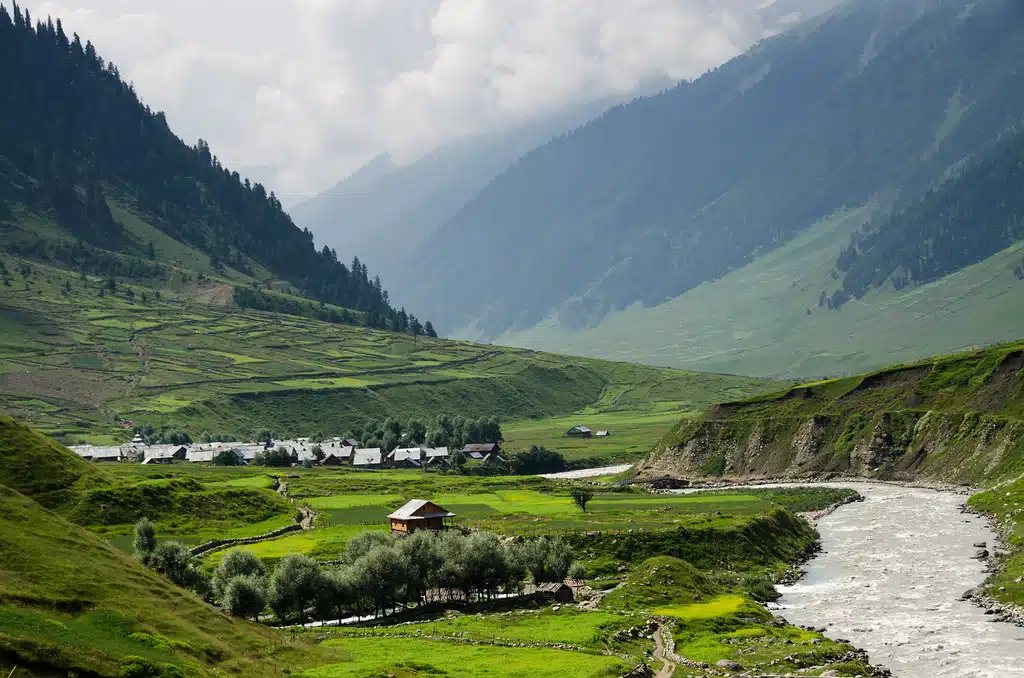
But if you make that effort, you get a valley that looks nothing like the rest of Kashmir. The landscape is different. The people are different. The language is different. This is where the Dard-Shin live, speaking Shina instead of Kashmiri. Where the Kishanganga River cuts through meadows so green they look painted. Where Habba Khatoon Peak rises like a pyramid over wooden houses that haven’t changed design in 200 years.
In 2022, Outlook Traveler named Gurez the best offbeat destination in India. That recognition brought more visitors, but numbers are still low. The valley can handle maybe 200-300 tourists at a time before guesthouses fill up. Compare that to Gulmarg, which sees thousands daily.
This guide covers the 10 places in Gurez Valley worth your time. Some are villages. Some are natural landmarks. One is a mountain pass you have to cross just to enter the valley. All of them show you a version of Kashmir that tourism hasn’t flattened yet.
Popular Gurez Valley Tours

3D/ 2N
6D/ 5N

10D/ 9N
5D/ 4N
01. Dawar Town - The Heart of Gurez
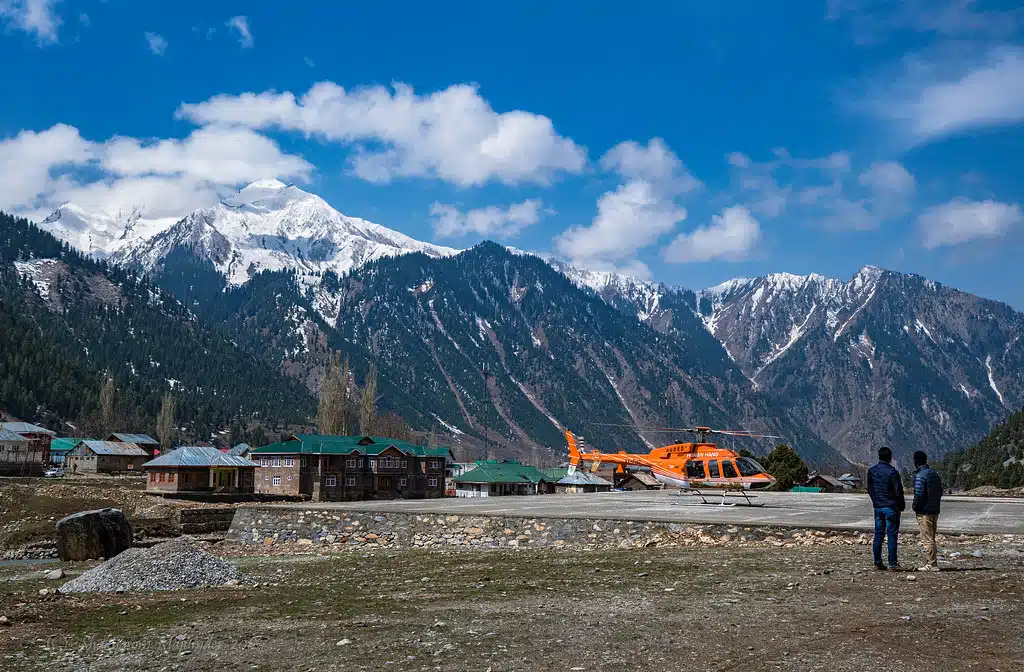
Dawar is the administrative center and largest settlement in Gurez Valley. Population is around 2,000-3,000 people. It’s where the hotels are, where the market is, where the police station issues permits for Chakwali, and where the only petrol pump in the valley operates.
Dawar isn’t picturesque in the way mountain villages are supposed to be. It’s functional. A main street with shops selling basics—rice, flour, kerosene, mobile recharge coupons, warm clothing. A few hotels and guesthouses. A government office. A small hospital. An ATM (often out of cash). It looks like a frontier town, which is essentially what it is.
The town sits on relatively flat land compared to the surrounding mountains. The Kishanganga River flows nearby. Habba Khatoon Peak looms to the east. The houses are a mix of traditional log construction and newer concrete buildings.
- Walk the Market: Dawar’s market is a single street, maybe 200 meters long. Shops sell essentials. There’s a bakery that makes fresh bread every morning. A few general stores. A shop that sells Kashmiri shawls and handicrafts (prices are lower than Srinagar). The market is where locals gather, so it’s where you see daily life, people buying vegetables, discussing news, drinking tea at roadside stalls.
- Visit the Dard-Shin Museum: There’s a small museum in Dawar run by Bashir Ahmed, a local who’s been collecting artifacts from Dard-Shin culture for decades. Over 400 items: traditional clothing, jewelry, tools, household items, old photographs. The museum isn’t fancy. It’s a room in a building. But the collection is genuine, and if Bashir is around, he’ll explain the history of each piece. Entry is free, but donations are appreciated.
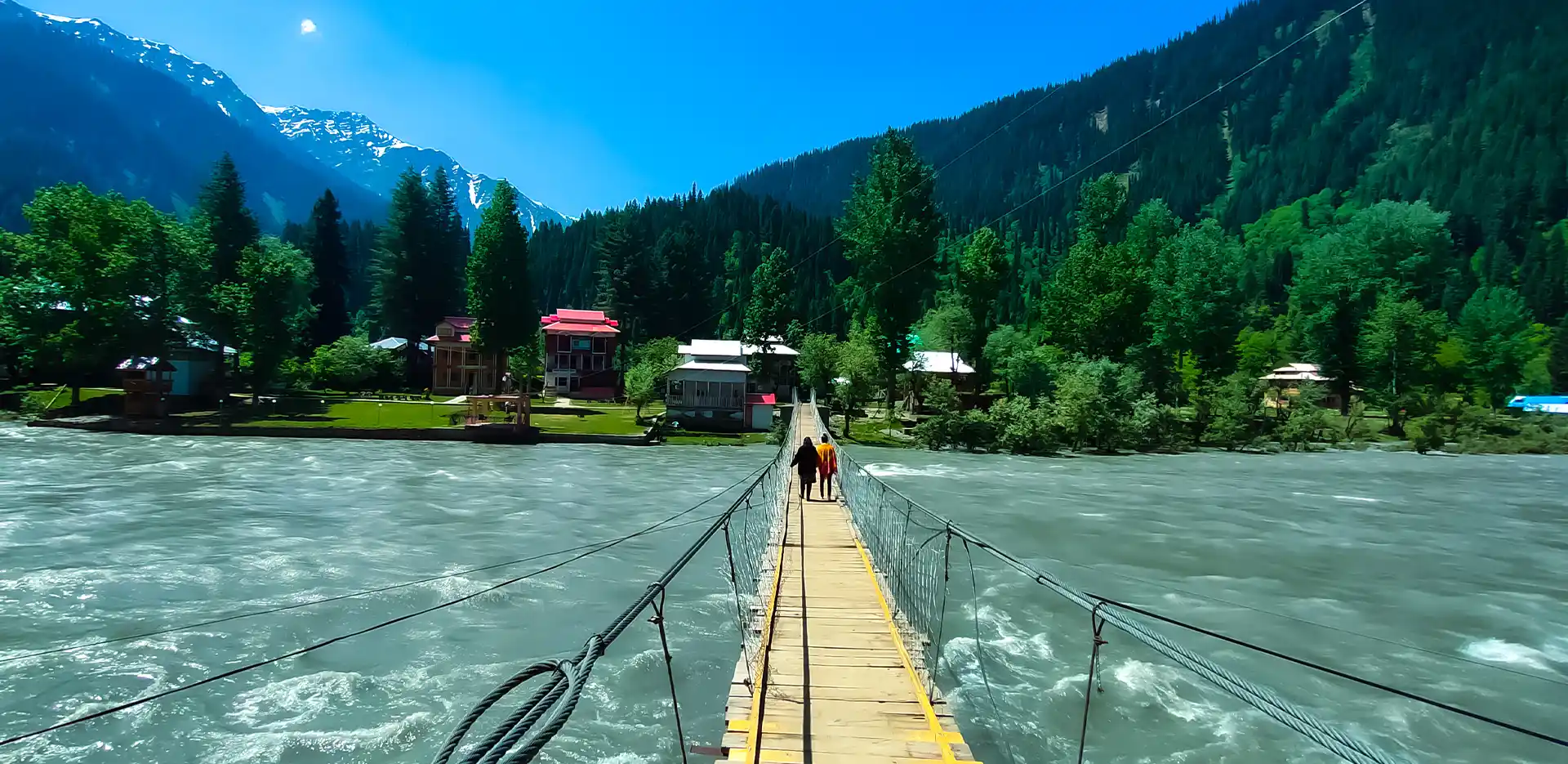
- Riverside Walks: The Kishanganga River runs close to Dawar. You can walk along the banks. The water is turquoise from glacier melt, moving fast. The riverbed is rocky. In places, there are wooden bridges crossing to the other side. These walks are easy, flat, and give you views of the valley and Habba Khatoon Peak.
- Dawar Fort (Ruins): There’s a fort on a hill overlooking Dawar. It’s mostly ruins now, crumbling walls, no roof, overgrown with vegetation. The fort was built centuries ago to protect the valley from invasions. Climbing to the fort takes about 30 minutes. The view from the top covers the entire valley, Dawar town, the river, Habba Khatoon Peak, and the surrounding mountains.
02. Habba Khatoon Peak

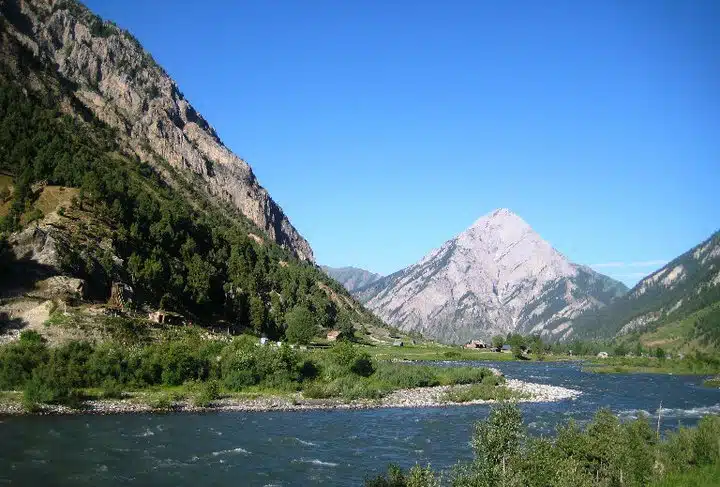
Habba Khatoon Peak is the first thing you see when you reach Dawar. It’s impossible to miss. A pyramid-shaped mountain, sharp and dark, rising 4,380 meters directly above the town. The peak dominates the skyline from every angle in Dawar.
The mountain is named after Habba Khatoon, a 16th-century Kashmiri poetess. She’s called the Nightingale of Kashmir. Her husband was Yusuf Shah Chak, the last independent king of Kashmir before Akbar’s conquest. After Akbar captured and imprisoned Yusuf Shah in Bihar, Habba Khatoon spent years wandering the valleys of Kashmir, singing laments for her lost husband. Local legend says she wandered near this peak, and eventually it was named after her.
The mountain isn’t climbable for casual trekkers. It’s a technical climb requiring mountaineering equipment and experience. What people do is trek to the base or to viewpoints around Dawar that frame the peak against the Kishanganga River.
- What You See: The peak itself is bare rock. No vegetation near the summit. The shape is conical, almost symmetrical. In the morning, when the sun rises behind it, the mountain turns into a dark silhouette against the sky. In the evening, when the sun sets from the west, the bare rock glows golden for about 20 minutes. That’s when photographers gather.
- Trekking Around the Peak: There are trails that circle the base of the mountain. These are day hikes, 4-6 hours round trip from Dawar. The trails go through meadows, past shepherd settlements, and along streams. You won’t summit the peak, but you’ll get close enough to see its scale.
- Photography: Sunrise and sunset are the only times Habba Khatoon Peak looks dramatically different from midday. During the day, it’s just a dark mountain. Early morning and late evening give you the color shifts, golden rock, deep shadows, changing light on the meadows below.
03. Razdan Pass

Razdan Pass is the gateway to Gurez Valley. At 11,672 feet, it’s the highest point on the road between Srinagar and Gurez. You can’t reach Gurez without crossing this pass. There’s no alternate route.
The pass connects Bandipora to Gurez. On the Bandipora side, you climb through coniferous forests. On the Gurez side, you descend into open meadows and valleys. The landscape shifts completely at the pass. One side is dense forest. The other side is barren mountains and grassland.
- The Drive to Razdan Pass: From Bandipora, the road starts climbing. The climb is gradual for the first 20 kilometers, then gets steeper. The road is paved but narrow. Hairpin bends. Steep drop-offs with no guardrails in places. The climb takes 1.5-2 hours from the base.
- Views from the Top: From Razdan Pass, you can see both sides of the mountain range. On clear days, you can spot Harmukh Peak (5,142 meters) to the south. To the north, you see the valleys leading into Gurez. The view is panoramic, mountains in every direction, valleys spread below, and the road snaking through the landscape.
- Weather Conditions: Razdan Pass is cold even in summer. At 11,672 feet, temperatures drop quickly. Carry warm layers even if it’s hot in Srinagar. Wind is constant at the top. In winter (November to April), the pass is buried in snow and completely closed. No vehicles can cross. This cuts Gurez off from the outside world for 5-6 months every year.
- Peer Baba Dargah: A few kilometers below Razdan Pass on the Bandipora side, there’s a small dargah (shrine) dedicated to Peer Baba. It’s a simple structure with colorful cloth tied to poles offerings from pilgrims. The dargah is a spiritual spot for locals. Tourists stop here briefly. The location offers good views of the Bandipora forest range and distant peaks.
04. Tulail Valley
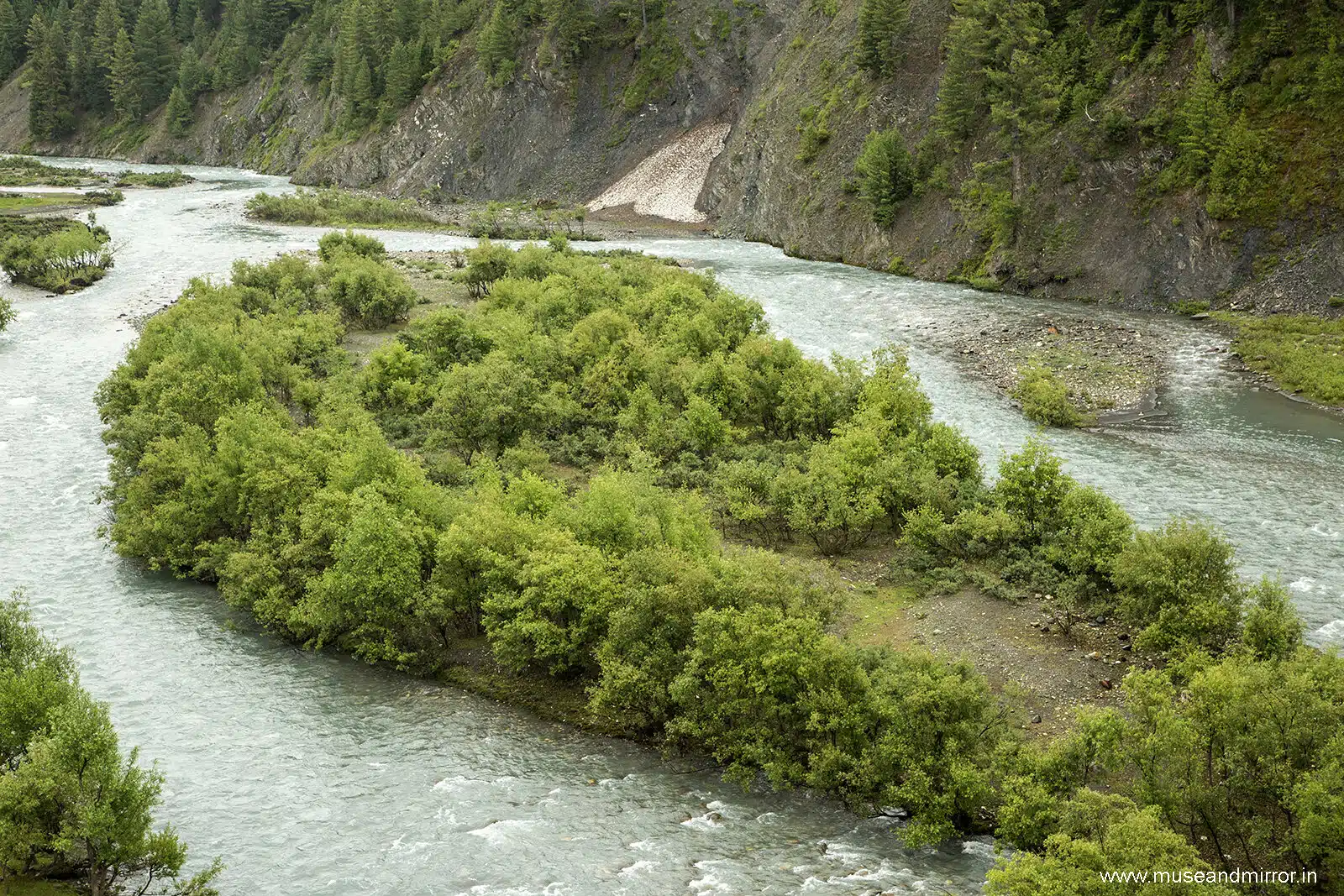
Tulail Valley is 30-40 kilometers beyond Dawar, deeper into Gurez. The valley is a cluster of small villages spread across meadows and hills. The population is sparse. The landscape is more remote than Dawar fewer houses, more open space, and a quieter atmosphere.
Tulail is sometimes called “Mini Ladakh” by locals because the terrain looks more barren and high-altitude than the green meadows near Dawar. The comparison is a stretch, but the landscape here does shift toward rocky mountains and sparse vegetation.
- What You See: Tulail is not a single place. It’s a collection of villages: Badugam, Hasangam, Baduab, Miru, Sheikhpora, and others. Each village has 15-30 wooden houses, small vegetable patches, and livestock grazing nearby. The houses are traditional Dard-Shin construction—logs interlocked without nails, sloped roofs, stone foundations.
- Village Walks: Walk through the villages. The pace of life here is slower than Dawar. You’ll see farmers working terraced fields, women weaving woolen shawls, children playing cricket in meadows. The people are friendly. If you’re respectful and ask, families might invite you for tea.
- Trekking: Tulail is the starting point for treks to higher altitudes. There’s a trekking route from Tulail to Gangabal Lake via Vishansar Pass. This is a multi-day trek (3-4 days) and requires camping gear, a guide, and trekking experience. The route connects Gurez to the Gangabal region in central Kashmir.
- Accommodation: There are no hotels in Tulail. A few families offer informal homestays—you sleep in their spare room, eat with the family, and pay ₹500-1,500 per night. This isn’t commercial hospitality. It’s families willing to host. Arrange this through contacts in Dawar or with local guides.
Also try to visit: Panikhar Warwan Valley
05. Kishanganga River

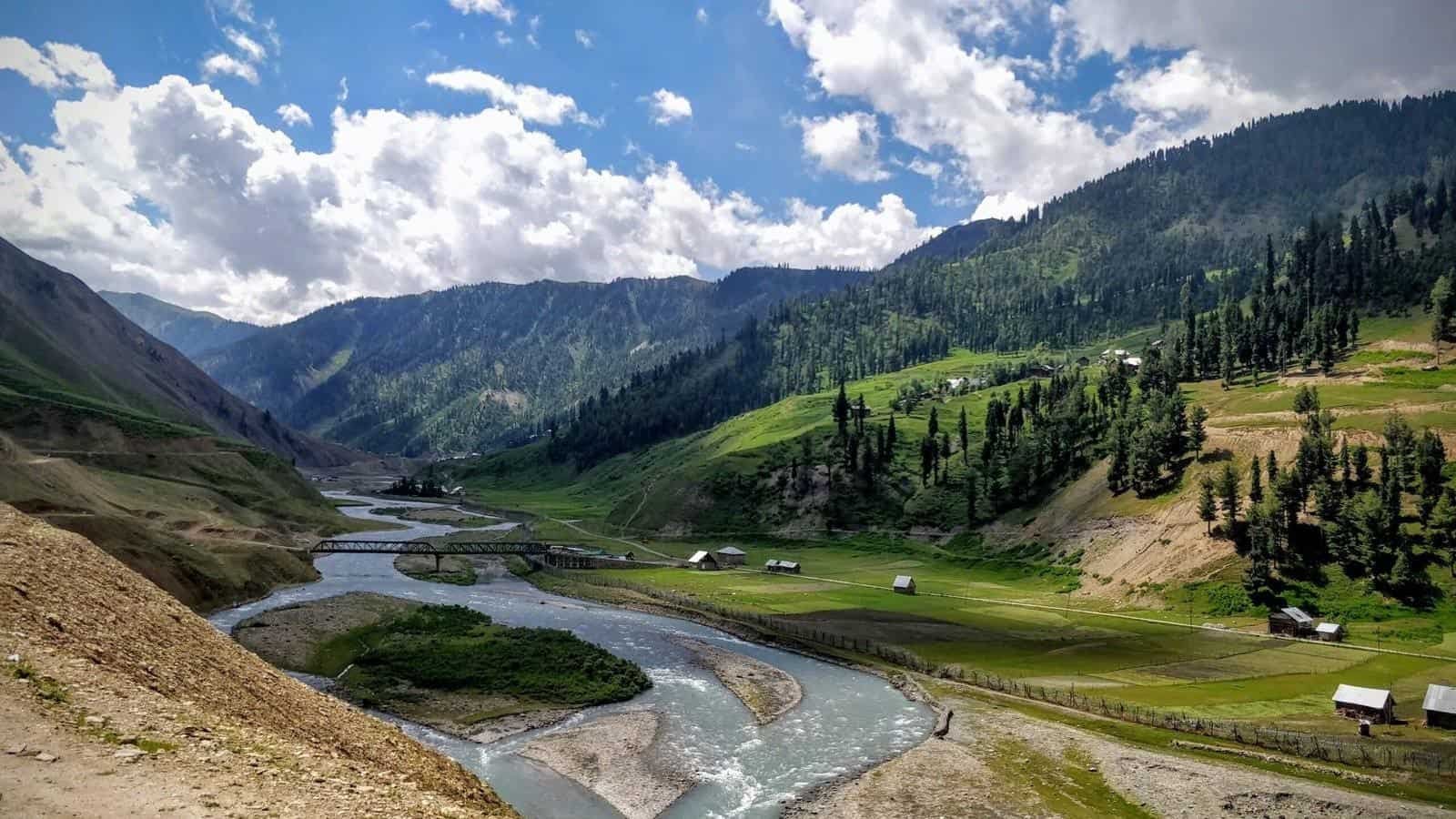
The Kishanganga River flows through the entire length of Gurez Valley. It’s the lifeline. The water is crystal clear, turquoise, and freezing cold even in summer. The river originates from glaciers in the Himalayas, flows through Gurez, and eventually crosses into Pakistan-occupied Kashmir, where it’s called the Neelum River.
The Kishanganga is what defines Gurez’s landscape. The valley follows the river. Villages are built near it. Meadows spread along its banks. The sound of the river—constant, rushing—is the background noise of Gurez.
- What You See: The river is wide in some sections, narrow in others. In places, it’s shallow enough to wade across. In other sections, the current is strong and deep. The color is the most striking part—a shade of blue-green that comes from suspended glacial particles. It doesn’t photograph well because cameras can’t capture the vibrancy, but in person, the color is unmissable.
- Fishing: The Kishanganga has trout. Brown trout and rainbow trout, introduced decades ago and now thriving in the cold water. Fishing is a popular activity for locals and tourists. You need a fishing permit from the Fisheries Department in Dawar (costs around ₹500-1,000). Fishing gear isn’t sold locally, so bring your own rod, line, and bait.
- Kishanganga Hydroelectric Dam: There’s a dam on the Kishanganga River near Bandipora (before you enter Gurez Valley). The dam is visible from the road. It’s not a tourist attraction, but people stop to look because the reservoir behind it is large and the views are good. The dam was controversial when it was built because it affects water flow downstream into Pakistan. But for tourists, it’s just a photo stop.
For snowfall, read here about: Places to Visit in Kashmir in December
06. Kanzalwan
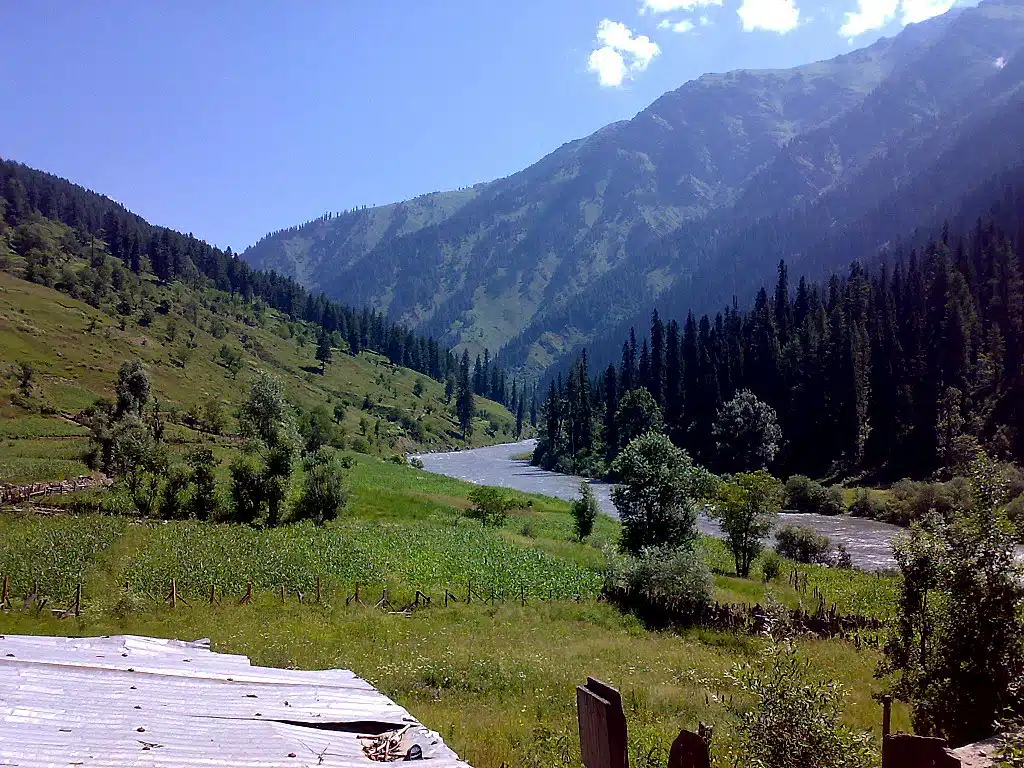
Kanzalwan is a village 30 kilometers east of Dawar, in a different direction from Tulail or Chakwali. The village sits at around 8,000-9,000 feet, surrounded by meadows and mountains. It’s less visited than Tulail because the road is rougher and there’s no specific attraction—it’s just a village.
- What Makes Kanzalwan Worth Visiting: Kanzalwan is a trekking base. Several trekking routes start from here, including trails that lead deeper into the Gurez hinterlands and routes that connect to Gangabal Lake. If you’re in Gurez for trekking rather than sightseeing, Kanzalwan is where you start.
- Trekking from Kanzalwan: The main trek from Kanzalwan goes toward Gangabal Lake. This is a 3-4 day trek through high-altitude meadows, mountain passes, and remote valleys. The route is beautiful but challenging. You need a guide, camping equipment, and trekking experience.
- Access: The road from Dawar to Kanzalwan is rough but manageable in an SUV. The drive takes 1.5-2 hours. There are no hotels in Kanzalwan. A few families offer homestays, but this needs to be arranged in advance through contacts in Dawar.
For spring blossoms, read here about: Places to visit in Kashmir in March
07. Sheikhpura Village
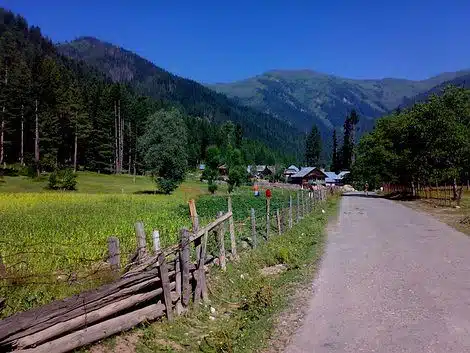
Sheikhpora (also spelled Sheikhpura) is a small village between Dawar and Tulail. It’s one of the many villages you pass through when driving deeper into Gurez. Population is around 100-150 people. The village is known for its traditional wooden houses and terraced fields.
- What to See: Sheikhpora has well-preserved Dard-Shin architecture. The houses are log construction with sloped roofs designed to shed snow. Some houses have small orchards, apple and walnut trees. The village is quieter and smaller than Dawar, giving a better sense of traditional life in Gurez.
- Sheikhpora Archaeological Site: There are ruins of old structures near Sheikhpora, remnants of temples or fortifications from centuries ago. The site isn’t well-documented, and there’s no museum or signage. If you’re interested in history, ask locals to show you the ruins. They’ll know where they are.
- Why Stop Here: Sheikhpora is a photo stop more than a destination. If you’re driving to Tulail or Chakwali, you’ll pass through it. Stop for 20-30 minutes, walk around, see the houses, interact with locals if they’re outside. Then continue.
08. Chakwali
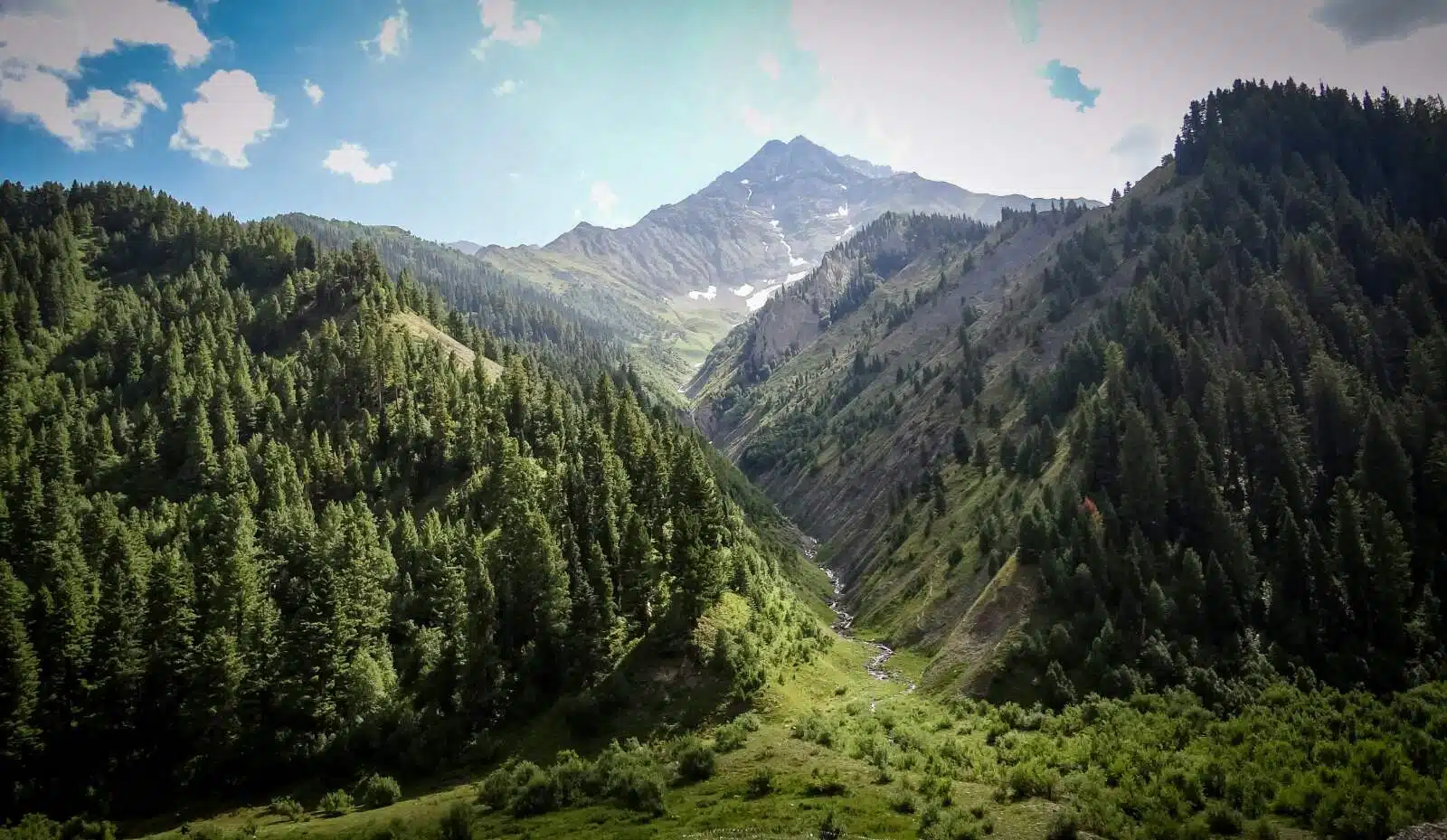
Chakwali is the last civilian point in Gurez Valley. Beyond Chakwali, there’s only military posts and the Line of Control. It’s 65 kilometers from Dawar. The road is terrible—dirt, rocks, stream crossings. The drive takes 4-5 hours one way.
Chakwali is a small village with 30-40 wooden houses. The population is maybe 200-250 people, all Dard-Shin. The village sits near the Kishanganga River at the edge of a meadow. Beyond the meadow, the road ends. That’s it. No more civilian access.
- Why Visit Chakwali: People visit Chakwali for the experience of being at the last village before the border. You can see Pakistani territory across the valley. The Line of Control runs somewhere between Chakwali and those distant mountains. Army posts are nearby. The feeling of being at the edge of India, of civilian access, of the map is what draws people.
- Permit Required: You need a permit from Dawar Police Station to visit Chakwali. The permit is free. Bring original Aadhar Card and 2 passport photos. Processing takes 30 minutes to 1 hour. The permit is valid for one day.
- What to Do: Chakwali itself is quiet. Walk around the village. See traditional Dard-Shin houses. Talk to locals if you share a common language. Sit by the Kishanganga River. Stand at the end of the road and look toward Pakistan-occupied Kashmir.
There’s no accommodation, no restaurants, no shops. It’s a day trip from Dawar. Leave early (7-8 AM), drive to Chakwali, spend 1-2 hours, and drive back. You’ll be in Dawar by evening.
(Full details in our Chakwali Gurez guide)
09. Peer Baba Dargah
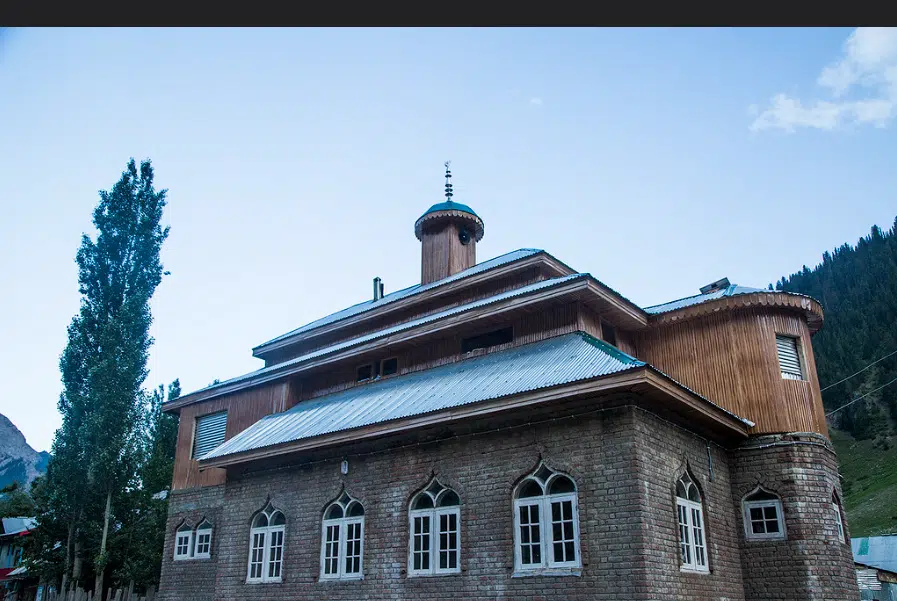
Peer Baba Dargah is a small shrine located between Razdan Pass and Tragbal Pass, on the road to Gurez. The dargah is dedicated to Peer Baba, a Sufi saint revered by locals. The shrine is simple, a small structure with colorful cloth tied to poles around it. Pilgrims tie cloth as offerings and prayers.
- Location: The dargah is on the Bandipora side of Razdan Pass, about 5-10 kilometers below the pass. You’ll pass it on the drive from Bandipora to Gurez. Most drivers stop here for a few minutes.
- Views from the Dargah: The dargah sits at a high point with views of the Bandipora forest range and distant peaks. On clear days, you can see Harmukh Peak to the south and the elephant-shaped hills near Bandipora town below.
- Spiritual Significance: The dargah is a pilgrimage site for people of all faiths. Sufism has deep roots in Kashmir, and shrines like this are visited by Muslims, Hindus, and Sikhs alike. The atmosphere is peaceful. Pilgrims pray, tie cloth, and sit in silence.
- For Tourists: This is a 5-10 minute stop on the way to or from Gurez. Pay your respects if you’re inclined. Enjoy the views. Continue. It’s not a major attraction, but it’s part of the journey.
10. Wular Lake (En Route)
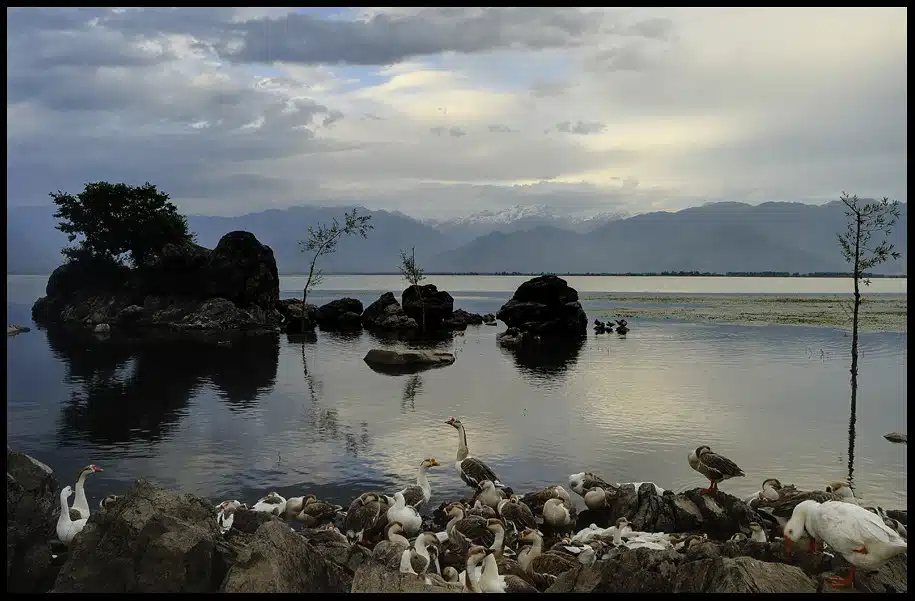
Wular Lake is not in Gurez Valley. It’s en route about halfway between Srinagar and Gurez, near Bandipora. But every tourist driving to Gurez passes Wular Lake, and most stop to see it because it’s the largest freshwater lake in India.
What Wular Lake Is: Wular Lake covers about 190 square kilometers (can expand to 260 sq km during monsoon). It’s fed by the Jhelum River. The lake is shallow, average depth is around 5-6 meters. It’s a Ramsar site, meaning it’s internationally recognized as a wetland of importance for bird species.
- Why Stop Here: The lake is beautiful. Open water surrounded by mountains. Fishing boats dot the surface. Villages line the shores. If you’re driving from Srinagar to Gurez early in the morning, Wular Lake at sunrise is worth stopping for. The light on the water, the mountains in the background, the stillness, it’s a good photo stop and a break from driving.
- Bird Watching: Wular Lake attracts migratory birds in winter. Species include bar-headed geese, ruddy shelducks, mallards, pochards, and cormorants. If you’re into bird watching, bring binoculars. The lake edges have good vantage points.
- Boat Rides: Local fishermen sometimes offer boat rides for tourists. Cost is negotiable—₹200-500 for a 15-20 minute ride. The boats are small wooden fishing boats, not tourist vessels. If you want to see the lake up close, this is the way.
- Time Needed: 30 minutes to 1 hour. Stop, walk to the shore, look at the lake, take photos. Then continue to Gurez.
Get in touch
Why Book Gurez Valley Tour with Cliffhangers
Gurez requires planning. Permits, transport, accommodation, and local knowledge matter. Cliffhangers handles all of it.
- Permits: We process permits for Chakwali. You give us your Aadhar details and photos. We submit the application at Dawar Police Station. You get the permit before leaving Dawar. No waiting.
- Transport: We provide SUVs with drivers who know Gurez roads. They’ve driven Dawar to Chakwali dozens of times. They know where the rough patches are, when to slow down, and which routes to avoid in bad weather.
- Accommodation: We book hotels and guesthouses in Dawar in advance. During peak season (June-August), rooms fill up fast. We have partnerships with reliable properties and confirm bookings before you arrive.
- Local Guides: If you want to trek, fish, or explore remote villages, we arrange local guides. They speak Shina, Kashmiri, and Urdu. They know the trails, the fishing spots, and the homestays. Cost is ₹1,000-2,000 per day depending on activity.
- Safety and Support: 24/7 phone support during your Gurez trip. If your vehicle breaks down, we arrange backup. If someone gets sick, we coordinate with local medical facilities. If weather turns bad, we adjust the plan.
Kashmir Offbeat Tours

14D/ 13N
6D/ 5N

16D/ 15N
12D/ 11N
 Call Now
FAQ's
Is Gurez Valley safe for tourists?
Yes. Gurez is safe for Indian tourists. The area has heavy army presence due to proximity to the Line of Control, which actually makes it secure. Follow local guidelines, carry ID at all times, and don’t enter restricted zones. Tourists face no security threats.
Can foreigners visit Gurez Valley?
Foreigners can visit Gurez Valley up to Dawar. However, areas beyond Dawar (Tulail, Chakwali) are restricted for foreign nationals due to proximity to the Line of Control. Foreign tourists need special permits to enter Gurez, which take weeks to process and are not always approved.
How many days do I need to see Gurez Valley properly?
Minimum 3 days (1 day travel from Srinagar, 1 day in Gurez, 1 day return). Ideal is 4-5 days to visit Dawar, Tulail, Chakwali, and do some trekking or fishing. If you want multi-day treks to Gangabal or remote valleys, plan 6-7 days.
What is the best time to visit Gurez Valley?
June to September is considered the best time to visit. Razdan Pass is open, weather is pleasant, all roads are accessible. May and October work but are riskier due to unpredictable snowfall or road closures. Winter in Gurez (November-April) is impossible—the valley is cut off.
Is mobile network available in Gurez Valley?
Limited. BSNL has patchy coverage in Dawar and some villages. Jio works in Dawar but not in remote areas like Tulail or Chakwali. Most of Gurez has no signal. Download offline maps and inform family you’ll be unreachable for stretches.
Are there hotels in Gurez Valley?
Yes, in Dawar. 10-15 hotels and guesthouses (₹2,500-7,000 per night). Outside Dawar, there are no hotels. Tulail, Chakwali, and Kanzalwan have informal homestays (₹1,000-2,500) but require advance arrangement. Most tourists stay in Dawar and do day trips.
Checkout here the: Best hotels in Gurez Valley
Do I need a permit to visit Gurez Valley?
No permit is needed for Indian citizens to visit Gurez Valley up to Dawar. But you DO need a permit to visit Chakwali (the last village near the border). This permit is issued free at Dawar Police Station. Bring Aadhar Card and 2 passport photos. Processing takes 30 minutes.
Can I camp in Gurez Valley?
Yes. The meadows near Dawar, along the Kishanganga River, and in Tulail are ideal for camping. This is DIY camping—bring your own tent, sleeping bag, and cooking gear. No commercial campsites exist. Ask locals if the land is private before pitching tents.
Is fishing allowed in Gurez Valley?
Yes. The Kishanganga River has trout. You need a fishing permit from the Fisheries Department in Dawar (₹500-1,000). Bring your own fishing gear—rods and bait aren’t sold locally. Best fishing spots are in Tulail. Catch-and-release is encouraged.
What should I pack for Gurez Valley?
Warm clothing (even in summer, mornings and evenings are cold), sturdy shoes, sunscreen, personal medications, power bank (charging is limited), cash (no ATMs work reliably), water bottle, snacks for long drives. If trekking, add camping gear, trekking shoes, and extra layers.