
Best Time to Visit Leh Ladakh
Overview
Ladakh is open every season. But “open” means different things depending on the month. In summer, both highways are running, all passes are accessible, and you can drive to Nubra Valley, Pangong Lake, and Zanskar without any restrictions. In winter, both highways close, Leh is accessible only by air, and the valley operates at minimal capacity.
The best time to visit Leh Ladakh is summer, May to September. Temperatures stay between 15°C and 25°C during the day. The Manali-Leh and Srinagar-Leh highways are both open. Every major attraction is reachable. Whether you’re trekking, biking, or coming with family, this is the window where everything works.
Winter trips require specific planning. Roads close. Most hotels shut. The options narrow to a handful of experiences, the Chadar Trek on the frozen Zanskar River, the Snow Leopard Trek in Hemis National Park, and the Losar Festival. Outside these, winter is not a general tourism season.
Book & get upto 40% off on: Ladakh Packages.
Popular Ladakh Tours


7D/6N
8D/7N

6D/ 5N
10D/9N
Leh Ladakh in Summer
Summer is the best time to visit Leh Ladakh for one clear reason, everything is accessible. Both highways are open. All high-altitude passes are motorable. Hotels, camps, and restaurants are running. Taxis are available.
Temperatures range between 20°C and 25°C during the day. Nights drop to around 10°C in Leh town, colder at high passes. Even in peak summer, Khardung La and Chang La are near-freezing at night, pack layers regardless of the month you’re visiting.
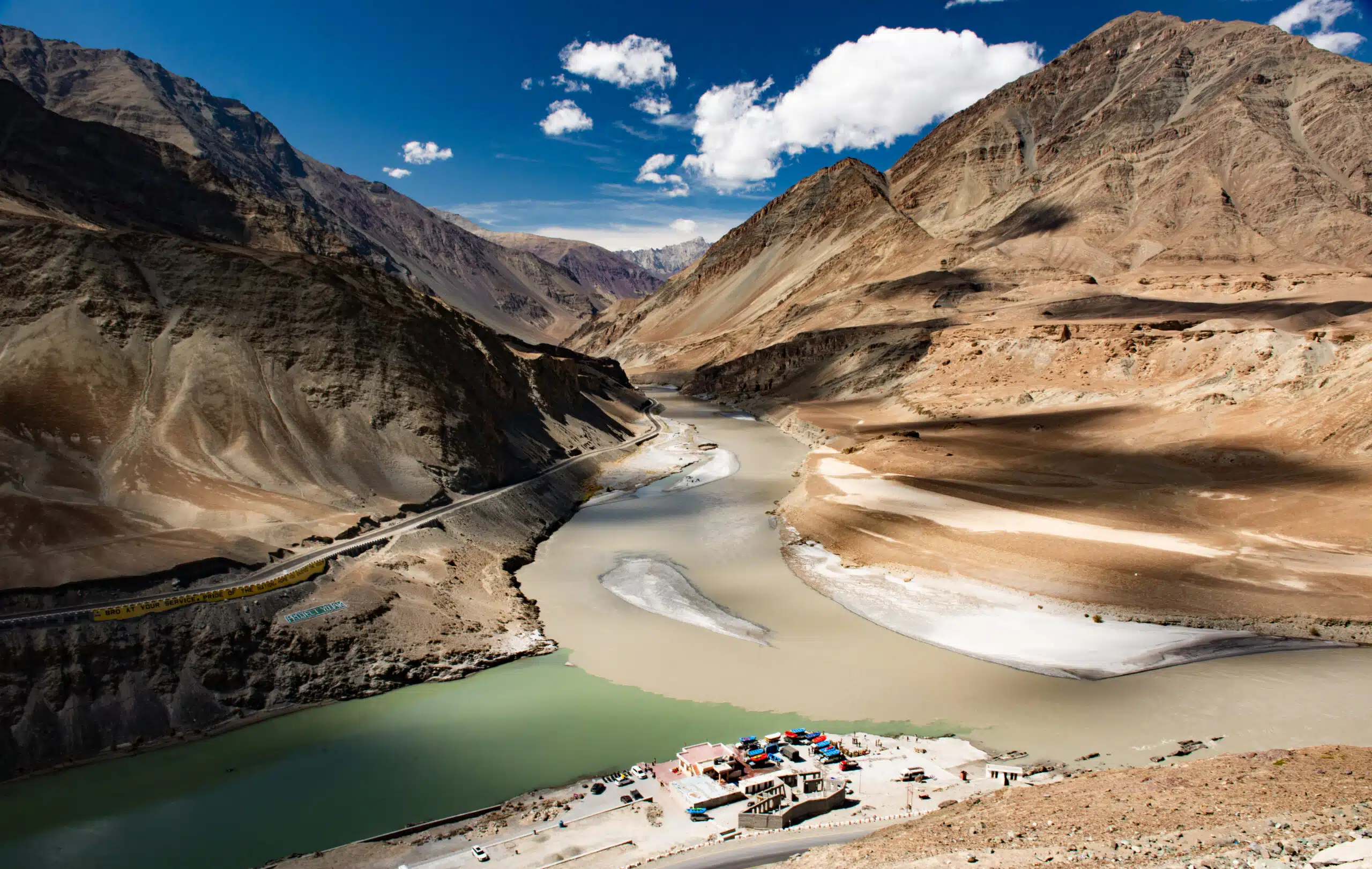
Pangong Lake, Nubra Valley, and Tso Moriri are all accessible in summer. You’ll need Inner Line Permits for Nubra and Pangong, process these in Leh before heading out, not at the checkpost. River rafting on the Zanskar River and Sindh River is available through the summer months. Treks like the Markha Valley Trek and Sham Valley Trek run from late May to September.
If you’re planning a bike trip or road trip to Ladakh, summer is your only window. The Manali-Leh Highway and Srinagar-Leh Highway are both open and in good condition. All alpine passes are motorable. A brief description of the Ladakh temperature by month is given below.
Ladakh in May
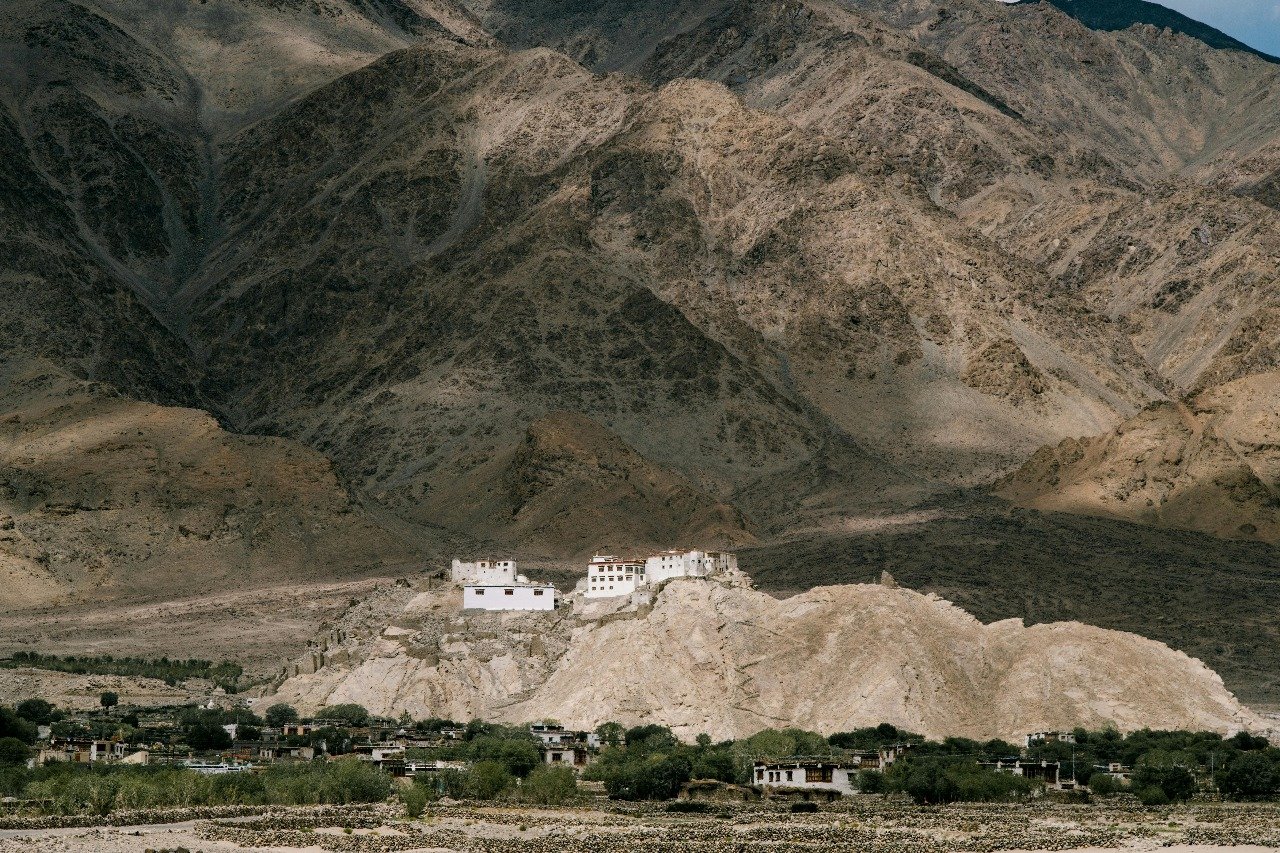
May marks the shift from extreme winter to early summer. The Srinagar-Leh highway is typically open by mid-May. The Manali-Leh highway opens in late May, depending on BRO clearing Rohtang Pass and Baralacha La. the exact date varies every year, so check before planning road travel from Manali.
Frozen rivers and lakes start melting as temperatures rise. Water-based activities, river rafting, boating, fishing, begin as rivers fill from snowmelt. Pangong Tso and Tso Moriri are accessible and far less crowded than in July and August.
The Sham Valley Trek is one of the best treks for beginners in Ladakh in May. The summer tourist rush is still a month away, so May gives you a quieter Ladakh. For more details, check out Things to Do in Sham Valley.
- Temperature: 15°C to 20°C (day) / 5°C to 10°C (night)
- What to carry: Warm layers for evenings and high passes, thermals for overnight stays at altitude, sunscreen (UV is strong even in May).
Ladakh in June
By June, summer is fully set in. Both highways are open. All valley-based and alpine attractions are accessible. Hotels and camps are operating at full capacity. Book accommodation 3-4 weeks in advance, June marks the start of peak season.
The Hemis Festival falls in June or July depending on the Tibetan lunar calendar. It’s held at Hemis Monastery, 45 km from Leh. Lamas perform the Cham Dance in traditional masks and costumes over two days. Check the exact date for the current year before planning around it.
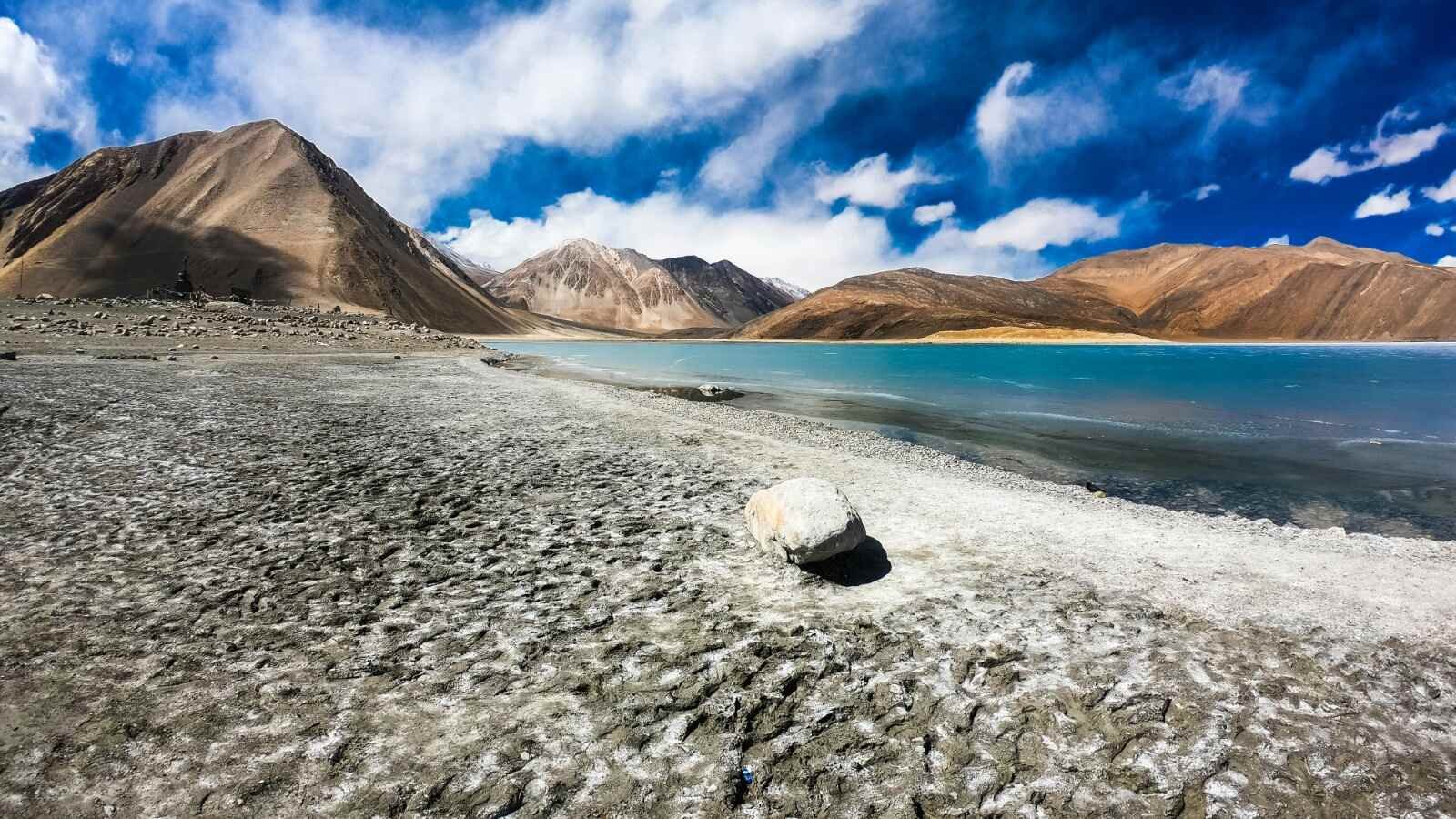
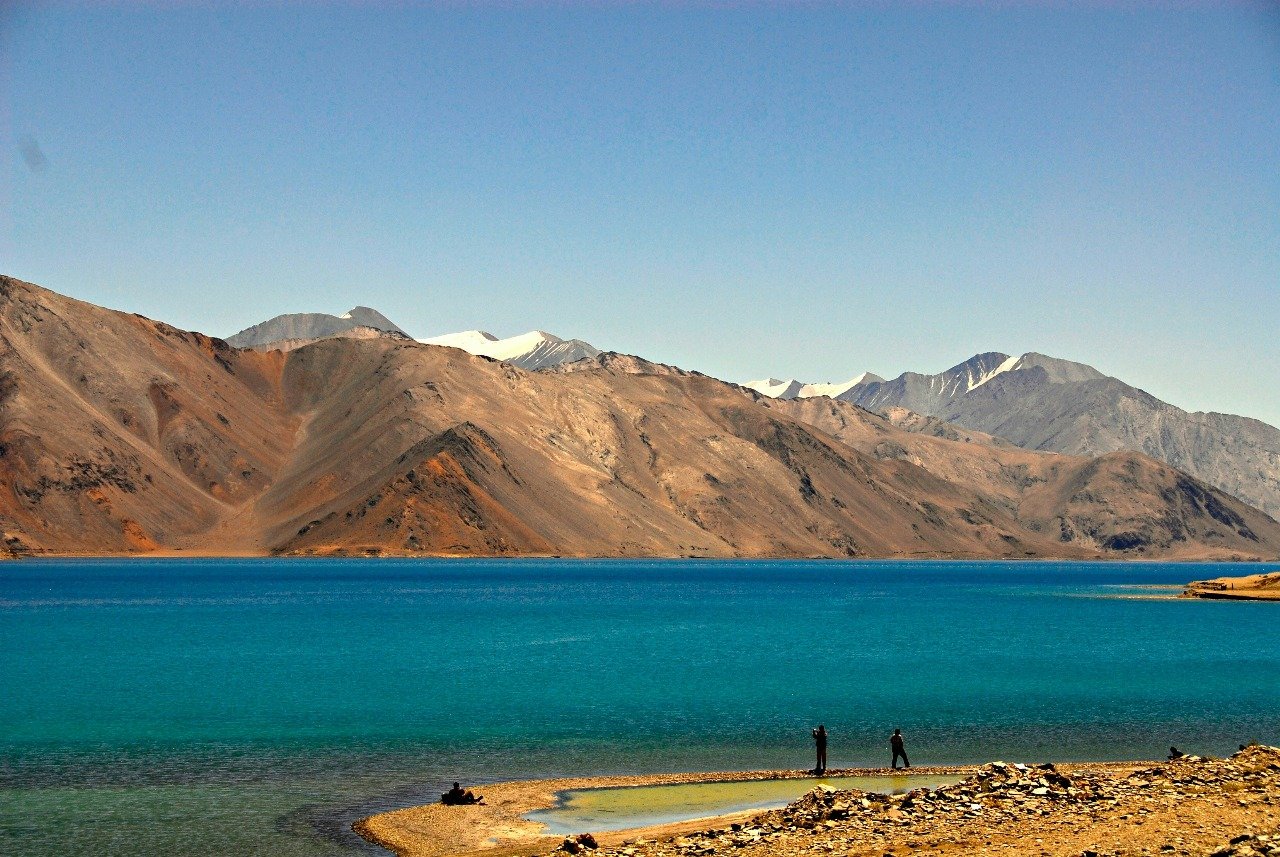
The Markha Valley Trek opens in June. Zanskar Valley is accessible from mid-June via Kargil. Some of the best places to visit in Leh Ladakh in June: Nubra Valley, Thiksey Monastery, Hemis Monastery, Shanti Stupa, Pangong Lake. Set aside a full day for Pangong, the drive from Leh takes 5-6 hours via Chang La. Camping at the lake overnight gives you morning light on the water.
- Temperature: 18°C to 25°C (day) / 10°C to 15°C (night)
- What to carry: Cotton shirts and trousers for the day, light sweaters and cardigans for evenings. The weather in Leh Ladakh in June is ideal for sightseeing, cultural exploration, and outdoor adventures.
Ladakh in July
Ladakh in July is the peak of summer and the peak of tourist season. The highest temperatures of the year. All attractions open. All passes motorable. And the most crowded, expensive, and logistically demanding month to visit.
The monsoon technically arrives in July, but Ladakh sits in the rain shadow of the Himalayas. Rain in Leh town is minimal, occasional drizzles, not sustained rainfall. What travelers need to watch: the Manali-Leh highway gets hit harder than Leh itself. Landslides near Rohtang Pass and Baralacha La can close the road for hours or days. Build buffer days into your itinerary if you’re arriving via Manali. Check BRO Roadsides for road status before departing.
The Markha Valley Trek and Sham Valley Trek are at full capacity in July. River rafting on the Sindh River is excellent. The Hemis Festival sometimes falls in July, the Cham Dance performance by Lamas at Hemis Monastery is one of the strongest cultural experiences in Ladakh.
- Temperature: 25°C to 30°C (day) / 10°C to 15°C (night)
- What to carry: Breathable cotton clothes, umbrella, light raincoat for Manali-Leh. Don’t skip warm layers for Khardung La and Chang La, passes stay cold even in July.

Ladakh in August
Leh Ladakh in August receives the most rainfall of any summer month, but it’s light, mostly evening drizzles. Days are clear with long hours of sunlight, which makes August excellent for photography and sightseeing at lakes, temples, and monasteries.
River rafting on the Zanskar River is best in August when water levels are high from snowmelt. Class III-IV rapids near Chilling are active. Rafting on the Sindh River is also running through the month.
All summer activities are available: rock climbing, mountain biking, trekking, hiking, camping. Every route and attraction is open. The Manali-Leh landslide risk persists through August, check road conditions daily if traveling that route.
- Temperature: 22°C to 28°C (day) / 10°C to 15°C (night)
- What to carry: Proper seasonal clothing, umbrella, raincoat for Manali road. Everything you’d carry in July, same logic applies.
Ladakh in September
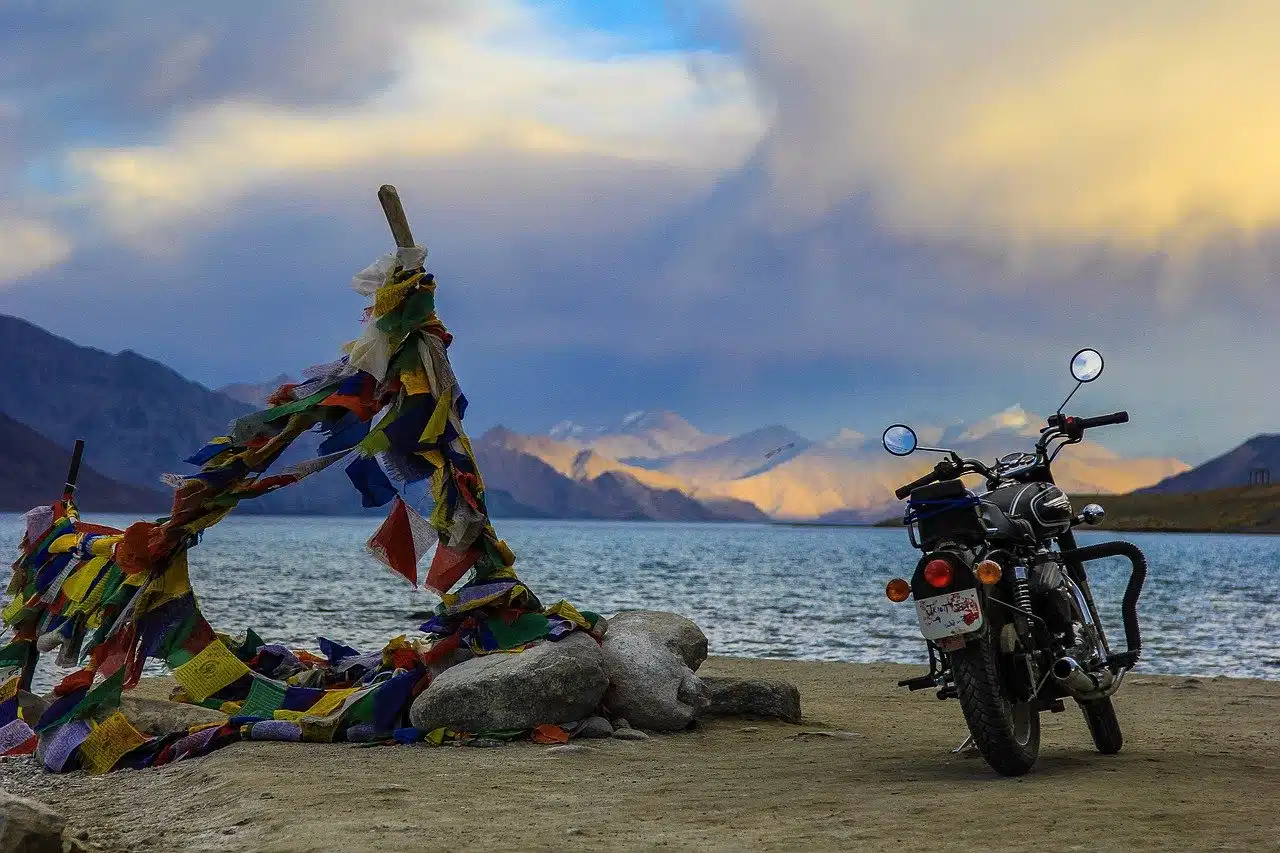
September is the best month to visit Ladakh. Peak season ends by mid-September. Tourist crowds thin out. Hotel rates drop. Roads are fully open. All passes are accessible. The monsoon risk on Manali-Leh fades completely.
The landscape changes in Ladakh in September. Poplars along the Indus River turn golden. Apricot and walnut trees shift to orange and brown. Pangong Tso is at its most vivid, post-monsoon skies are cleaner, which sharpens the water’s reflection. This is when the lake looks the way it does in photographs.
The Markha Valley Trek and Sham Valley Trek are still running. These trails close after September as winter sets in. River rafting continues through the month. For those looking for lesser-known places, Puga Valley is worth adding to a September itinerary.
- Temperature: 15°C to 25°C (day) / 5°C to 10°C (night)
- What to carry: A mix, cotton for sunny days, warm layers for nights and high-altitude excursions. Nights get cold (5°C in Leh) by mid-September, and passes are near-freezing.
Ladakh Temperature by Month (Quick Reference)
| Month | Day Temp | Night Temp | Road Access | Best For |
|---|---|---|---|---|
| April | 5–15°C | -5 to 5°C | Srinagar-Leh open | Early season, fewer crowds |
| May | 10–20°C | 0–10°C | Both open (late May) | Pre-peak, value travel |
| June | 15–25°C | 5–15°C | Full access | First-timers, Hemis Festival |
| July | 25–30°C | 10–15°C | Full access | Peak season, all attractions |
| August | 22–28°C | 10–15°C | Full access | Photography, rafting |
| September | 15–25°C | 5–10°C | Full access | Best overall, fewer crowds |
| October | 5–15°C | -5 to 0°C | Closing season | Autumn colors, budget travel |
| November | 2–5°C | Sub-zero | Air only | Limited tourism |
| December | -5 to -10°C | -15°C | Air only | Snow Leopard Trek |
| January | -5 to -10°C | -20°C | Air only | Chadar Trek |
| February | -1 to -4°C | -10°C | Air only | Chadar Trek, Losar |
| March | 2–5°C | -2°C | Air only | Budget travel, solitude |
Leh Ladakh in Winter
How to Reach Spiti Valley from Delhi
Winter in Ladakh runs December to March. It is not a general tourism season. Most high-altitude passes close by November. The Manali-Leh highway shuts by late October. The Srinagar-Leh highway follows by mid-November. From December onward, Leh is accessible only by air.
Most hotels, guesthouses, and restaurants close in winter. Those that stay open run with limited services. Taxis operate infrequently. Trekking trails are buried under snow. River rafting is not available. Khardung La and Chang La are closed December through mid-March.
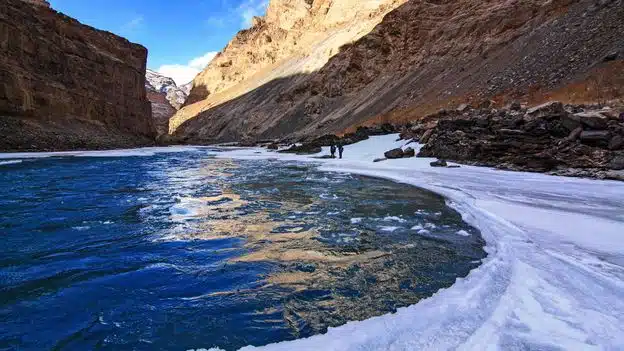
What winter does offer: the Chadar Trek on the frozen Zanskar River (January-February), the Snow Leopard Trek in Hemis National Park (December-February), the Losar Festival at Leh-area monastesries (January or February), and walking on frozen Pangong Tso in January.
Acclimatization remains essential regardless of season. Arriving in Leh and heading to alpine areas immediately causes Acute Mountain Sickness. This doesn’t change in winter.

Ladakh in November
Ladakh in November is the transition month. Early November feels like late autumn, cold nights, cool days, some clarity in the air. By the end of the month, snowflakes fall at night and temperatures go sub-zero regularly.
The Manali-Leh highway has closed by November. The Srinagar-Leh highway is closing or recently closed depending on Zoji La conditions. Leh is primarily air-accessible by this point.
Summer activities like trekking, river rafting, boating are no longer available. Some local attractions remain open, especially monasteries, which operate through November.
- Temperature: 2°C to 5°C (day) / sub-zero at night
- What to carry: Woolen thermals, sweaters, cardigans. The cold in Ladakh is dry and cuts through clothing faster than humid cold.
Ladakh in December
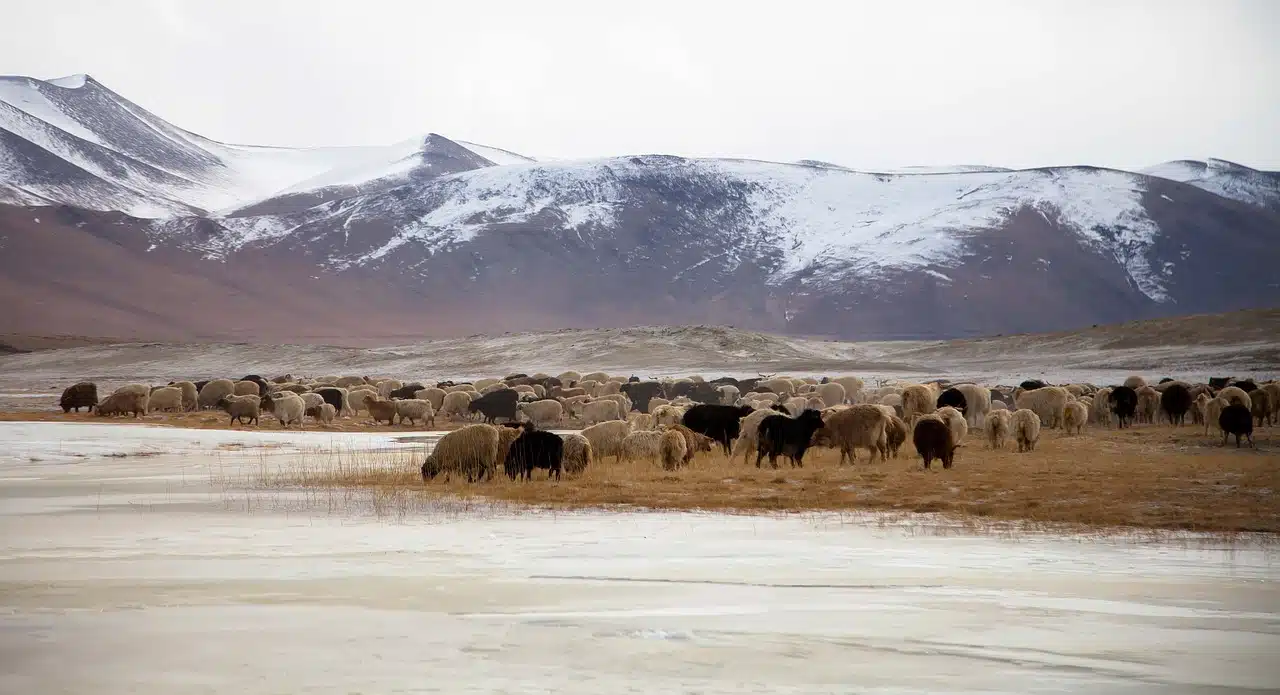
Winter officially sets in during December in Ladakh. Heavy snowfall covers everything. Leh is accessible only by air. Most hotels and restaurants are closed.
The Snow Leopard Trek begins in December. Snow leopards descend from high altitude to Rumbak Valley in Hemis National Park in winter, hunting bharal (blue sheep). This is the only time of year when sightings are realistic. The trek runs for 7-10 days and requires preparation for -15°C camp temperatures.
The Chadar Trek, walking on the frozen Zanskar River is on the horizon and begins in earnest in January. December is when serious trekkers arrive to acclimatize before the Chadar.
- Temperature: -5°C to -10°C (day) / down to -15°C at night
- What to carry: Refer to things to pack for the Leh Ladakh trip for a complete winter list. Thick woolen layers, thermals, trench coat, beanies, mufflers. Standard warm clothing is not enough for December in Ladakh.
Ladakh in January
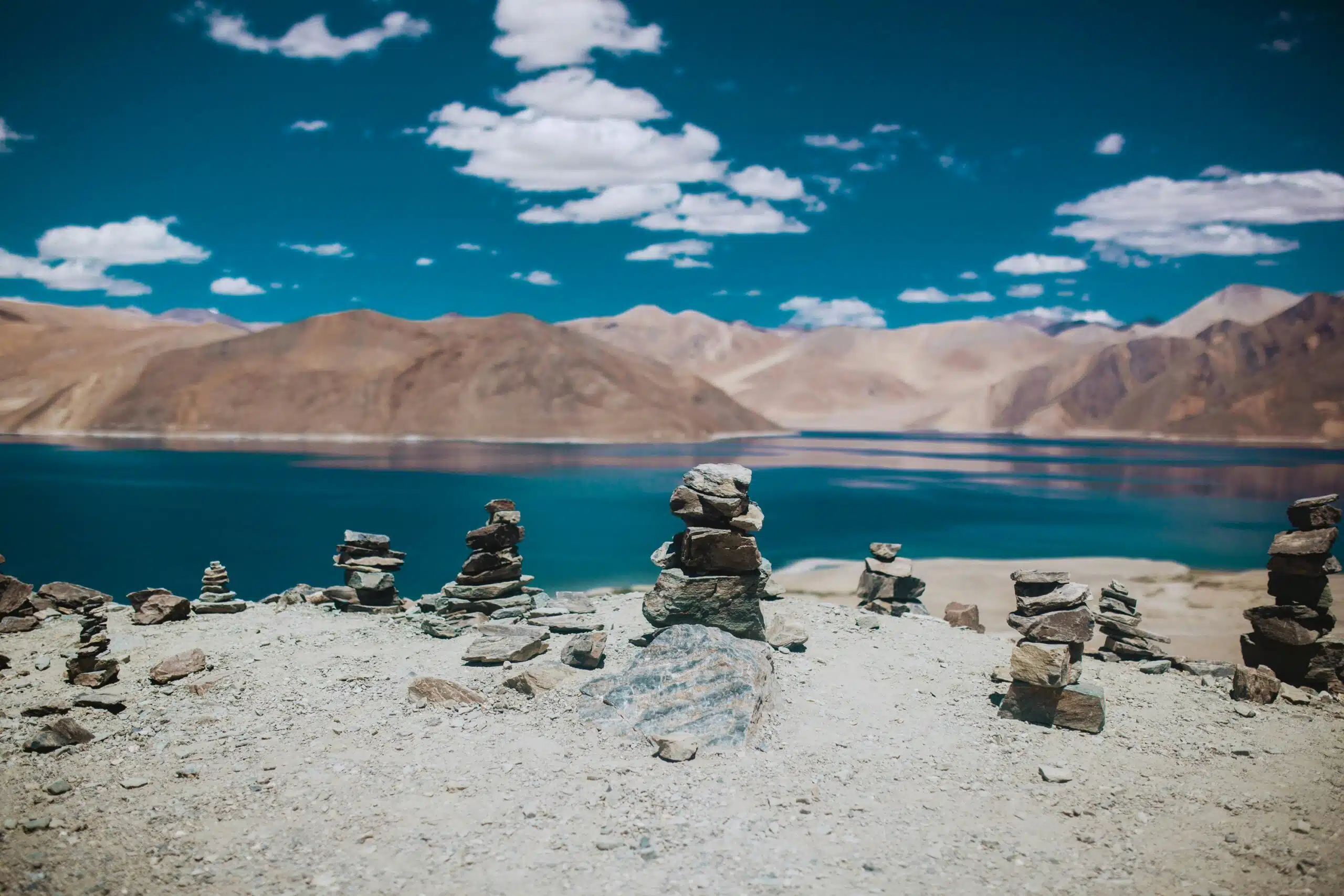
January in Ladakh is the coldest month of the year. Heavy snowfall throughout. The entire landscape, mountains, valleys, lakes is frozen. Pangong Tso is solid ice, thick enough to walk on. Ice hockey matches run in Leh throughout January.
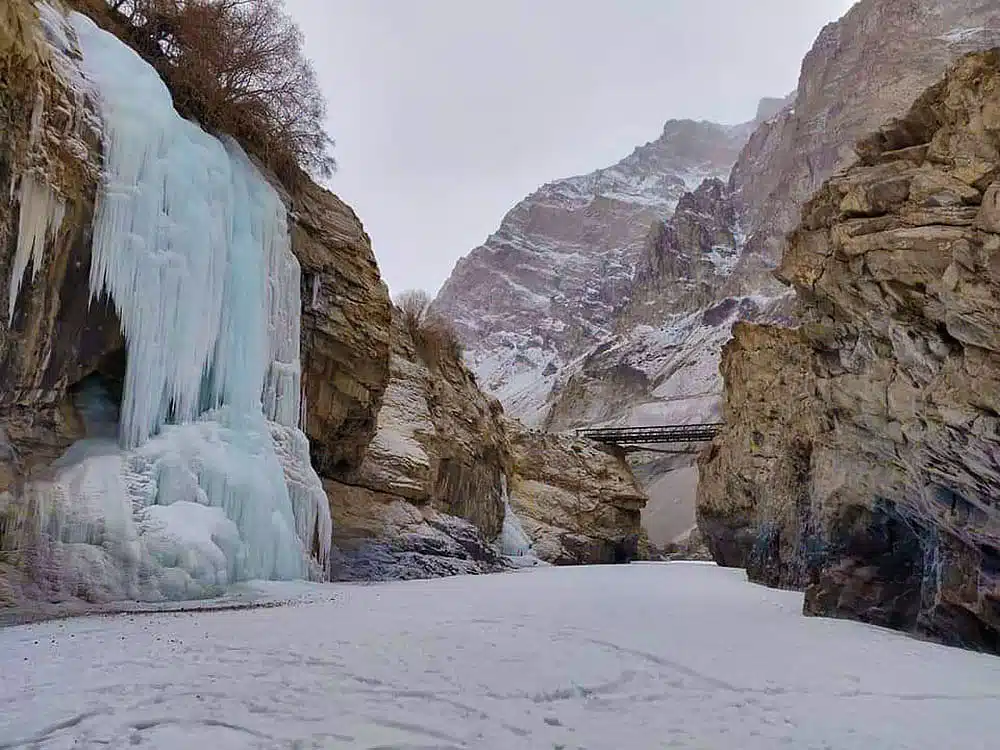
The Chadar Trek and Snow Leopard Trek are at peak season. The Chadar, walking on the frozen Zanskar River for 9-10 days from Chilling toward Padum is the defining winter experience in Ladakh. Camp temperatures drop to -30°C. Your water bottle freezes inside the tent. The river ice groans and shifts underfoot. It is physically and mentally demanding in a way that summer trekking is not.
Book hotels and transport well in advance for January. Last-minute arrangements aren’t possible in winter.
- Temperature: -5°C to -10°C (day) / down to -20°C at night
- What to carry: Heavy woolen thermals, down jacket rated to -25°C, gum boots for snow and ice. Normal hiking shoes are inadequate for January in Ladakh.
Ladakh in February
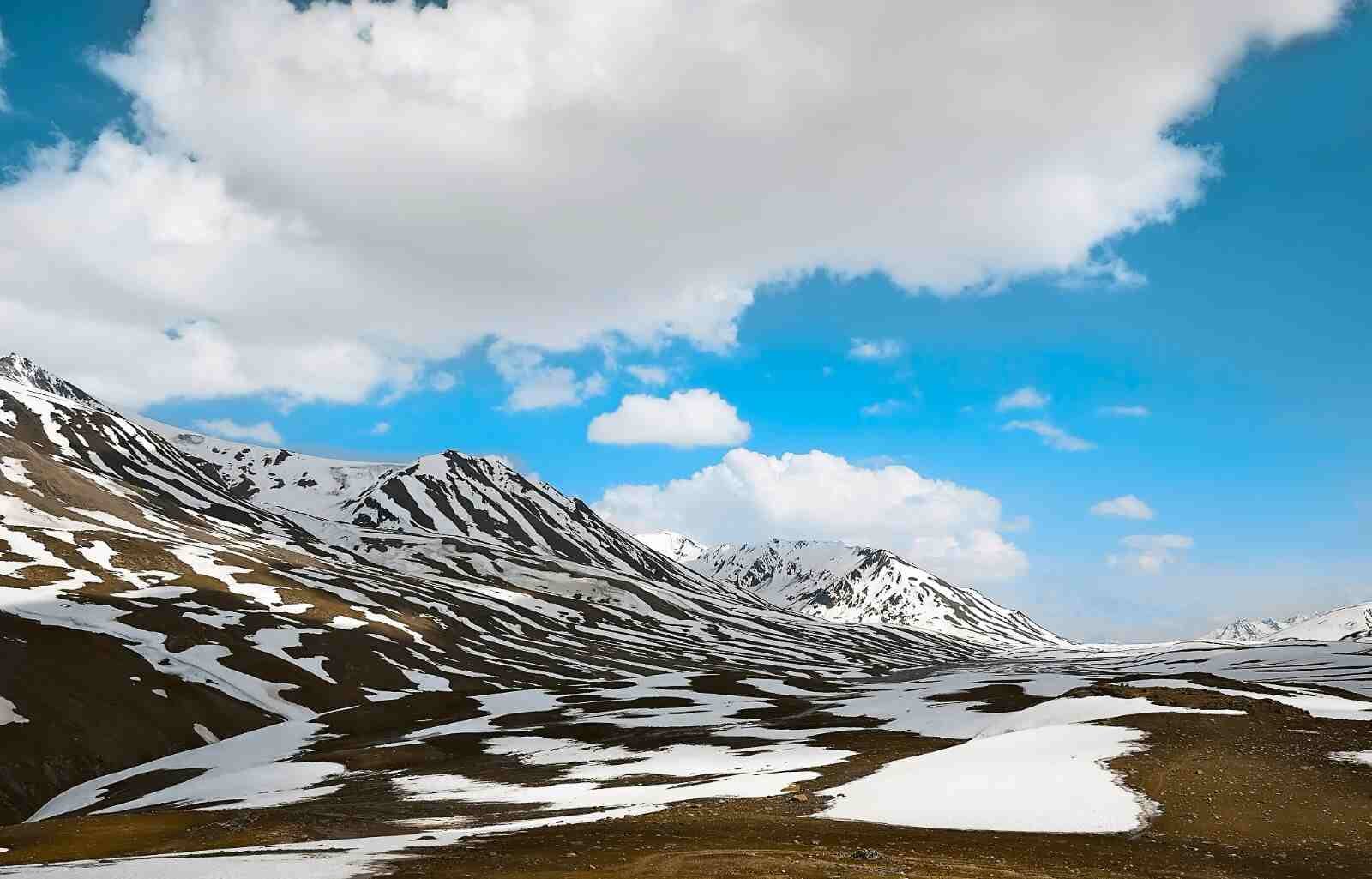
The first half of February mirrors January. By the end of the month, temperatures begin rising slightly. Snowfall continues but clear days increase.
The Chadar Trek runs through mid-February when ice conditions hold. By late February, some sections of the Zanskar River start weakening, the trek becomes less reliable toward the end of the month.
The Losar Festival, Tibetan New Year, falls in February in most years (date varies with the lunar calendar). Monasteries across the Leh region hold ceremonies. Families prepare traditional dishes: momos, guthuk, shapta. Lamas perform the Cham (Mask) Dance. It is one of Ladakh’s best cultural events, and because few tourists are here in February, you experience it at its most authentic.
- Temperature: -1°C to -4°C (day) / -10°C at night
- What to carry: Same as January for the first half. By the last week, slightly lighter options are possible, but thermals and a down jacket are still essential.
Ladakh in March
March is the end of winter and the beginning of spring. The extreme cold eases by mid-month. Snowfall stops. Snow starts melting as temperatures rise. Frozen lakes and rivers begin to thaw. The valleys show early wildflowers, the first color after months of white and brown.
March is not crowded. Hotels are at their lowest rates of the year. Budget-conscious travelers who can handle cold and don’t need a packed itinerary find March a good value.
The Srinagar-Leh highway sometimes opens in late March but it’s not guaranteed. The Manali-Leh highway doesn’t open until late May. Most visitors in March fly into Leh.
Weather in Ladakh in March is unpredictable, clear skies one day, cold nights the next. Ladakh weather in April shows signs of further improvement, though evenings remain chilly.
- Temperature: 2°C to 5°C (day) / -2°C at night
Things to do in Ladakh in Summer
Summer opens the full range of activity in Ladakh. Long daylight hours and moderate temperatures make everything accessible.
- Trekking: Trails open from late May through September. Markha Valley Trek, Sham Valley Trek, Hemis High Altitude Wildlife Sanctuary Trek, and others. Different trekking trails suit different fitness levels.
- River Rafting: White water rafting on the Sindh River is available through summer. The Zanskar River is best in August when water levels are highest.
- Road Trips: Both the Manali-Leh and Srinagar-Leh highways are open. All alpine passes are motorable. Summer is the only window for these routes.
- Rock Climbing: Available through summer months at zones near Leh.
- Camping: Near Pangong Tso, Tso Moriri, open meadows, along river banks. Carry proper gear, nights are cold even in peak summer.
Explore the offbeats in Ladakh through: Zanskar trip packages.
Things to do in Ladakh in Winter
Winter narrows the options but doesn’t eliminate experiences.
- Trekking: The Chadar Trek on the frozen Zanskar River runs January to mid-February. The Snow Leopard Trek in Hemis National Park runs December to February.
- Wildlife Sightseeing: Snow leopards descend to lower altitudes in winter to hunt. The Snow Leopard Trek gives the best realistic chance of spotting them.
- Photography: Frozen Pangong Tso, snow-covered monasteries, empty roads. January and February offer dramatic winter landscapes.
- Shopping: Leh market is quiet in winter, no tourist crowds, no rush. Pashmina shawls, Ladakhi handicrafts, and local dried fruit are available at local prices.
Best Time to Visit Leh Ladakh With Family
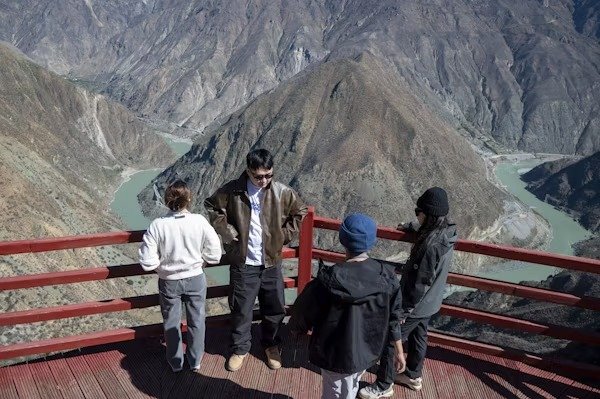
Summer – June to September is the right window for family travel. All roads are open. Temperatures are manageable for children and elderly travelers. Every attraction is accessible.
Group treks with a local agency, wildlife tours to Hemis National Park, sightseeing at monasteries and lakes all work well for mixed-age groups. At Nubra Valley, the double-humped Bactrian camel rides at Hunder sand dunes are a highlight for children. The Hemis Festival, if your dates align, is a cultural experience suitable for all ages.
One critical note for family travel: don’t head to high passes in the first two days of arrival. Acclimatize in Leh (11,500 feet) for at least two days before visiting Khardung La (18,380 feet) or Chang La (17,590 feet). Altitude sickness in children and elderly travelers can develop quickly and quietly. The symptoms like headache, nausea, breathlessness, are serious at altitude.
When you book Ladakh family tour packages with Cliffhangers India, we build itineraries that account for the interests and physical requirements of both children and senior citizens. Transport through local taxis and cabs is arranged, no logistics to figure out on arrival.
Best Time to Visit Leh Ladakh by Bike
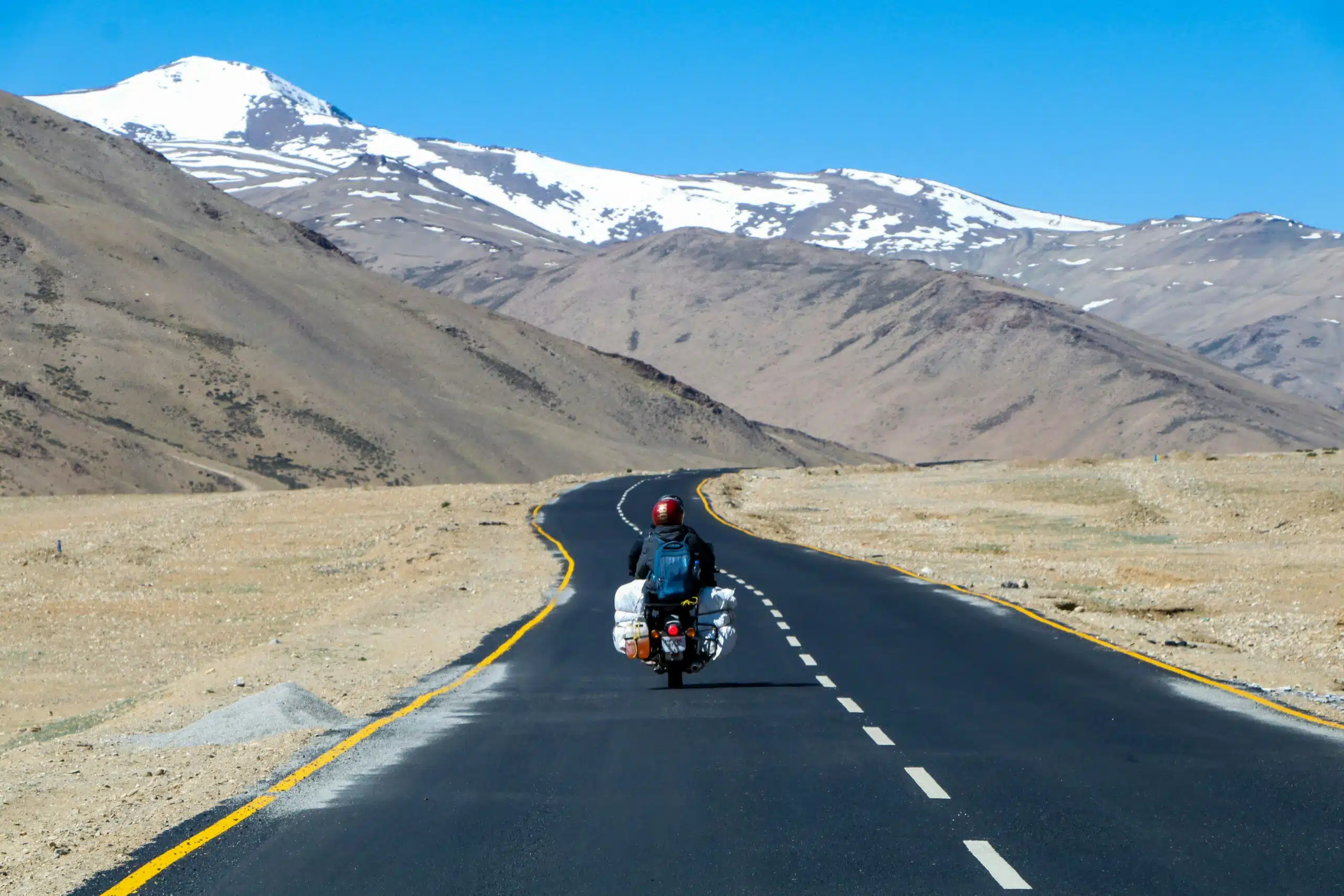
Summer is the only practical time for Leh Ladakh bike trips. The Manali-Leh Highway and Srinagar-Leh Highway are both open from late May to October.
The Manali-Leh Highway is the more popular choice for bikers. It crosses Rohtang Pass, Baralacha La, Taglang La, and other major passes. The scenery shifts from pine forest to high-altitude desert over 475 km. The Srinagar-Leh Highway is less dramatic but more reliable in July-August because it’s less affected by monsoon landslides.
June and September are the best months for biking specifically. June means freshly opened roads with snow still visible on pass edges. September means less traffic, stable roads, and clearer skies than peak season.
Acclimatize in Leh before riding to high passes. Going from Manali to Khardung La in two days is possible but increases altitude sickness risk significantly. Spend an extra day in Leh.
For the bike: Royal Enfield 350cc or 500cc handles altitude better than smaller-displacement bikes. Carry a puncture kit and spare fuel, the Pang to Leh stretch on Manali-Leh has no pump for 230 km. Adventure activities in Ladakh are best attempted after proper acclimatization.
Best Time to Visit Leh Ladakh by Road
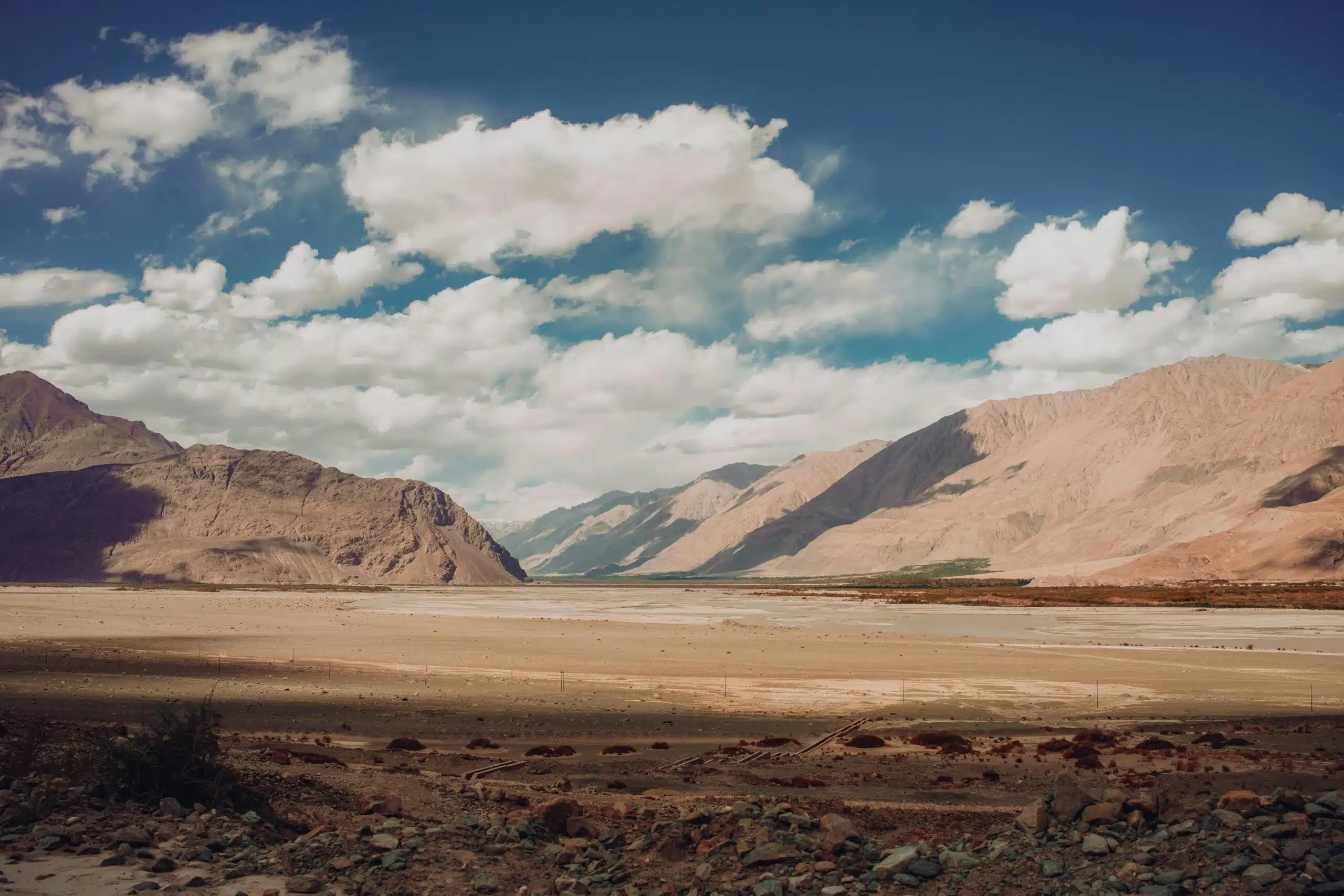
The best time to visit Leh Ladakh by road is June to September. Both highways are open and maintained by BRO. Road conditions are at their best, and all passes are motorable.
The Srinagar-Leh Highway (420 km, 10-12 hours) is the more historically significant route, through Sonamarg, Zoji La, Kargil, and Drass. It opens in late April and closes by November. More reliable in monsoon than Manali-Leh.
The Manali-Leh Highway (475 km, 2 days recommended) opens in late May or early June and crosses five passes, including Taglang La at 17,480 feet. Don’t compress this into one da, it’s a two-day route with an overnight stop at Sarchu or Pang. Check BRO Roadsides before departing in July-August for landslide updates.
For road travel by car, use an SUV, ground clearance matters on the Manali-Leh route. For bike trips, Royal Enfield is the standard. Always check weather forecasts and road conditions before departing, particularly in July when the Manali side is most susceptible to landslides.
For the best road trip conditions: July has the most stable roads but the most traffic. September has clearer skies, less traffic, and the same access. Always factor in the Ladakh temperature by month when planning your timing.
Best Time to Visit Leh Ladakh for First Timers

If this is your first Ladakh trip, June is the safest and most practical month to visit. Both highways are open. All attractions in Ladakh are accessible. Weather is comfortable. Hotels and camps are running at full capacity. The infrastructure that makes a first visit smoot, organized taxis, functioning permits offices, staffed guesthouse, is all in place.
May works too, but the Manali-Leh highway opening date is uncertain and some camps at Pangong haven’t set up yet. September is excellent but requires adjusting to cooler nights and some camps closing by late month.
Three things every first-time visitor must do:
- Acclimatize properly. Spend your first two days in Leh doing nothing strenuous. Walk around town. Eat light. Drink water. Sleep. Don’t head to Khardung La on Day 1 because you’re excited. Altitude sickness at 18,000 feet is not a minor inconvenience, it ends trips. Your first two days in Leh determine how good the rest of your trip will be.
- Get Inner Line Permits before heading out. Nubra Valley, Pangong Lake, and Tso Moriri all require permits. Indian nationals need Inner Line Permits (ILP). Foreign nationals need Protected Area Permits (PAP). Process these at the DC Office in Leh or online through the official J&K government portal. Your hotel or tour operator can assist. Don’t leave Leh for Nubra without the permit in hand, you’ll be turned back at checkpoints.
- Build buffer days into your itinerary. Ladakh’s weather changes fast. Passes close unexpectedly. Roads wash out. A tight 6-day itinerary with no flexibility is a recipe for missing the places you came to see. If you have 7 days, plan for 5 days of activity. The buffer days either remain free time or become the days that save your trip.
Zanskar Valley Long Tours

11D/10N

14D/13N
10D/9N
11D/10N
FAQ's
Which month is best for leh ladakh?
September is the best month for Leh Ladakh. Crowds thin from peak season. Hotel rates drop. Roads are fully open. All passes are accessible. Temperatures are comfortable — 15°C to 25°C during the day. The landscape shifts to autumn gold, and Pangong Tso is at its clearest. June is a close second: full access, peak season energy, and comfortable temperatures without September’s cooler nights.
Which is the cheapest month to visit leh ladakh?
March offers the lowest hotel rates but Leh is only accessible by air and most infrastructure is closed. Among road-accessible months, September and October are the cheapest with full access — 20-30% lower than July-August rates. May is also good value: same access as peak season, noticeably fewer tourists, and more availability in hotels and taxis.
What is the hottest month in leh?
July is the hottest month, with daytime temperatures reaching 28-30°C in Leh town. At high passes like Khardung La and Chang La, temperatures stay much lower — 5°C to 10°C even in July. You can experience warm valley temperatures and near-freezing conditions on the same day depending on altitude.
How many days are enough for leh ladakh?
A 7-day Leh Ladakh itinerary covers the essentials, Leh sightseeing, Nubra Valley, and Pangong Lake, including 2 mandatory acclimatization days. Without acclimatization days, you risk altitude sickness ruining the trip. For Zanskar Valley addition, plan 10-12 days. Rush Ladakh and it pushes back.
How much does a ladakh trip cost?
Ladakh trip cost varies by travel style and duration, ranging from ₹20,000 to ₹80,000 per person. Budget travel (shared transport, guesthouses) sits toward the lower end. Private Innova, good guesthouses, and meals push it to ₹40,000-55,000. Luxury camp stays at Pangong, premium hotels in Leh, and longer itineraries go higher.
Is there an easy route or place to explore during my Leh Ladakh trip?
Sham Valley is the easiest and best-suited option for beginners, elderly travelers, or anyone wanting a gentle start to Ladakh. It covers Alchi Monastery, Likir Monastery, Basgo Palace, Gurudwara Pathar Sahib, and Magnetic Hill, all in a single day circuit from Leh. No high passes, no permits required. A perfect addition to any Leh Ladakh 5-day itinerary.
 Call Now
 Chat With Us