Kashmir Trip Cost
Kashmir Trip Cost: Complete Guide for Budget, Family, and Honeymoon Travel
Is a Kashmir trip costly? What can be done to reduce the cost of a Kashmir trip? What mistakes are being made while planning a Kashmir trip? If any of the above sound like your concern, then it’s time to read our blog properly.
Kashmir is considered one of the best tourist destinations in India and is frequently visited by travellers from across the world. One of the most common questions while planning a trip is how much does a trip to Kashmir cost. The overall Kashmir trip cost depends on multiple factors, and this detailed guide explains the cost-related aspects of Kashmir travel to help plan the trip better.
On average, a trip to Kashmir cost ranges between ₹10,000 to ₹30,000 per person, depending on travel duration, accommodation type, transportation choices, and season of travel.
There are several factors that decide your Kashmir trip cost. The first factor is the duration of the trip. It usually takes around 6 to 7 days to cover the most prominent places in Kashmir such as Srinagar, Pahalgam, Gulmarg, and Sonamarg. Shorter itineraries cost less, while longer trips increase the overall budget.
The next factor is the type of stay. Homestays are the cheapest accommodation option for a Kashmir trip. Budget hotels offer basic comfort at affordable prices, followed by mid-range and premium hotels that significantly increase the Jammu Kashmir trip cost depending on amenities and location.
Another important factor affecting the trip to Kashmir cost is the mode of transportation. Local shared buses and shared cabs are the cheapest options for travelling within Kashmir. However, they are time-consuming and direct connectivity to tourist destinations may not always be available. Private sedan cabs offer better flexibility, while Innova and similar SUVs are commonly preferred for comfort and mountain routes, though they come at a higher cost.
Overall, the Kashmir trip cost depends on personal choices and travel preferences. Planning the trip within a fixed budget is always recommended instead of following trends that may lead to unnecessary expenses.
Above all, it is important to check accommodation details, transportation options, and whether the journey will be via flight or train. Booking these essentials in advance helps reduce the Jammu Kashmir trip cost, saves money, and avoids last-minute inconvenience during travel.
Jammu Kashmir Trip Cost & Package
No. Of Days | Places Covered | Cost Per Person |
3 | Srinagar, Pahalgam | 10,000 |
4 | Srinagar, Pahalgam, Gulmarg | 14,000 |
5 | Srinagar, Pahalgam, Gulmarg | 17,000 |
6 | Srinagar, Pahalgam, Gulmarg, Sonamarg | 21,000 |
7 | Srinagar, Pahalgam, Gulmarg, Sonamarg | 26,000 |
8 | Srinagar, Pahalgam, Gulmarg, Sonamarg, Doodhpathri | 28,000 |
Popular Kashmir Tours


7D/ 6N
6D/ 5N
5D/ 4N

7D/ 6N
Factors Affecting Kashmir Trip Cost
The Kashmir trip cost varies significantly based on the season of travel. Weather conditions, tourist footfall, availability of activities, and demand for hotels and transport directly influence the overall trip to Kashmir cost.
Peak Season
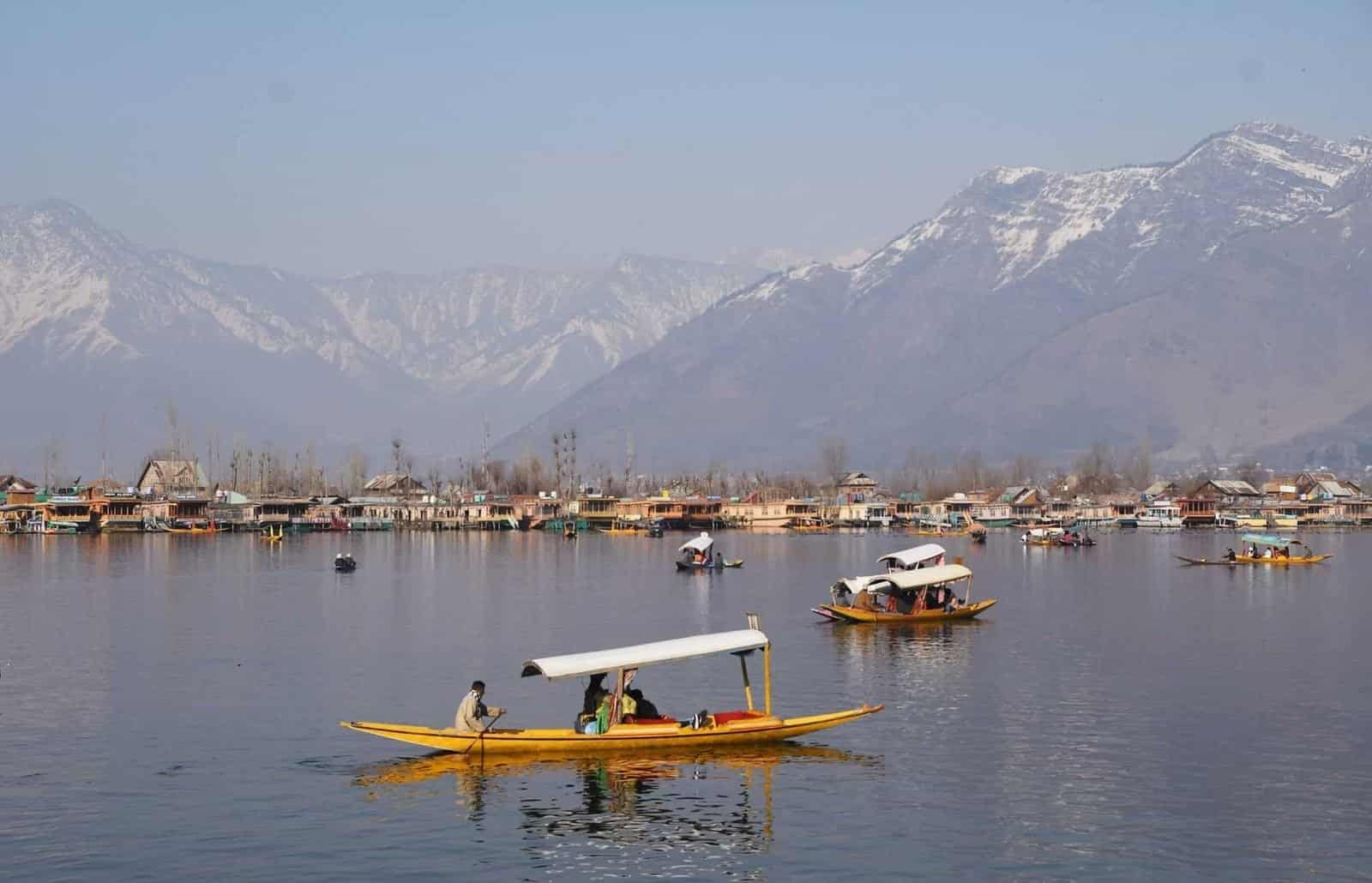
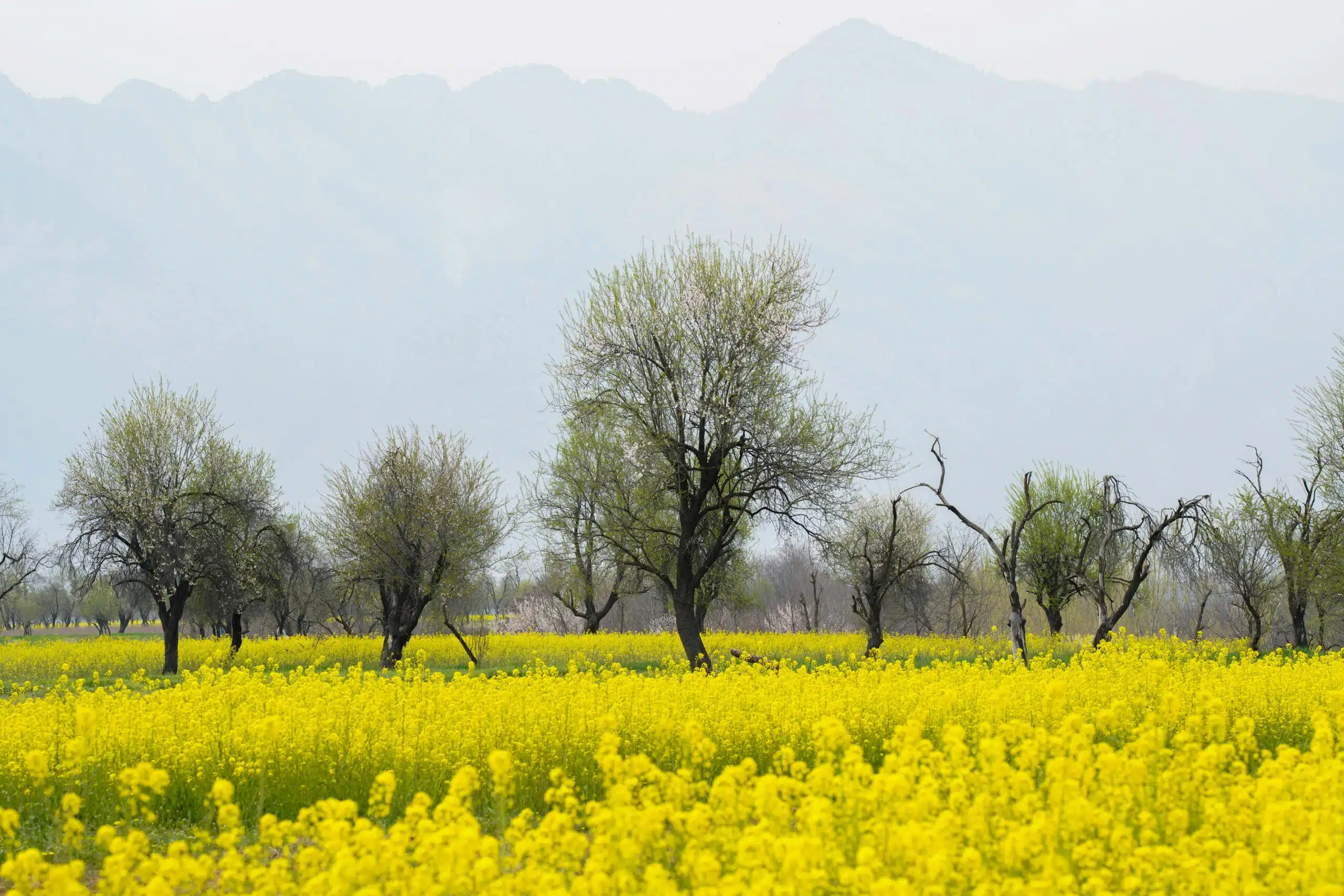
The peak summer season in Kashmir lasts from April to June, mainly due to pleasant weather and easy access to outdoor activities. Popular attractions such as Dal Lake, Gulmarg, and Pahalgam experience heavy tourist footfall during this period. With the onset of spring, the famous Tulip Festival in Srinagar further increases tourist interest, making this one of the busiest travel seasons in the valley.
In terms of Kashmir trip cost, travelling during peak season is comparatively expensive. Hotel prices, taxi fares, and sightseeing costs are higher due to increased demand.
It is always advisable to book everything in advance, including flight or train tickets, to manage the Jammu Kashmir trip cost efficiently. Advance hotel bookings help avoid last-minute availability issues and inflated prices. Taxis and cabs are also in high demand during this time, and on-the-spot bookings often come with significantly higher charges. Online booking is strongly recommended during peak months.
Winter tourism in Kashmir reaches its peak from December to February, especially in Gulmarg, where travellers visit for winter sports such as skiing, snowboarding, and sledging. Due to the influx of adventure enthusiasts, the prices of accommodation, transportation, and other services increase during these months, further raising the trip to Kashmir cost.
In both summer and winter peak seasons, early planning and advance bookings are essential to keep the Kashmir trip cost within budget.
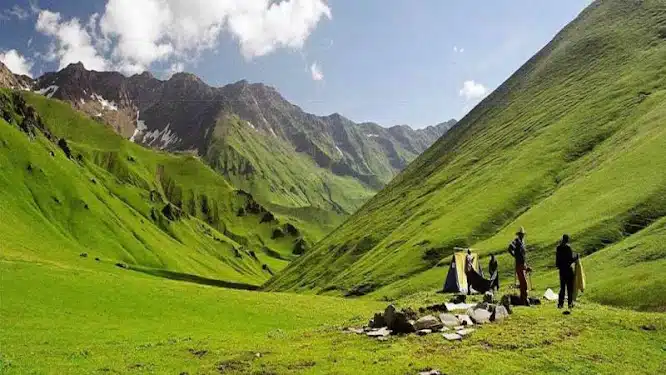
Discover Kashmir’s breathtaking landscapes through experiences like the Kashmir Great Lakes Trek and Tarsar Marsar Trek, which are also best planned well in advance during peak months.
Explore Kashmir in July for pleasant summer weather.
Off-Season
The off-peak seasons in Kashmir generally include March and the autumn months from September to November. During these periods, some routes and highways may still have snow, and certain areas may remain temporarily inaccessible. Additionally, activities such as river rafting may not be operational, as lakes and rivers either remain frozen till March or begin freezing from October onwards.
However, there is no complete off-season in Kashmir. Tourists continue to visit during spring and autumn, but with comparatively lower crowds. As a result, the Kashmir trip cost during off-peak seasons is usually lower, with better chances of discounted hotel rates and flexible taxi pricing.
For travellers with budget constraints, visiting Kashmir during the off-season is an excellent option. The available activities can be enjoyed at a much lower cost, and popular tourist destinations such as Srinagar and Pahalgam are less crowded. Travellers can also negotiate prices directly and still receive decent services at affordable rates, reducing the overall Jammu Kashmir trip cost.
For hassle-free planning, Cliffhangers India arranges Kashmir trips in an organized manner, covering accommodation, transportation, and sightseeing in advance. Both short and long packages are available, along with reliable Kashmir taxi services and taxi services in Srinagar, ensuring a smooth and cost-effective travel experience.
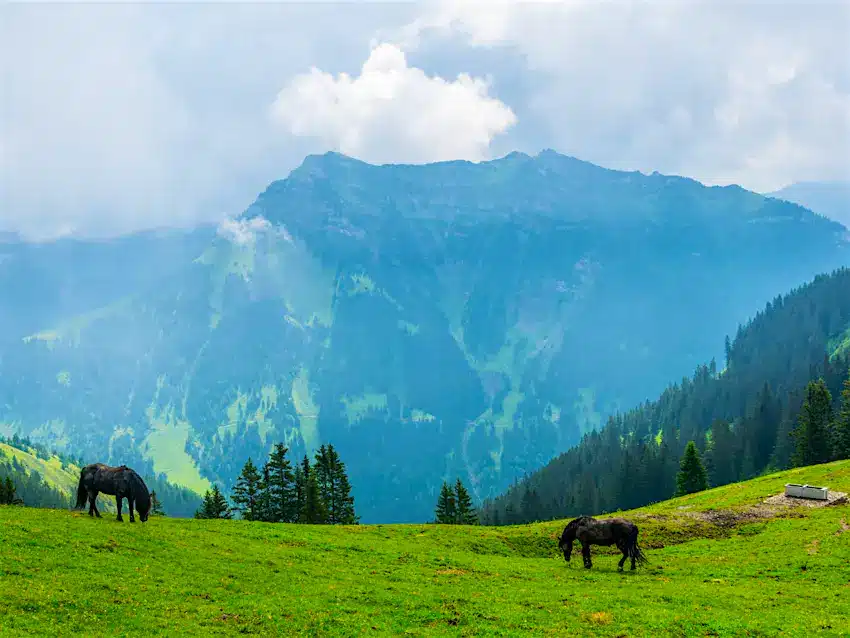
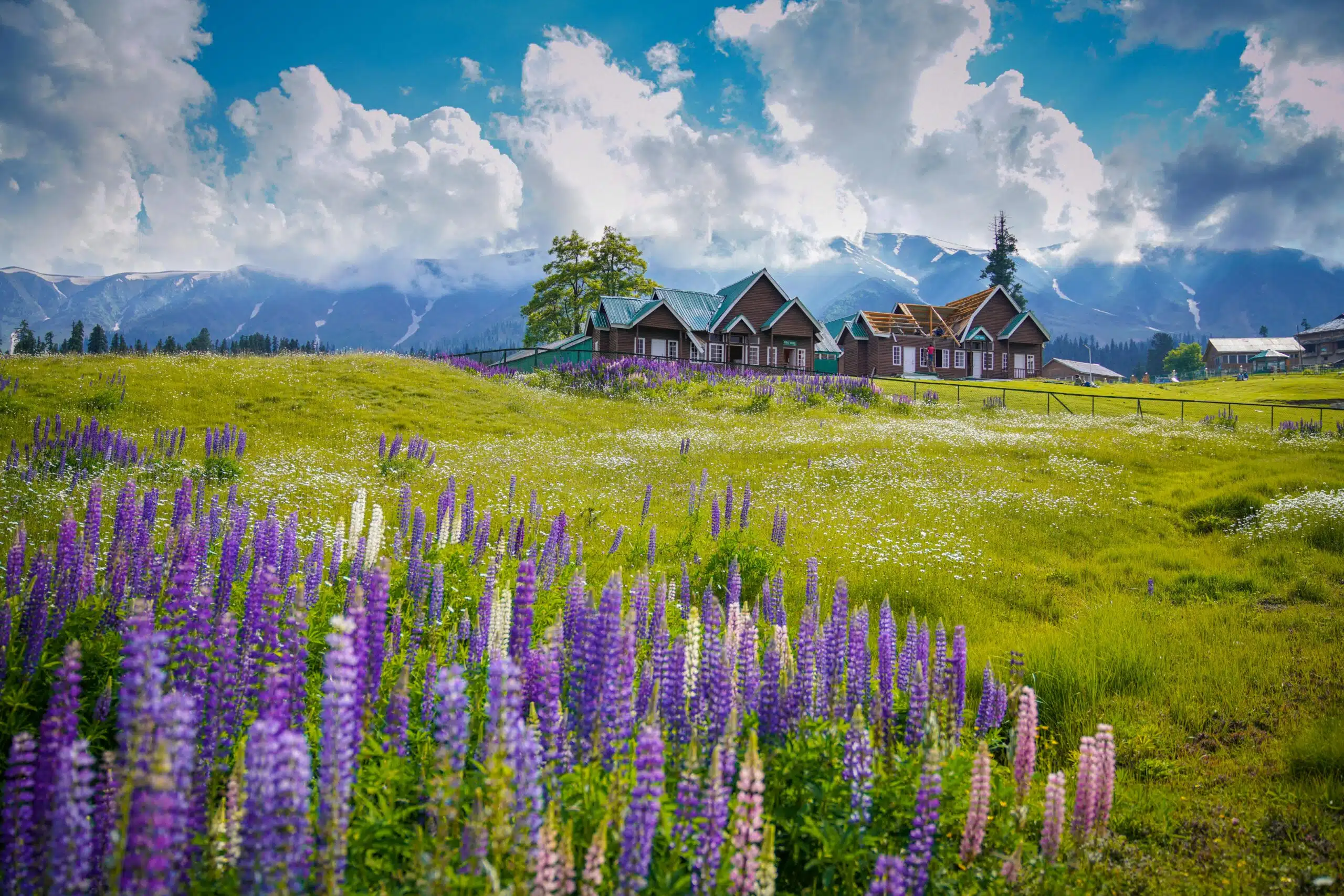
Enjoy Gulmarg in summer with green meadows and cool weather.
Duration of Stay
Another important factor that affects the Kashmir trip cost is the duration of stay in the valley. The number of days spent in Kashmir directly impacts accommodation charges, local transportation costs, and sightseeing expenses, making duration one of the key elements in overall trip planning.
Short Trips: 3–5 Days
Short trips to Kashmir are ideal for travellers with limited time who want to experience the highlights of the valley. These itineraries usually focus on popular destinations such as Srinagar, Pahalgam, Gulmarg, and Sonamarg, along with a few well-known activities. Since the schedule is tight, travel days are more structured, and flexibility is limited.
With most local travel agencies, a 3–5 day trip to Kashmir generally costs around ₹10,000 to ₹15,000 per person, excluding optional activities and personal expenses. While the shorter duration keeps costs lower, discounts are minimal because accommodation and transport bookings are made for fewer days.
Short trips work best for first-time visitors or those planning a quick getaway. However, travellers should be prepared for a faster pace and limited exploration, as covering multiple locations in a short time may feel rushed.
Extended Stays: 7 Days or More
A 7-day Kashmir itinerary is considered ideal for travellers who want a more relaxed and immersive experience. Extended stays allow enough time to explore major destinations as well as lesser-known areas without the pressure of daily long-distance travel. This also creates opportunities to enjoy activities at a comfortable pace.
Kashmir trips can extend up to 15–17 days, especially for offbeat or complete valley itineraries. Travel agencies often provide discounts or added services for longer stays, making the per-day trip to Kashmir cost more economical despite the higher overall budget.
Longer stays are well-suited for nature lovers, slow travellers, and repeat visitors. Staying longer reduces daily travel fatigue and allows travellers to adjust plans based on weather and local conditions.
Travel Style
Budget travel in Kashmir focuses on affordability while covering essential experiences. Travellers usually stay in hostels, homestays, or low-cost guest houses and prefer local food options such as dhabas. Public or state-owned buses are commonly used to reduce transportation expenses.
Budget travel is suitable for students, solo travellers, and backpackers who prioritize experiences over comfort. With proper planning, budget travellers can still enjoy Kashmir’s scenic beauty without overspending.
Mid-Range Travel
Mid-range travel offers a balance between comfort and cost. Travellers typically stay in 3-star hotels with reliable amenities, eat at decent restaurants serving Kashmiri cuisine, and use a mix of buses and taxis for transportation. This travel style provides convenience without the high costs of luxury travel.
Mid-range travel is ideal for families and working professionals who want comfort without unnecessary expenses. It is the most popular choice for travellers seeking value for money.
Luxury Travel
Luxury travel in Kashmir focuses on premium comfort and personalized experiences. Travellers stay in high-end hotels or luxury houseboats, enjoy fine dining, and travel in private chauffeur-driven vehicles. These experiences significantly increase the overall Kashmir trip cost, especially during peak seasons.
Luxury travel is best for honeymooners, special occasions, or travellers seeking exclusivity. Advance planning is important, as premium accommodations fill quickly during peak months.
Group style
Group size also influences the Jammu Kashmir trip cost, as expenses like accommodation and transportation can be shared or discounted based on the number of travellers.
Solo Travellers
Solo travellers are usually charged per person and may not receive group discounts. However, they have complete flexibility in itinerary planning and can reduce costs by sharing taxis or booking accommodations early.
Solo travel suits independent travellers who value flexibility and personal experiences. Choosing shared services and advance bookings can help manage costs effectively.
Couples
Couples travelling to Kashmir often benefit from honeymoon or couple-specific packages that include special discounts and complimentary services. Sharing accommodation and transportation reduces individual expenses.
Couple trips are ideal for romantic getaways and honeymoons. Choosing well-planned itineraries helps couples enjoy privacy while keeping the Kashmir trip cost reasonable.
Families / Groups
Travelling as a family or group offers the most cost advantages. Hotels, travel agencies, and taxi services often provide better deals for group bookings. Sharing costs across accommodation and transportation significantly lowers the per-person expense.
Group travel is best for families and friends looking for a cost-effective and social travel experience. Planning together in advance ensures smoother logistics and better overall value.
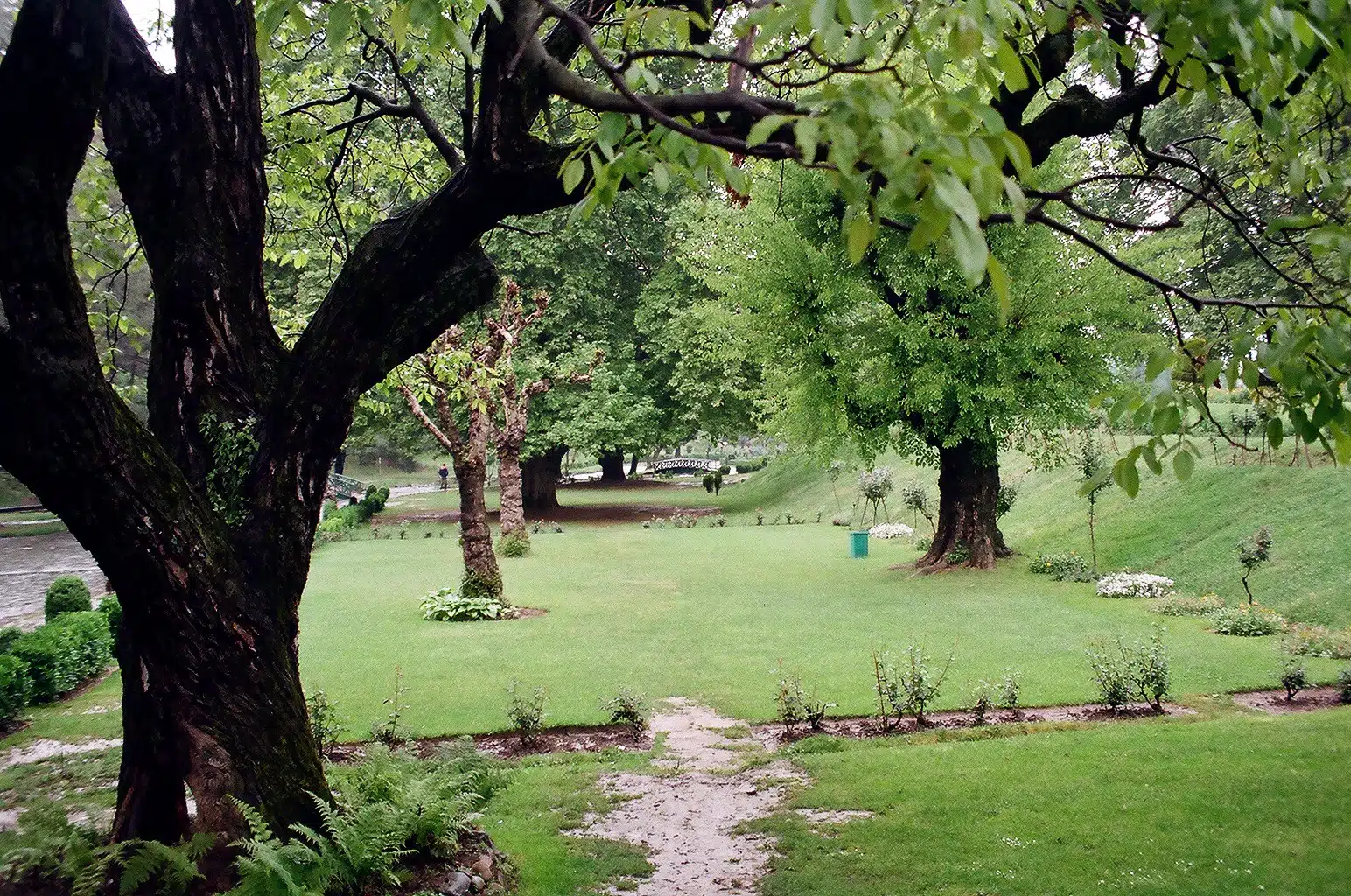
Experience blooming gardens in Srinagar in May.
Budget Itinerary for Kashmir Trip
Day 1 Arrival
After you reach Srinagar from your respective city, plan your trip accordingly after a rest day. You must include the expense of this day in your Kashmir trip cost if you are traveling from another city such as Mumbai, Pune, Bangalore, or any other place. Standard houseboat stay in Srinagar for the night. Cost: ₹800–1000
Suggested Activities: Take a Shikara ride or stroll down the avenue to observe the neighborhood market.
Keeping the first day light helps travellers recover from travel fatigue and altitude adjustment. Staying in a houseboat is one of the most affordable ways to experience Kashmir’s culture while keeping accommodation costs low.
Day 2 Arrival at Gulmarg
Suggested Activities: Gondola Tour, visit St. Mary’s Church and the local temple. Stop at the well-known Drung Waterfall while traveling to Gulmarg.
Stay the night at a standard hotel in Gulmarg. Cost: ₹1000–1500 (minimum)
Gulmarg is one of the most visited hill stations in Kashmir, and reaching early in the day allows more time for sightseeing. Budget hotels near the market area help reduce travel time and transportation expenses.
Day 3 Exploration of Gulmarg
Suggested activities include exploring Botapathri and Khilanmarg. Visit the Heritage Mahal and the famous Gulmarg Golf Course.
Stay the night at the Gulmarg standard hotel. Cost: ₹1000–1500 (minimum)
Spending an extra day in Gulmarg helps travellers avoid rushing through attractions. Walking trails and local sightseeing keep expenses minimal while offering scenic views and peaceful experiences.
Day 4 Arrival in Pahalgam
Suggested Activities: Visit the local market in Pahalgam, explore Apple Valley orchards, and enjoy a horse ride in Baisaran Valley.
Stay the night at a standard hotel in Pahalgam. Cost: around ₹2000
Pahalgam is ideal for relaxed sightseeing and nature walks. Budget hotels slightly away from the main market offer better pricing while maintaining easy access to major attractions.
Day 5 An Exploration of Pahalgam
It is recommended to visit Chandanwari, Betaab Valley, and the renowned Aru Valley. Visit the historic Mamal Temple.
Public transport cost: ₹200 per passenger
Petrol cost (self-drive): around ₹700
Stay the night at the Pahalgam standard hotel.
Using shared taxis or public transport significantly reduces the Kashmir trip cost on this day. Planning the route efficiently allows covering multiple valleys without hiring a full-day private cab.
Day 6 Srinagar Sightseeing
Suggested activities include visiting Nishat Garden, Shalimar Garden, Chashma Shahi, Pari Mahal, and enjoying traditional Wazwan cuisine.
Public transport within Srinagar can be challenging, but costs range between ₹300–400 per person if used.
Overnight stay at a standard Srinagar hotel. Cost: ₹1500–2000
This day focuses on Mughal-era gardens and cultural experiences. Hiring a shared cab for sightseeing can be more convenient and time-saving while still staying within a budget.
Day 7 Srinagar Old City Tour
A recommended activity is the Heritage Walk in Srinagar. Explore the medieval market along the Jhelum River, featuring bazaars, local food, architecture, and historical landmarks.
Stay the night at a standard Srinagar hotel. Cost: ₹1000–1500
The old city offers an authentic glimpse into Kashmiri life. Walking tours are budget-friendly and allow travellers to explore at their own pace while supporting local businesses.
Day 8 Departure
Planning departure flights or trains in advance helps avoid last-minute price hikes. Keeping some buffer time ensures smooth travel, especially during peak tourist seasons in Kashmir.
Popular Areas In Kashmir
Gulmarg Trip Cost
One of the most popular tourist destinations in Kashmir is Gulmarg. Known as a major ski resort in India, Gulmarg attracts adventure seekers during winter and families during summer vacations and spring months. The famous Gondola ride remains the biggest highlight throughout the year. Due to high tourist demand, there are more hotels than residential homes in Gulmarg, which directly impacts accommodation pricing.
Finding a cheap hotel in Gulmarg is difficult compared to other parts of Kashmir. Hence, understanding the Gulmarg trip cost in advance helps travellers plan a realistic budget and avoid last-minute surprises.
In general, off-season hotel prices rarely fall below ₹2000–₹2500 per night. During peak seasons, especially summer holidays and winter snowfall months, prices rise significantly. Even average hotels may charge anywhere between ₹10,000 and ₹15,000 during peak demand periods, while the lowest available accommodation may still cost around ₹5000 per night. Winter season sees the highest surge due to skiing and snow activities.
To reduce Gulmarg travel expenses, it is advisable to stay in nearby areas like Tangmarg and commute daily. Booking hotels well in advance and avoiding weekends during peak months can also help bring down overall Gulmarg trip costs.
Srinagar Trip Cost
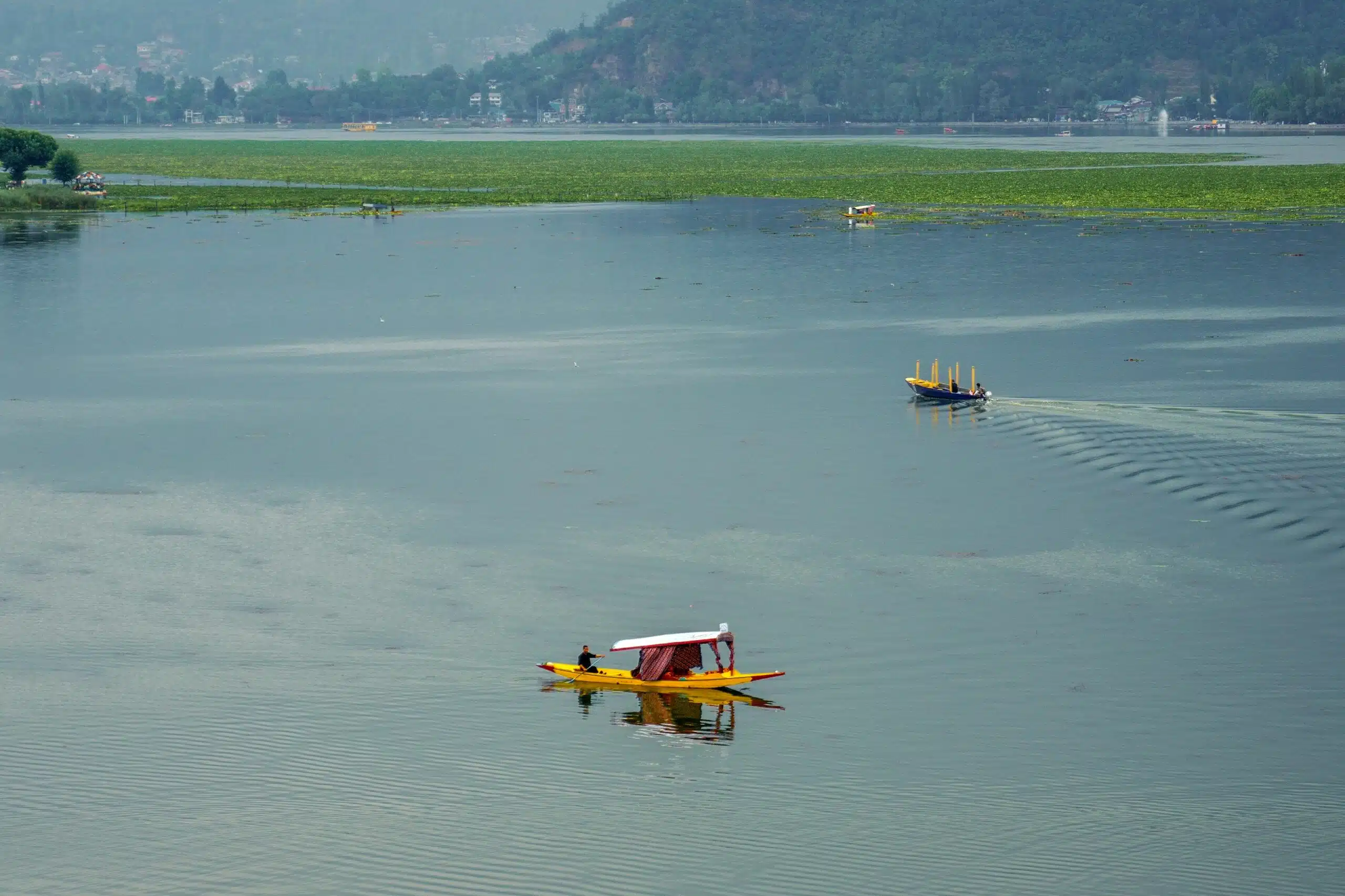
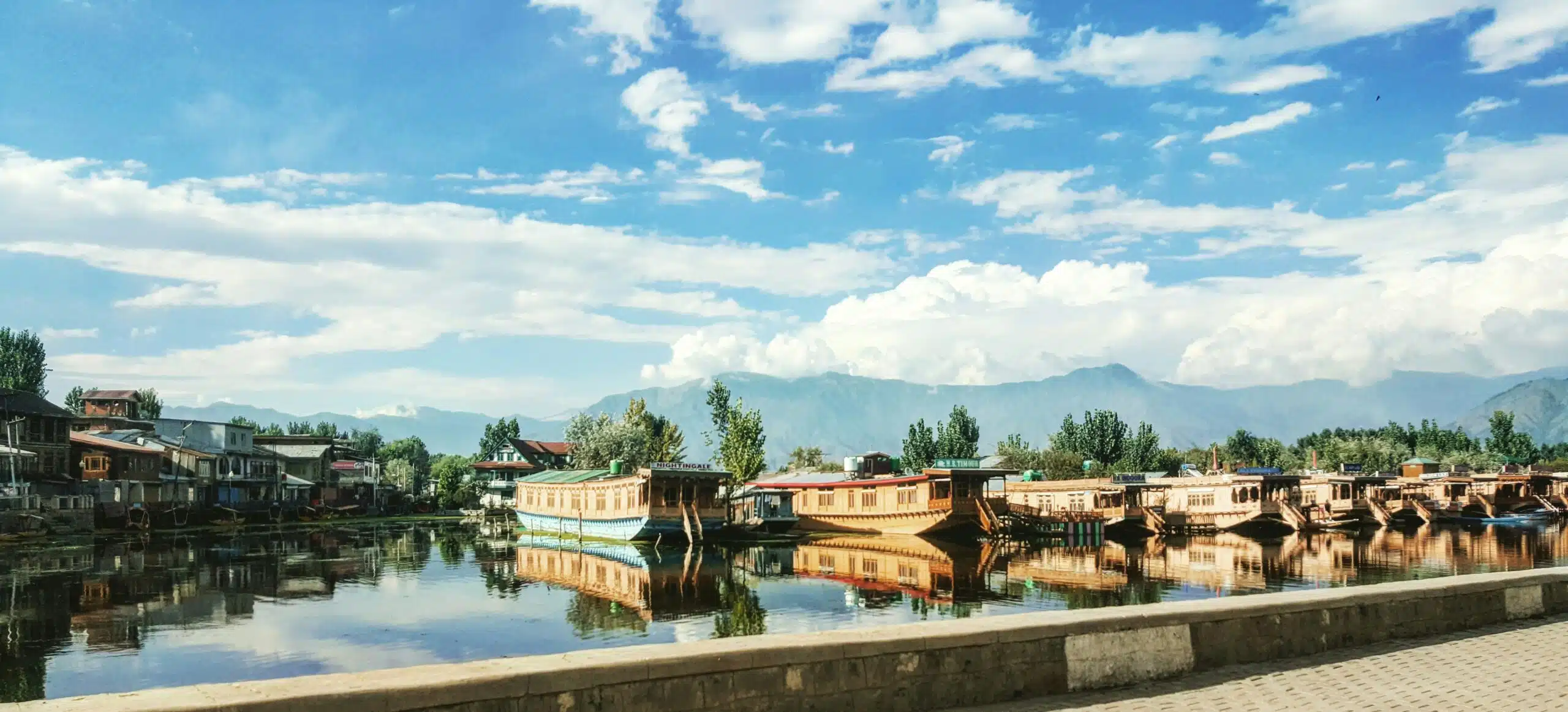
Srinagar offers the widest variety of accommodation options in Kashmir, making it the most budget-friendly base for travellers. From guesthouses and budget hotels to premium stays and houseboats, Srinagar allows visitors to balance comfort with affordability. For travellers planning a low-cost Kashmir trip, spending more nights in Srinagar is a practical choice.
During the off-season, hotel rooms in Srinagar range between ₹800 and ₹1500 per night. In peak tourism months such as January, February, April, and June, prices for standard hotels and guesthouses usually increase to ₹2000–₹2500 per night. For a more immersive experience, travellers can choose to stay on houseboats in Nigeen Lake, which are often more peaceful and reasonably priced compared to Dal Lake.
Srinagar also helps reduce transportation costs since shared cabs, local buses, and walking tours are more accessible here. Staying centrally allows easy access to gardens, markets, and heritage sites without hiring expensive private taxis.
Sonamarg Trip Cost
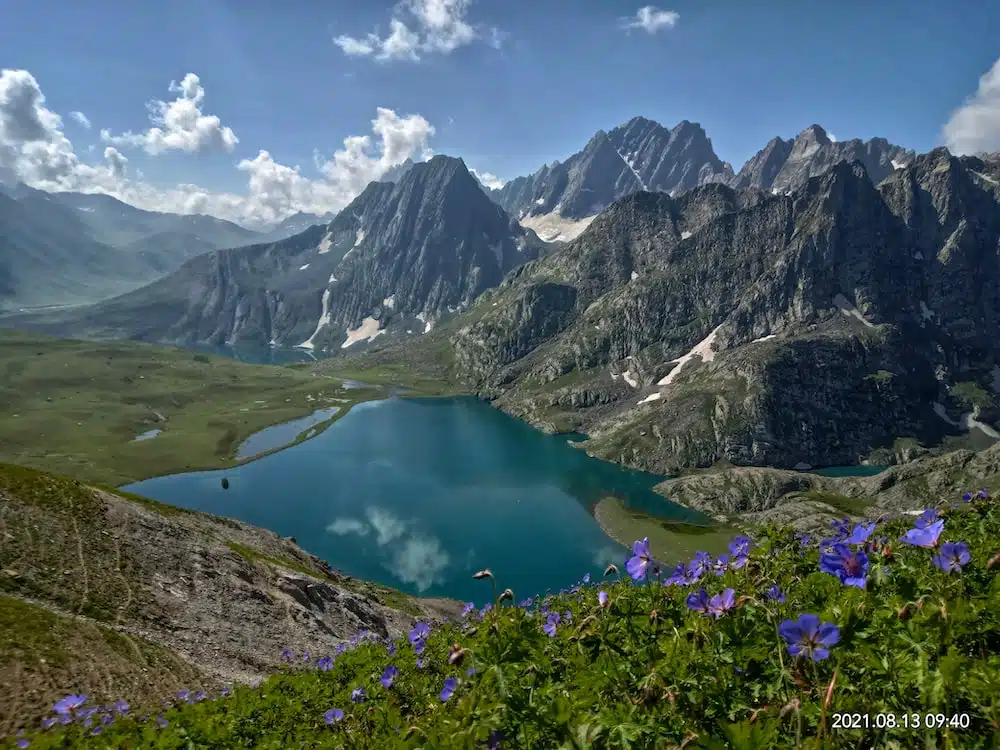
Sonamarg remains inaccessible for most of the winter season due to heavy snowfall. While road travel may be possible at times, accommodation options become extremely limited as most hotels shut down after December. Finding a place to stay during winter months can be challenging, making Sonamarg more suitable for visits during the rest of the year.
From late spring to autumn, hotel prices in Sonamarg usually range between ₹2000 and ₹3000 per night. Budget travellers can find cheaper accommodations near the main Sonamarg market area, where rooms may cost between ₹800 and ₹1200. Some travellers also opt for nearby camps that offer shared group accommodations at lower prices.
Sonamarg is ideal for short stays or day trips when planning a budget Kashmir itinerary. Travelling early in the day and returning to Srinagar by evening can help avoid overnight stay costs while still enjoying Sonamarg’s scenic beauty.
Pahalgam Trip Cost
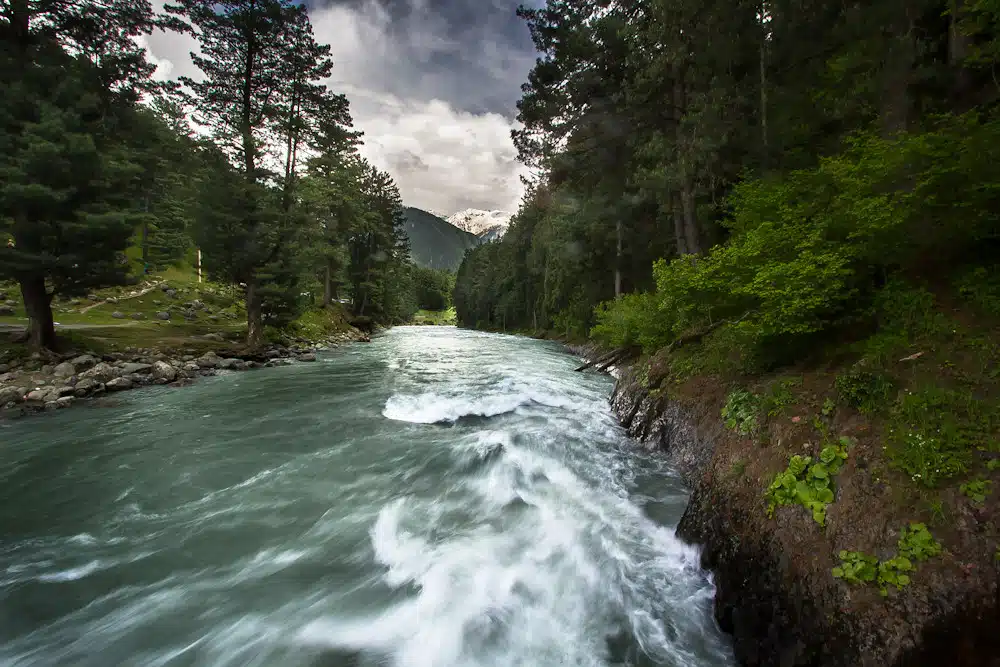
Similar to Gulmarg, hotels in Pahalgam tend to overbook during the winter season due to heavy tourist inflow. From late December to February and sometimes early March, accommodation prices rise sharply. During this period, the average cost of stay in Pahalgam ranges between ₹7,500 and ₹15,000 per night, depending on hotel category and availability. Winter tourism, snowfall, and limited hotel inventory are the main reasons behind the surge in prices.
During the rest of the year, Pahalgam trip costs are comparatively moderate. In the shoulder and summer seasons, standard hotels usually charge between ₹1,500 and ₹2,500 per night, making it one of the more affordable destinations in Kashmir outside peak winter months. Luxury resorts and premium riverside properties naturally cost much more, especially during weekends and holidays.
Travellers looking for quieter surroundings and lower prices can consider staying in nearby areas like Aru Valley, which offers a more offbeat experience. Camping options are also available for adventure enthusiasts and budget travellers. Advance booking plays a crucial role in securing better deals, especially during high-demand months, and can significantly reduce overall Pahalgam trip costs.
Gurez Valley Trip Cost
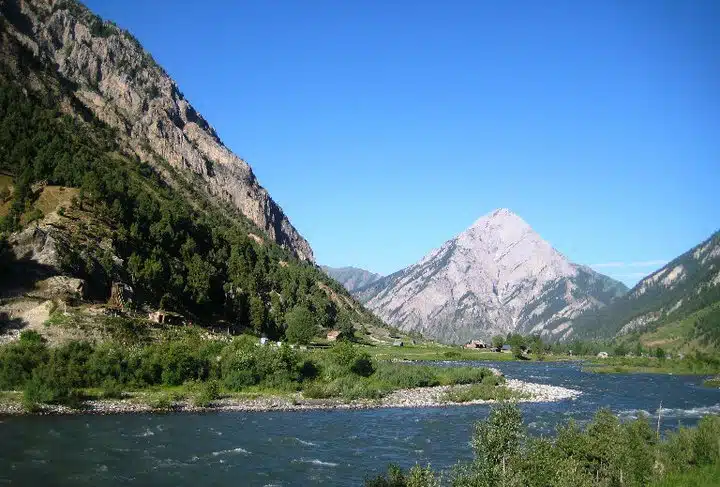
Earlier, the J&K Tourism Dak Bungalow in Dawar was the only accommodation option available in Gurez Valley. With increasing interest in offbeat travel, a few more hotels and homestays have come up in recent years. However, tourism infrastructure in Gurez Valley remains limited, and travellers should not expect conventional hotel chains or luxury stays. There are no three-star or premium hotels currently operating in the region.
Camping near the Kishanganga River is one of the most popular stay options in Gurez. These camps are located on the outskirts of Dawar and offer scenic views along with a peaceful environment. According to traveller feedback, camping in Gurez is ideal for families and groups seeking a raw and nature-focused experience. Some basic hotels are also available near areas like Drung, but availability remains limited.
In cases where accommodation in Gurez is not available, travellers often choose to stay in Gulmarg or Tangmarg and plan their journey accordingly. On average, budget accommodation in and around Gurez Valley may cost around ₹2,000 per night, excluding transportation expenses. Due to limited options, pre-planning is essential while calculating the overall Gurez Valley trip cost.
Yusmarg Trip Cost
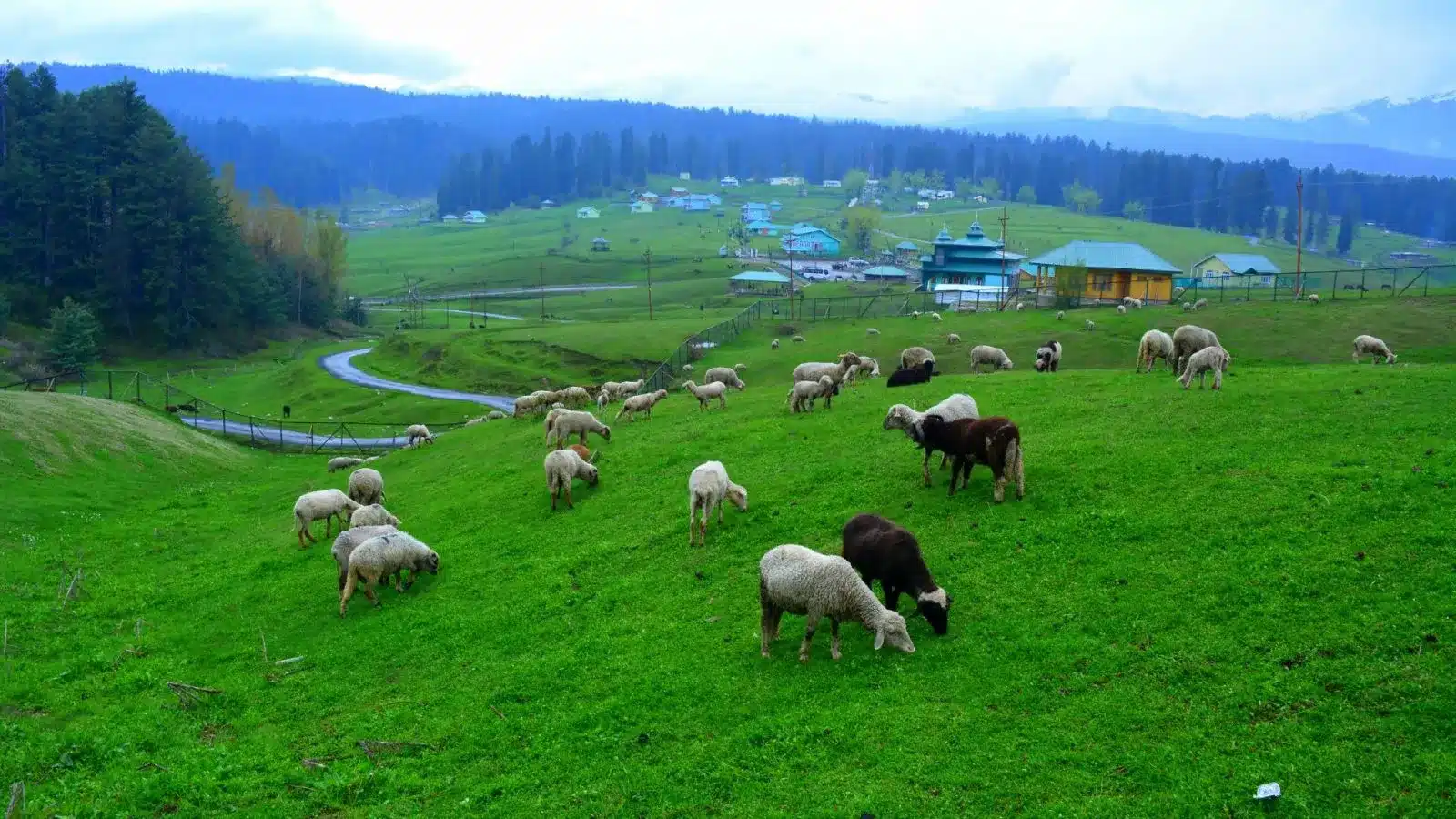
Accommodation options in Yusmarg are extremely limited, with JKTDC Tourist Huts and Bungalows being the primary choices for overnight stays. These government-run accommodations offer basic amenities and meals can be pre-booked at the bungalows. Apart from this, only a few small eateries are available nearby, making Yusmarg more suitable for short stays or nature-focused trips.
For trekkers and adventure travellers, carrying tents and food supplies is strongly recommended. Camping remains one of the most practical ways to explore Yusmarg without depending on limited infrastructure. If accommodation is not available in Yusmarg, Charar-e-Sharif is the nearest town where travellers might find basic lodging options.
Those planning treks can arrange a guide from Srinagar in advance or request assistance from local pony owners, who are familiar with the terrain and routes. Considering accommodation, food, and basic logistics, the total cost of staying in Yusmarg usually falls between ₹2,500 and ₹3,000 per person, making it a budget-friendly destination for travellers seeking solitude and natural beauty.
Dal Lake Trip Cost
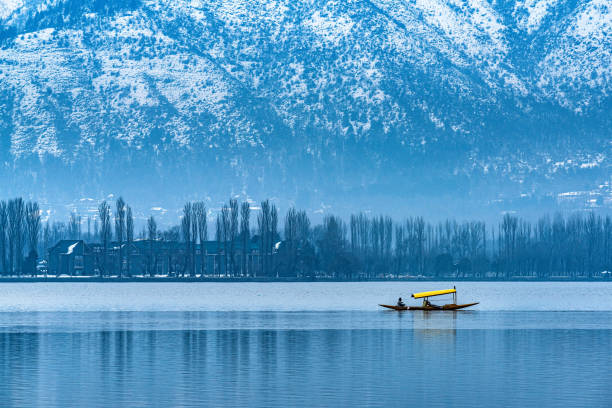
Dal Lake is the heart of Srinagar tourism and one of the most iconic attractions in Kashmir. Staying near Dal Lake offers easy access to shikara rides, floating markets, and major sightseeing spots. Accommodation options around Dal Lake range from budget hotels to premium lake-view properties, making it suitable for different travel styles.
Houseboats are the most popular stay option here. A standard houseboat on Dal Lake generally costs between ₹1,500 and ₹3,000 per night during off-season, while prices can rise to ₹5,000–₹10,000 or more during peak tourist months. Hotels near Dal Lake usually charge ₹1,800 to ₹3,500 for standard rooms, depending on location and season.
Dal Lake also adds to the overall Srinagar trip cost through activities like shikara rides, which typically cost ₹600–₹1,200 depending on duration and negotiation. Staying slightly away from the main boulevard can help reduce accommodation costs while still allowing easy access to the lake.

Nishat–Shalimar Garden Area Trip Cost
The Nishat Bagh and Shalimar Bagh area is popular among travellers who prefer peaceful surroundings away from the crowded city center. This area is well-connected to Dal Lake and major Mughal gardens, making it a convenient base for sightseeing-focused itineraries.
Accommodation here mainly includes guesthouses, boutique hotels, and mid-range properties. During off-season, room prices usually range between ₹1,200 and ₹2,000 per night. In peak months, especially summer and tulip season, prices can increase to ₹2,500–₹4,000 depending on demand and proximity to the gardens.
Staying near Nishat and Shalimar helps keep transportation costs low, as many attractions are within short driving distance. This area is ideal for travellers who want a quieter stay while still managing their Srinagar trip cost efficiently.
Old City Srinagar Trip Cost
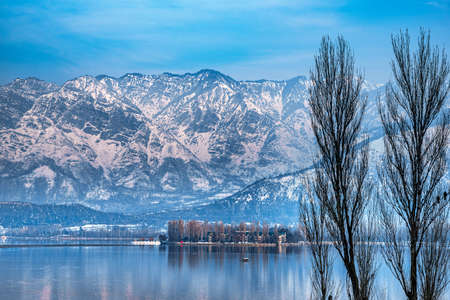
The Old City of Srinagar offers a completely different travel experience focused on culture, history, and local life. Located along the Jhelum River, this area is known for heritage walks, traditional bazaars, mosques, and centuries-old architecture. Accommodation options here are mostly budget guesthouses and homestays.
Room prices in the Old City area are among the lowest in Srinagar, usually ranging between ₹800 and ₹1,500 per night throughout most of the year. Even during peak tourist seasons, prices remain relatively stable compared to Dal Lake or boulevard areas, making it an excellent choice for budget travellers.
Staying in Old Srinagar significantly reduces overall Kashmir trip costs, as food, transport, and shopping are all cheaper here. Public transport and shared taxis are easily available, and many attractions can be explored on foot, making this area ideal for travellers prioritizing affordability and authenticity.
Food and dining costs
Food expenses during a Kashmir tour largely depend on personal preferences, the type of cuisine chosen, and the location where meals are taken. There is no fixed food cost for a Kashmir trip, as prices vary based on seasonality, tourist demand, and availability of ingredients. Restaurants in major tourist areas tend to be slightly more expensive during peak seasons, while local eateries maintain relatively stable pricing throughout the year.
On average, a traveller can expect to spend around ₹600–₹700 per person per day for regular meals. This estimate generally applies to simple vegetarian food served at local restaurants, dhabas, or hotel dining areas. These meals are filling, hygienic, and suitable for travellers looking to manage their Kashmir trip cost without compromising on nutrition.
For those interested in experiencing authentic Kashmiri cuisine, especially Wazwan and other non-vegetarian dishes, food costs increase slightly. A single meal at a decent restaurant serving Kashmiri non-veg dishes usually costs around ₹700–₹800 per person. If such meals are consumed more than once a day, the total food expense may rise to ₹1,600–₹1,800 per person per day.
Street food in Kashmir offers a more affordable and culturally rich dining experience. Local snacks and quick meals can cost as little as ₹300–₹400 per day, making them ideal for budget travellers. Apart from being economical, street food allows travellers to explore local flavors and traditional cooking styles, adding depth to the overall travel experience.
Choosing accommodation with breakfast included, eating lunch at local eateries, and limiting restaurant dining to dinner can significantly reduce daily food expenses. Food costs remain lower in areas like Old Srinagar compared to tourist-heavy zones such as Gulmarg and Pahalgam.
Kashmir offers a distinct culinary identity influenced by local traditions and climate. Popular vegetarian options include Dum Aloo, Nadru Yakhni, and Haakh. Among non-vegetarian dishes, Rogan Josh, Yakhni, Gushtaba, and Rista are widely preferred. Local breads like Sheermal and Lavasa are commonly eaten with meals. For street food lovers, items like Noon Chai with bread, Seekh Kebabs, and Kashmiri kulchas are easily available and affordable.
Here are some popular dishes and their approximate prices in Kashmir. Prices may vary depending on the restaurant, location, and portion size.
- Rogan Josh: A famous non-vegetarian dish from Kashmir, made with tender lamb cooked in rich spices. The price is around ₹150 per piece.
- Pulav: A flavorful rice dish, known for its sweet and savory taste. Average cost per serving is ₹200.
- Dum Aloo: A classic vegetarian dish, made with spiced potatoes. Prices depend on portion size, averaging around ₹100 per serving.
- Tabakmaaz: A specialty dish of Kashmiri lamb ribs, grilled to perfection. Price per piece is approximately ₹150.
- Harissa: A traditional winter dish made with wheat and meat, rich in flavor. Costs around ₹500 for half a kilogram.
- Kahwa: Traditional Kashmiri green tea infused with saffron, cardamom, and almonds. Price is ₹50 per cup.
Trying local dishes is an essential part of the Kashmir travel experience. Street food and smaller eateries provide authentic flavors at affordable prices, while fine dining gives a premium experience for travellers willing to spend more.
Kashmir offers a wide range of dining options catering to different budgets, from fine dining to local eateries.
- Fine Dining Restaurants: High-end restaurants in Srinagar, Gulmarg, and Pahalgam serve multiple courses of authentic Kashmiri cuisine, prepared by skilled chefs. The ambience, presentation, and service are top-notch. Prices range between ₹1,000–₹2,000 per plate for specialty dishes like Wazwan or premium non-veg meals.
- Budget Eateries: Local dhabas and small eateries provide affordable meals without compromising on taste. A vegetarian thali costs around ₹150–₹200, while non-vegetarian dishes cost approximately ₹300 per plate. These are ideal for budget travellers who want to experience Kashmiri food without increasing their trip cost significantly.
- Mid-Range Restaurants: Mid-range restaurants strike a balance between quality, ambience, and price. Here, travellers can enjoy tasty dishes in a comfortable setting at a reasonable cost, ranging from ₹500–₹800 per meal. These restaurants are perfect for those who want a relaxed dining experience without spending too much.
Choosing where to eat can help manage your daily food cost in Kashmir. Mixing local eateries with one or two fine dining experiences gives travellers a good taste of Kashmiri cuisine while keeping the overall trip budget reasonable.
Kashmir Trip Cost Saving Tips
Accommodation
One of the easiest ways to save money on your Kashmir trip is by choosing budget-friendly accommodation. Opt for a place that is comfortable and cosy while meeting your basic needs. Booking in advance is essential, especially during peak seasons, as on-spot bookings can be expensive. Staying slightly away from major city centers can also reduce costs. Don’t miss opportunities for camping, which not only saves money but adds a unique, adventurous experience to your Kashmir trip.
Additional tip: Look for package deals from local operators, which may include accommodation, transportation, and some activities at discounted rates.
Transportation
Transportation often makes up a major portion of your Kashmir travel budget. To cut costs:
- Take buses for long-distance travel, as they are economical and convenient.
- Solo travellers can share taxis or cabs with other tourists to reduce per-person cost.
- Trekking to nearby attractions is another way to explore while saving money.
Additional tip: Booking taxis or cabs in advance through local services like Cliffhangers India can save both time and money, especially during peak seasons.
Food
If your budget is limited, avoid fine-dining at expensive restaurants. Enjoy traditional vegetarian and non-vegetarian thalis available for ₹150–₹300 per meal. Street food in Kashmir is also a tasty and affordable option.
Additional tip: Carry small snacks while travelling. Many shops around tourist hotspots charge premium prices for packaged food. Eat moderately and avoid overspending on items you may not finish.
Activities
Booking activities and sightseeing tours in advance is key to saving money. Popular spots fill up quickly during peak seasons, and waiting in lines can waste time and add extra cost. Pre-booked experiences often come with discounts or complimentary additions.
Additional tip: Consider group bookings for adventure activities or guided treks, as group rates are often cheaper than individual rates.

Transportation cost of Kashmir trip
The fastest way to reach Kashmir is by air. Srinagar Airport is the primary airport for the region, with flights from major Indian cities. Booking at least one month in advance usually results in better rates.
Estimated Economy Class Prices (One-way):
- Pune → Srinagar: ₹7,700–₹9,000 (direct), ₹13,000 for faster connections
- Mumbai → Srinagar: ₹8,000–₹12,000
- Delhi → Srinagar: ₹10,000–₹15,000
- Jaipur → Srinagar: ₹10,000–₹20,000
- Hyderabad → Srinagar: ₹10,000–₹20,000
- Mysore → Srinagar: ₹20,000–₹30,000
- Chennai → Srinagar: ₹10,000–₹15,000
Domestic flights are generally cheaper than international flights, which will obviously cost more due to longer distances and additional taxes.
Booking Tips for Cheaper Flights
- Advance booking: Book flights 1–2 months ahead for the lowest fares.
- Weekday flights: Early morning flights on weekdays are cheaper than afternoon or evening slots.
- Flights with layovers: Choosing flights with layovers can save a significant amount compared to direct flights.
- Special discounts: Students and senior citizens can avail discounts with proper ID proofs.
- Comparison tools: Use websites and apps like MakeMyTrip, Yatra, and Cleartrip to compare prices across airlines and book the best deal.
Additional tip: Keep an eye on airline flash sales or seasonal discounts, especially during off-peak travel months, to save a substantial amount on flight costs.
Airport Transfers
In Kashmir, airport transfer services are readily available, with prices depending on the type of cab chosen. Transfers between Jammu and Srinagar airports or vice versa vary according to the vehicle type:
- Sedan: ₹8,000
- Innova: ₹10,000
- Crysta: ₹12,000
- Tempo Traveller (12/17/20 seater): ₹12,000 / ₹15,000 / ₹17,000
Additional tip: Booking airport transfers in advance ensures availability, especially during peak tourist seasons, and can often save you 5–10% compared to on-spot bookings.
Intercity Travel
Once in Srinagar, travellers can book cab services to reach other popular destinations in Kashmir. Below are the approximate Sedan cab rates from Srinagar:
- Gulmarg: ₹2,800
- Pahalgam: ₹3,200
- Yusmarg: ₹2,800
- Sonamarg: ₹3,000
- Ladakh: ₹16,000
- Doodhpathri: ₹3,200
- Aru Valley: ₹1,450
Additional tip: Sharing cabs with other travellers or booking through local taxi services can reduce your per-person cost and make your Kashmir trip more budget-friendly.
Kashmir also has a decent network of public transportation, including auto-rickshaws, private buses, and government buses. For long-distance travel, Jammu & Kashmir State Road Transport Corporation (JKSRTC) operates reliable buses connecting major towns. Rates and schedules can be checked on the official website: jksrtc.co.in.
Additional tip: Public buses and shared transport are ideal for travellers on a tight budget and offer a chance to experience local life in Kashmir.
For travellers looking for flexibility, private vehicle rentals are widely available in Kashmir. You can rent cars or bikes according to your needs. Options include small cars, SUVs, and bikes for solo or group travel.
- For car or bike rentals and queries, you can contact: +91 8899366900
Additional tip: Renting a private vehicle gives you the freedom to explore remote locations at your own pace, but it is usually more expensive than public transport. Combining private transport for distant trips and public transport for short distances can help manage your Kashmir trip cost efficiently.
Accommodation Costs in Kashmir
Accommodation is one of the largest contributors to your Kashmir trip cost. The price depends on the type of stay, location, season, and amenities provided. Below is a detailed breakdown to help you plan your budget effectively.
Budget accommodations are ideal for travellers looking to save money while still having a comfortable stay. Options include hostels, budget hotels, and guesthouses.
- Cost: ₹800–₹1,500 per night
- Features: Basic amenities, clean rooms, minimal service
- Best For: Solo travellers, backpackers, and budget-conscious families
Tip: Booking in advance and staying slightly outside main tourist hubs like Dal Lake or Gulmarg can reduce costs further.
Mid-range stays offer a balance of comfort, service, and affordability. These usually include 3-star hotels, boutique hotels, and some premium guesthouses.
- Cost: ₹1,500–₹4,000 per night
- Features: Comfortable rooms, decent facilities, good ambience, optional in-house dining
- Best For: Couples, small families, and travellers wanting moderate comfort
- Tip: Choose properties near popular destinations like Pahalgam or Srinagar Boulevard to save on daily commute costs.
Luxury accommodations are designed for travellers who prioritize comfort, privacy, and premium services. Options include 5-star hotels, resorts, and luxury houseboats.
- Cost: ₹5,000–₹15,000 per night (varies during peak season)
- Features: Premium rooms, fine dining, spa facilities, private transportation
- Best For: Couples on honeymoon, families seeking indulgence, and high-end travellers
- Tip: Peak seasons (summer & winter) may increase rates by 20–50%. Early booking is essential.
Homestays are a great way to experience local Kashmiri culture while staying at a reasonable cost.
- Cost: ₹1,000–₹2,500 per night
- Features: Meals included, local guidance, cozy home-like environment
- Best For: Solo travellers, cultural enthusiasts, and those on a mid-range budget
Tip: Homestays are perfect for budget travellers who want authentic experiences at lower Kashmir trip cost.
Hostels are a preferred choice for backpackers and solo travellers.
- Cost: ₹500–₹1,200 per night
- Features: Dormitory-style rooms, shared facilities, common lounge areas
- Best For: Students, solo travellers, and backpackers
- Tip: Hostels near Srinagar or Pahalgam markets provide easy access to sightseeing spots and public transport.
Staying on a houseboat is a unique experience in Kashmir, especially in Srinagar on Dal Lake or Nigeen Lake.
- Cost: ₹1,500–₹5,000 per night (standard), ₹5,000–₹10,000 (luxury)
- Features: Floating stay, traditional decor, optional meals, scenic views
- Best For: Couples, honeymooners, and travellers seeking unique experiences
Tip: Off-season bookings are cheaper, and packages may include meals or sightseeing.
Sightseeing and Activity Costs in Kashmir
Top attractions
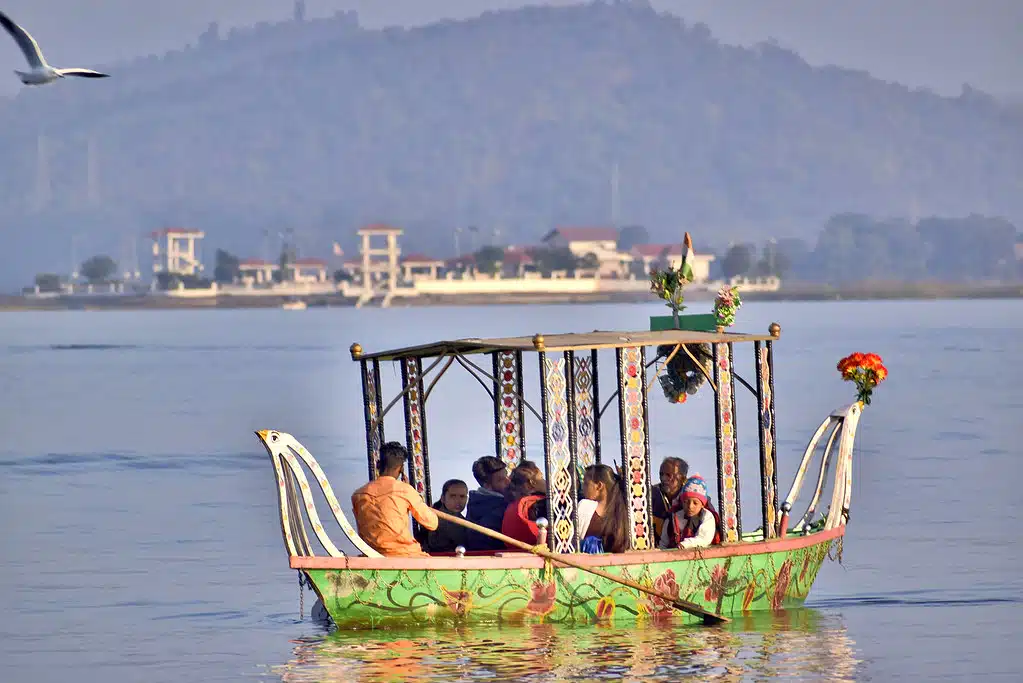
- Dal Lake: There is no entry fee to visit Dal Lake. The main expenses are on activities such as Shikara rides or staying in a houseboat. Shikara rides typically cost ₹800–₹1,500, depending on boat quality, duration, and peak season. Tip: Book in advance to avoid long waits during peak tourist months.
- Shalimar Garden: Entry fee for Indian visitors is ₹10, while foreigners pay ₹50. The garden is beautifully maintained with Mughal architecture, fountains, and walking paths.
- Nishat Garden: Entry fee is ₹10 per person for Indians. Tickets are available at the main entrance. This garden offers scenic views of Dal Lake and surrounding mountains.
- Indira Gandhi Memorial Tulip Garden: Entry fees are ₹50 per adult, ₹25 per child, and ₹150 for foreign tourists. Visiting during the Tulip Festival (spring season) provides a stunning visual experience with colorful blooms.
Additional tip: Combining multiple attractions in a single day can save travel and entry costs, especially if you hire a local guide or shared cab.
Adventure activities
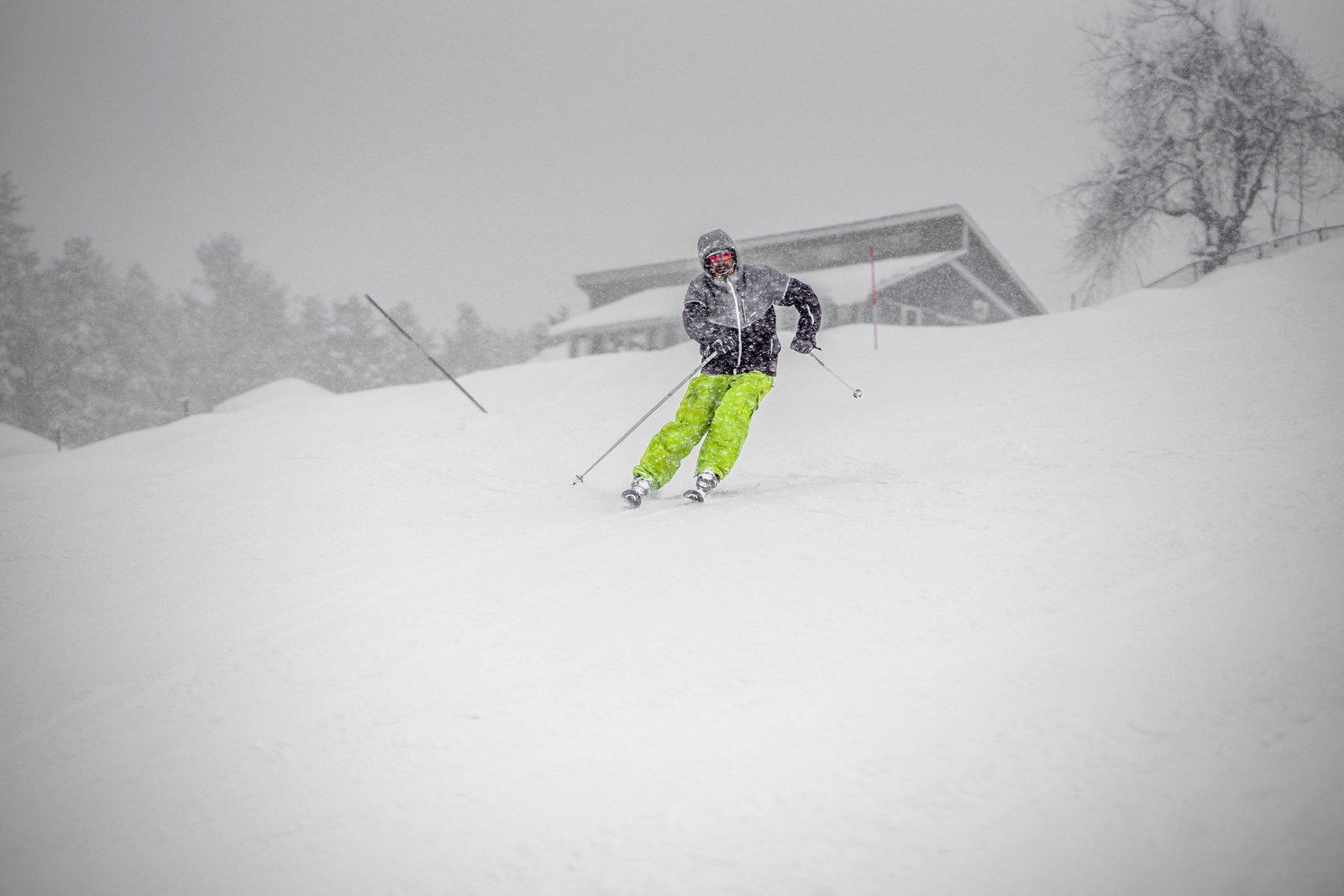
Skiing: Skiing in Gulmarg or Pahalgam can cost ₹1,500–₹5,000, depending on difficulty level, location, and gear rental. For full experience in famous ski zones like Gulmarg, expect to pay around ₹3,000–₹5,000.
Trekking: Kashmir offers many trekking options. For instance:
- Tarsar Marsar Trek: ₹13,200
- Kashmir Great Lakes Trek: ₹14,500
Tip: Booking trekking packages through reputable tour operators ensures safety, transport, meals, and accommodation.
Shikara Rides: Shikara rides on Dal Lake range from ₹800–₹1,500. Advance booking is recommended during peak season.
Paragliding: Cost of paragliding in Kashmir is around ₹3,500 per person, with breathtaking aerial views of valleys and mountains.
River Rafting: Available at rivers such as Aru River and Sindh River, prices range from ₹800–₹2,000 per person, depending on the distance and safety equipment.
Gulmarg Gondola Ride: Phase 1 costs ₹810, and Phase 2 is ₹1,010. Both phases provide panoramic views of the snow-covered peaks and green meadows.
Additional tip: Many adventure activities offer group discounts or package deals. Booking in advance can save money and avoid disappointment during peak tourist seasons.
City tours
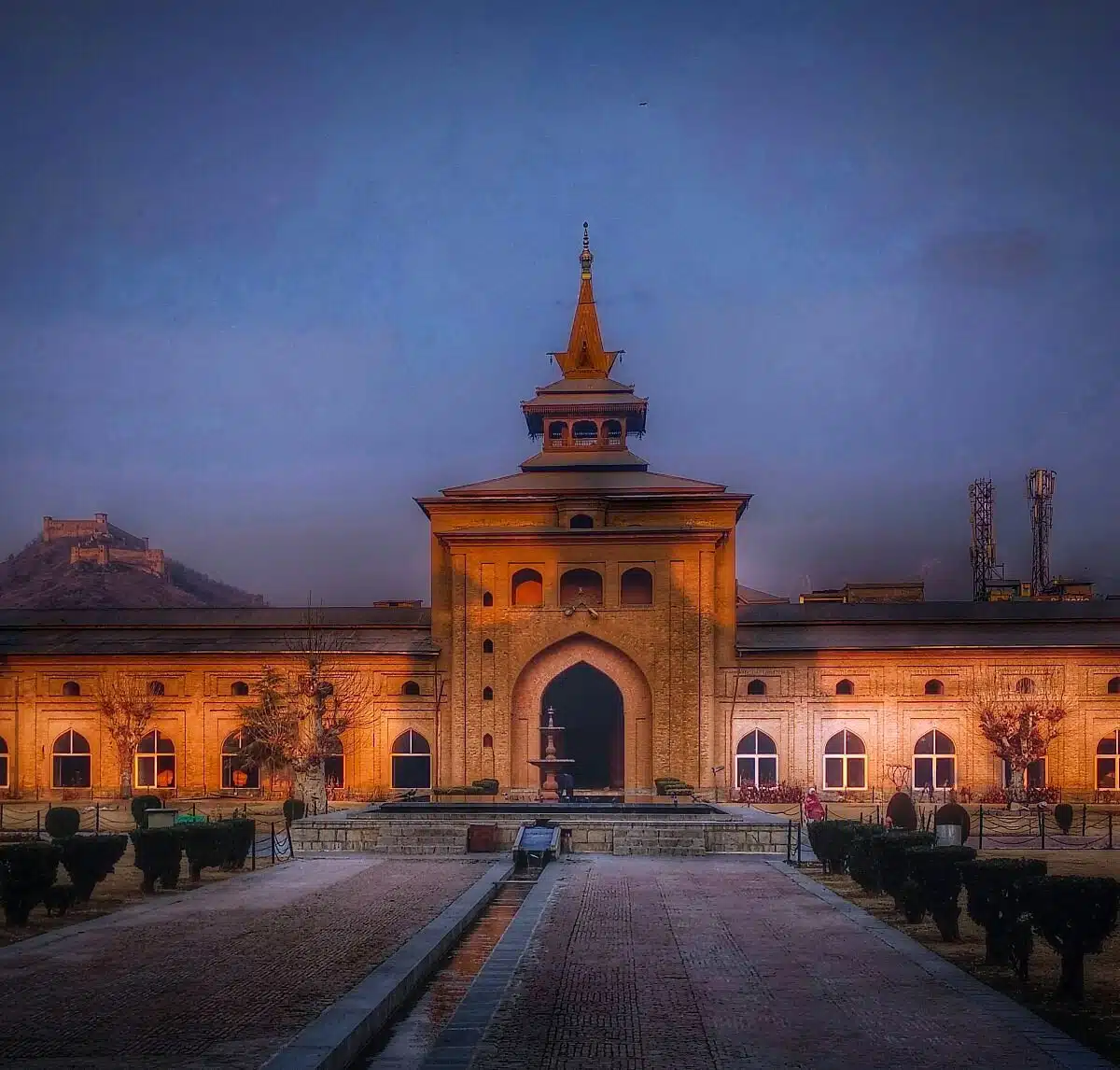
- Guided Tours: Hiring a knowledgeable guide is highly recommended, especially for historical and cultural sites like Shankaracharya Temple, Jamia Masjid, or old city bazaars. Fees typically range from ₹1,000–₹2,000. First-time visitors should consider guides to get a deeper understanding of local history, culture, and hidden gems that are not easily discovered on your own.
- Self-Guided Tours: For budget travellers, many attractions can be explored independently with the help of maps, apps, or travel blogs. Combining public transport with walking tours can significantly reduce Kashmir trip cost.
Miscellaneous costs on your Kashmir trip
Carrying travel insurance is essential for a safe trip to Kashmir. It covers emergencies such as medical issues, trip cancellations, or lost baggage. You can purchase it yourself online or through a travel agency.
- Cost: ₹200–₹250 per person
- Tip: Always check the coverage details to ensure activities like trekking, skiing, or paragliding are included.
Certain areas in Kashmir, especially near Gulmarg, Pahalgam, and parts of Ladakh, may require permits for travellers. However, there are no fees for obtaining these permits, even in sensitive areas such as Gurez Valley.
- Tip: Apply online or through local authorities if visiting restricted areas. Keep copies of your permits handy during travel.
Include any fees in Kashmir trip cost related to prepaid SIM cards, mobile data, or any applicable roaming charges when discussing communication and the internet. Staying online is essential if you need to communicate with local services, navigate, or just wish to post your memories.
Health-related expenses should be factored into your trip budget:
- Pack a basic first aid kit and any necessary prescription medications.
- Keep some extra cash for consultations or emergency medicines.
Tip: Most towns have medical facilities, but remote areas like Gurez or Yusmarg may have limited services.
For extended trips, laundry services may be necessary:
- Available in hotels, guesthouses, and some homestays.
- Cost: ₹100–₹300 per load, depending on service quality.
Overall Miscellaneous Budget
Considering all these small yet important expenses, it is wise to allocate an extra ₹5,000–₹10,000 in your overall Kashmir trip cost for miscellaneous items.
Tip: Planning for miscellaneous costs ensures that unexpected expenses don’t disrupt your trip and helps you enjoy a stress-free experience in Kashmir.
Kashmir Offbeat Tours

14D/ 13N
6D/ 5N

16D/ 15N
12D/ 11N
Shopping and Souvenirs cost on Kashmir trip
Local markets: The cost of shopping and souvenirs depends entirely on the traveller. You will see plenty of attractive items, but you don’t need to buy everything. Focus on things that are unique to Kashmir—dry fruits, Pashmina shawls, and local spices are good examples. Keep in mind that products here are often overpriced, so bargaining is normal and expected. Some shopkeepers or guides work on commissions and pressure tourists to go to specific shops. Avoid that pressure, do your own simple research, and buy only what you truly want or need.
Because many vendors rely on commission, it is wise to compare prices across a few shops before making a purchase. This keeps your Kashmir trip cost under control while still allowing you to bring home meaningful keepsakes. Strong bargaining and selective buying help you avoid overspending on items that may not be special or authentic.
Additional user insight: There have been government efforts to protect the integrity of Kashmiri handicrafts, including actions against sellers misrepresenting machine‑made items as handmade. This is a reminder to check for authenticity and make informed purchases, not just follow pushy sales tactics.
Adding this awareness lets travellers shop confidently, pay fair prices for genuine goods, and contribute positively to the local craft economy without inflating their overall trip budget.
Money-Saving Tips
Best Time to Book Flights and Accommodations: Booking your flights and hotels at least one month in advance can save a significant amount. For peak seasons like summer (April–June) or winter (December–February), prices can surge, so early booking is crucial. Flying on weekdays and choosing early morning or late-night flights often comes cheaper. Additionally, using flight comparison tools and apps helps you find the lowest rates across airlines.
Shared Taxis, Public Transport, and Budget-Friendly Eateries: To reduce transportation costs, use public buses, shared cabs, or even bike rentals for local travel. Solo travellers can share taxis with other tourists to split costs. For meals, stick to budget-friendly eateries and local dhabas. A typical vegetarian meal costs around ₹150–200, while non-veg thalis are around ₹300–400 per plate. Avoid premium restaurants unless you want a luxury experience.
Group Discounts for Activities and Hotels: Travelling in a group or family can significantly lower costs. Many hotels, resorts, and activity providers offer discounts for groups. Sharing taxi fares, accommodations, and guided tours among multiple people reduces the per-person cost, making your Kashmir trip more affordable without compromising on experiences.
Local Insights
Festivals Affecting Cost: Kashmir hosts several festivals like the Tulip Festival in spring and Amarnath Yatra in summer. During these times, accommodation and transport costs can rise due to higher demand. Planning your trip slightly before or after these festivals can help you save money while still enjoying the vibrant local culture.
Offbeat Areas with Lower Costs: Exploring lesser-known destinations like Gurez Valley, Yusmarg, and Aru Valley can be more budget-friendly. These areas have cheaper accommodations, fewer crowds, and authentic local experiences. Trekking or camping in offbeat locations is also a cost-effective way to enjoy Kashmir’s natural beauty.
Tips for Avoiding Tourist Traps: Avoid shops or guides that pressure you into specific purchases or over-priced activities. Do research before booking tours, taxis, or souvenirs. Always compare prices across multiple vendors and negotiate politely. Using reliable local travel agencies like Cliffhangers India ensures you get fair rates without compromising on the quality of experience.
FAQ's
How much a trip to Kashmir will cost?
In peak season, a honeymoon vacation for two in Kashmir costs approximately ₹30,000, including lodging and travel. For a basic budget package covering popular tourist sites for five days, prices start from around ₹11,000 per person. Families of 2–3 can expect a budget of ₹1.2–1.5 lakhs for an 8D/7N trip in May, including airfare and accommodation.
How can I go to Kashmir on a low budget?
For a budget-friendly trip, stay in affordable hotels in Srinagar for all nights and plan day trips to Pahalgam and Gulmarg. If arriving via Jammu by train or car, reserve a taxi to Srinagar city. Check out 3-night or 4-night budget packages for cost-effective Kashmir travel. Prioritize public transport, shared taxis, and local eateries to save further.
How much does it cost to visit Kashmir from Delhi?
Cliffhangers India offers Kashmir tour packages ranging from ₹20,000–35,000, including hotels, meals, sightseeing, and adventure activities. These packages are designed to provide maximum experience at minimal cost, making it easy to choose a package that fits your budget and preferences.
How much time is enough for the Kashmir trip?
A 7-day itinerary is ideal to explore major attractions like Sonamarg, Gulmarg, Pahalgam, and Srinagar. Activities such as hiking, skiing, Shikara rides, and bird watching can be comfortably included. With careful planning and choosing the right season, a Kashmir trip costs less than expected.
What factors influence the cost of a Kashmir trip?
Several factors determine your Kashmir trip cost:
- Mode of travel (private vehicle, rented car, or flights – economy vs business class)
- Type of accommodation (budget hotels, homestays, or luxury resorts)
Cost of guided tours, adventure activities, and entry fees for attractions
What is the best time to visit Kashmir for a budget trip?
Travelling during off-peak months (December–February) reduces overall expenses. Accommodation, transport, and activities are cheaper, and you can enjoy winter landscapes, snow activities, and fewer crowds. Advance bookings during these months further lower costs.
What are the best package deals for Kashmir trips?
Cliffhangers India offers packages ranging from ₹20,000–35,000, including accommodation, meals, and adventure activities. Packages are curated for budget, mid-range, and luxury travellers. Review the itinerary and included activities to select a package that best suits your interests.
Are Permits or Fees Required for Certain Areas in Kashmir?
Some areas around Gulmarg, Pahalgam, and parts of Ladakh require permits. These can be obtained online or via local government offices. Importantly, there are no fees for permits, so they do not add to your Kashmir trip cost.
How Much Does a Kashmir Trip Cost for a Couple?
For couples, a trip can range from ₹30,000–50,000, depending on hotel type, location, transportation, and trip duration. Couples can also benefit from special honeymoon packages and discounts.
What’s the Average Cost for a Kashmir Trip?
Considering both peak and off-peak seasons, an average Kashmir vacation costs between ₹25,000–30,000 per person, including accommodation, food, and sightseeing. Peak season may be more expensive due to higher demand and activity rates.
How Much Does a Kashmir Trip Cost for a Family?
Families of 2–3 can expect to spend around ₹80,000–1.2 lakhs for 8 days and 7 nights, including flights. Larger families or extended stays will naturally increase the budget. Many families choose 8-day packages for a balanced itinerary covering all major attractions.
 Call Now