
Best Time To Visit Kashmir For Snowfall
Overview – Why Kashmir Winter is the Peak Snow Season
Kashmir is one of India’s most celebrated winter destinations, known for reliable snowfall, sub-zero temperatures, and a landscape completely draped in white. From December to March, the valley transforms into a snow paradise, making it the best time to visit Kashmir for snowfall whether you are planning a family vacation, a romantic honeymoon, or an adventure-focused winter trip.
Tourists can enjoy snow activities in almost every major destination including Gulmarg, Sonmarg, Pahalgam, Yusmarg, and the higher reaches of the Pir Panjal. Activities like skiing, snowboarding, sledging, ice-skating, ATV rides, and gondola rides make the season exciting for all age groups.
Since temperatures can drop drastically during peak snowfall months, packing properly is essential. Thermals, waterproof jackets, snow boots, gloves, and layered woollens are mandatory for a comfortable winter trip. And Cliffhangers India on your side, Snow magic in Kashmir is unbeatable
Plan the perfect Kashmir itinerary with the right number of days.
Popular Kashmir Tours


7D/ 6N
6D/ 5N
5D/ 4N

7D/ 6N
Best Month to Visit Kashmir for Snowfall (Month-wise Breakdown)
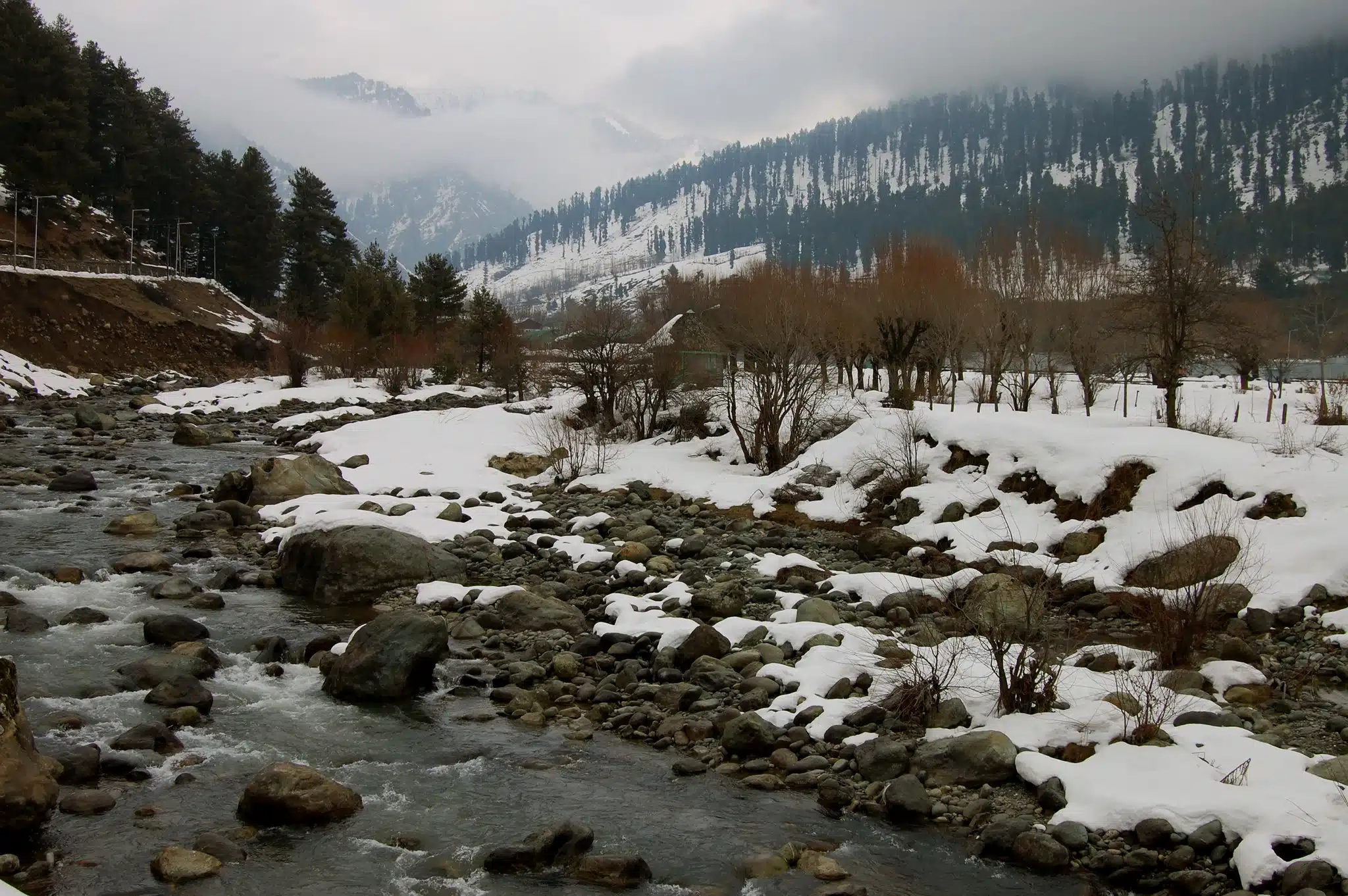
Kashmir in December – Beginning of Snowfall Season (Kashmir Snowfall Time 2025 December)
The winter season begins in December, with the average temperature ranging between 2°C to –5°C, dropping as low as –8°C at night. December is considered one of the best months to visit Kashmir for the first snowfall of the season. Higher reaches like Gulmarg Phase 2, Sonmarg Zero Point, and upper Pahalgam typically record early snowfall from mid-December, and by the last week of December the valley starts receiving regular snow showers.
Tourists start arriving in large numbers during this month to witness December snowfall in Kashmir. Destinations like Gulmarg, Sonmarg, Pahalgam, and even parts of Srinagar begin their winter activities and attractions.
If you are planning to visit Kashmir in December, pack thermals, sweaters, trench coats, woollen socks, high snow boots, and keep a scarf or muffler handy. Regular shoes or slippers are not suitable for walking on icy or snowy surfaces.
Kashmir in January – Peak Snowfall & Best Month for Families
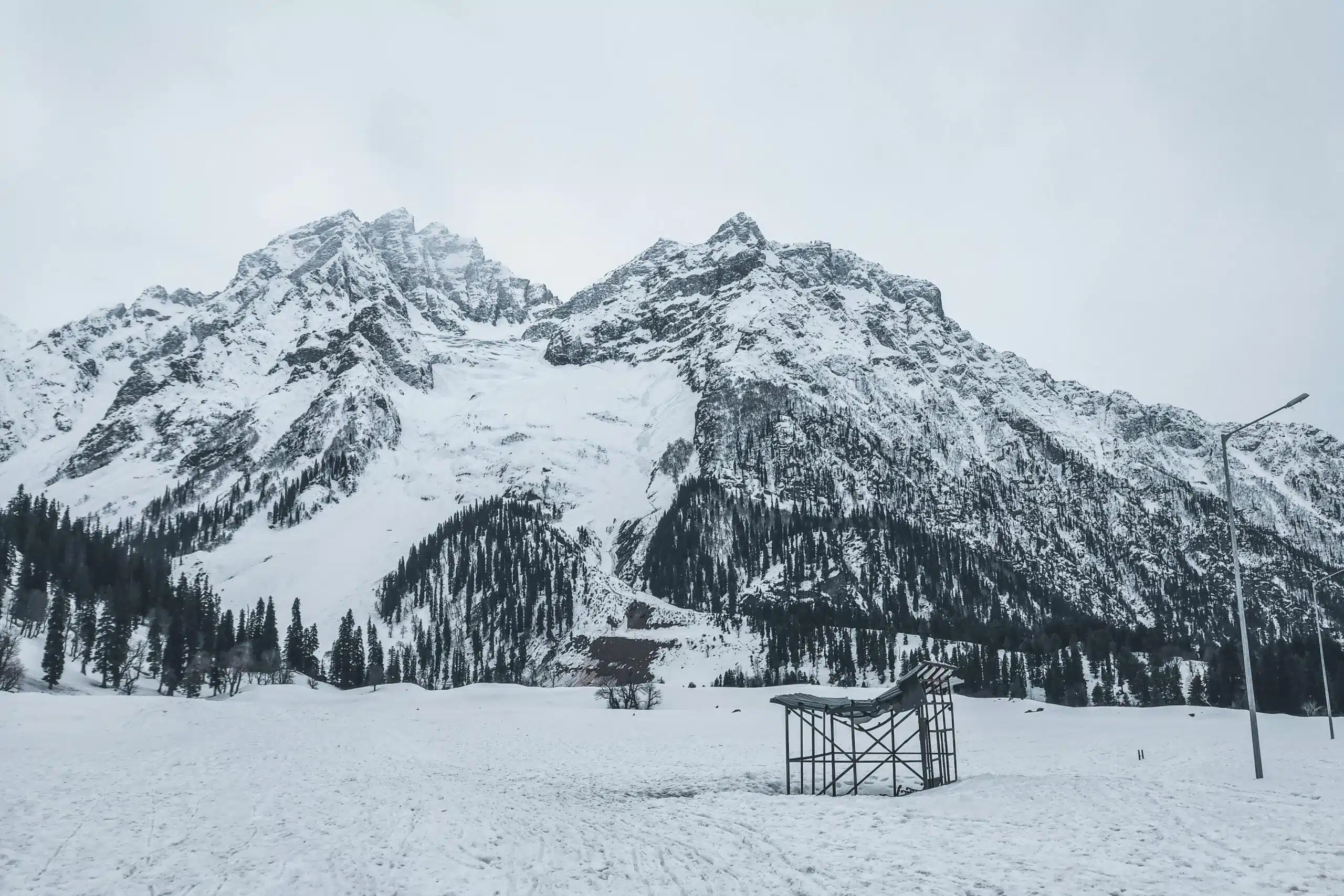
January is the coldest month in the valley and the peak time to visit Kashmir with family for snowfall. This month brings the heaviest and most consistent snowfall across the region. Temperatures stay below freezing, ranging from –5°C to –10°C, and may drop to –15°C at night, especially in upper mountain regions.
The entire region, rivers, lakes, pine forests, rooftops, meadows, gets blanketed under thick layers of snow. January is also the best month for winter sports in Gulmarg, including skiing, snowboarding, snow biking, and gondola rides.
Since January is high season, flights, hotels, and taxis get booked quickly. Advance planning is strongly recommended to avoid price hikes and last-minute unavailability.
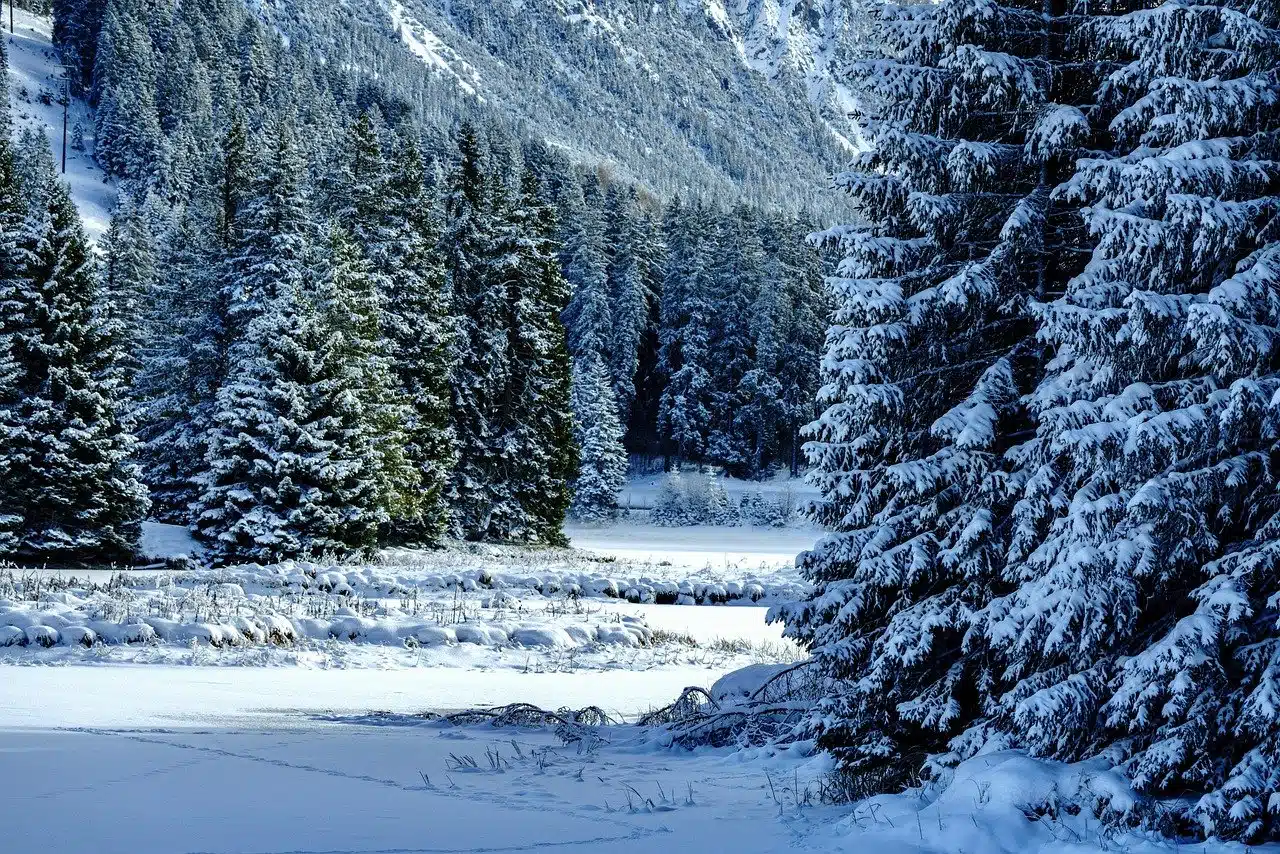
February – Peak Winter & Heavy Snowfall Window in Kashmir
February continues the deep winter of Kashmir, making it one of the best months to visit Kashmir for snowfall. Temperatures stay consistently low, ranging between –4°C to –8°C, often dipping to –12°C at night. These conditions create the perfect setup for heavy snowfall, and the region receives snow for nearly 20 days on average.
This is also the time when Kashmir tourism is at its peak in winter, especially in Gulmarg, Sonmarg, and Pahalgam. All major snow activities like skiing, snowboarding, sledging, ATV rides, gondola rides, and snow treks remain fully operational.
February is culturally vibrant too. Winter festivals such as the Kashmir Snow Festival and Winter Carnival bring local performances, food, and competitions, making it ideal for travellers seeking a snow-heavy and culturally immersive holiday.
If someone wants guaranteed snowfall in Kashmir or wishes to experience the last strong wave of winter, February is the safest month to plan.
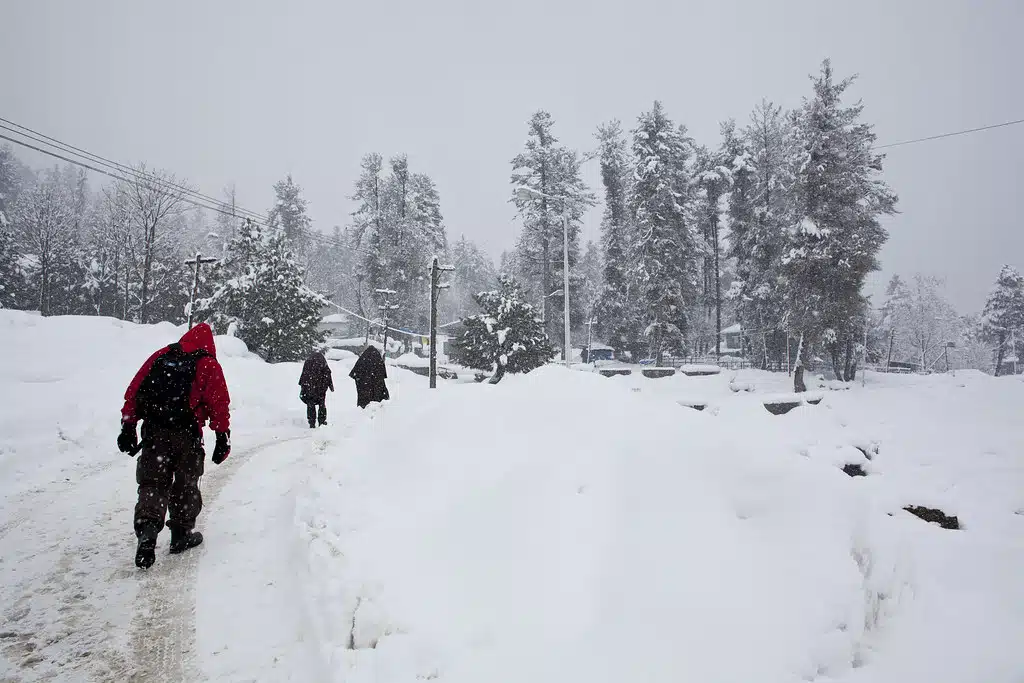
March – Last Month of Snow & Crowd-Free Kashmir
March marks the end of winter in Kashmir, but the cold continues. Early March temperatures hover between 4°C to –2°C, and light snowfall is still common, especially in Gulmarg and higher-altitude regions. By the end of the month, daytime temperatures rise slightly to around 5°C, yet the accumulated snow remains intact.
One major advantage of visiting Kashmir in March is the low tourist crowd. With slopes clearing out and peak-season rush reducing, March offers quieter attractions, smoother travel, and significantly cheaper rates on Kashmir tour packages, hotels, and cab services.
Travel becomes easier, photography is beautiful with snow-capped landscapes and blooming almond buds, and the overall experience is relaxed.
For those who want a more peaceful trip but still wish to witness late-season snowfall in Kashmir, March is the perfect balance.
- Pro Tip From Cliffhangers India: Before travelling in March, always check the Kashmir snowfall prediction, road status for Gulmarg and Sonmarg, and highway opening updates to avoid delays.
Clothes to Wear in Kashmir During Snowfall
Winter in Kashmir (mid-December to early March) is harsh, with sub-zero temperatures and constant snow. Wearing the right winter clothing is important for comfort and safety.
Essential Winter Wear for Kashmir
- Heavy woollens: sweaters, cardigans, thermals
- Trench coats or long winter jackets
- Waterproof jacket or windcheater
- Warm caps, mufflers, and gloves
- Thick socks (preferably wool)
- Snow boots with good grip (rentals available in Gulmarg & Sonmarg)
- A waterproof bag to protect phones, cash, and documents
Skiing Gear for Kashmir (Gulmarg)
If the trip includes skiing or snowboarding, pack or rent specialised gear. Gulmarg offers professional rental shops, but carrying your essentials ensures comfort.
What to Carry for Skiing
- Ski jacket (insulated)
- Ski trousers (salopettes)
- Multiple pairs of ski socks
- Ski gloves and a warm cap
- UV-protected ski goggles
- A down jacket for early mornings and late evenings
Packing List for Snow Treks in Kashmir
Kashmir has several winter trekking trails (like Gulmarg–Khilanmarg). For these, the packing list differs slightly.
Trekking Essentials
- Sturdy backpack + rain cover
- High-ankle trekking boots
- Daypack for water, snacks, and essentials
- Headlamp or torch
- Trekking pole
- Sunglasses
- Sunscreen and lip balm
- Personal first-aid kit
- Plan your summer vacation to Gulmarg for breathtaking views.
Top Places to See Snowfall in Kashmir
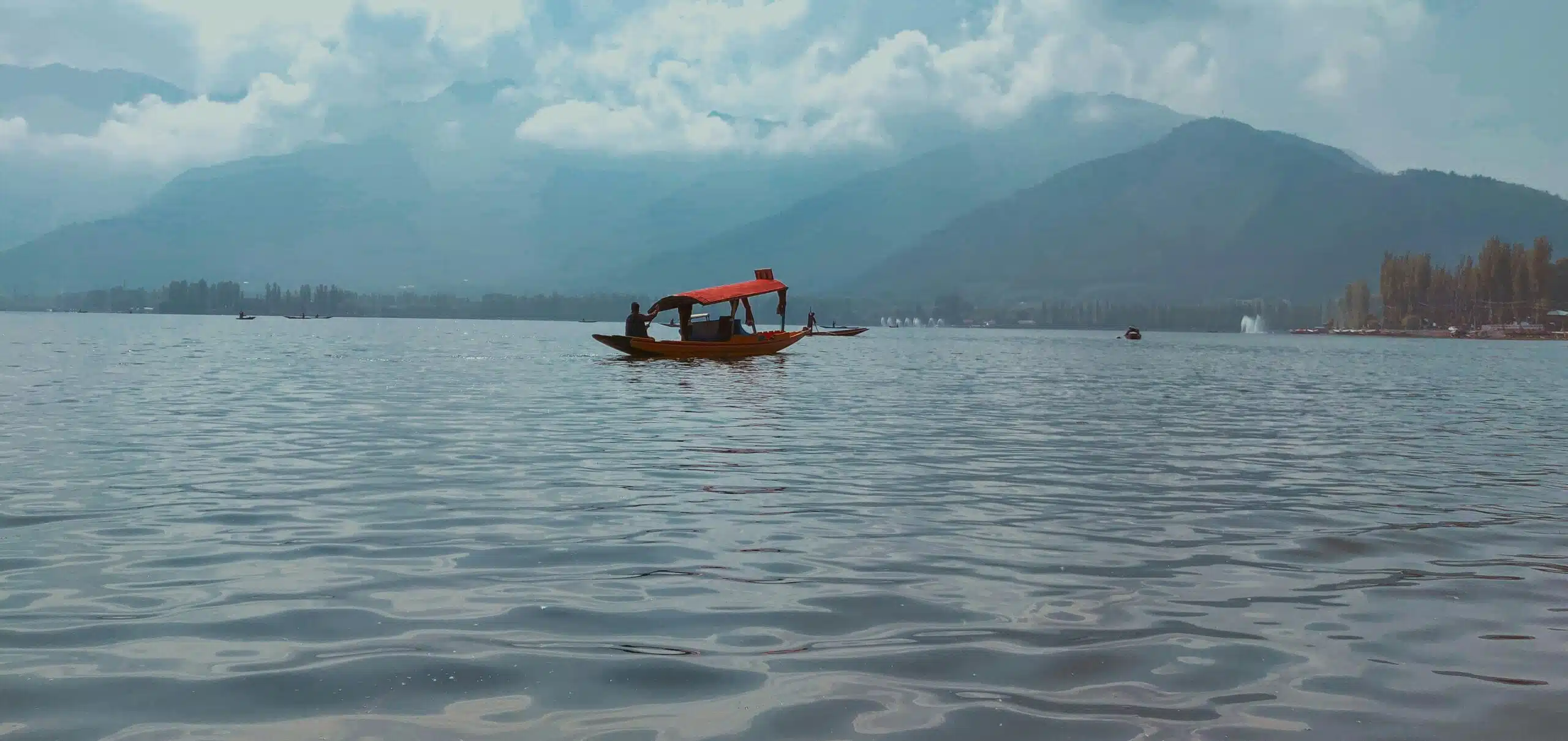
Srinagar – Snowfall Over Lakes, Gardens, and Old City Charm
Srinagar may be the summer capital of Jammu & Kashmir, but winter is when its beauty feels surreal. The city sits quietly under fresh snow while the Zabarwan Range forms a dramatic white backdrop.
During December to February, you can experience light to moderate snowfall in Srinagar, especially around Dal Lake, Nishat, Shalimar, Hazratbal, and the old city.
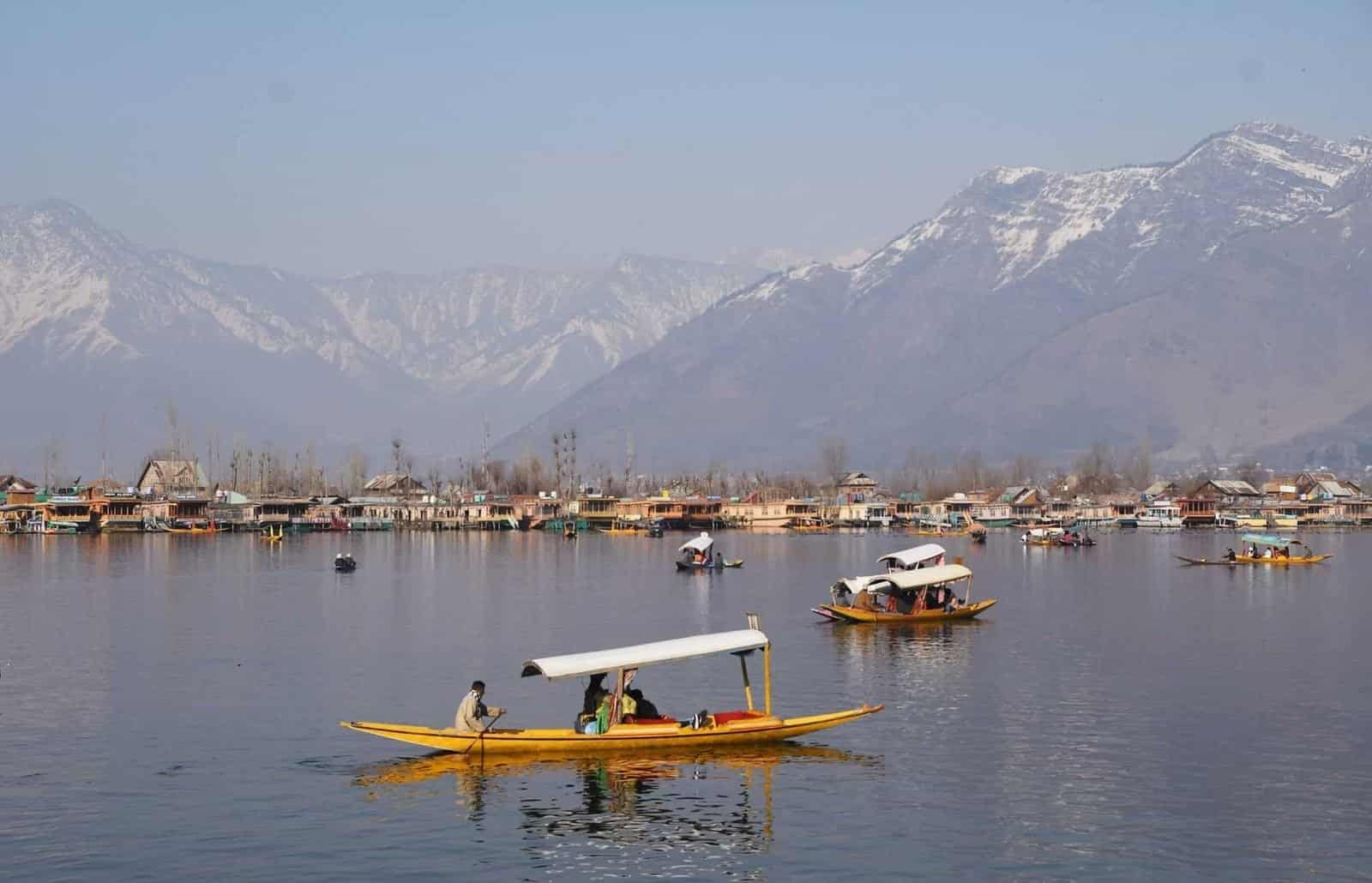
A Shikara ride in winter is one of the most underrated experiences. The lake is calmer, crowds are fewer, and the sound of snowfall on water makes it unforgettable. Winter also gives you space to explore the usually congested Dal Lake, the Old Srinagar lanes, and iconic markets like Lal Chowk and Residency Road without chaos.
If someone wants a peaceful snowfall experience combined with culture, local food, and heritage walks, Srinagar is perfect.
Experience blooming gardens in Srinagar in May.
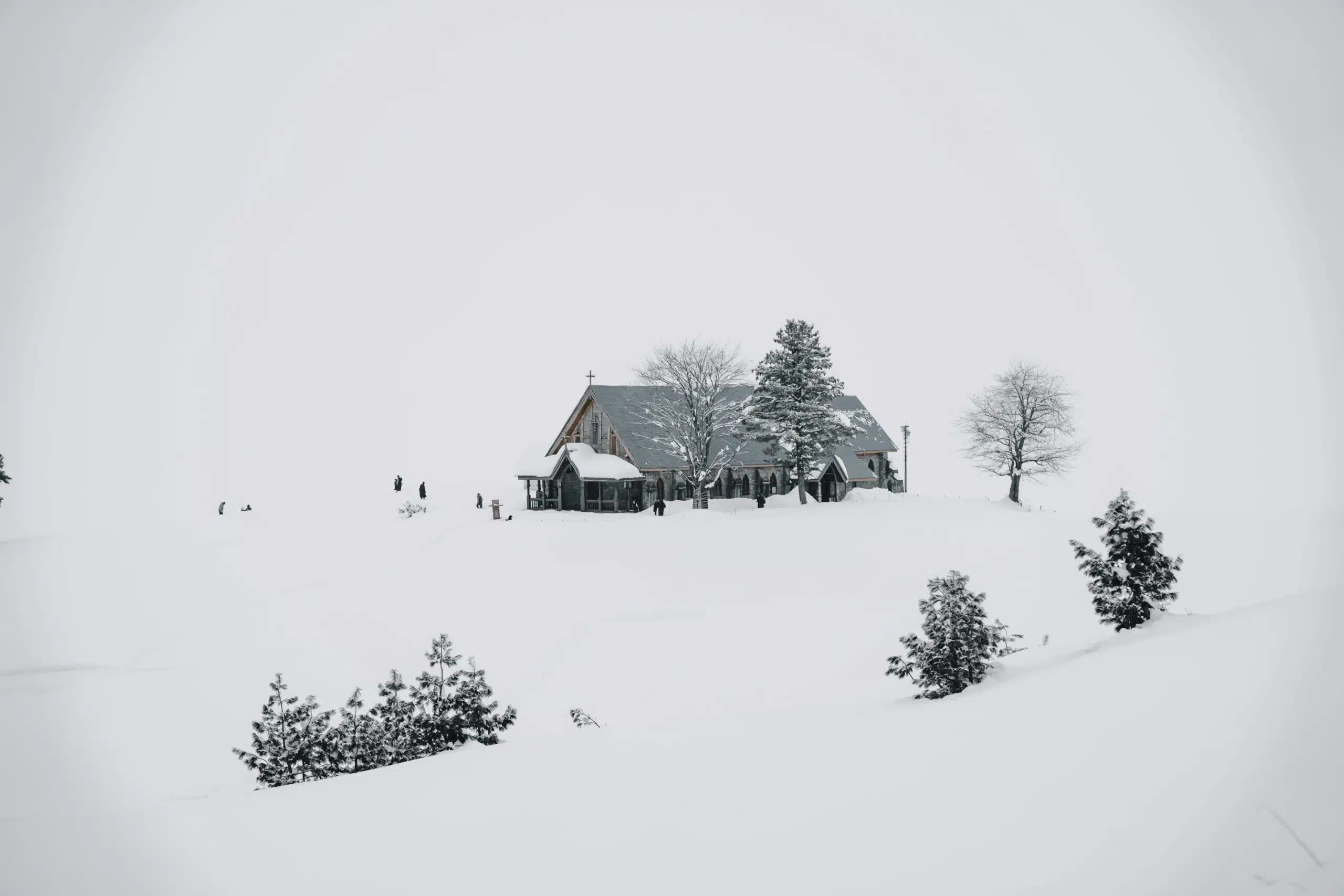
Gulmarg – The Best Place to See Heavy Snowfall in Kashmir
Gulmarg is the snow capital of Kashmir and one of India’s most famous winter destinations. The town receives the first snowfall of the season and continues to get heavy snow through January and February.
Globally recognised for adventure tourism, Gulmarg is home to some of the best ski slopes in Asia, making it a must-visit for thrill-seekers.
Major winter highlights in Gulmarg include:
- Skiing at Kongdoori, Mary’s Shoulder, and Apharwat Peak
- Snowboarding and sledging
- Gondola rides to Phase 1 & Phase 2
- Snowmobile rides
- Thick snow carpets perfect for photography
If witnessing live snowfall in Kashmir is on the list, Gulmarg offers the highest probability. It’s also extremely family-friendly, with easy slopes for beginners and professional instructors available everywhere.
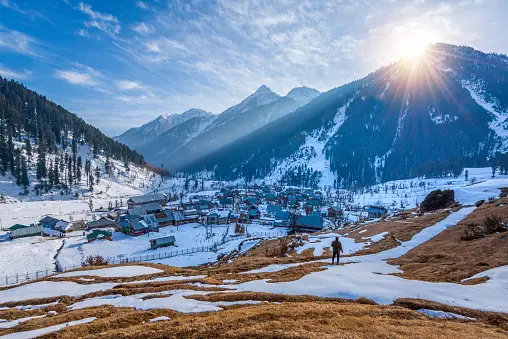
Aru Valley – Snowfall, Frozen Rivers & Beginner-Friendly Skiing
Located 12 km from Pahalgam, Aru Valley turns into a magical winter bowl during snowfall season. This valley is quieter than Gulmarg and ideal for travellers who want soft snow slopes, scenic landscapes, and a calmer environment.
Aru Valley is particularly popular among beginner skiers. Several ski schools operate here during winter, offering lessons led by trained instructors. The slopes are smooth, safe, and perfect for first-timers looking to learn.
In winter, most of the rivers, streams, and lakes in and around Aru Valley freeze, creating postcard-like settings for photography and short hikes. From Pahalgam town, the valley is just a 30-minute drive, making it an effortless detour.
Discover the beauty of Kashmir in July with scenic landscapes.
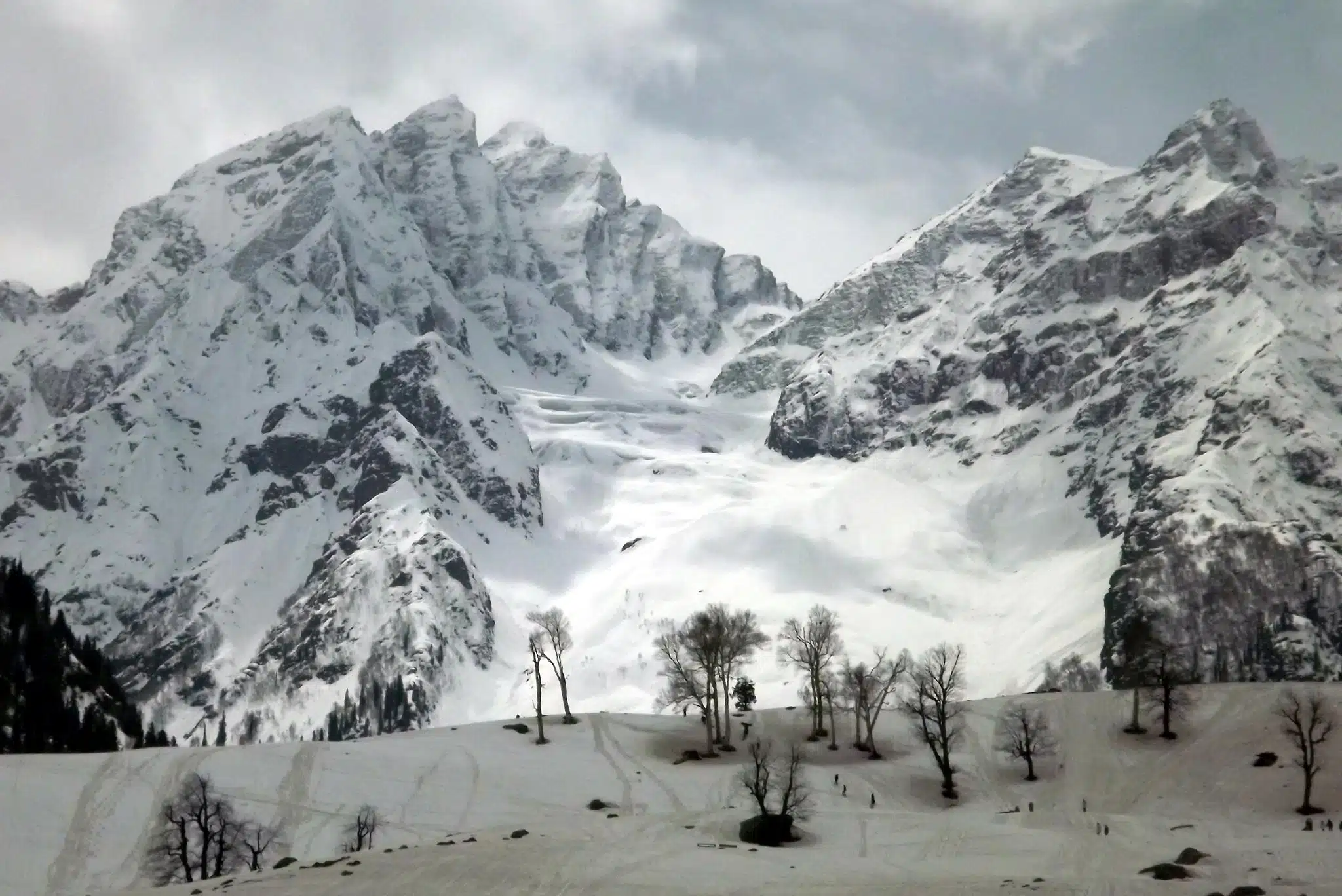
Sonmarg – Early Snowfall, Glaciers & Winter Adventures
Sonmarg is one of the few places in Kashmir where early snowfall begins, often around mid-December. The valley transforms completely in winter, turning golden meadows into a thick white blanket. If you’re planning a trip to see snowfall in Kashmir, Sonmarg should be on the top of your list.
Major Winter Highlights in Sonmarg
- Thajiwas Glacier: The most famous spot for winter activities. You can play in fresh snow, build snowmen, and enjoy pony rides to the base point.
- Nilagrad River: Known for its reddish tint, the river freezes in winter. Local organisers even arrange ice-skating and small winter games depending on the thickness of the ice.
The landscapes in Sonmarg look postcard-perfect after fresh snowfall. Carry a camera because every turn offers a new photo opportunity.
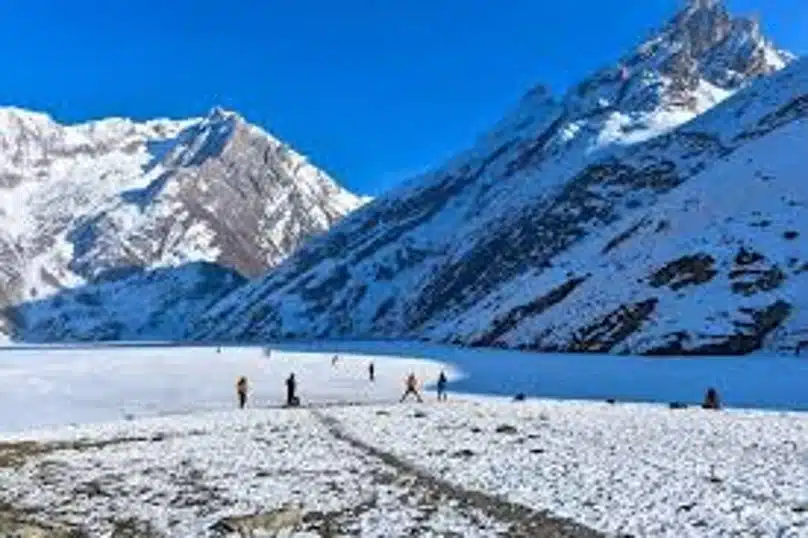
Yusmarg – Offbeat Snowfall Destination Near Srinagar
If you want a peaceful snowfall experience without tourist crowds, Yusmarg is the best offbeat winter destination in Kashmir. Located just 47 km from Srinagar, the valley receives consistent snowfall between December and February.
Why Yusmarg is Special in Winter
- The temperature stays between 5°C to –5°C, making it ideal for snow activities.
- Perfect for travellers who want nature, quiet spaces and less-commercialised surroundings.
- Activities include snow trekking, basic skiing, sledging, and nature walks.
- Affordable government guest houses and local homestays are available for night stay.
- Small eateries around Yusmarg serve authentic Kashmiri dishes, especially in winter.
If someone wants a mix of snowfall and solitude, Yusmarg is an underrated gem.
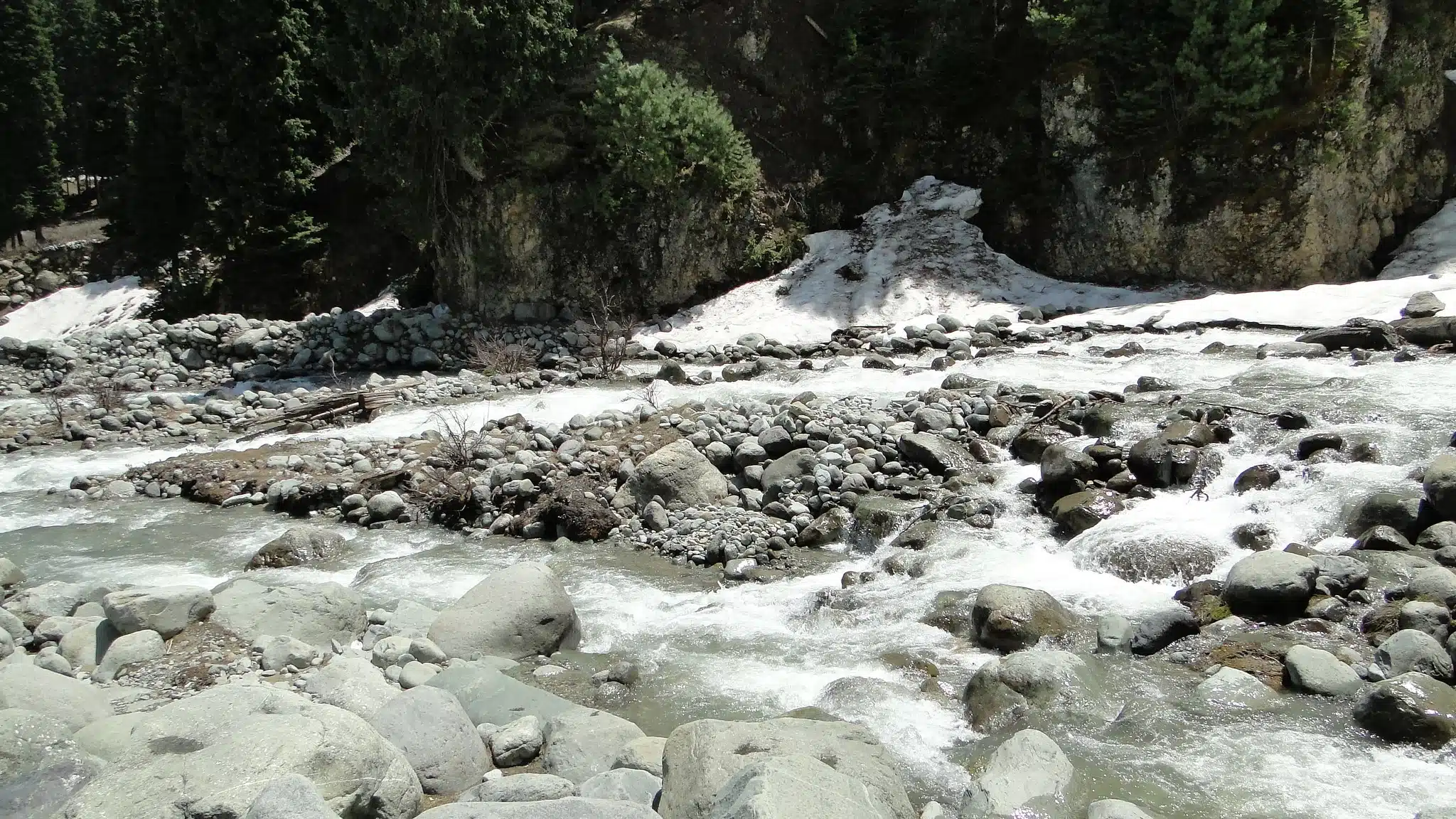
Doodhpathri – A Quiet Valley With Frozen Rivers & Pristine Snow
Doodhpathri, located 40 km from Srinagar in the Budgam district, is one of Kashmir’s most untouched winter spots. The valley gets its name from the milky-white Shaliganga River, which flows over limestone and smooth pebbles, giving the water a creamy colour.
Winter Attractions in Doodhpathri
- The Shaliganga River freezes in January and February, making it a rare sight for visitors.
- The valley receives moderate to heavy snowfall, turning meadows into thick snowfields.
- Perfect for travellers seeking a peaceful snowfall experience away from crowds.
- Great for photography, nature walks and slow travel.
Doodhpathri is less-explored, but adding it to your Kashmir winter itinerary gives you a different side of snowfall that you won’t find in Gulmarg or Pahalgam.
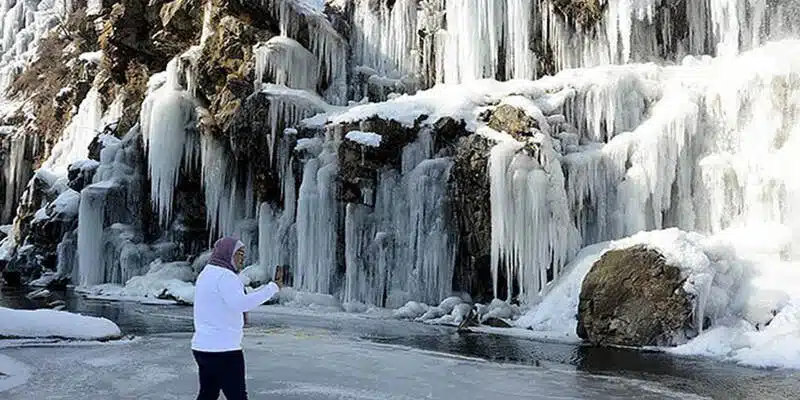
Drung Waterfall – The Famous Frozen Waterfall of Kashmir
Drung Waterfall, located in Tangmarg on the Srinagar–Gulmarg route, is one of the most spectacular winter sights in Kashmir. While tourists visit Drung even in summer for picnics, winter completely transforms this waterfall.
As temperatures drop in December and January, the falling water freezes mid-air, creating pillars of ice that look sculpted by nature.
Why Drung Waterfall Is a Must-Visit in Winter
- The entire waterfall turns into a giant frozen wall
- Ice formations, frozen droplets and hanging icicles make it extremely photogenic
- The site is surrounded by snow-covered mountains, pine forests and cold streams
- Perfect for travellers visiting Gulmarg in December, January or February
Drung is only 40 km from Srinagar and can be covered as a quick en-route stop while travelling to Gulmarg. It’s one of the best natural wonders to experience during the Kashmir snowfall season.
Things To Do In Kashmir During Snowfall
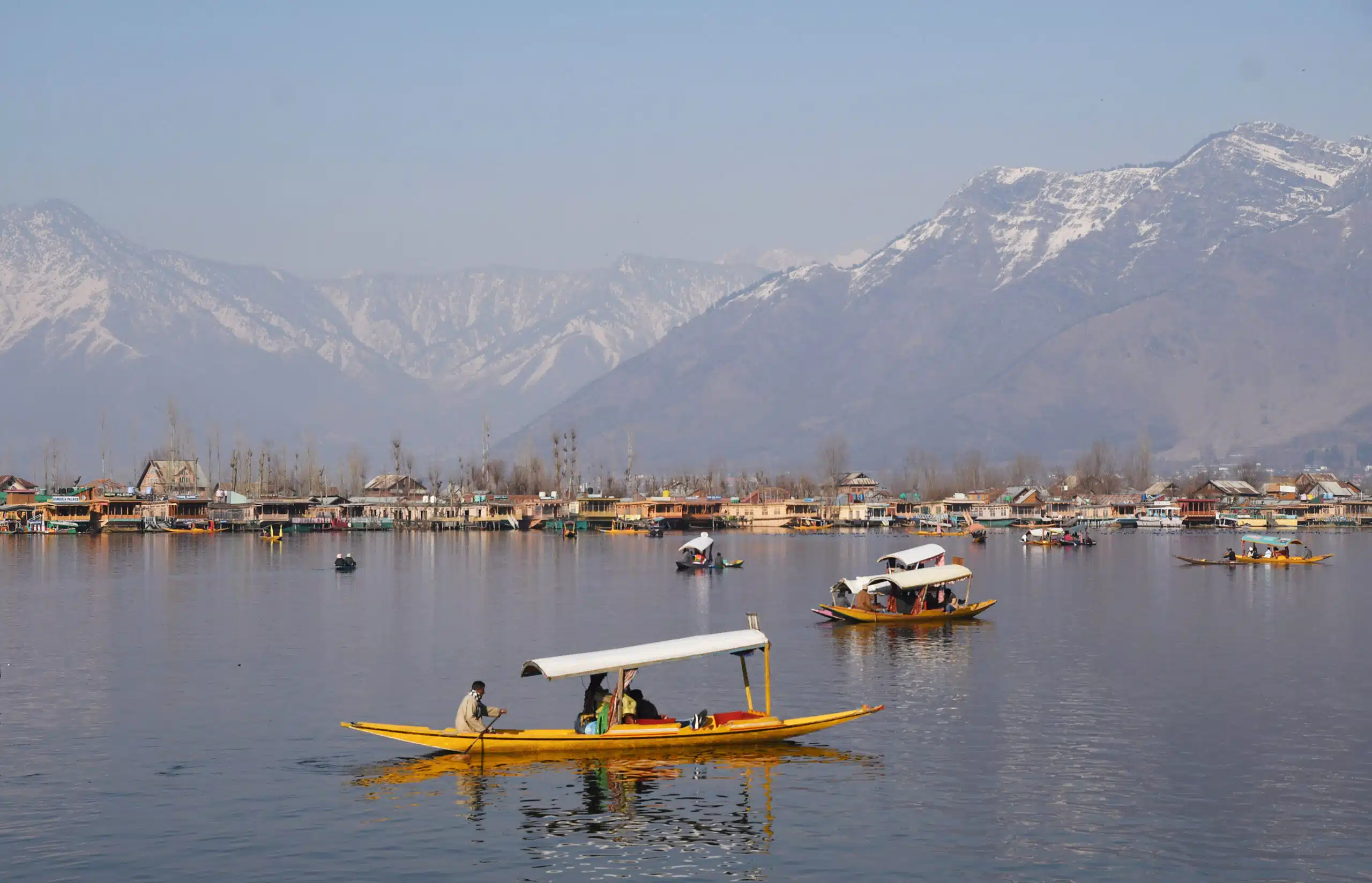
Shikara Ride in Winter
A Shikara ride during snowfall is one of the most romantic and peaceful experiences in Kashmir. Dal Lake and Nigeen Lake look magical in winter, with misty mornings, quiet waters and snow-covered mountains in the background.
Why Try a Winter Shikara Ride
- Chance to experience a partially frozen Dal Lake
- Explore floating markets in a calmer, crowd-free ambience
- Sip hot Kashmiri Kahwa while watching light snowfall
- Perfect for couples and families looking for a slow, scenic experience
If you are lucky, you may witness live snowfall while sitting inside the Shikara, a moment that becomes a lifelong memory.
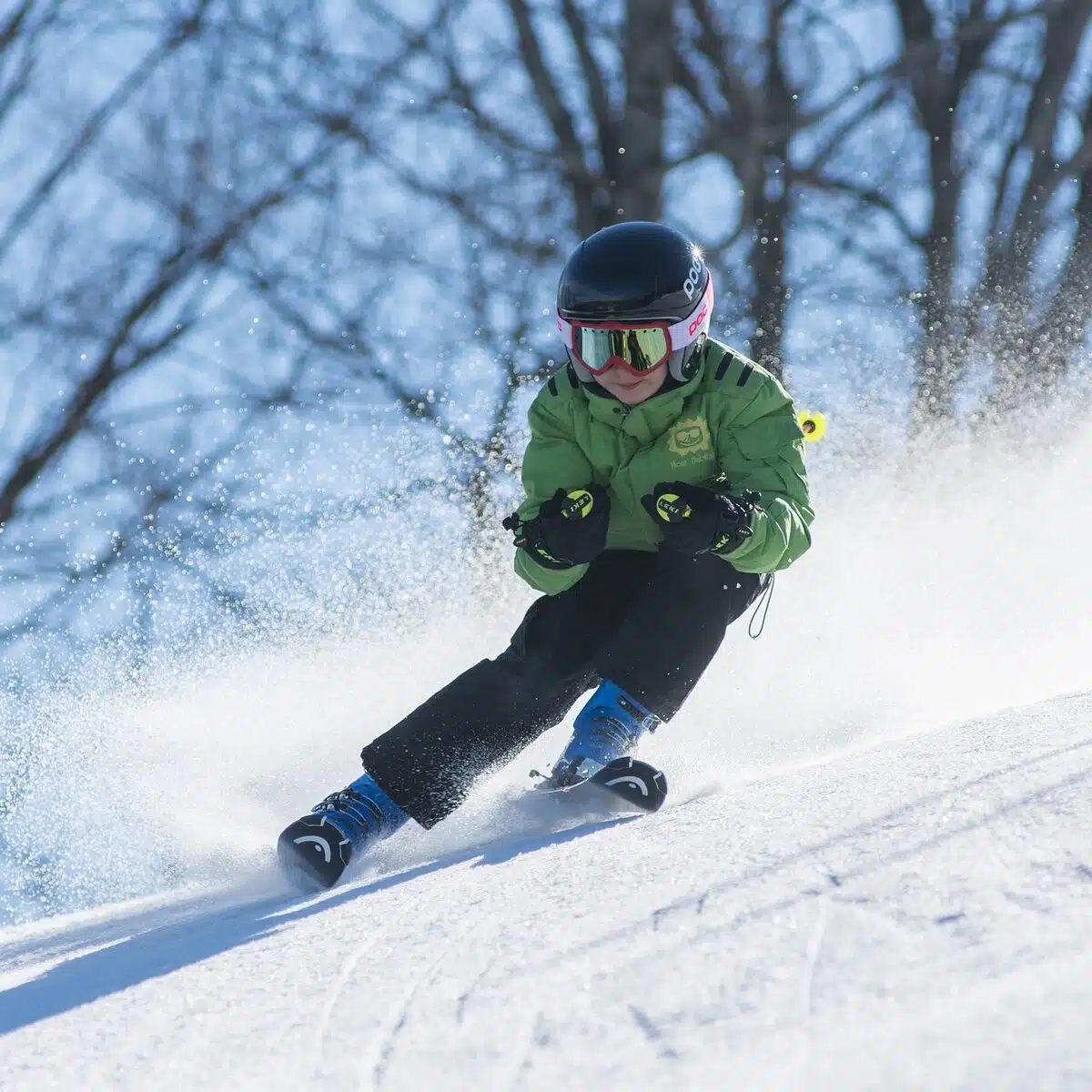
Skiing – The Most Popular Winter Activity in Kashmir
Kashmir is India’s top skiing destination, with Gulmarg holding global recognition for its winter slopes. Once the snow settles from December to March, ski resorts open for beginners as well as advanced skiers.
Best Skiing Spots in Kashmir
- Gulmarg: Kongdoori, Apharwat Peak, Mary’s Shoulder, Khilanmarg, Baba Reshi slopes
- Sonmarg: Thajiwas Glacier, Sonmarg Meadows
- Pahalgam: Aru Valley and Betaab Valley
Whether someone is learning basics or mastering new skills, Kashmir’s terrain suits all levels. For travellers planning a winter holiday specifically to experience snowfall and ski runs, Gulmarg is the best choice.
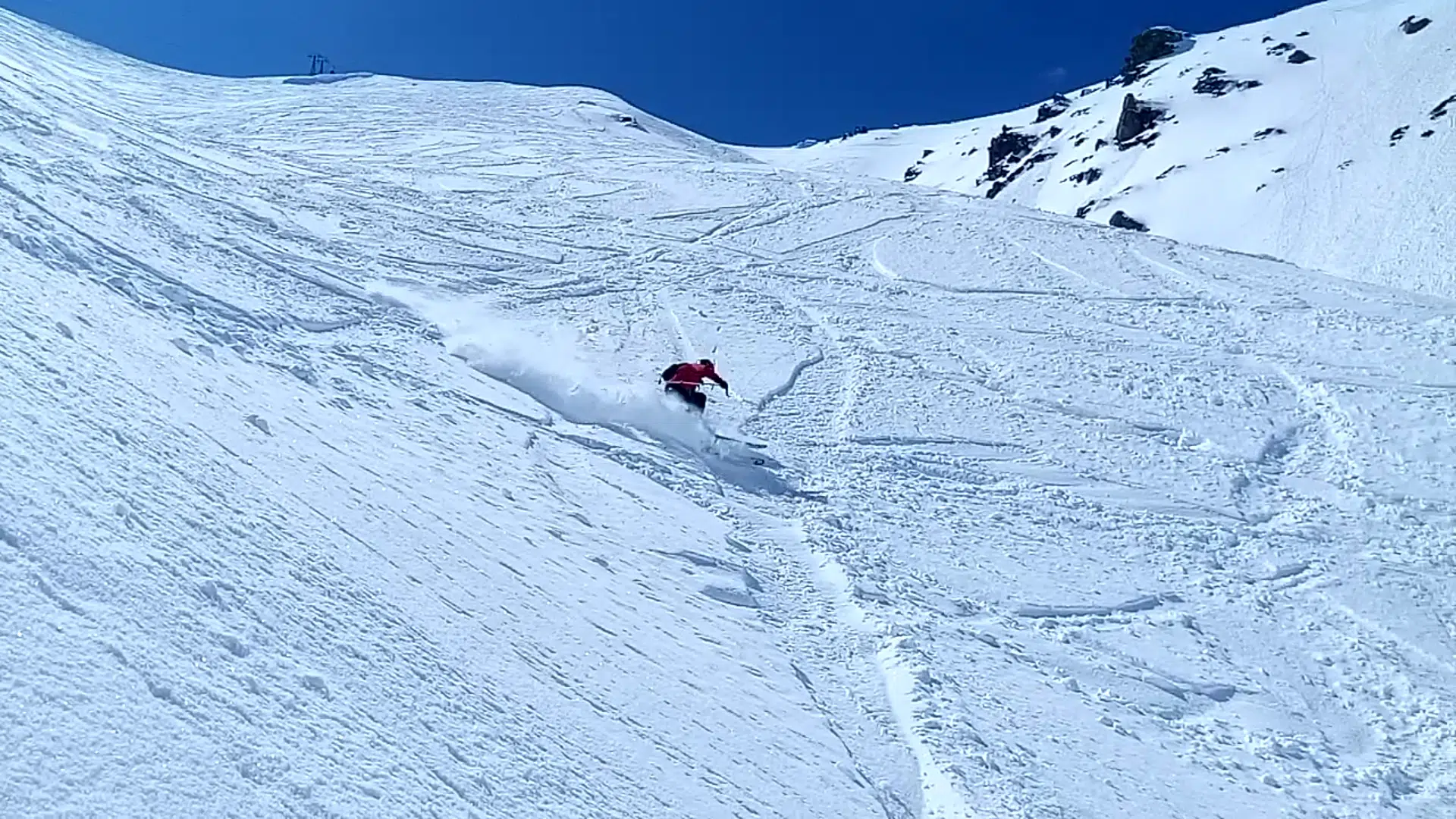
Heli-Skiing in Gulmarg
Kashmir is the only place in India where you can experience heli-skiing, making it a dream activity for professional skiers. High-altitude zones around Gulmarg create the perfect terrain for steep, adrenaline-filled downhill rides.
How Heli-Skiing Works
- Skiers are taken to high alpine ridges via helicopter
- They are dropped at untouched, snow-laden slopes
- The descent is through ungroomed powder snow, offering an extreme thrill
Important Notes
- Only recommended for advanced and experienced skiers
- Proper avalanche safety gear, helmets and skiing equipment are essential
- Always go with certified operators and trained guides
Heli-skiing combines adventure, altitude and world-class powder snow — something only Gulmarg’s winter season can offer.
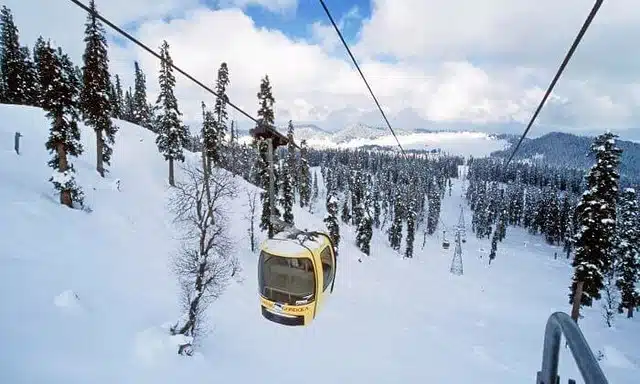
Cable Car Ride – Experience Gulmarg Gondola
The Gulmarg Gondola Ride is one of the highest and largest cable car rides in the world, giving tourists a Swiss-like alpine experience right in Kashmir. Located just 50 km from Srinagar, the drive to Gulmarg itself offers mesmerizing winter landscapes.
Why the Gondola Ride Is a Must-Do Activity
- Access to alpine ski resorts like Kongdoori and Apharwat Peak
- Chairlift to Mary’s Shoulder for panoramic snow views
- Ticket cost for both phases is around INR 1200, bookable online
- Best for families, honeymooners, and winter adventure lovers
The ride is especially magical during heavy snowfall in Kashmir, giving an unmatched aerial view of snow-covered slopes and pine forests.

Snowmobiling in Kashmir – Explore Snowy Landscapes at Speed
Snowmobiling is a thrilling winter activity in Kashmir, suitable for both adventure enthusiasts and casual tourists. It’s offered only when snow-slopes are fully formed, typically from December to February.
Where to Snowmobile in Kashmir
- Gulmarg: 13 km ride from Tangmarg
- Other popular spots: Aru Valley, Betaab Valley, Chandanwari, Khilanmarg, Thajiwas Glacier, Doodhpathri
Tips for Snowmobiling
- Ride duration determines cost: INR 1,500–5,000
- Wear goggles, helmet, and safety gear
- Capture postcard-perfect snow landscapes while gliding
Snowmobiling is perfect for those visiting Kashmir for snowfall fun and adventure sports.
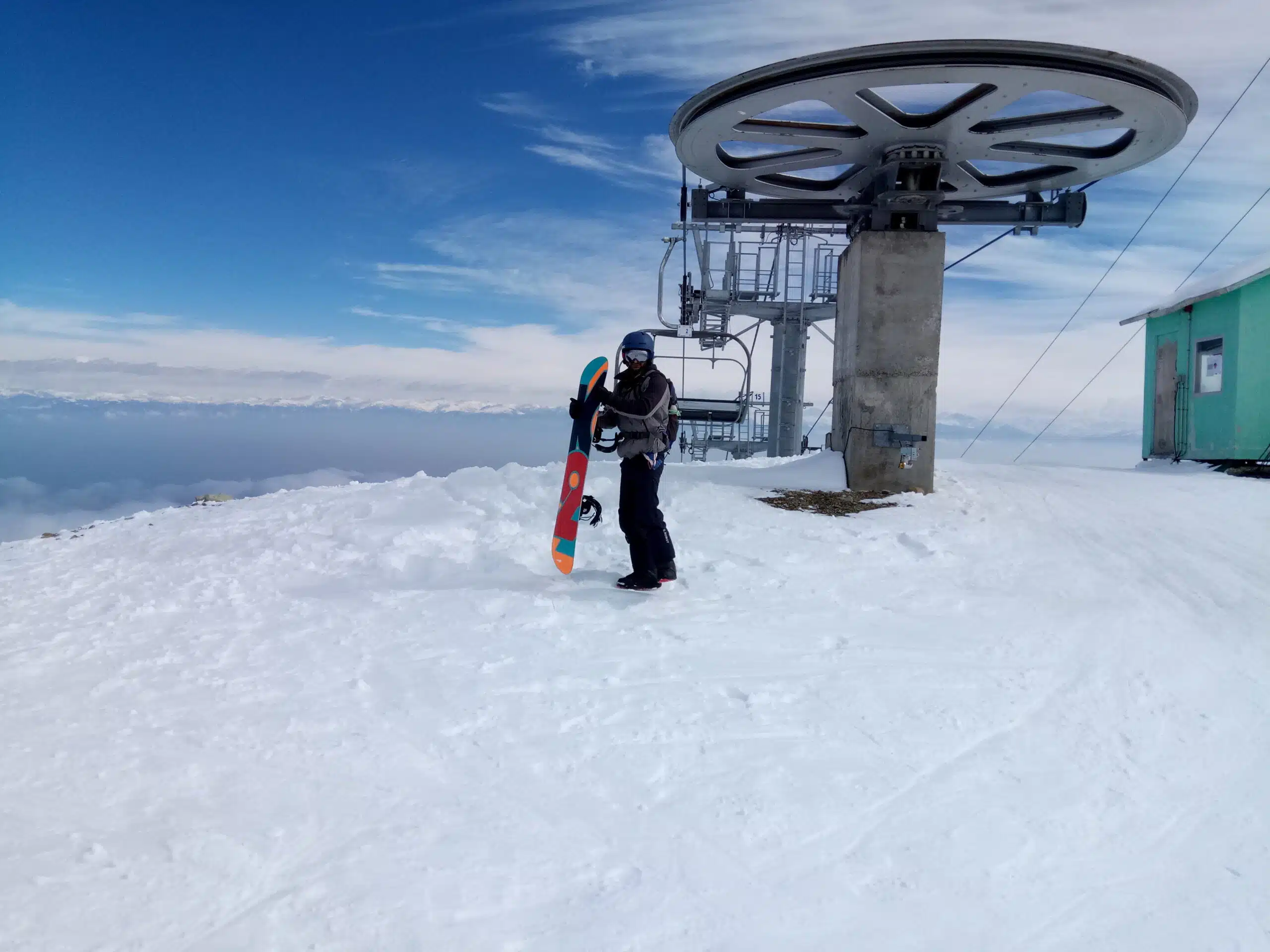
Snowboarding – Family-Friendly Winter Fun
If skiing feels too challenging, snowboarding is a safer yet equally fun option in Kashmir. Many dedicated snowboarding slopes and schools with trained instructors make learning easy, even for beginners.
Best Places for Snowboarding in Kashmir
- Gulmarg
- Pahalgam
- Sonmarg
- Yusmarg
- Doodhpathri
Equipment can be rented from local shops, and the activity is child-friendly, making it an ideal family adventure during the Kashmir snowfall season.
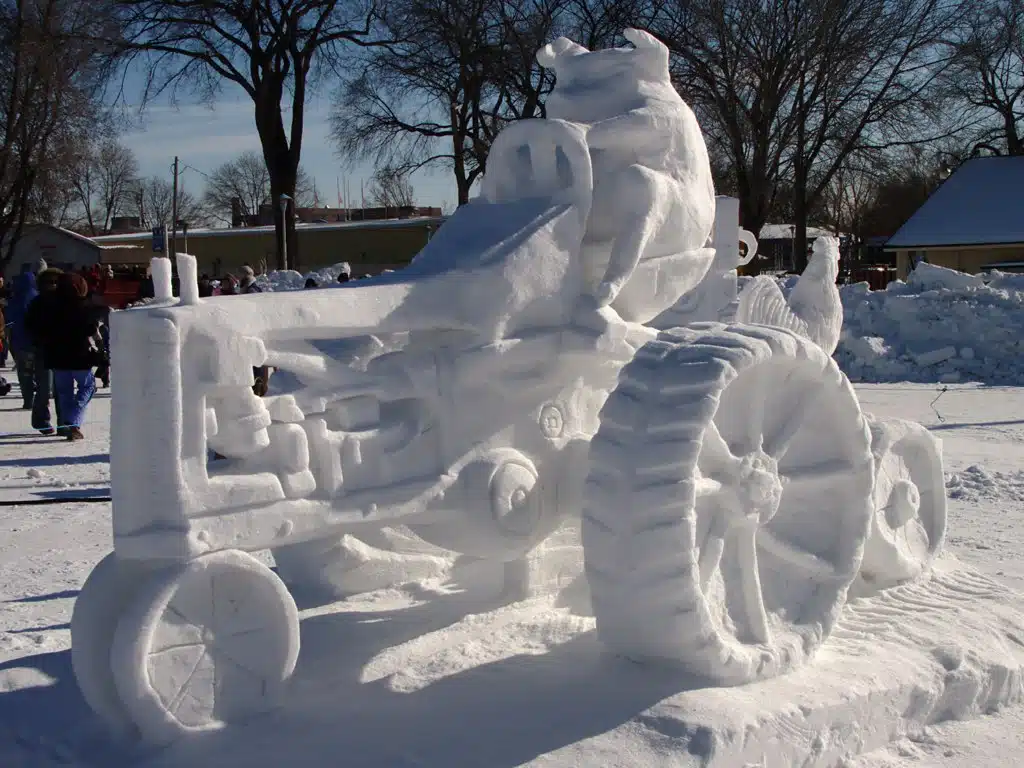
Snow Festival – Celebrate Winter Culture in Kashmir
The Snow Festival is a 3-day cultural extravaganza held in Gulmarg and Pahalgam in January or February. It blends Kashmiri heritage, music, and cuisine with winter sports competitions, creating an immersive experience.
Highlights of the Snow Festival
- Skiing, snowboarding, sledging, and ice-skating competitions
- Cultural events showcasing local music, dance, and art
- Opportunity to savor traditional Kashmiri dishes like Rogan Josh, Gushtaba, and Kahwa
- Tourists from across India and abroad participate
The festival is a perfect time to enjoy winter in Kashmir with family while indulging in local culture.
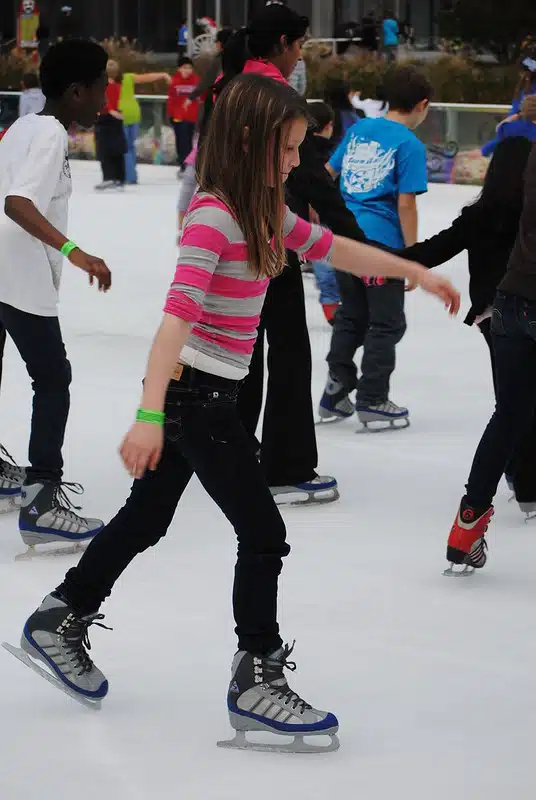
Ice-Skating – Glide Across Snowy Slopes
Ice-skating is one of the easiest and most fun winter sports in Kashmir, suitable for beginners and families. Unlike other challenging activities, it requires minimal training and can be enjoyed in several snow-covered areas, including Gulmarg and Srinagar.
Tips for Ice-Skating in Kashmir
- Use high-quality skating shoes, available at rental shops
- Wear comfortable winter clothing to stay warm
- Skating can be done on frozen lakes or gentle snow slopes for a magical winter experience
Ice-skating provides a joyful way to enjoy the snowfall in Kashmir, making it a favorite activity for both locals and tourists.
Best Food to Enjoy in Kashmir Winters
Winter in Kashmir is not just about snow-covered landscapes and thrilling activities—it’s also a time to savor authentic Kashmiri cuisine that warms the soul and energizes the body. From hearty breakfasts to aromatic teas, here are the must-try foods during your Kashmir snowfall trip.
Kashmiri Harissa – Traditional Winter Breakfast
Harissa is a classic winter breakfast in Kashmir, made by slow-cooking mutton or chicken with Kashmiri ghee and a blend of traditional spices. Served piping hot in the morning, it provides warmth, sustained energy, and a taste of authentic Kashmiri winter delicacies. Ideal for those waking up to heavy snowfall, Harissa is both nutritious and comforting.
Kashmiri Cuisine for Lunch & Dinner – Rich and Flavorful
Kashmiri meals during winter are a treat for the senses. Popular dishes include:
- Rogan Josh: A rich, spicy lamb curry slow-cooked to perfection
- Yakhni: A mild yogurt-based mutton curry with subtle spices
- Gushtaba: Soft meatballs in a creamy yogurt gravy
These dishes are best enjoyed during snowfall, as their warmth complements the chilly winter weather. For families and couples visiting Kashmir in winter, indulging in local cuisine is an essential part of the experience.
Kehwa – Saffron Infused Winter Tea
Kashmiri Kehwa is a traditional saffron-infused green tea, often garnished with almonds and crushed cardamom. Sweet, aromatic, and energizing, Kehwa is perfect for sipping while watching snowfall or after a day of skiing and snowboarding. It is usually accompanied with Kulcha or local bread, making it a delightful winter snack.
Pro Tip: Don’t miss tasting these dishes while staying in Srinagar, Gulmarg, or Pahalgam. Many houseboats and local cafés serve authentic winter recipes, providing a cozy, snow-view dining experience.
Kashmir Offbeat Tours

14D/ 13N
6D/ 5N

16D/ 15N
12D/ 11N
Will There Be Snow in Kashmir? Month-wise Guide
Kashmir experiences snowfall mainly in winter months, but snow in higher reaches can be found during early spring and late autumn as well. Here’s a detailed guide on what to expect each month:
April – Beginning of Spring
April marks the start of spring in Kashmir. Snow in most areas melts, but higher-altitude locations like Sonmarg, Peer Ki Gali, and Sinthan Top may still retain snow. This is a great time for those who want a mix of snowy views and blooming landscapes.
May – Late Spring
By May, most of the snow in Kashmir has melted. Only some high-altitude passes and glaciers may have snow. Chances of seeing snowfall are very low.
June – Start of Summer
June is the beginning of summer in Kashmir, and snow is virtually absent across the valley. Higher regions may still have traces of snow, but it’s not suitable for winter activities.
July – Peak Summer
July is the peak of summer, and you will not see snow in Kashmir. The valley is lush and green, perfect for sightseeing, trekking, and river activities instead.
August – Early Autumn
August sees the onset of autumn in Kashmir. Snow is not present during this month, but the valley showcases breathtaking greenery and scenic landscapes.
September – Mid Autumn
September is still snow-free, as autumn continues. However, higher altitudes like Sinthan Top may have minimal snow remnants from the previous winter.
October – Late Autumn / Early Snowfall
By October, snow starts appearing at higher altitudes:
- Gulmarg: 2nd Phase Gondola
- Pahalgam: Aru Valley
- Sonmarg: Zero Point
This is ideal for travelers who want an early glimpse of snowfall before the peak winter season.
December – Winter & Christmas Snow
December is the best month to experience snowfall in Kashmir, making it perfect for winter tourism. You can enjoy white Christmas in Kashmir, with snow covering valleys, lakes, and mountains.
Pro Tip: For the best chance to see fresh snowfall, plan your visit between December and February, or for early snow at higher altitudes, October is ideal.
What to Expect in Kashmir’s Winter Weather
Kashmir in winter is a picture-perfect snowy paradise, but it’s important to plan for the weather and conditions:
- Short Days, Long Nights: Winter days are crisp and chilly, with temperatures often dropping below freezing. Nights can feel extremely cold, especially in January and February.
- Snow-Covered Roads: Heavy snowfall can temporarily close routes to Sonmarg, Pahalgam, and Gulmarg, so always check local travel updates before heading out.
- Freezing Lakes and Rivers: Iconic water bodies like Dal Lake and Nigeen Lake sometimes freeze, creating magical photo opportunities and scenic views.
- Warm Indoor Experiences: Experience traditional warmth with a Kangri (a small portable firepot) and cozy houseboat stays, perfect for relaxing after a day in the snow.
- Winter Sports Hub: Gulmarg is famous for snow-covered meadows and is one of the top destinations in Kashmir for skiing, snowboarding, and other winter sports.
How to Reach Kashmir in Winter
Traveling to Kashmir during snowfall requires careful planning, as winter conditions can impact all modes of transport.
By Air – Fastest and Most Reliable
- Srinagar International Airport (SXR) is the main gateway.
- Direct flights are available from major cities like Delhi, Mumbai, Bangalore, Jammu, Chandigarh, and Leh.
- Winter weather can cause flight delays or cancellations, so check airline updates before traveling.
- The airport is just 12 km from Srinagar city, with taxis readily available for transfers.
By Train – Jammu as a Rail Hub
- Jammu Tawi Railway Station (JAT) is the nearest major railhead, well-connected to Delhi, Mumbai, Kolkata, Chennai, and Amritsar.
Popular trains include Jammu Rajdhani Express, Vaishno Devi Express, and Swaraj Express. - From Jammu, travelers can take a taxi, bus, or private car to Srinagar (approx. 270 km / 8–10 hours by road).
- The Banihal-Baramulla Railway Line (part of the USBRL project) offers an alternate route with local trains running between Banihal and Srinagar.
By Road – Scenic but Weather-Dependent
- NH44 (Jammu-Srinagar Highway) is the primary route, but landslides and snow can cause temporary closures.
- Zojila Pass (connecting Sonmarg to Ladakh) is closed from December to March due to heavy snow.
- Stay updated via the J&K Traffic Police helpline (Dial 103) or their official Twitter handle @Traffic_hqrs.
- For road travel, ensure:
- Snow chains and winter-ready tires
- Emergency supplies and warm clothing
- An experienced driver familiar with mountain driving in snow
- Snow chains and winter-ready tires
- State-run JKSRTC buses and private taxis operate between Jammu, Srinagar, Pahalgam, and Gulmarg, but schedules can change in heavy snowfall.
Essential Travel Tips for Visiting Kashmir in Winter
Planning a winter trip to Kashmir? Here are expert tips to make your experience safe, comfortable, and unforgettable while enjoying the snowfall in Kashmir:
Dress for the Cold
- Pack heavy woollens, thermals, gloves, scarves, and waterproof snow boots.
- Layering is key – it helps you adjust to fluctuating temperatures while exploring snow-covered towns.
Check Weather and Road Conditions
- Snowfall can close roads temporarily, especially routes to Sonmarg, Pahalgam, and Gulmarg
- Keep updated with local weather forecasts to avoid delays or missed plans.
Book Accommodations in Advance
- Hotels, houseboats, and resorts get fully booked during peak snowfall months (December–February).
- Reserve your stay early to enjoy prime locations near Dal Lake, Gulmarg, and Pahalgam.
Travel Safely on Snowy Roads
- Hire a car with snow chains and a driver experienced in winter driving.
- Always carry emergency supplies including water, snacks, and a first-aid kit.
Keep Essential Gear Handy
- Carry a thermos, moisturizer, lip balm, and a power bank to stay warm and connected.
- Waterproof bags are useful to protect devices from snow and moisture.
Embrace Traditional Warmth
- Experience local culture by using a Kangri, a traditional Kashmiri firepot, to stay cozy indoors.
- Stay in houseboats to enjoy serene views of snow-covered lakes like Dal Lake and Nigeen Lake.
Indulge in Kashmiri Winter Delicacies
- Try Harissa, a warm slow-cooked mutton or chicken dish.
- Sip hot Kashmiri Kahwa, a saffron-infused tea, to beat the winter chill.
Enjoy Snow Activities
- Go for a Shikara ride on Dal Lake, surrounded by snowfall, for a magical experience.
- Participate in winter sports like skiing, snowboarding, and snow trekking in Gulmarg, Pahalgam, and Sonmarg.
FAQ's
What is the Kashmir snowfall time in 2025?
In 2025, Kashmir will experience snowfall from December to February, with January being the coldest month. Snowfall is heaviest in Gulmarg, Pahalgam, Sonmarg, and Srinagar, creating a perfect winter wonderland for skiing, snowboarding, and snow activities.
What is the best time to visit Kashmir for snowfall in winter?
The best time to visit Kashmir for snowfall is December to February. During these months, the entire valley is covered in snow, offering breathtaking views and a variety of winter sports, making it ideal for families, couples, and adventure enthusiasts.
When is the best time to visit Kashmir with family?
For a family trip to Kashmir, January and February are ideal. The weather is cold yet enjoyable, snow is abundant, and snow-covered meadows, frozen lakes, and safe ski slopes provide fun for children and adults alike.
Is there snowfall in Kashmir today?
To check snowfall in Kashmir today, it’s best to refer to local weather forecasts or trusted weather apps. Heavy snow usually occurs in Gulmarg, Pahalgam, and Sonmarg during peak winter months.
What is the snowfall prediction for Kashmir?
Weather predictions suggest that Kashmir will receive the heaviest snowfall in January and February, with light snow beginning in December and tapering off in March. Staying updated with daily weather forecasts is recommended for planning trips.
What is the best time to visit Gulmarg for snowfall in Kashmir?
Gulmarg is the top destination for snow lovers. The best time to visit Gulmarg is December to February, when ski resorts, gondola rides, and snow-covered slopes are fully operational.
When will Kashmir experience snowfall in 2026?
The Kashmir snowfall time in 2026 is expected to be similar: heavy snow from December to February, lighter snow in March, and minimal snow after March.
Is there snowfall in Kashmir in November?
November marks the start of winter in Kashmir, but snow is mostly seen at higher altitudes like Gulmarg and Sonmarg. Srinagar and lower valley regions usually remain snow-free until December.
Where can I find heavy snowfall in Kashmir?
Heavy snowfall in Kashmir is common in Gulmarg, Pahalgam, Sonmarg, Aru Valley, and Doodhpathri from December to February. These towns offer snow activities, scenic views, and winter festivals.
In which months does it snow in Kashmir?
Kashmir experiences snow from December to March. January and February see the heaviest snow, while December and March still provide excellent opportunities for skiing, snowboarding, and winter sightseeing.
 Call Now
 Chat With Us