
Kashmir in August Detailed Tour Guide
Is August a good time to visit Kashmir?
Yes, Kashmir in August is a great time to visit Kashmir.
| Daytime temp | 20°C to 32°C (Srinagar, Pahalgam) / 12°C to 22°C (Gulmarg) |
| Night temp | 10°C to 15°C valley / 4°C to 8°C at trek camps |
| Rainfall | Short afternoon showers. Not all-day rain. |
| Crowds | Low season. 30% to 40% fewer tourists than June. |
| Best for | Trekkers, couples, budget travellers, Amarnath Yatra observers |
Most people avoid Kashmir in August because they assume it’s heavily rainy. It isn’t. The valley sits outside the main monsoon belt. What you get are afternoon showers, an hour at most. Then clear skies and mountains that look like someone wiped them clean. Hotels drop rates by 30% to 40% from May-June levels. Trekking trails are fully open. And you have most of the valley to yourself.
Also try to visit Kashmir in June for greenery and lush meadows
Popular Kashmir Tours


7D/ 6N
6D/ 5N
5D/ 4N

7D/ 6N
Weather & Temperature in Kashmir in August
August rain in Kashmir is not what you think. The valley gets afternoon showers, sometimes an hour, sometimes less. Then it stops. The mountains come out sharp. That light after the rain is something photographers travel for. Low clouds, wet peaks, green so saturated it looks unreal. That almost never happens with a Himalayan destination in summer.
The temperature in Kashmir in August stays comfortable through most regions. Srinagar runs 25°C to 30°C during the day. Gulmarg is cooler, 12°C to 22°C, sitting about 1,000 metres higher than the valley floor. Nights drop to 10°C to 15°C in Srinagar and Pahalgam. At trek camps above 12,000 feet, expect 4°C to 8°C at night. Bring a proper jacket for that.
Snow in the valley? No, Mountain peaks stay white year-round, but roads below 10,000 feet are clear. Above 13,000 feet on a trek, you’ll cross snow patches. Walkable, no crampons needed. Here’s a tip most guides miss. The first two weeks of August are consistently drier than the last two. If your plan involves long mountain drives or high-altitude day hikes, aim for August 1 to 15.
For pleasant weather and spring beauty, visit Kashmir in april month.
Places to visit in Kashmir in August
Srinagar
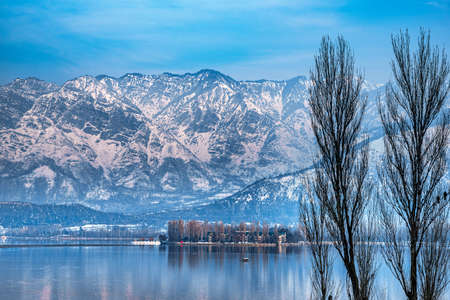
August in Srinagar is the low-key version of a city that gets loud in May.
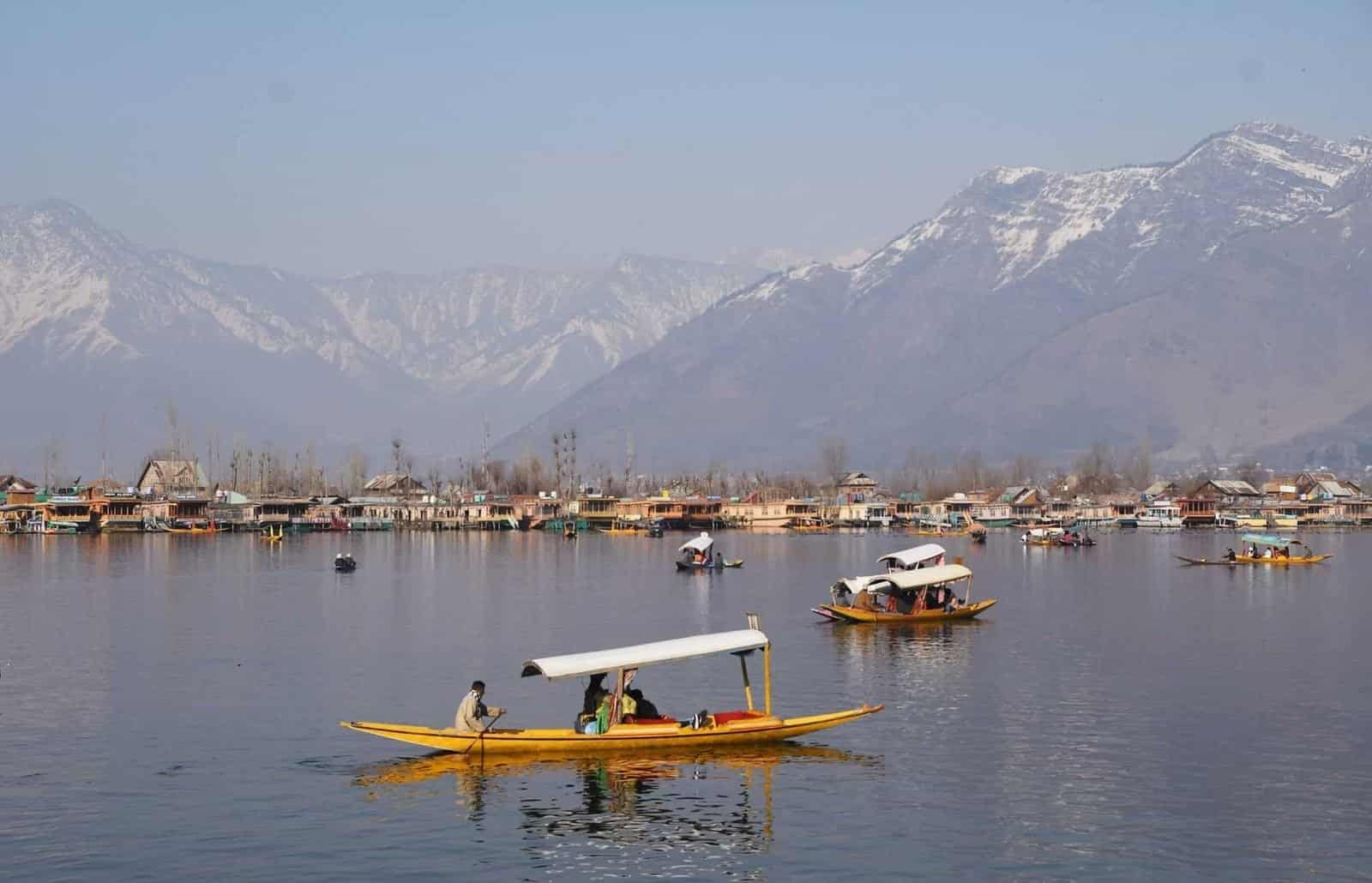
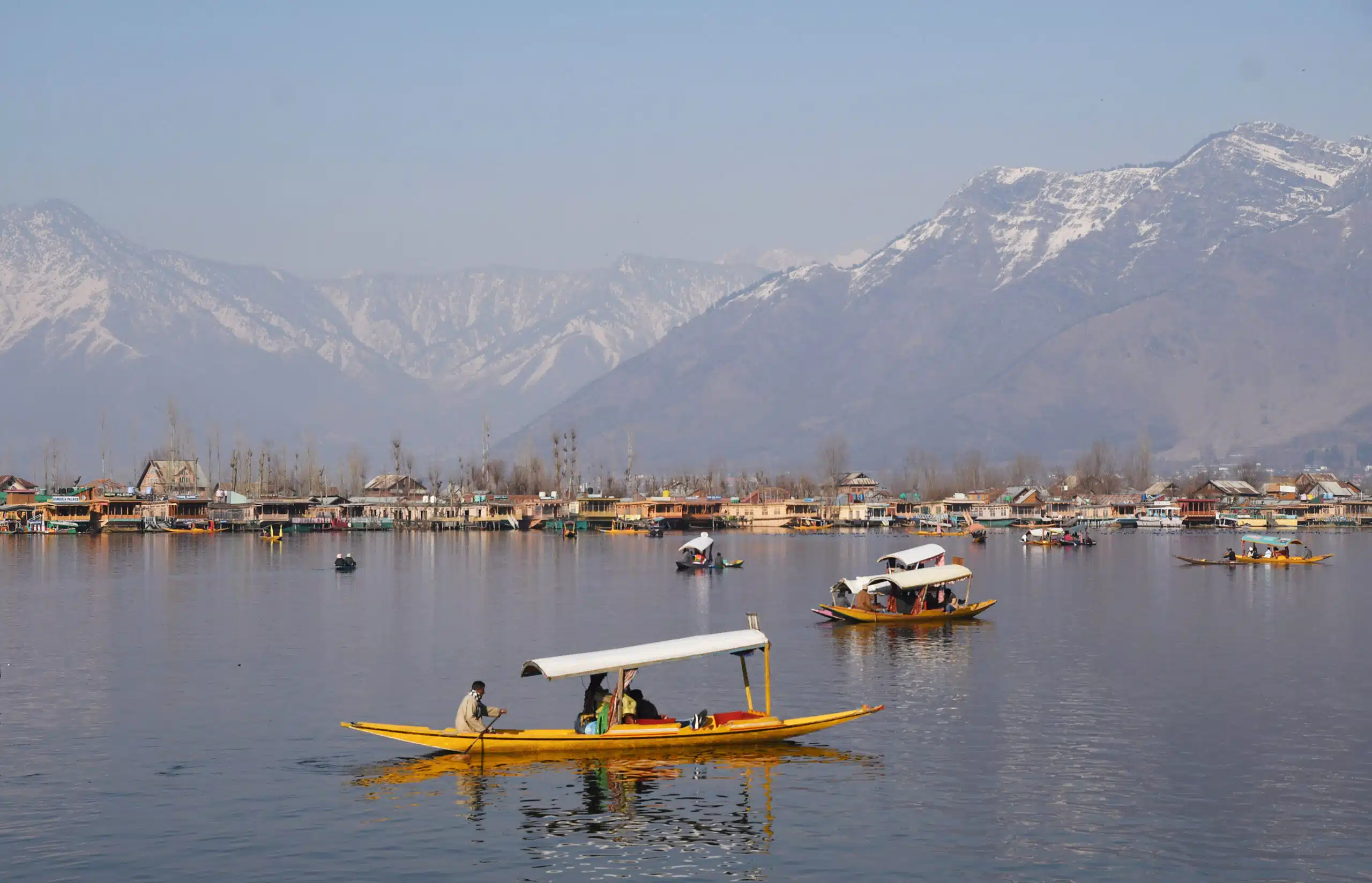
The June crowds are gone. Walk the old city without bumping into tour groups every ten metres. Book a shikara ride before 8 AM. The floating vegetable market near Nehru Park runs from 6 AM to 9 AM. Vendors in wooden boats, selling tomatoes and lotus stems in the mist. It’s gone by 9. Go before 7.
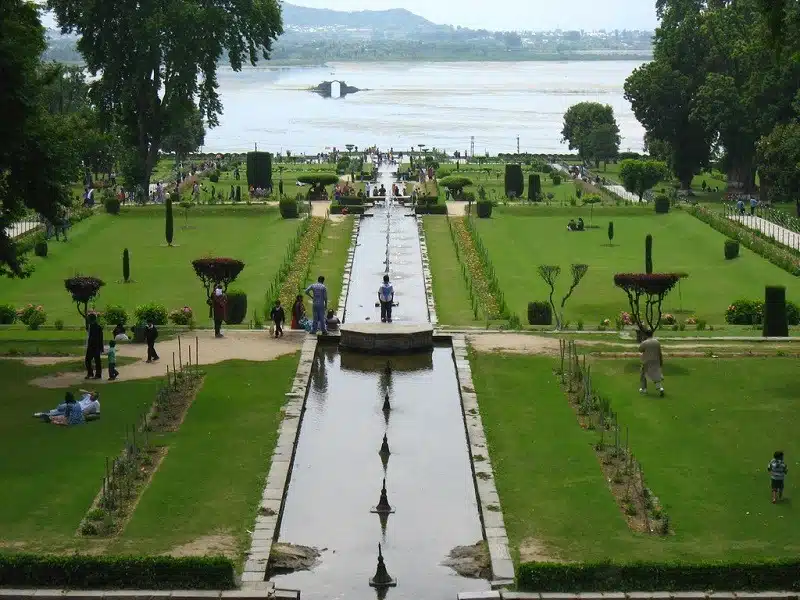
Nishat Bagh and Shalimar Bagh are in full bloom. Dahlias, zinnias, marigolds out all month, entry ₹24, no queues. Emperor Jahangir built Shalimar for his queen, and whoever maintains it now is doing him justice.
Hari Parbat fort sits above the city. Most people skip it. The view from the top covers the whole valley on a clear morning. Worth the climb.
Gulmarg
Gulmarg in August is the meadow and the gondola. That combination is enough.
The ski crowds are long gone. The wide meadow at 2,650 metres sits green and mostly empty. Take Phase 1 gondola to Kongdori at 4,000 metres, then Phase II up to Apharwat at 4,200 metres.
From up there, the view stretches into Pakistan-administered Kashmir on one side. The Pir Panjal fills the other. You stay longer than planned. That’s normal.
Book Phase II before 10 AM. Clouds roll in on Apharwat by early afternoon and close the views fast. ₹700 for Phase I, ₹900 for Phase II. The walk from Gulmarg town to Khilanmarg is 6 km with no guide needed, about 2.5 hours up.
Pahalgam
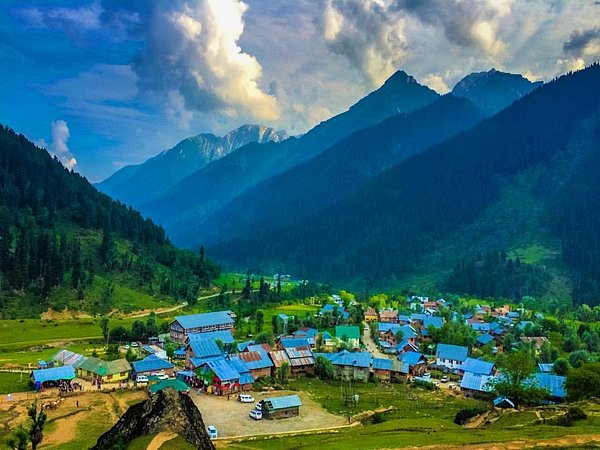
The Lidder River runs fast through Pahalgam in August. That’s the thing to know first.
The town gets busier than usual during Amarnath Yatra, which runs through mid-August. Hotels near the bus stand fill with pilgrims and support staff. Want quiet Pahalgam? Go after August 20.
Betaab Valley is 15 km out. Half a day, flat and green and filmed endlessly for Bollywood, but genuinely lovely in person. Aru Valley is 12 km out . base of the Tarsar Marsar trek. Baisaran, what locals call Mini Switzerland, is a 3 km walk from town or a short horse ride. Pine forest behind you, open meadow ahead, and afternoon August light that earns its reputation.
Sonmarg
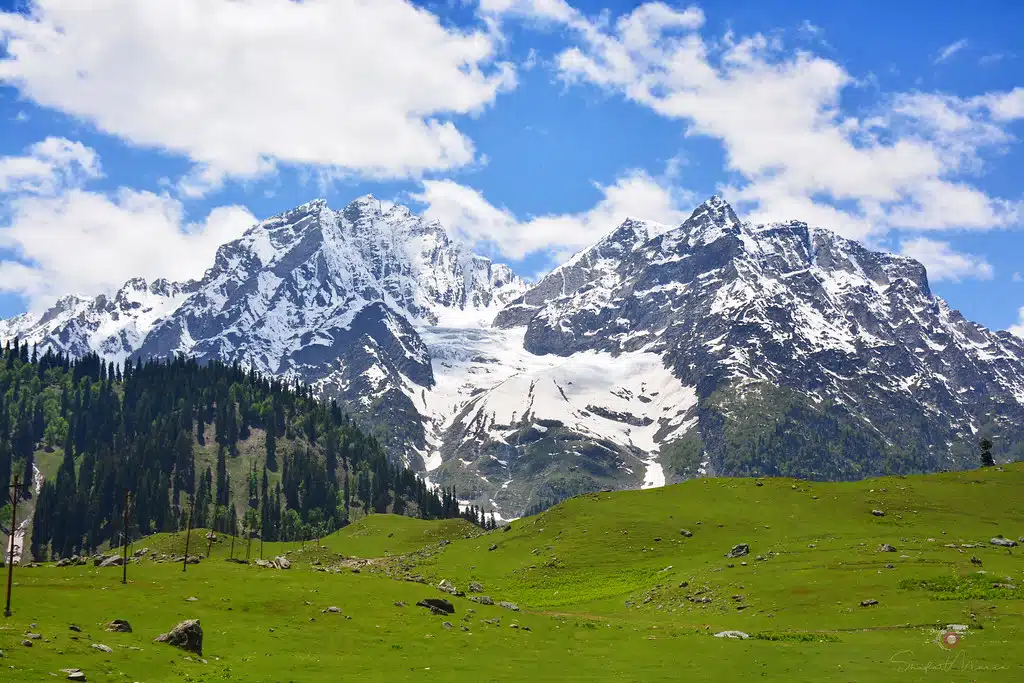
Sonamarg sits at 2,730 metres. The Thajiwas Glacier is partly accessible in August.
Walk from town, 3 km on a flat trail, about an hour return. Locals offer pony rides, but you don’t need one. For stronger walkers, the Vishansar Lake day hike is 14 km return with 1,000 metres of climb.
It covers the opening section of the Kashmir Great Lakes trail in a single day. Start at 6 AM or afternoon clouds close the views early.
The drive from Srinagar to Sonamarg on NH1 is 80 km. About 2.5 hours, passing through Kangan and Gagangir. In August, the river views on this drive match any trek scenery.
Doodhpathri
Most tourists skip Doodhpathri. That’s worth correcting.
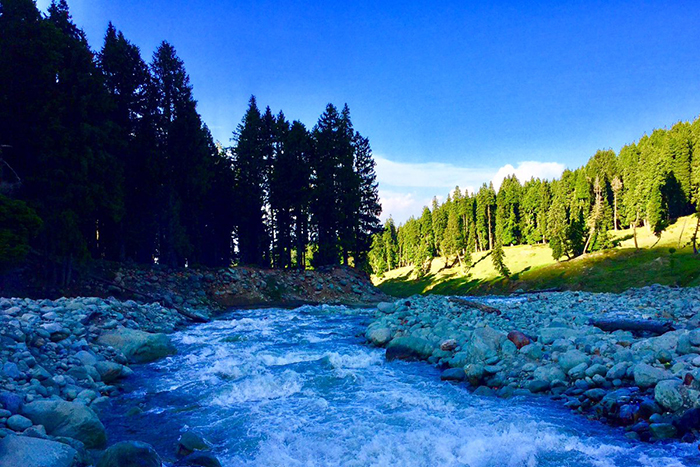
42 km from Srinagar. No hotels, so day trips only. The meadow sits at 2,730 metres in a bowl of fir and deodar trees. The Shali Ganga river runs white over rocks through the middle . that’s where the name comes from. Doodhpathri means valley of milk. See the river after rain and you understand.
August wildflowers cover the whole floor. No entry fee. Almost no one there on weekdays. Two hours each way, two hours at the meadow. A full day, worth it.

Gurez
Gurez is for people who want the valley without the tourist map.
123 km from Srinagar, with a road that crosses Razdan Pass at 3,500 metres. Clear in August, four hours each way. The Kishanganga river runs along the valley floor. The Dard people here have architecture and customs that look nothing like the Kashmiri mainstream.
No big hotels, homestays only. Mobile network is weak across most of the valley. Tell someone at home your plan before you drive in. Foreign nationals need a Protected Area Permit. Indian nationals don’t.
Dachigam National Park
22 km from Srinagar, east side of Dal Lake.
The Hangul, Kashmir’s stag, lives in the wild only here. Nowhere else on Earth. The forest is dense and green in August from the rains. You need advance permission from the Wildlife Department in Srinagar.
Plan that before the day you want to visit. Leopards, musk deer, and Himalayan grey langur are also present. Birdwatchers come specifically for the monal pheasant near the treeline.
Five days of Dal Lake and Mughal Gardens, then Dachigam. It resets your sense of where you are.
Things to do in Kashmir in August
Visit Mughal Gardens
Nishat Bagh has 12 terraces stepping down to Dal Lake. Shalimar Bagh opens at 9 AM. Entry ₹24. August blooms: dahlias, zinnias, marigolds. No queues. The gardens look better in August than in any photo from the spring tulip season.
Shikara Ride
Dal Lake in August is calmer than June. Fewer boats, less noise. Early morning rides before 8 AM cost about ₹500 per hour. The floating vegetable market runs 6 AM to 9 AM near Nehru Park. Vendors in wooden boats, selling in the mist. Gone by 9. Evening rides from 5 PM catch the best light on the chinar trees and the Zabarwan hills.
For city tours, book: Taxi in Srinagar.

Trekking
Snow-free trails, blooming meadows, fast streams. The Kashmir Great Lakes Trek runs 75 km northeast of Srinagar over seven days. Six alpine lakes, five valleys.
The trail starts 3 km out of Sonamarg at a place called Shitkadi. The lone dhaba at the 3 km mark is your last shop before Naranag . stock up there.
Every day on this trek brings a new lake. Vishnusar, Kishansar, Gadsar, Satsar, Gangabal. Water colour shifts from clear to deep blue to greenish-blue depending on cloud and light. At Kishansar, the peak reflects in the still morning water. At Gadsar Pass, 13,800 feet, you’re at the highest point of the trek. Mountains outside the Line of Control sit in front of you. You understand why people come back.
The Tarsar Marsar Trek leaves from Aru Valley, five days, two high-altitude lakes below rock walls. Mid-August wildflower season on the approach trail is something to plan a trip around.
Cliffhangers India runs guided departures on both treks every week in August. Groups cap at 12 people. All tents, meals, and gear included.
Camping
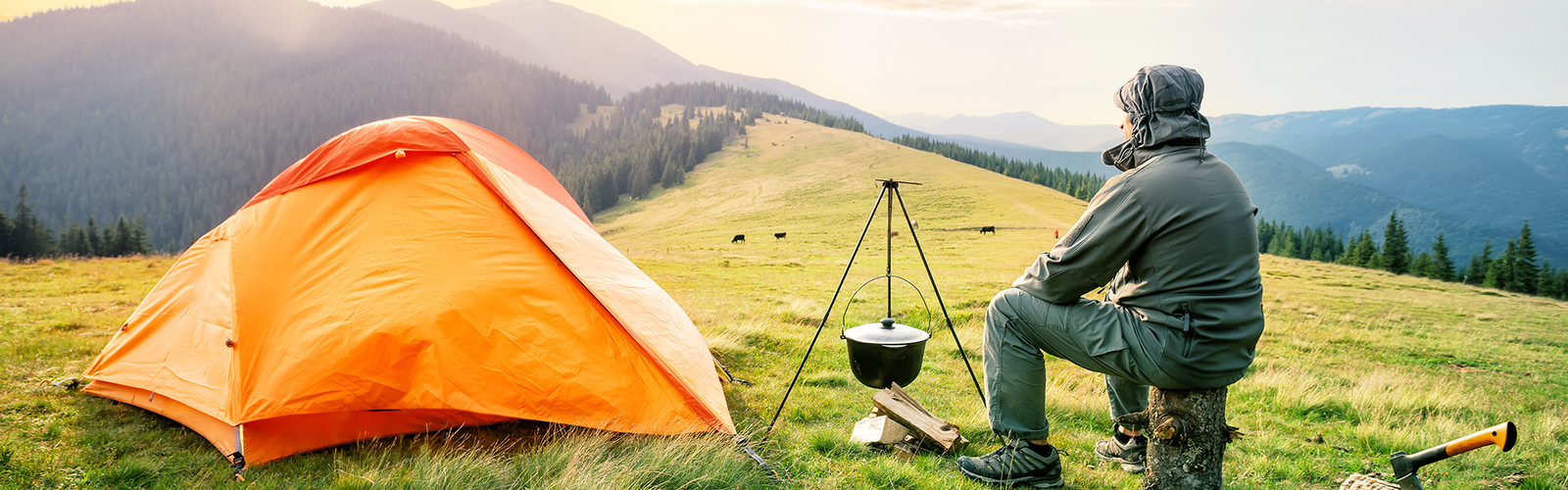
Kashmir in August means empty campsites. The June crowds are gone. Aru Valley, Lidderwat, and Gulmarg meadow are quiet on weekdays. Pitch a tent and you often have the meadow to yourself.
Gurez valley floor sits flat near the Kishanganga river. Cold nights, no light pollution. The kind of dark sky that city people don’t know exists.

Gulmarg Gondola
Phase I to Kongdori at 4,000 metres. Phase II to Apharwat at 4,200 metres. Book Phase II before 10 AM . slots fill on clear days. ₹700 for Phase I, ₹900 for Phase II. The view on a clear August morning stretches further than a phone camera can show. Go anyway.
Amarnath Yatra
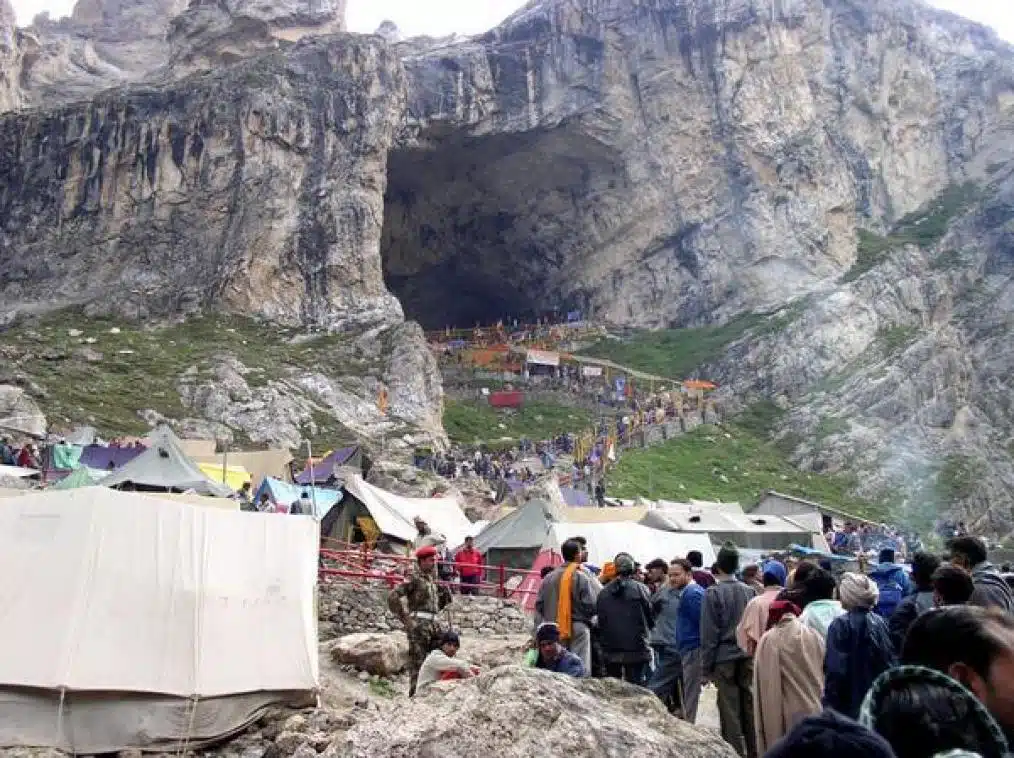
The cave at Amarnath sits at 3,888 metres. Inside, a naturally formed ice column rises from the floor each year. Hindu pilgrims walk to it as an act of devotion. The yatra runs from late June to Shravan Purnima, the full moon in August . mid-August in 2025.
Two base camps serve it. Pahalgam route is 36 km and takes 3 to 5 days. Baltal is 14 km, done in a single day. Registration is required through the Shri Amarnathji Shrine Board website. No registration slip means no entry to the yatra zone.
Casual visitors can go to Pahalgam and Chandanwari as observers. You’ll see the pilgrims, the CRPF patrols, and makeshift langars. They serve free food to thousands of people a day. That scale is worth seeing even if you’re not walking to the cave.
One practical note: the Pahalgam road from August 1 to 15 is congested from pilgrims and support vehicles. Drive in before 9 AM or after 6 PM.
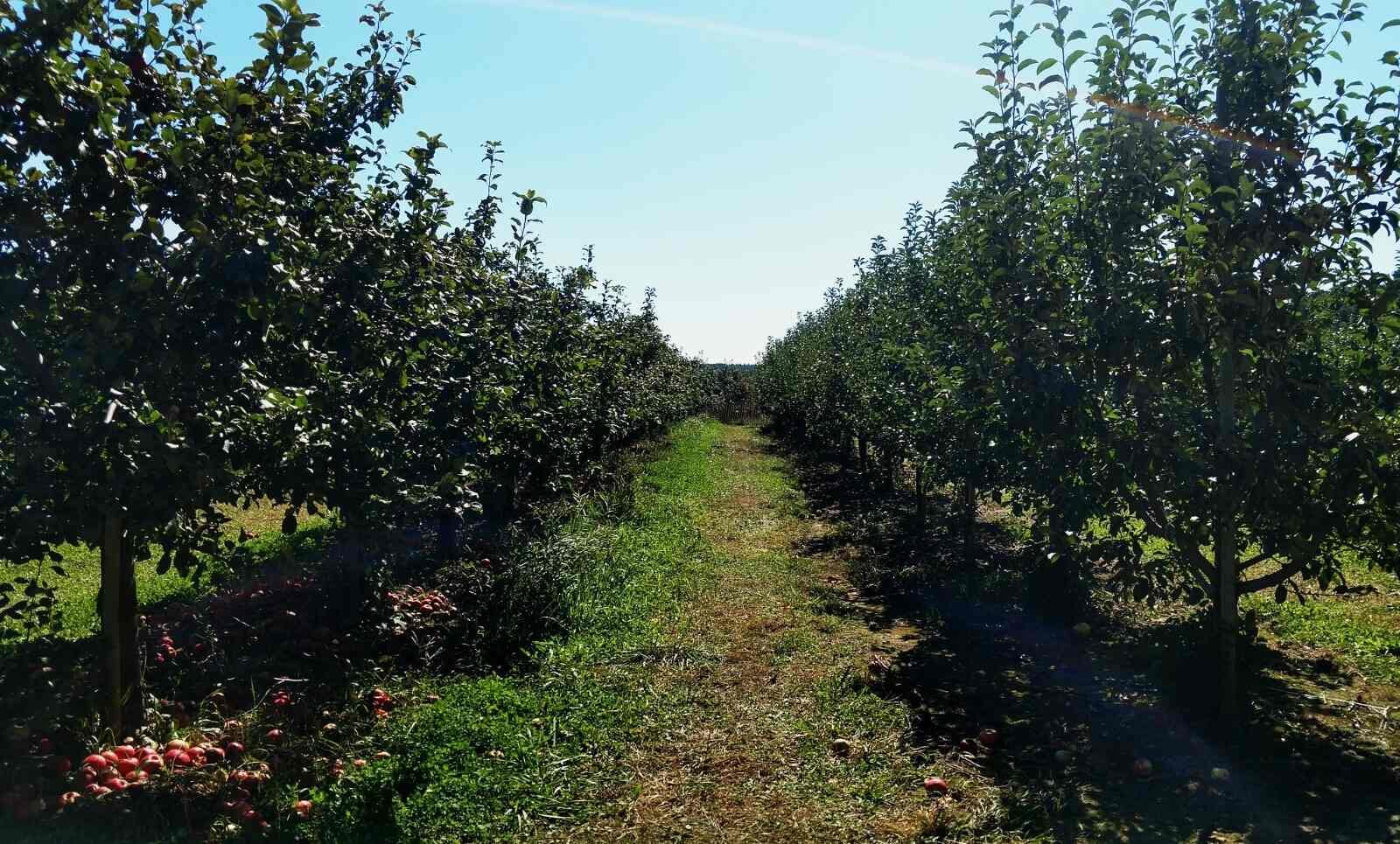
Apple Harvest
Kashmir grows about 70% of India’s apples. August is the start of it.
Early varieties, Royal Delicious and Maharaji, ripen from late July in Shopian and Sopore. Freshly picked Kashmiri apples taste like a different fruit from what reaches Delhi markets two weeks later.
Roadside stalls on NH44 between Qazigund and Srinagar sell them right off the trees. Stop and buy a bag. They don’t ship well.
Some guesthouses in apple-growing villages around Shopian let you visit during harvest. Ask your host directly.
7-Day Kashmir Itinerary for Kashmir in August
Day 1: Arrive Srinagar. Houseboat check-in.
Fly in and check into a houseboat on Nagin Lake . quieter than Dal, cheaper in August. Take a shikara ride in the afternoon. Wazwan dinner on the water.
Day 2: Srinagar sightseeing.
Wake at 5:30 AM for the floating vegetable market. Nishat Bagh and Shalimar Bagh from 9 AM. Hari Parbat fort in the afternoon. Old city walk, Hazratbal shrine, Lal Chowk for pashmina and saffron.
Day 3: Srinagar to Gulmarg. (56 km, 1.5 hours)
Leave by 8 AM and book Phase II gondola before 11 . afternoon clouds often close the top. Walk the meadow after. Stay overnight in Gulmarg for the evening light.
Day 4: Gulmarg to Pahalgam. (140 km via Srinagar, 3.5 hours)
Drive through Srinagar. Visiting before August 15? The Chandanwari base camp 16 km outside Pahalgam is active with the Yatra and worth a stop. Stay in Pahalgam.
Day 5: Pahalgam . Aru and Baisaran.
Morning drive to Aru Valley, then afternoon horse ride to Baisaran. Best photo day of the trip. Stay in Pahalgam.
Day 6: Pahalgam to Sonamarg. (90 km, 2.5 hours)
Drive to Sonamarg via Srinagar and walk to Thajiwas Glacier in the afternoon. Strong walkers: Vishansar day hike starts at 6 AM sharp.
Day 7: Sonamarg to Srinagar. Optional Doodhpathri stop.
Drive back toward Srinagar. Doodhpathri is 42 km from the city. A 2-hour stop works well before evening flights. Morning flights, go directly.
Explore the beauty of spring in Kashmir with blooming tulip gardens, pleasant weather, and scenic valley views.
Kashmir Offbeat Tours

14D/ 13N
6D/ 5N

16D/ 15N
12D/ 11N
Budget and Cost Breakdown for Kashmir Trip in August
August is low season. Prices drop across the board compared to May and June.
Getting there (one-way flights):
- Delhi to Srinagar: ₹4,000 to ₹8,000 (book 3 weeks ahead for the lower end)
- Mumbai to Srinagar: ₹6,000 to ₹12,000
- Jammu to Srinagar shared taxi: ₹800 to ₹1,200 per person
Hotels per night:
- Budget guesthouse, Srinagar: ₹800 to ₹1,500
- Mid-range hotel, Srinagar or Gulmarg: ₹2,500 to ₹5,000
- Houseboat on Dal Lake, mid-range: ₹3,000 to ₹6,000
- Gurez homestay with meals included: ₹700 to ₹1,200
Local transport (one-way taxi fares):
- Srinagar to Gulmarg: ₹1,400 to ₹1,800
- Srinagar to Pahalgam: ₹2,000 to ₹2,500
- Srinagar to Sonamarg: ₹2,200 to ₹2,800
- Gulmarg Gondola, both phases: ₹1,600 per person
Daily spend estimate:
- Budget traveller: ₹1,500 to ₹2,500 per day
- Mid-range: ₹4,000 to ₹7,000 per day
- 7-day trip, mid-range, flights not included: ₹28,000 to ₹50,000 per person
Same hotels in August cost 25% to 40% less than in May. Worth knowing before you book.
For spring blossoms, read here about: Places to visit in Kashmir in March
Is Kashmir Safe in August?
Yes. Kashmir is open and safe for tourists in August 2026. Srinagar, Gulmarg, Pahalgam, and Sonamarg see tourist traffic every week of the month. Security is visible throughout the valley. That said, there are a few specific things worth knowing.
Landslides on mountain roads: This is the real issue in August, not crime. NH44 and the Sonamarg road block occasionally after heavy rain and most clear within 4 to 8 hours. Check the Border Roads Organisation Twitter handle before any long mountain drive. Serious slides are rare, but they happen. Don’t plan mountain drives without a buffer hour in your schedule.
Amarnath Yatra zone restrictions: During the yatra, the Chandanwari and Baltal approach roads have controlled access. Non-pilgrims can’t pass certain checkpoints. Well-signed, temporary, plan around it.
Gurez and the Line of Control: Indian nationals don’t need a permit for Gurez. Foreign nationals need a Protected Area Permit. Areas within 5 km of the LoC are restricted. The village itself is open and accessible.
Petty theft: Keep phones in front pockets at Lal Chowk and the old city. Same rules as any Indian city. Hotel safes are free so use them.
For snowfall, read here about: Places to Visit in Kashmir in December
What to Pack for Kashmir in August
Pack for two situations: warm valley days and cold mountain nights.
Clothing:
- 3 to 4 light cotton tops for Srinagar and Pahalgam days
- 1 fleece or wool mid-layer for evenings
- 1 warm down or synthetic jacket for Gulmarg, Sonamarg, and trek nights
- 1 waterproof jacket or rain poncho . not optional in August
- Grip walking shoes for town and trail
- Trek boots if going above 3,000 metres
- Light woolens for Gurez and Sonamarg nights
Other essentials:
- Compact umbrella for Srinagar and Pahalgam town
- SPF 50+ sunscreen . altitude sun is stronger than it feels
- Lip balm and moisturiser . mountain air dries you out even in monsoon
- Dry bags or zip-lock bags for phone and documents
- Basic first-aid with altitude sickness tablets if trekking above 12,000 feet
- Cash in small notes . ATMs in Gurez and Sonamarg are unreliable
- Offline map downloaded before leaving Srinagar
Heavy woolens? Leave them home. One good jacket covers everything below 9,000 feet.
Monsoon Travel Tips and Road Safety For Kashmir in July
This is the section people skip. No mountain road driving after dark in August. Most road problems happen on wet roads at night with low visibility. Start all long drives before 8 AM. Build one buffer day into every itinerary. A road block for a few hours is not unusual in August. One loose day turns a stressful wait into an extra morning on the houseboat. People who don’t build this buffer end up missing flights.
The Pahalgam road during Yatra season gets heavy pilgrim foot traffic throughout the day. Drive in before 9 AM or after 6 PM. The Mughal Road from Shopian to Bafliaz is open in August. Almost no petrol stations on it. No roadside help. Carry extra fuel and food if you use it.
Dal Lake houseboats in the rain are fine. Light showers are no problem at all. Thunderstorms are rare. Houseboat owners know when to pull boats in. No tourist has been stranded on Dal Lake from weather.
Also try to visit: Panikhar Warwan Valley
Is there snow in Kashmir in August?
If you are planning your trip to Kashmir and wondering If there is snow in Kashmir in August to enjoy its beauty, then there is no possibility of snowfall in Kashmir during this month. The weather in August is pleasant, with greenery all around. You can enjoy many activities here like boating, sightseeing and hiking. August is a month of rainfall that turns the atmosphere cool and even more beautiful. If you wish to experience a valley all covered with snow, visit the destination during winter. You can get a chance to see snow in some parts, but you have to trek to specific heights to reach the mountain tops and relish the snow.
Things to do in Kashmir in August
Essential Information to Plan Your Trip
How to Reach Kashmir In August
- By Air : Srinagar airport is connected to all major Indian cities such as Goa, Delhi, Leh, Mumbai and Bangalore. Make sure to check with the airlines for the best options. Also, If you combine a trip to Ladakh, flights from Leh to Srinagar are a quick option.
- By Train: Kashmir can also be reached by train; the closest railway station is Jammu Tawi, which provides several daily train connections to Delhi. After reaching Jammu Tawi, hire a cab or take a bus for a picturesque 8-hour drive to Srinagar.
- By Road: The states of Jammu and Kashmir are also well-connected by roads. Travelers can reach Kashmir. National Highway 1 & NH44 connect Kashmir to the main cities of India..buses also run and connect Jammu to nearby towns. Also, you can fly to Chandigarh and drive the rest of the way.
Network and Road connectivity
Major mobile networks like Jio, airtel, vodafone and others have network coverage in kashmir but you can not be very sure of their speed. They are slow at some places and maybe non-existent at high-altitudes. Hotels, cafes have wi-fi that works decently well and you can have a workstation there. Keeping a satellite phone is suggested in case of emergencies.
Talking about road connectivity. It is pretty great in kashmir with the government constantly working to improve it. Internal as well as external roads are fully open and accessible in August with little to no snow. BRO tries to keep roads as clear as possible. Try to be cautious when driving on mountain roads that are both rough and stony. Have some experience in off-roading before getting on wheels.
Transportation Options to Travel in Kashmir in August
Many transportation options are available for tourists who plan their tour to Kashmir and wish to enjoy it to the fullest extent.
Local buses: Luxury coaches, operated by the J&K TDC and J&K SRTC, are available for local sightseeing. These are easily available, comfortable modes of transport within the valley and affordable options.
Rental bikes and cars: The best way to enjoy the Kashmir valley is to take a cab or taxi to every sightseeing spot. Many also love to explore by bike or rent a car. Renting bikes and cabs is the best way to explore the off-beaten paths by yourself.
Shikaras: It is the best mode of transportation and one of the best things to do in Kashmir. These serve as the transport option to reach floating markets.
FAQ's
Is August a good time to visit Kashmir?
Yes. Low crowds, lower prices, fully open trek routes, and the greenest the valley looks all year. Short afternoon showers don’t stop outdoor plans.
Does it rain a lot in Kashmir in August?
No. Kashmir sits outside the heavy monsoon belt. Rain comes in short bursts, mostly afternoon and evening. Not all-day rain and not the kind that shuts down outdoor plans.
What is the temperature in Kashmir in August?
Srinagar and Pahalgam: 20°C to 30°C days, 10°C to 15°C nights. Gulmarg: 12°C to 22°C days. Trek camps above 12,000 feet: 4°C to 8°C at night.
Is the Kashmir Great Lakes Trek open in August?
Yes, Trails are snow-free, meadows are blooming, and weather windows are reliable. Cliffhangers India runs guided departures every week in August.
Can I visit the Amarnath Cave in August?
Only with official registration from the Shri Amarnathji Shrine Board. No entry to the yatra zone without a registration slip.
What is there to do in Kashmir in August for families?
Shikara rides, Mughal Gardens, Gulmarg Gondola, Betaab Valley, horse rides, apple orchards, Doodhpathri day trips. No trekking required for any of these.
Is Kashmir safe for solo women in August?
Yes. Srinagar, Gulmarg, and Pahalgam are busy with other tourists throughout August. For remote areas like Gurez, travelling with a local guide adds both safety and practical knowledge.
How many days do you need for Kashmir in August?
Five to seven days covers the main circuit. Add two to three days for Gurez or a multi-day trek. Ten days is right for a trip that includes the Kashmir Great Lakes or Tarsar Marsar.